Suro Senen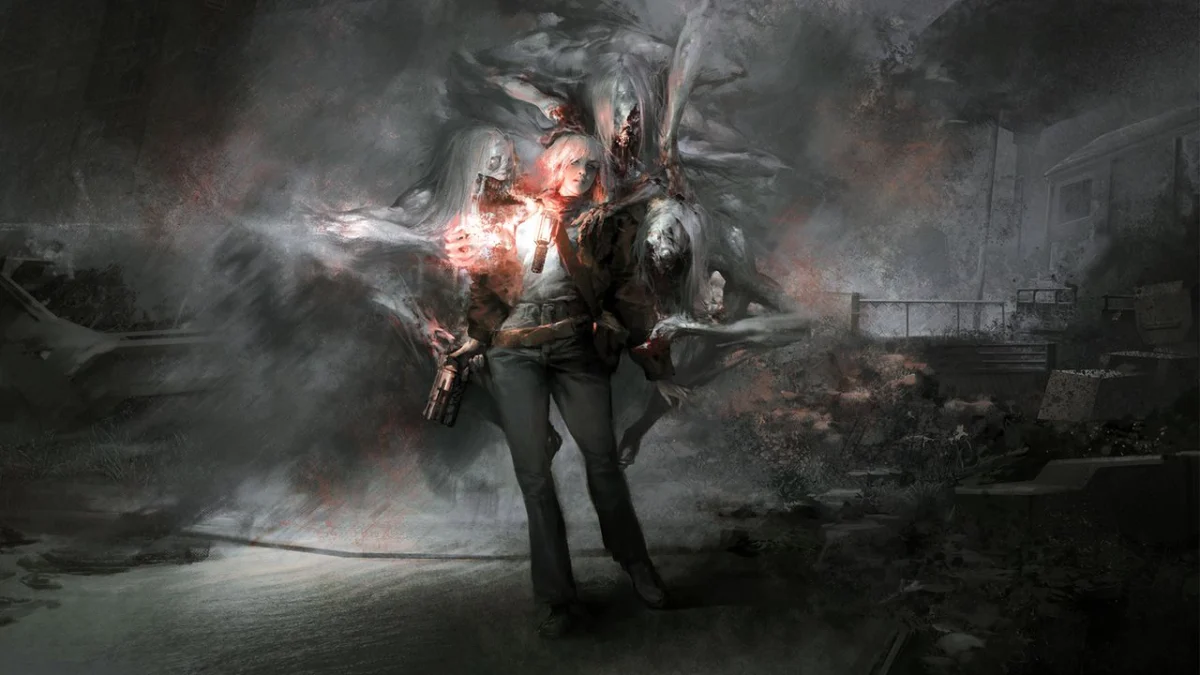
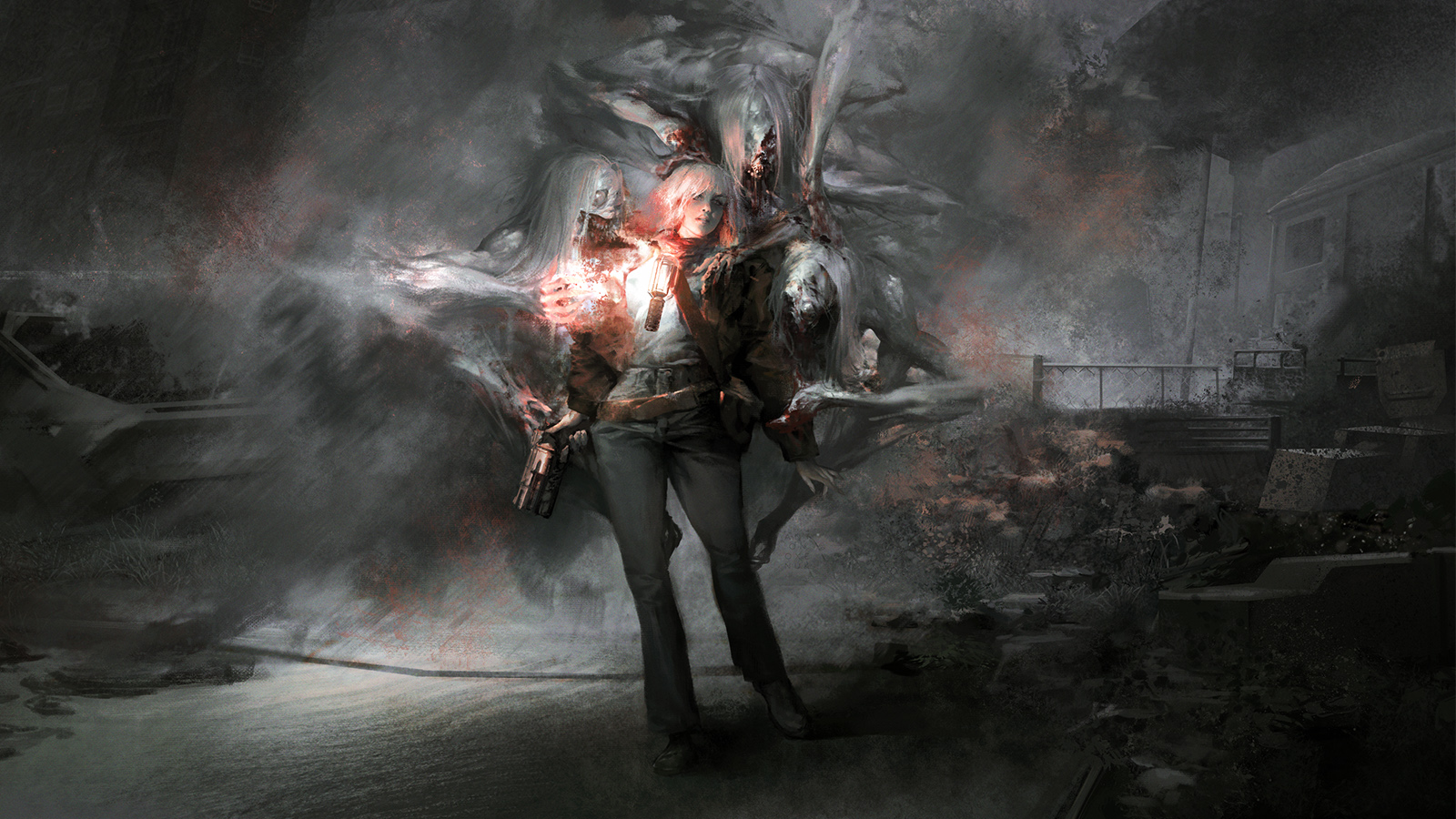
In the modern gaming landscape, nostalgia is a potent currency. Developers frequently look back to the late 90s and early 2000s—the golden age of survival horror—to recapture the visceral, claustrophobic dread that defined titles like Silent Hill, Resident Evil, and Parasite Eve. Enter Hollowbody, a new survival horror project from solo developer Nathan Hamley (Headware Games). Built on the Unity engine, Hollowbody is a deliberate, meticulous recreation of the PlayStation 1-era experience. It captures the fog-drenched aesthetics and the "fixed camera" tension of its predecessors with frightening accuracy. However, in its commitment to honoring the past, the game serves as a stark reminder of why the industry eventually moved on from the clunkier mechanics of that bygone era.
Main Facts: A Solo Project with Singular Vision
Hollowbody is a testament to the ambition of the independent developer. Created by Nathan Hamley, the game is a love letter to the "tank control" and "fixed camera" era of survival horror. Released on June 5, 2024, for the PlayStation 5, Xbox Series X|S, and PC, it offers a distinct aesthetic that sets it apart from the saturated market of modern indie horror.
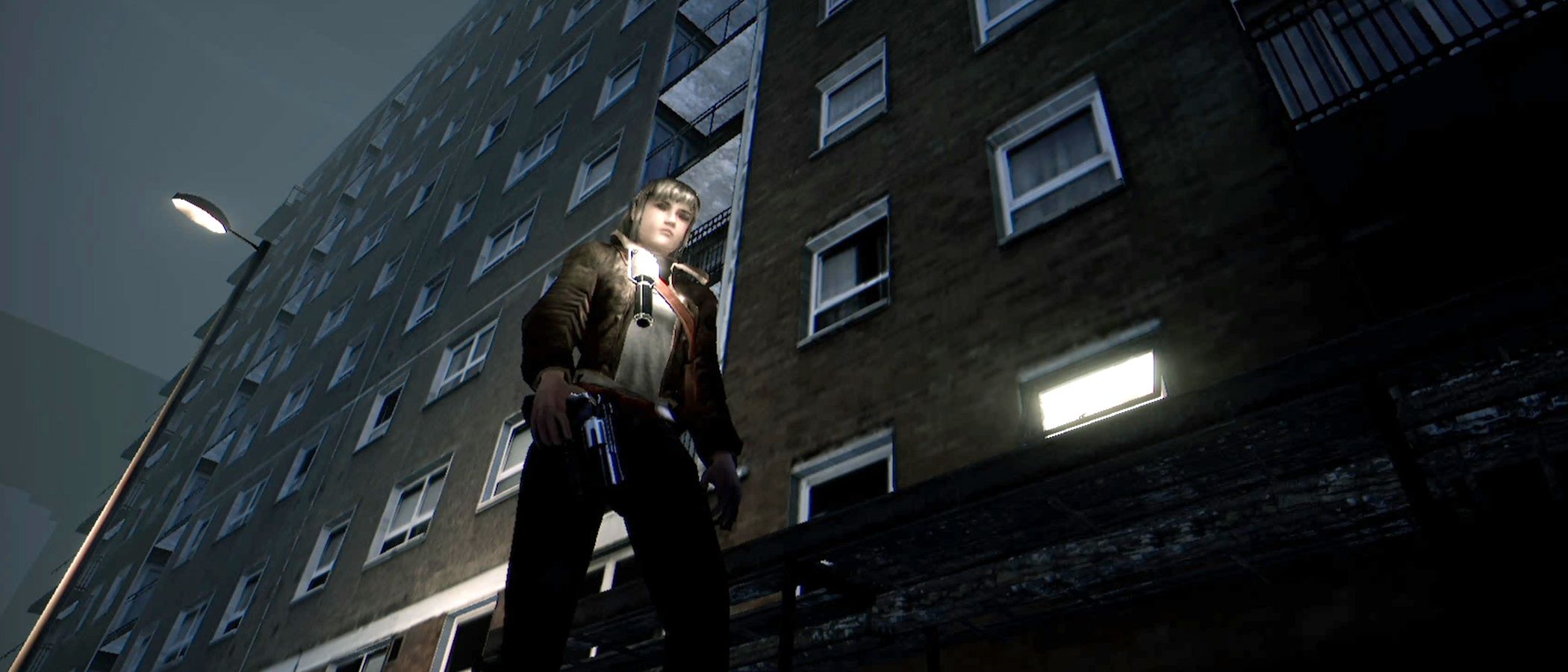
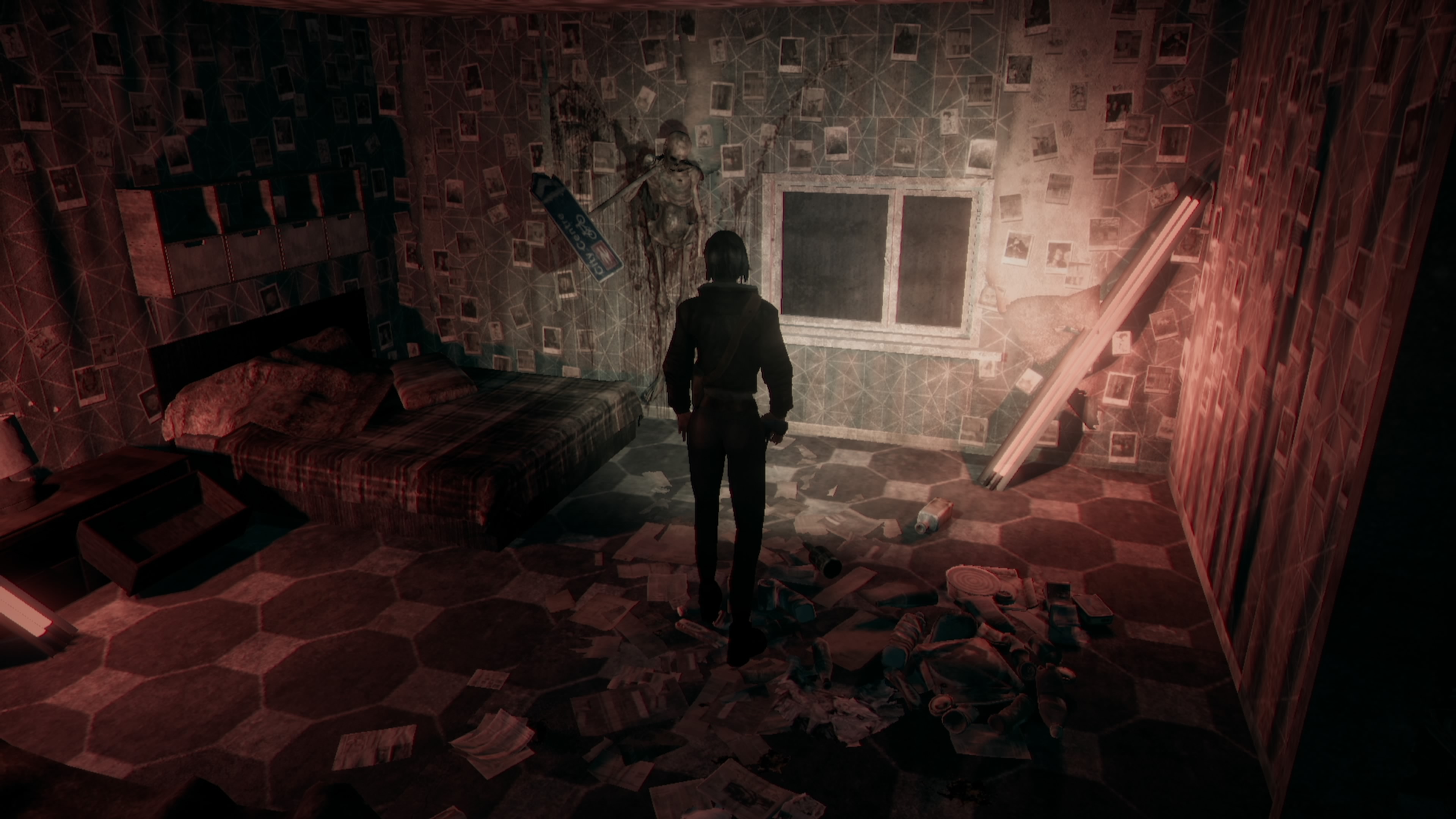
The game is set within a decaying British urban environment—a departure from the traditional Americanized "shabby" settings of Silent Hill or the sterile laboratories of Resident Evil. By utilizing a distinct UK-based atmosphere, Hamley creates a sense of place that feels uniquely "hollowed out." The game is essentially an exercise in atmosphere and environmental storytelling, where the player explores abandoned housing estates, flickering stairwells, and claustrophobic corridors.
Chronology: The Evolution of Retro-Inspired Horror
The journey of Hollowbody from concept to completion reflects the broader trend of "retro-revivalism" in gaming. For years, the survival horror genre leaned into the limitations of early 3D hardware. Because consoles lacked the processing power to render large, open spaces with free-roaming cameras, developers utilized fixed camera angles. This wasn’t just a technical necessity; it became a core design pillar. It allowed developers to frame horror precisely, hiding enemies just off-screen and forcing players to navigate blind into dark corners.
Hollowbody adopts this design language almost in its entirety. As players navigate the game, they are often subjected to the same frustrations that defined 1998: fighting the camera, managing inventory with clunky menus, and engaging in combat that feels intentionally imprecise. While some players find this "jank" to be a nostalgic, charming part of the experience, others will undoubtedly view it as a regression in game design.
Mid-way through the experience, the game challenges players with a series of inventory-based puzzles. These moments are where the game truly shines, requiring players to slow down, read their environment, and synthesize information—a core tenet of the survival horror loop. Yet, the pacing is occasionally hampered by confusing design choices, such as a battery-related puzzle that feels obscure rather than clever, leading to backtracking that tests the player’s patience.
Supporting Data: The Tension Between Old and New
The technical foundation of Hollowbody rests on Unity, a powerful engine that allows for high-fidelity lighting and particle effects that would have been impossible on original PS1 hardware. This creates a fascinating visual paradox: the game looks like a "remastered" memory. The rain hammering against the brutalist architecture of a British estate, combined with the low-poly count of characters, creates a striking, eerie visual language.
However, the "data" regarding player experience is split. On one hand, the atmospheric success is undeniable. The sound design and environmental storytelling—cadavers that tell a story without a single word of dialogue—are top-tier. On the other hand, the mechanics are a point of friction.
- Combat: The combat system is designed to induce vulnerability, but it frequently results in frustration. Swinging a makeshift weapon like a guitar or a signpost at an enemy that is difficult to target due to the camera angle creates a feeling of helplessness that is, at times, more irritating than frightening.
- Navigation: To combat the issues of fixed cameras, Hamley has included an option for a modern third-person camera during exploration. This is a crucial addition that shows the developer is aware of modern accessibility expectations. However, even with this toggle, the game’s core geometry is built for fixed perspectives, meaning the transition is never entirely seamless.
Official Responses and Developer Intent
Nathan Hamley has been transparent about the game’s roots. Hollowbody was never meant to be a modern, accessible action game. It is a curated, high-tension experience designed to replicate a specific psychological state: disorientation.
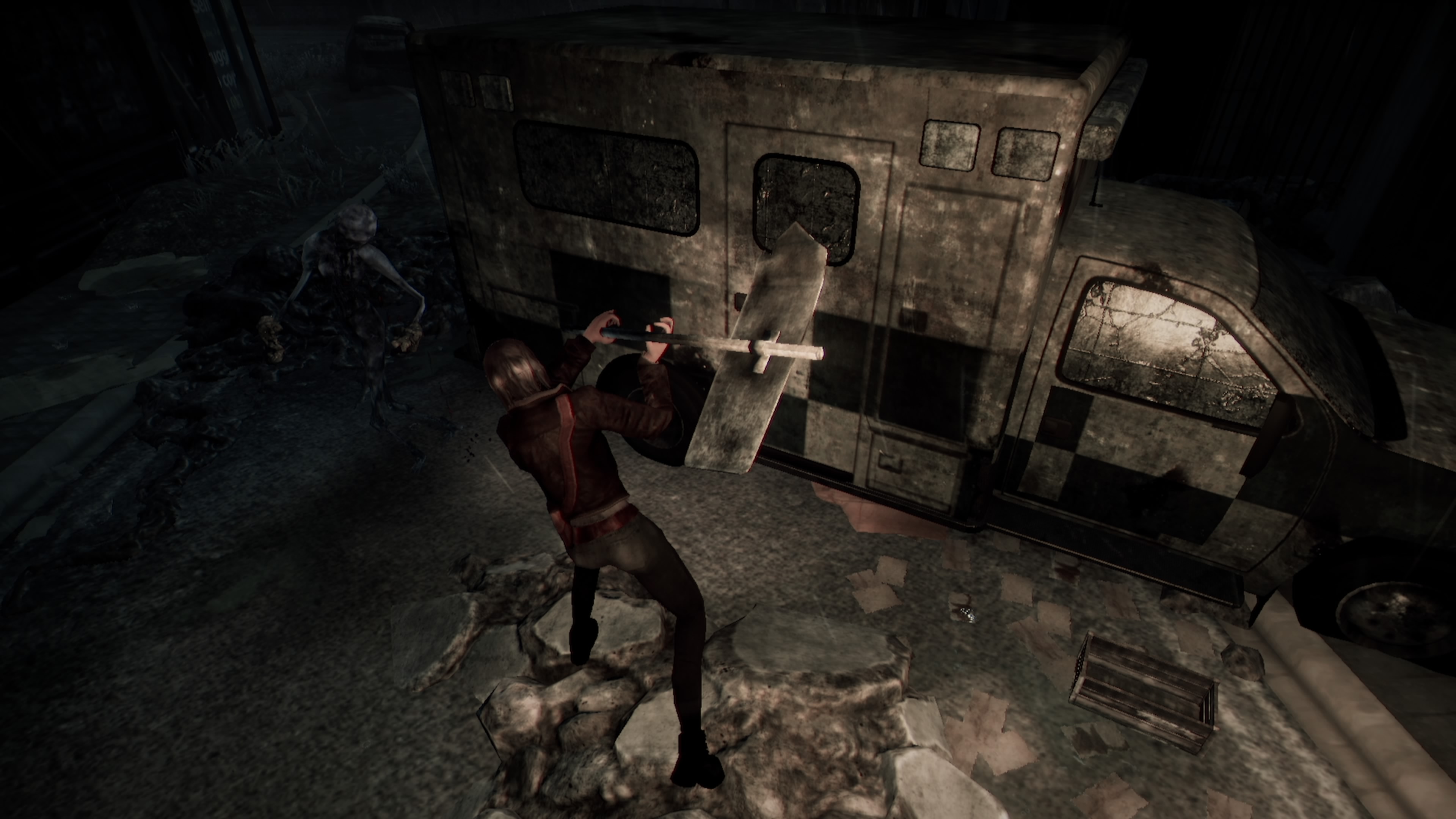
In discussions surrounding the game’s release, it is clear that the "clumsy" nature of the combat and navigation is intentional. By removing the player’s ability to easily see their surroundings and react with speed, the developer forces the player to engage with the environment as a hostile entity. The "Hollow" in Hollowbody refers not just to the setting, but to the feeling of being an empty vessel navigating a world that has been stripped of its life and logic. The developer argues that the friction is the horror.
Implications: The Future of Retro-Survival Horror
What does Hollowbody mean for the future of the genre? Its existence suggests that there is a significant, albeit niche, audience for games that refuse to modernize. However, it also raises a pertinent question: how far can developers push the "retro" aesthetic before it alienates the average player?
Hollowbody is a "middle-of-the-road" success in the sense that it accomplishes exactly what it sets out to do, but it doesn’t necessarily elevate the genre. It proves that a solo developer can capture the "vibe" of a classic, but it also underscores the wisdom of the industry’s evolution. When games like the Resident Evil remakes successfully updated the tank-control horror format by introducing over-the-shoulder perspectives and fluid movement, they didn’t lose the horror; they amplified it. By comparison, Hollowbody feels like a museum piece—a perfectly preserved artifact that is fascinating to look at but occasionally difficult to interact with.
The Final Verdict: An Admirable Experiment
Ultimately, Hollowbody is a game that is easier to admire than it is to recommend to a general audience. For those who grew up in the late 90s and miss the specific, suffocating tension of early survival horror, this is a must-play. It is a labor of love that respects its inspirations and succeeds in crafting a unique, haunting atmosphere that feels distinctly British and profoundly lonely.
However, for players accustomed to modern, responsive controls and clear, user-friendly design, the game may prove to be a test of endurance. It is a project that understands the "why" behind the atmosphere of classic horror, but perhaps over-commits to the "how." It recreates the fun, the frights, and the flaws of 90s gaming in equal measure.
Strengths:
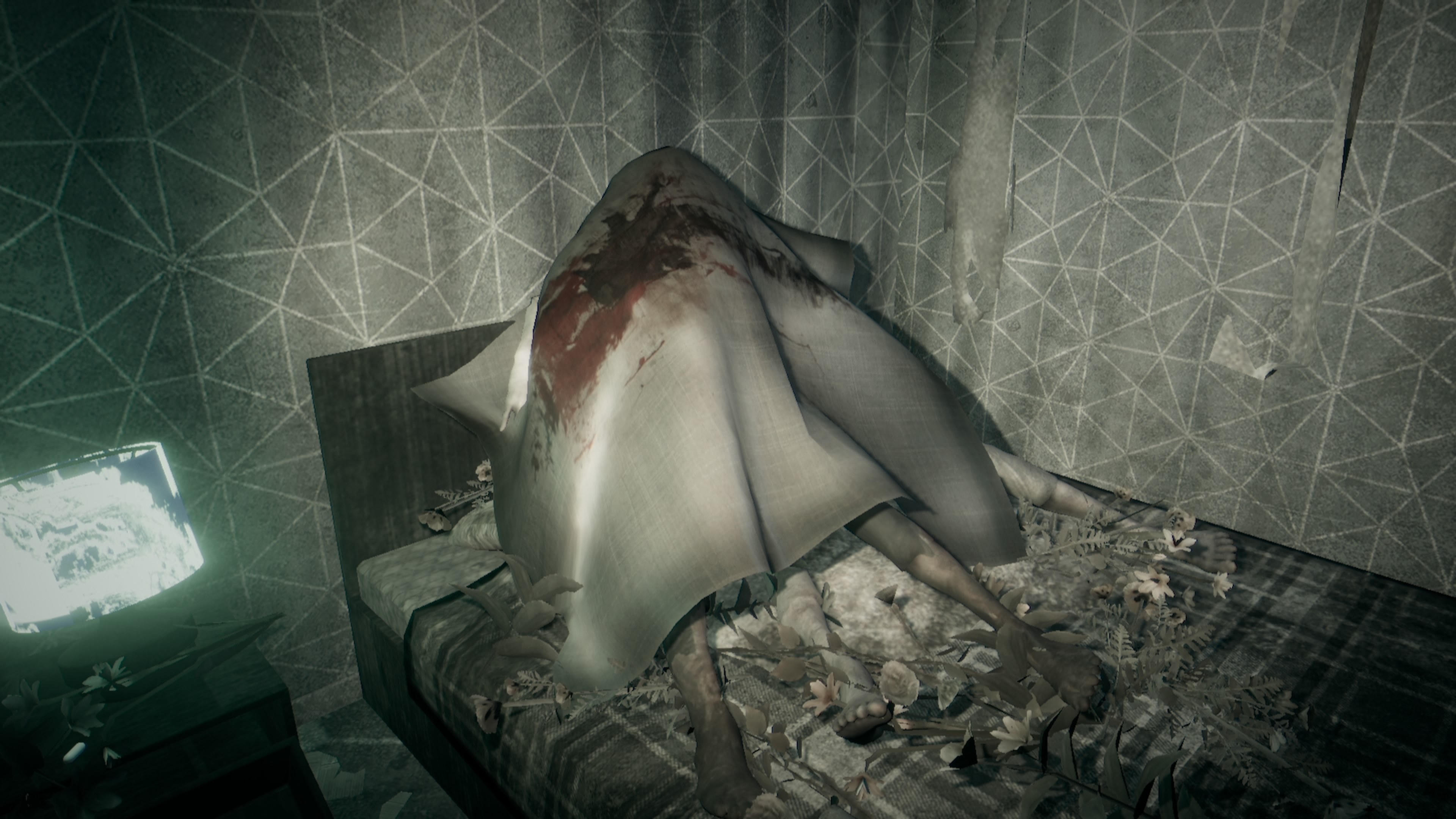
- Atmosphere: A masterful, rain-slicked, and melancholic take on the survival horror aesthetic.
- Setting: The British housing estate locale provides a refreshing and oppressive change of pace from traditional horror settings.
- Environmental Storytelling: A masterclass in using the environment to convey a narrative without relying on excessive exposition.
Weaknesses:
- Clumsy Mechanics: The reliance on fixed cameras and tank-like controls, while intentional, often crosses the line from "challenging" to "frustrating."
- Combat Inconsistency: Engaging with enemies often feels like a battle against the controls rather than the monster itself.
- Pacing Issues: Some puzzles and level designs suffer from repetition and lack of clarity.
In conclusion, Hollowbody stands as a bold, if flawed, tribute to the past. It is an essential play for genre enthusiasts, but it stands as a reminder that even the most cherished memories of our gaming history are often better when viewed through the lens of nostalgia rather than the reality of the controller.


 Asro
Asro
 Sagoh
Sagoh