Muslim
In the quiet, often overlooked corners of the natural world, architectural designer and visual artist Minhan Lin finds a narrative that spans eons. Her recent publication, Move Like Water, Still Like Rock, is more than a collection of photographs; it is a philosophical inquiry into the nature of permanence, movement, and the unseen energies that shape our environment. As a winner of the 2025 Booooooom Art & Photo Book Award, Lin has transitioned her observational practice into a tangible, printed format that challenges viewers to rethink the static nature of the earth beneath their feet.
The Intersection of Systems and Being
Minhan Lin is a practitioner who operates at the fertile intersection of ecological systems and the built environment. Based in New York City, her academic background—a Bachelor of Architecture from Tongji University and a Master of Science in Advanced Architectural Design from Columbia GSAPP—informs a unique design philosophy. Her work does not merely exist within a space; it seeks to facilitate coexistence and cohabitation across all species, human and non-human alike.
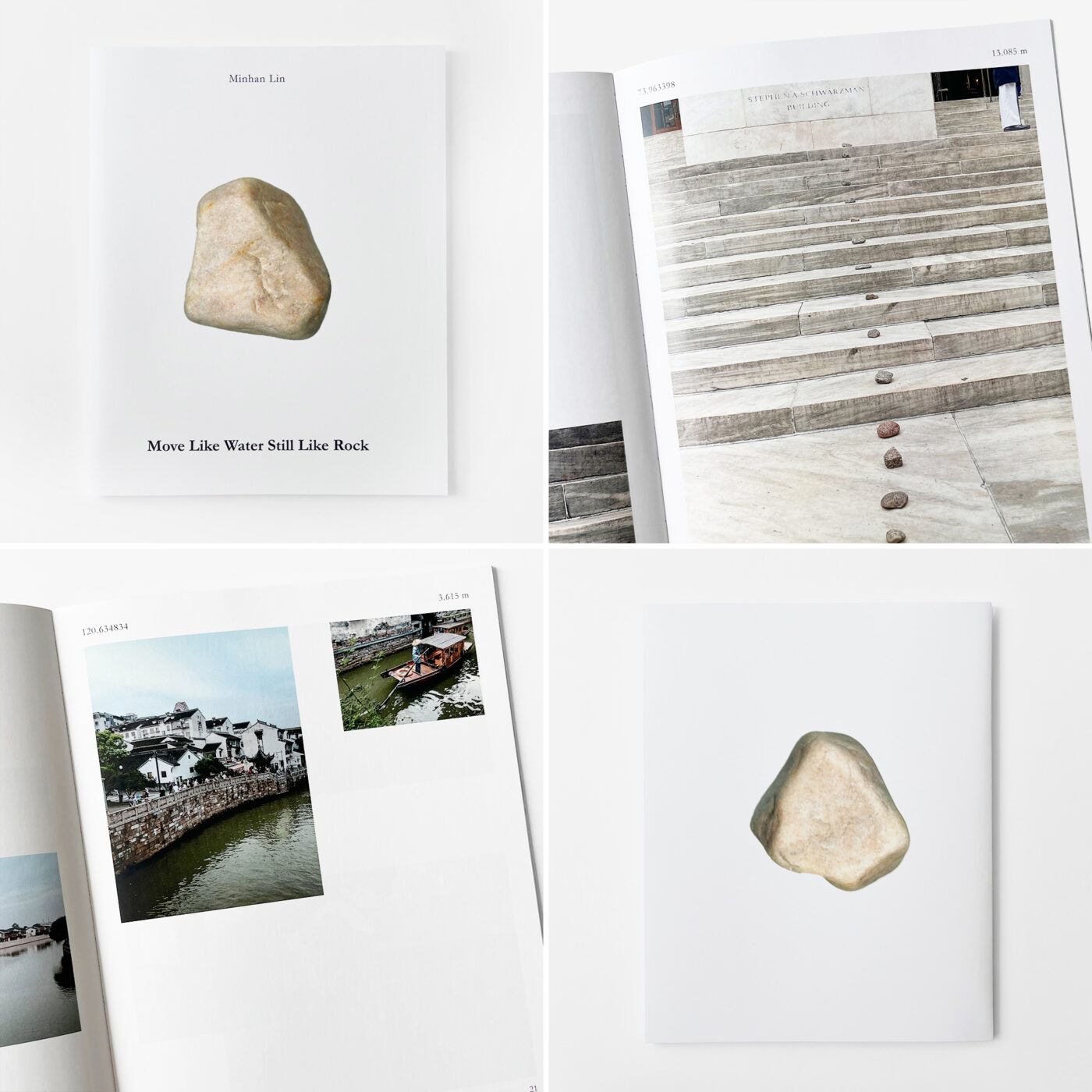
For Lin, design is an act of empathy. Her research into how structures can serve as conduits for ecological life leads her to explore "futures of coexistence." This ethos is at the heart of her award-winning zine, where the humble rock is transformed from a silent, inert object into a vibrant, shifting record of terrestrial history.
Chronology: A Path to Understanding Stillness
Lin’s journey toward this project was not linear, but rather a process of accumulation—much like the geological formations she studies.
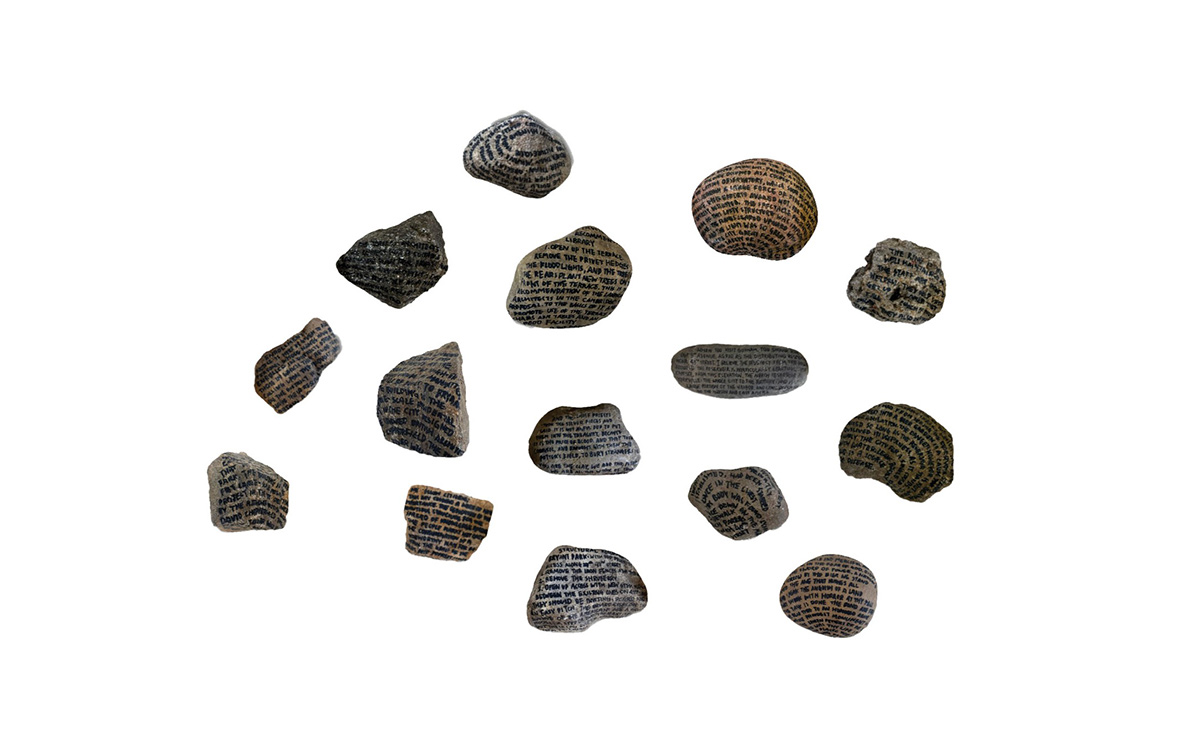
- Formative Years: Growing up, Lin’s environment was characterized by unconventional spatial relationships, including living in a home where the balcony dwarfed the interior room. This early exposure to the relationship between living space and the outdoors, combined with a steady diet of cartoons, helped foster a creative mind that prioritized imaginative, fluid landscapes.
- Academic Refinement: During her graduate studies at Columbia GSAPP, Lin began to formalize her interest in the intersection of architecture and biology. It was here that she developed her focus on designing spaces for multispecies coexistence, such as her work involving the integration of terrapins into urban human habitats.
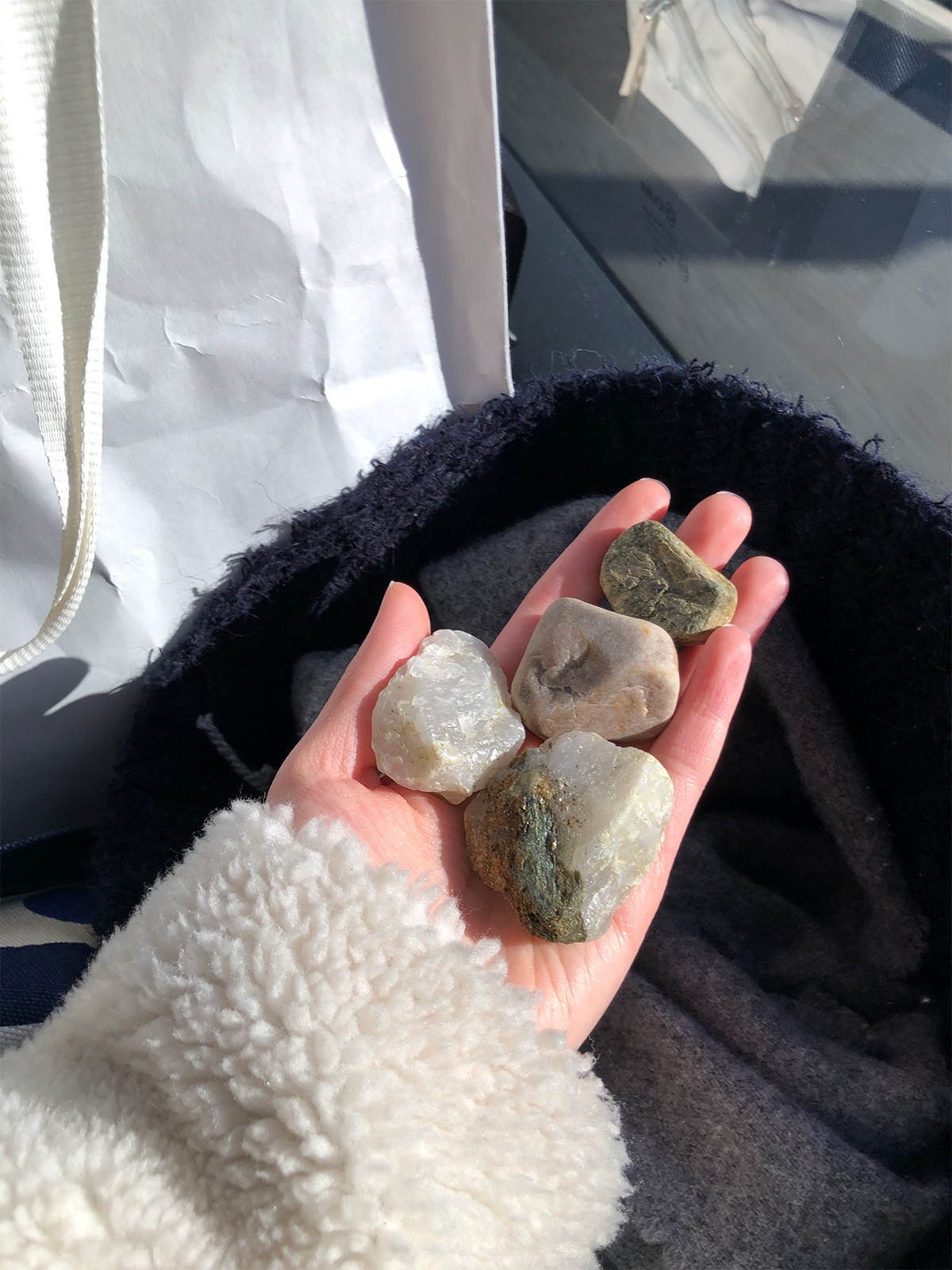
- The "Aha" Moment: While working on a project exploring the binary of "stillness vs. movement," Lin encountered the paradox of the rock. She began with the assumption that rocks are the ultimate example of stasis. Upon closer inspection, however, she realized that rocks are, in fact, records of intense movement—pressure, wind, water, and gravity.
- The Archive: Upon realizing this, Lin revisited her personal photo archives and discovered she had been documenting rocks for years without consciously identifying them as her primary subject.
- 2025 Recognition: Her synthesis of these ideas, titled Move Like Water, Still Like Rock, was selected for the 2025 Booooooom Art & Photo Book Award, leading to a collaboration with Bookmobile to produce the final zine.
Supporting Data: The Philosophy of Flux
The core of Lin’s work relies on a shift in perspective. In a recent interview, she articulated why viewing rocks as "records of movement" is essential for modern design.
"The scale of time, distance, and space in nature is very different from what I, as a human, am used to," Lin explains. "The formation of a rock, for example, is a kind of continuous movement. A grain of sand can, over a long period of time and through pressure, become part of a rock. It’s a process we rarely witness, but it is always happening."
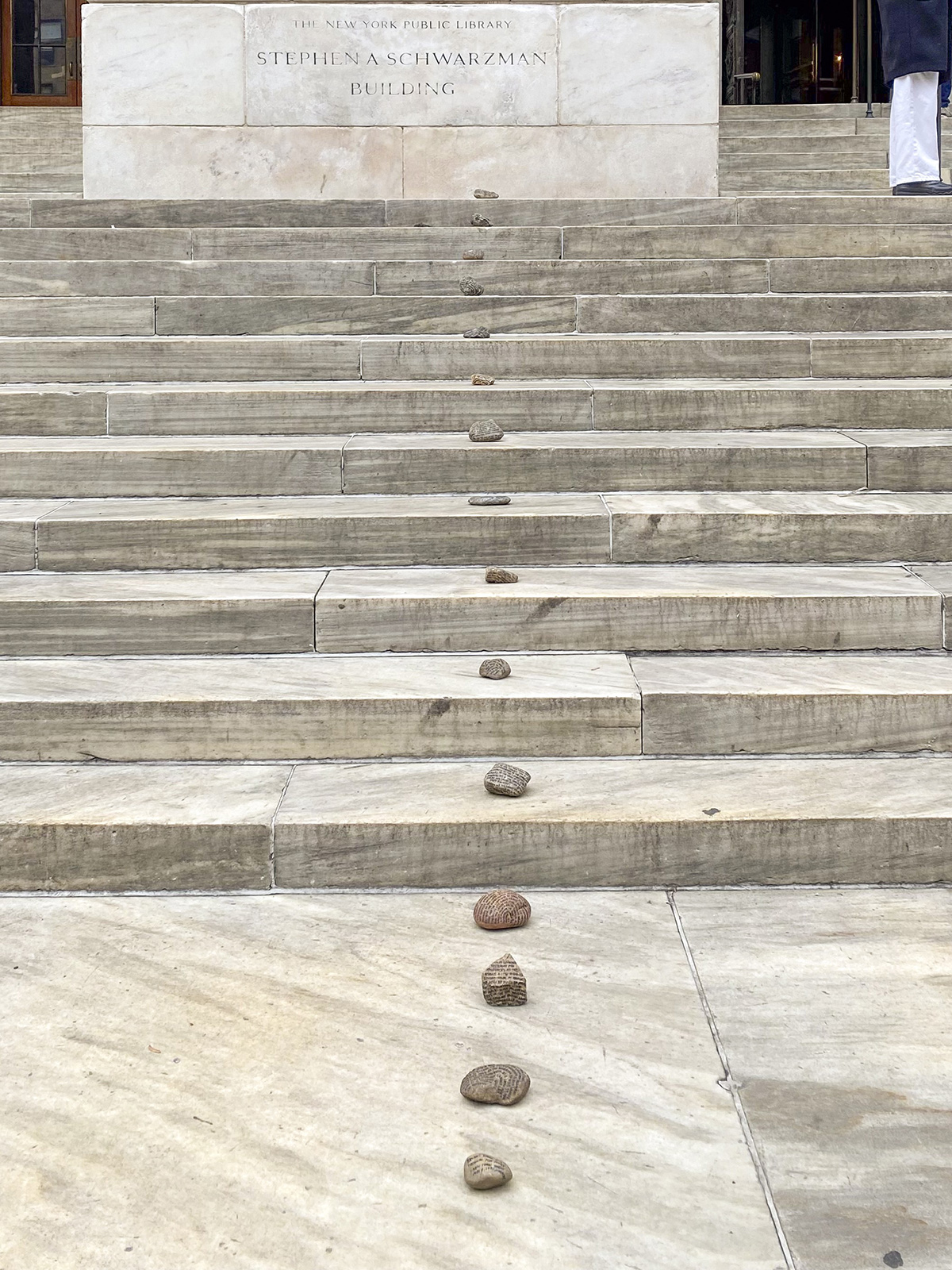
This perspective has profound implications for how we view our own existence. If a rock—a symbol of permanence—is actually a process in flux, then the human experience of time becomes similarly fluid. Lin’s photography serves as a visual bridge, helping the viewer move away from a "fixed" view of the world toward a mindset of "possibility and openness."
Official Responses and Creative Process
When asked about her creative methodology, Lin highlights a duality of instinct and intention. "The ideas usually come instinctively. I tend to follow a feeling before I can fully explain it, but once I start making or creating, I become much more intentional about how things are communicated."
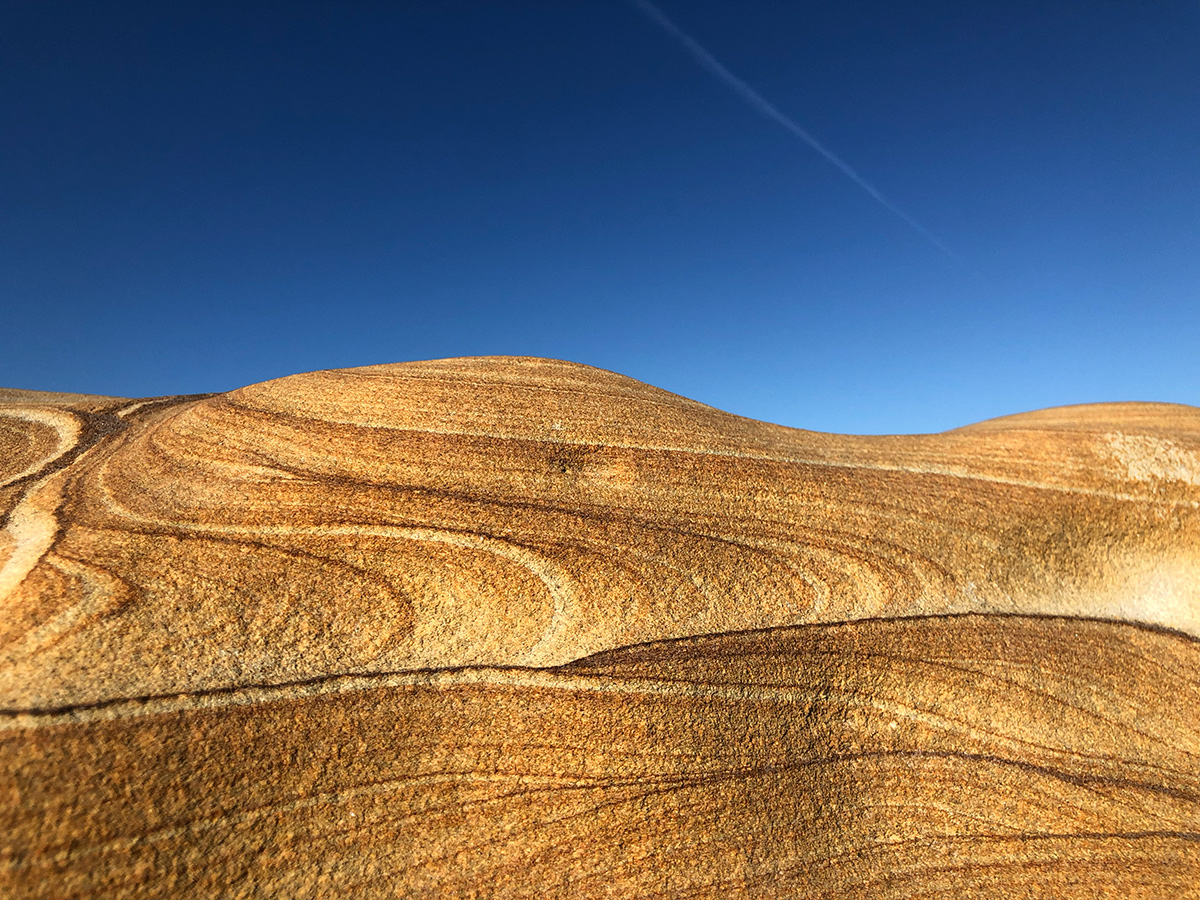
This balance is reflected in her daily habits. She cites her daily walks in local parks as a vital source of inspiration. By slowing down her pace, she notices the subtle shifts—the play of light, the movement of leaves, the cycles of growth and decay—that reinforce her belief that there is always more occurring than the human eye immediately perceives.
Her advice to other creatives, distilled from the teachings of her studio instructor Michael Wang, is to practice extreme clarity. "Whenever I feel stuck," she notes, "I summarize my project in five sentences. It helps me find direction without overthinking. Most of the time, I already have everything I need to move forward."
Implications: Designing for the Future
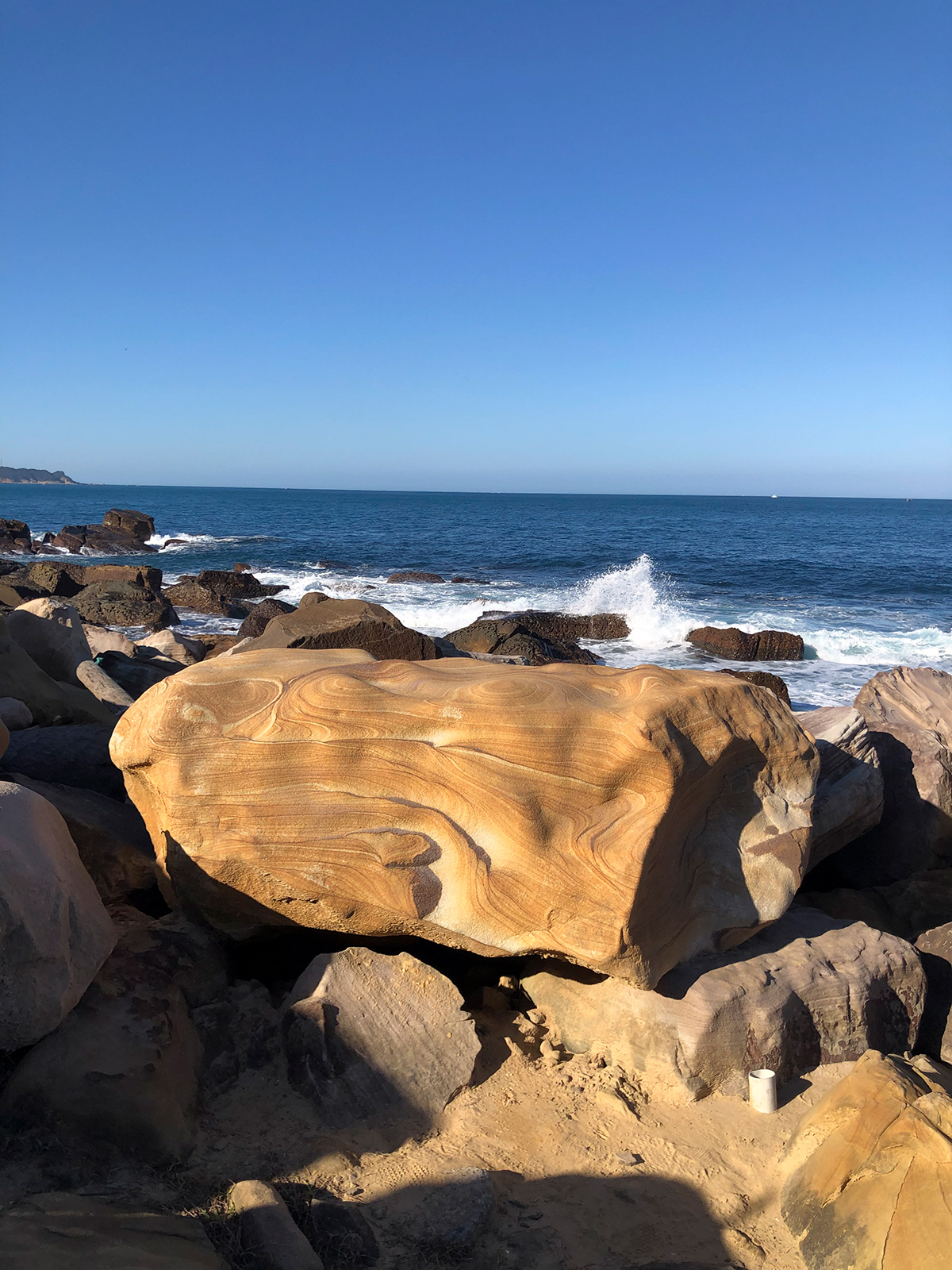
The implications of Lin’s work extend far beyond the pages of her zine. By encouraging viewers to feel a sense of "slowness," she is advocating for a more deliberate interaction with the natural world. In an era of rapid technological advancement and urban density, her focus on the "unseen energies" of the environment offers a necessary counter-narrative.
A Call to Coexistence
Lin’s long-term goal is to maintain her curiosity and deepen her empathy toward all forms of life. This is not merely a poetic sentiment; it is a design directive. Whether she is working on architectural plans or capturing the erosion patterns of a stone, her objective remains consistent: to create environments where the human experience does not overshadow the ecological reality.
The Role of the Zine in Contemporary Art
The success of Move Like Water, Still Like Rock underscores the power of the zine format in contemporary discourse. By turning her research into a portable, tactile object, Lin allows her philosophy to reach a wider audience than a standard architectural thesis might. It invites the reader to take a journey, to pause, and perhaps, to view themselves as part of the same geological continuum they are observing.
Looking Forward
As Minhan Lin continues to balance her professional career as a landscape and architectural designer with her artistic pursuits, her trajectory suggests a significant contribution to the field of ecological design. She represents a generation of designers who refuse to separate the "built" from the "organic."
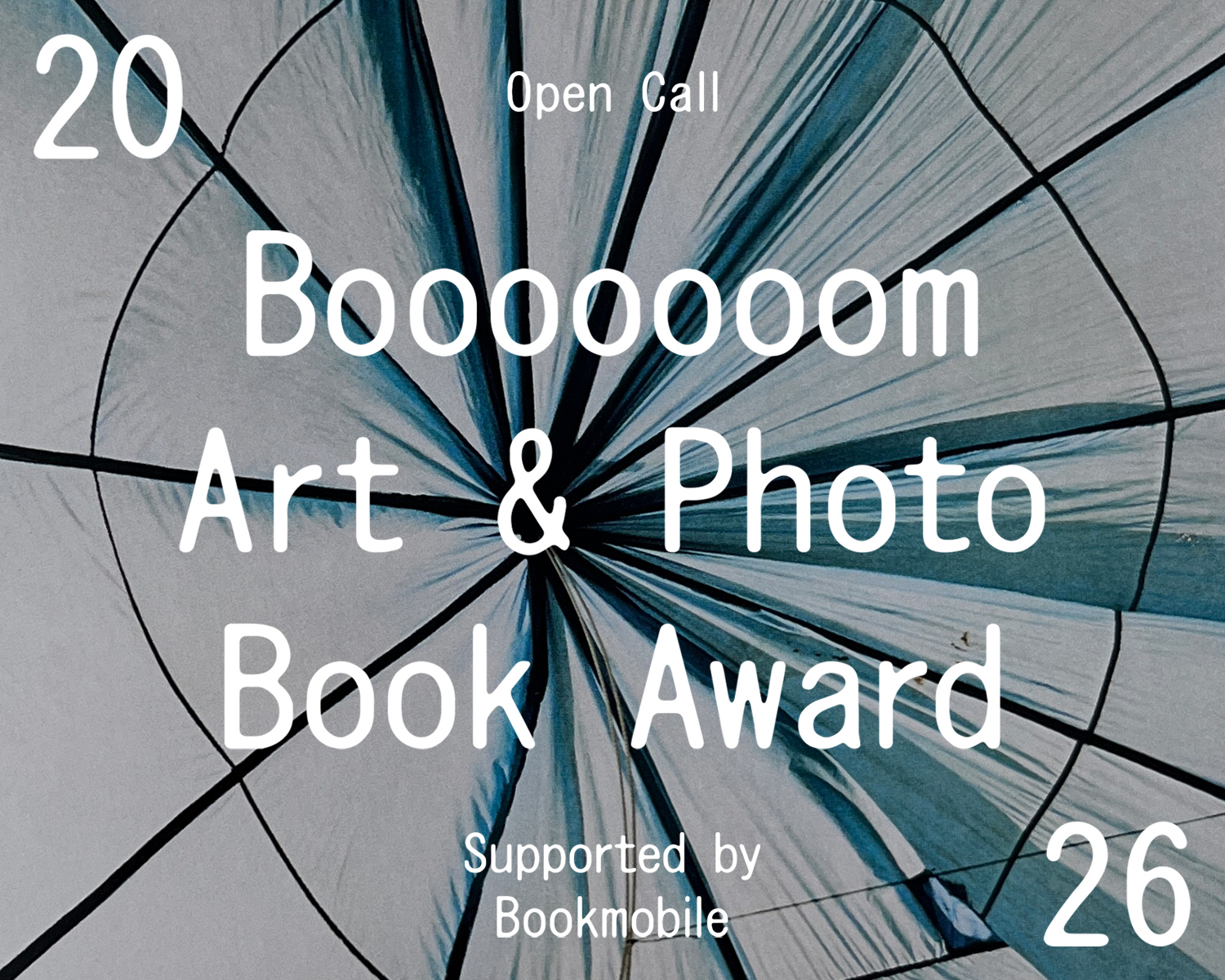
For those interested in exploring these themes, or perhaps contributing their own vision to the discourse, the 2026 Booooooom Art & Photo Book Awards serve as a platform for similar voices to emerge. As Lin’s work proves, the most profound stories are often found in the most silent, enduring objects—if only we are willing to look at them long enough to see the movement beneath the surface.
Through her work, Minhan Lin reminds us that we are all, in a sense, rocks: constantly changing, continuously forming, and forever in motion.


 Asro
Asro
 Sagoh
Sagoh