

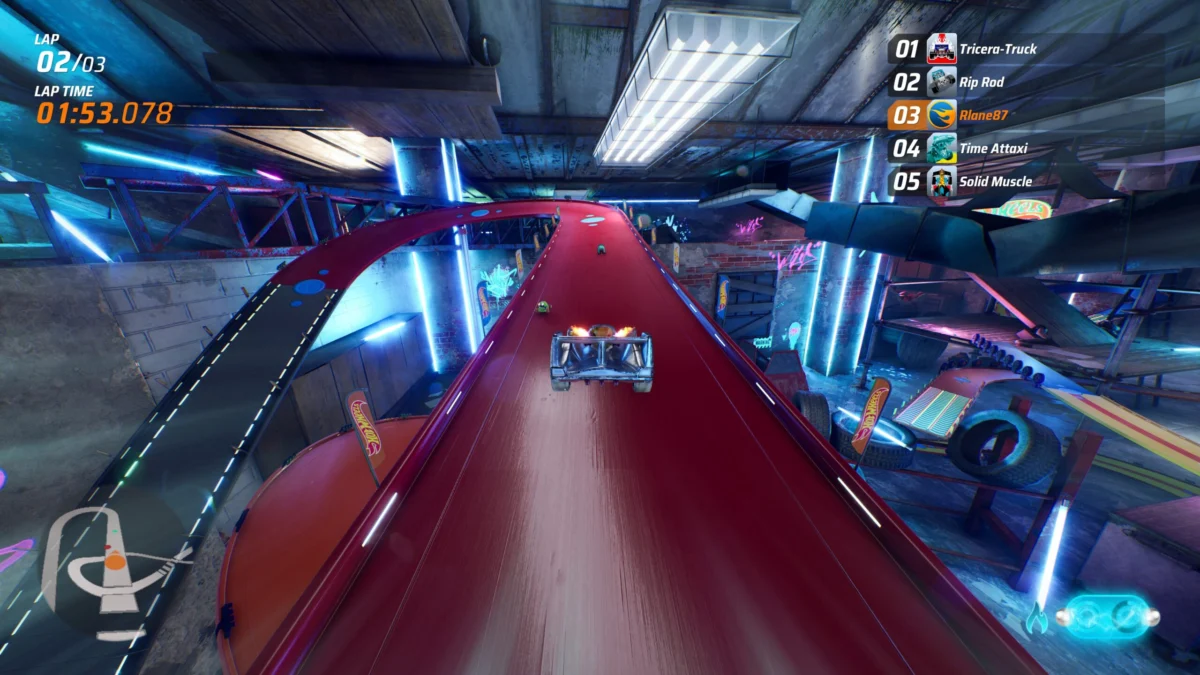
In the pantheon of arcade racing, few franchises possess the inherent nostalgia and kinetic potential of Hot Wheels. For decades, the brand has defined childhood imagination through its iconic orange track segments and eccentric, gravity-defying vehicle designs. With Hot Wheels Unleashed, developer and publisher Milestone has attempted to translate this plastic-and-zinc magic into a high-octane digital experience. The result is a surprisingly robust, visually arresting, and deeply addictive arcade racer that punches well above its weight class.
Available on PC, PlayStation 5, Xbox Series X/S, PlayStation 4, Xbox One, and Nintendo Switch for £39.99, Hot Wheels Unleashed serves as a love letter to the toy line, blending the precision-less fun of Micro Machines with the high-speed thrill of Burnout and the track-building ingenuity of Trackmania.
Main Facts: The Mechanics of Miniature Mayhem
At its core, Hot Wheels Unleashed is a celebration of momentum. The gameplay loop is deceptively simple: players navigate 68 distinct vehicles—ranging from licensed classic Chevys and Formula 1 racers to outlandish fantasy creations like the "Motosaurus"—across tracks built within hyper-realistic domestic environments.
The Driving Model
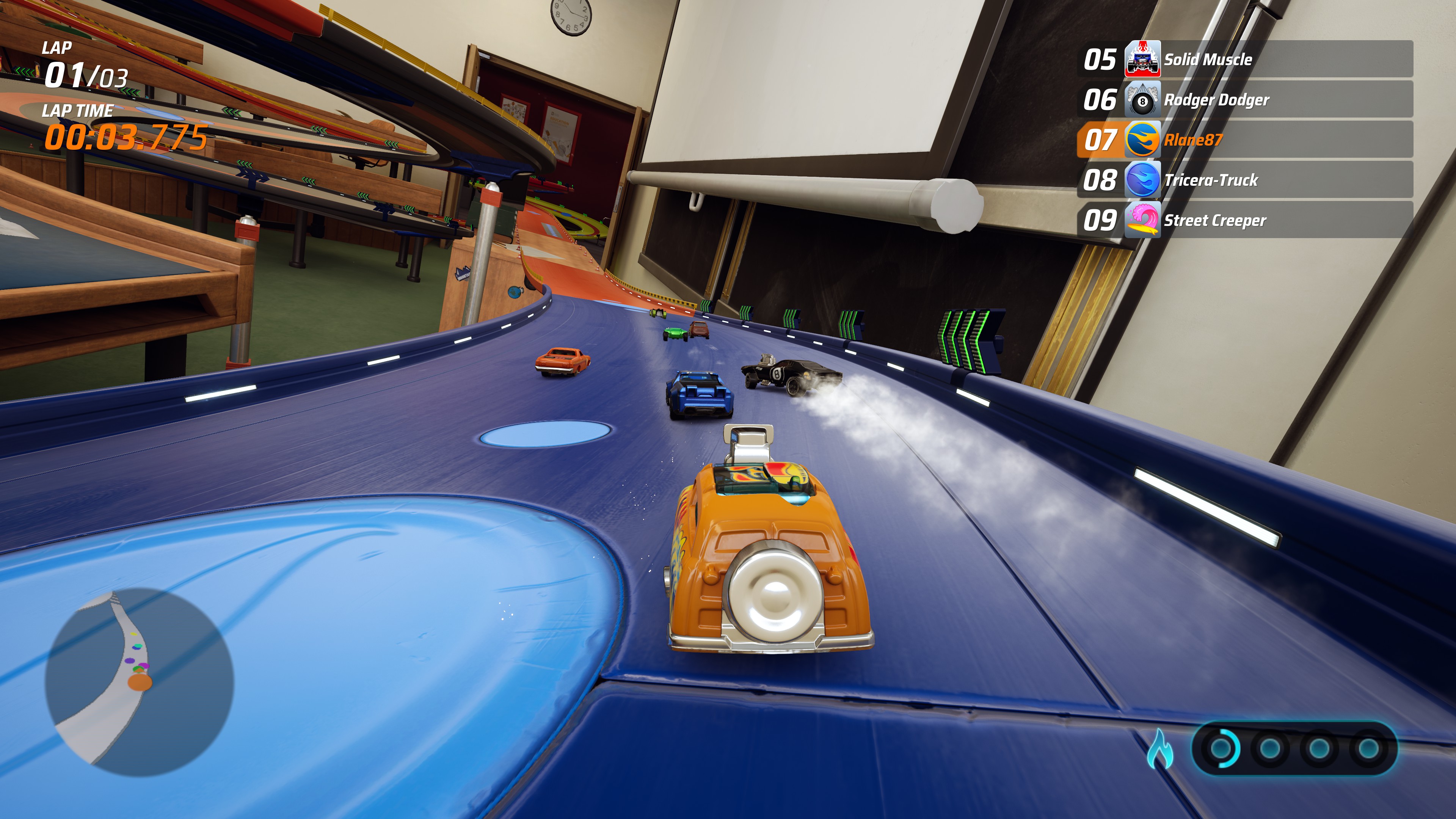
The physics engine prioritizes accessibility without sacrificing depth. Acceleration is constant, but success is dictated by a sophisticated drift-and-boost system. Drifting through corners isn’t just a stylistic choice; it is a tactical necessity to refill a boost meter that can propel vehicles forward with explosive, "zinc-alloy" force. Players must balance the specific handling characteristics of their chosen vehicle against the hazards of the track, ensuring that their drift trajectories remain true, lest they plummet off the track’s edge.
The Presentation
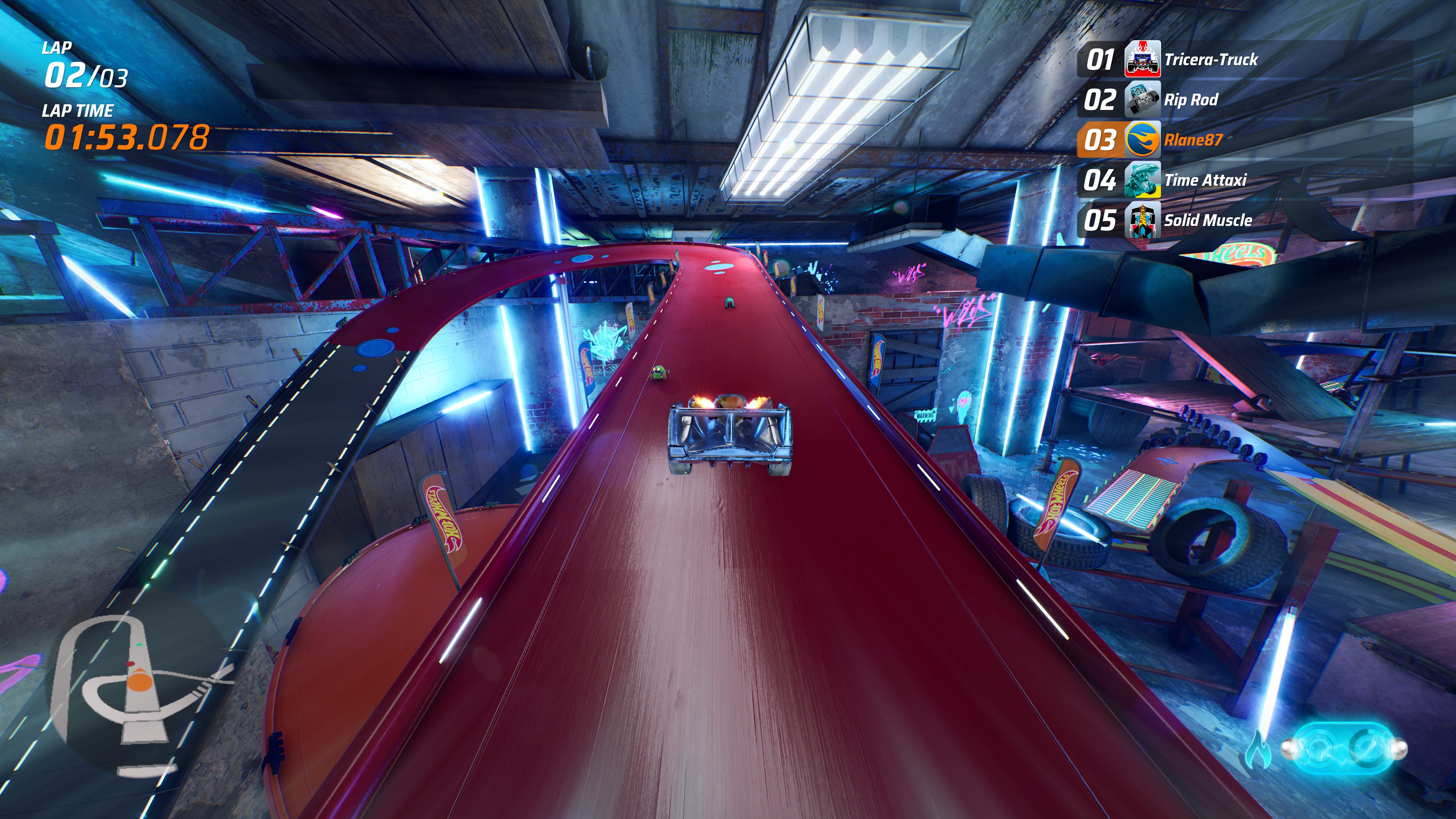
Milestone has excelled in the visual department. The environments—ranging from a cluttered basement to a skyscraper under construction—are rendered with such meticulous detail that the player’s vehicle feels appropriately "to-scale." Rather than feeling small, the world feels monolithic; racing beneath a pool table or through a chest of drawers imbues the game with a sense of scale that is both imaginative and grounded in reality.
Chronology: From Loot Boxes to Big City Rumble
The user experience of Hot Wheels Unleashed is a tale of two distinct phases: the disconcerting introduction and the subsequent, expansive gameplay loop.
The Opening Stumble
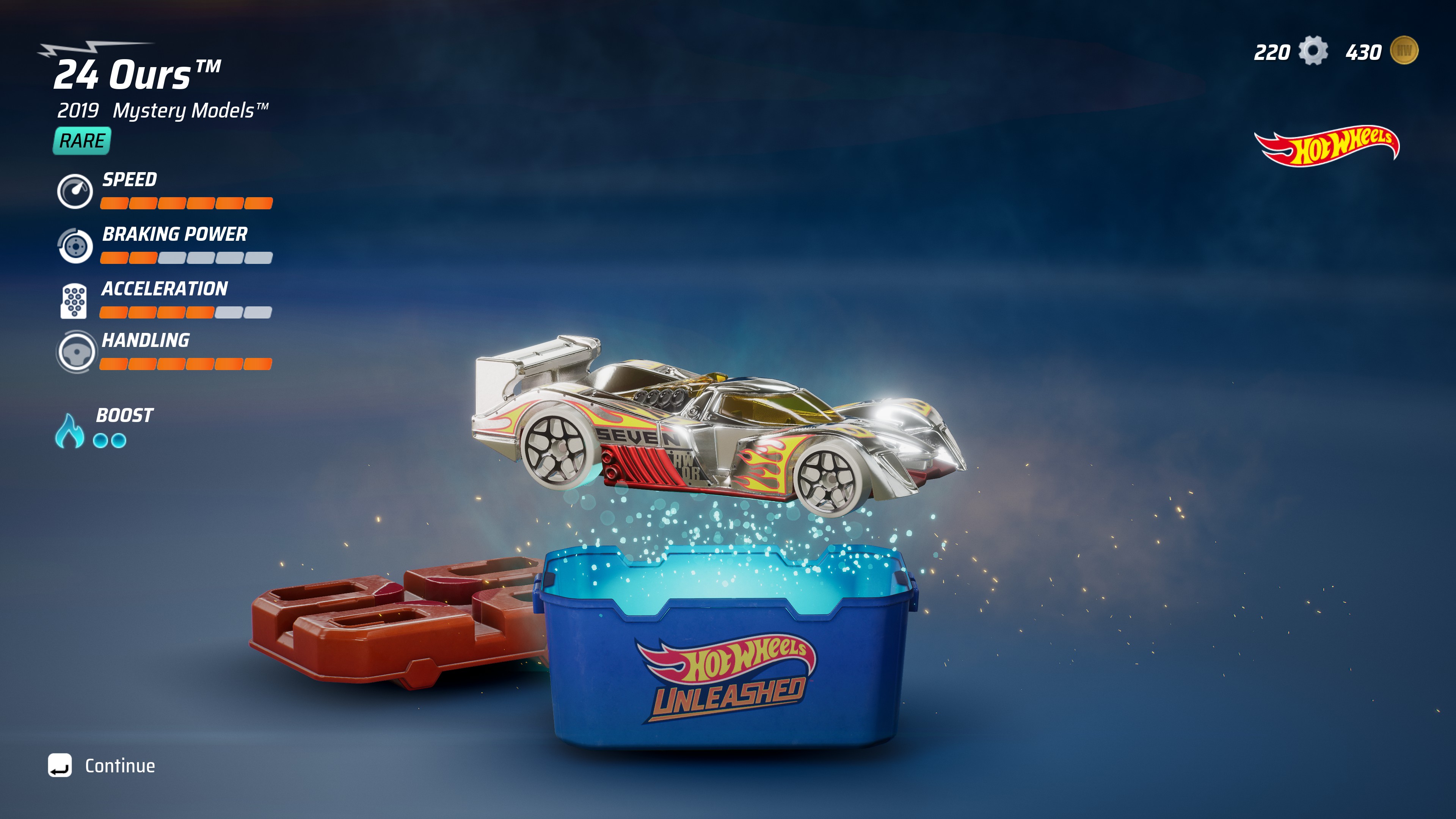
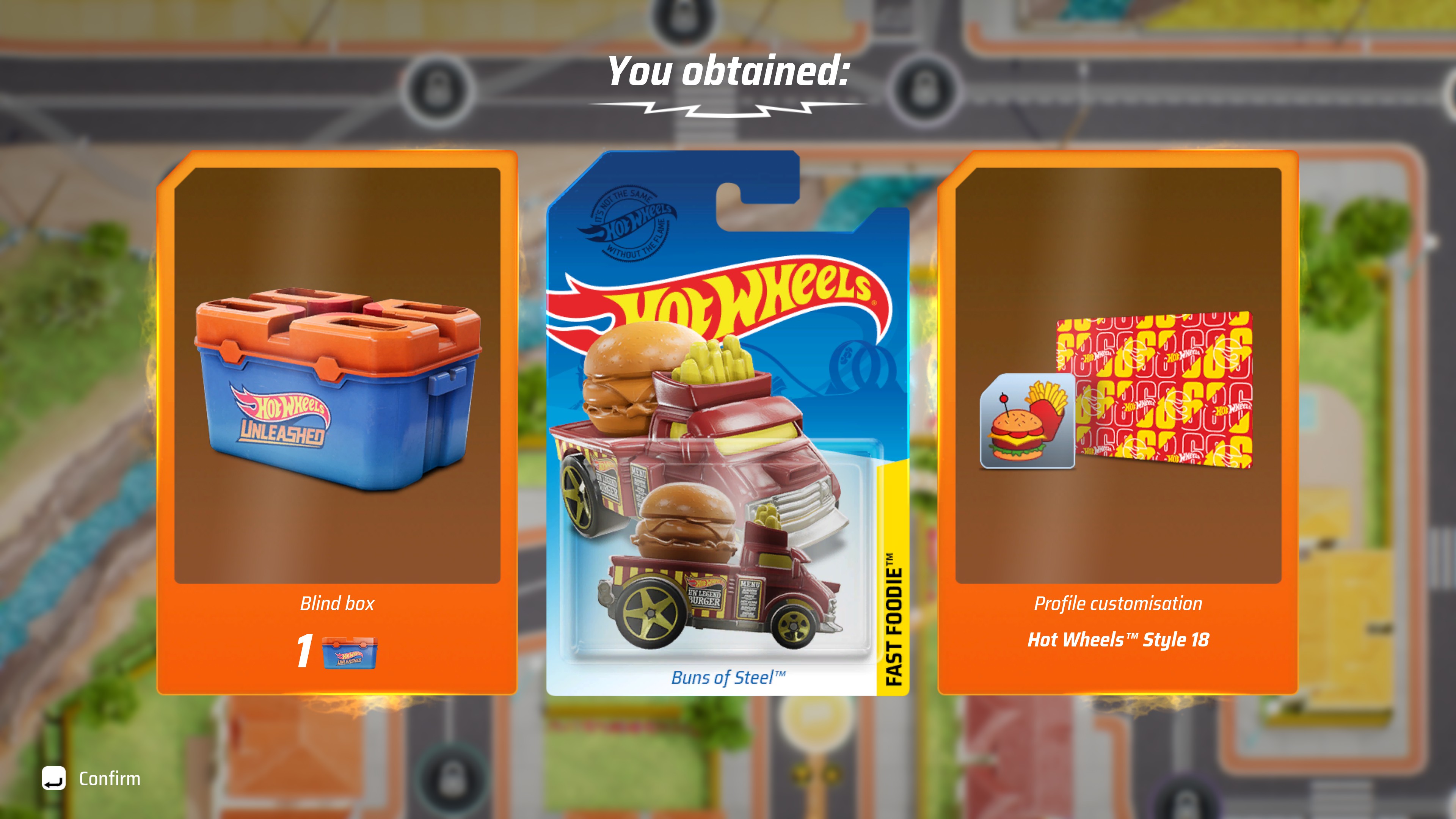
Upon launching the game, players are greeted with an immediate, front-facing inclusion of "Blind Boxes"—the game’s version of loot boxes. While the developers are generous with these rewards and offer alternative ways to unlock vehicles, the choice to highlight this mechanic before the main menu is, at best, a tactical error. It casts a shadow of cynicism over an otherwise charming title, potentially alienating players who are wary of microtransaction-heavy design philosophies.
The Learning Curve
Once the tutorial begins, the experience shifts dramatically. Dropped into a serpentine circuit built inside a Skate Park, players are quickly acquainted with the game’s fundamentals. By the conclusion of the three-lap introductory race, the mechanics of boosting, drifting, and managing verticality—such as navigating loops that require precise speed management—become second nature.
Big City Rumble
The single-player campaign, dubbed "Big City Rumble," provides the primary structure for progression. Eschewing a traditional linear menu, players explore a top-down map divided into nodes. These nodes represent a variety of challenges:
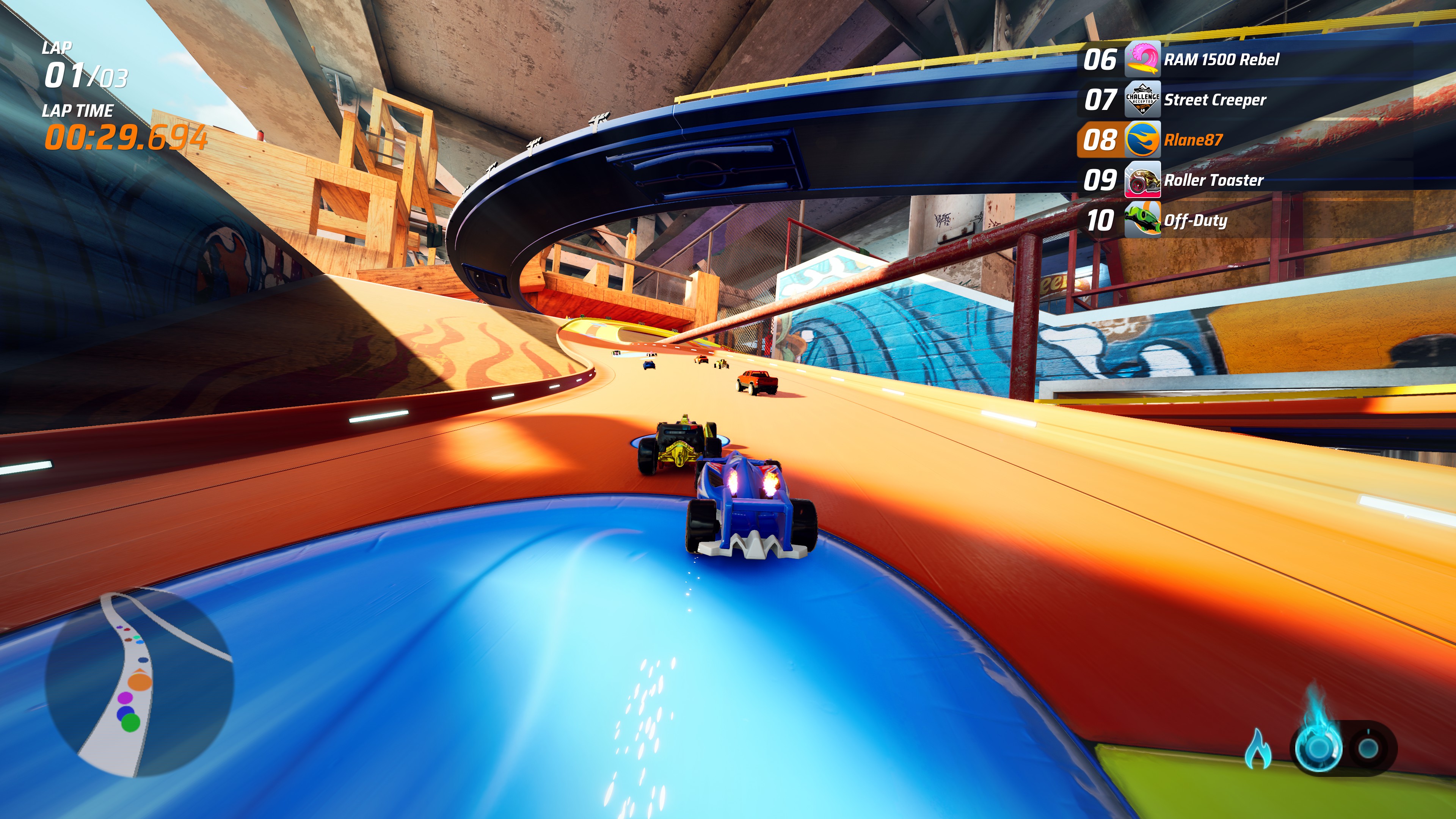
- Standard Races: High-speed bouts against 11 AI opponents.
- Time-Attack Challenges: Tests of efficiency and pathing.
- Boss Races: The crown jewels of the campaign. These extended, multi-lap events feature unique environmental hazards, such as acid pools that deplete boost meters or alternating conveyor belts, serving as the ultimate test of a player’s mastery.
Supporting Data: Strengths and Strategic Gaps
To understand the long-term viability of Hot Wheels Unleashed, one must look at both the density of its content and the limitations of its infrastructure.
The Vehicle Ecosystem
The 68-car roster is a masterclass in variety. The design team has successfully categorized these vehicles by performance metrics. Race-oriented cars offer superior top speeds but smaller boost capacities, while "novelty" vehicles act as anchors, providing massive boost reserves to compensate for their looser, more unpredictable handling. This creates a strategic layer where players can choose their "loadout" based on the specific track’s layout.
Environmental Limitations
While the tracks themselves are imaginative, the game suffers from a lack of environmental diversity. Despite a wide variety of track configurations, there are only five primary "arenas" in which these circuits take place. This results in a repetitive aesthetic that can, over time, dampen the excitement of discovery. Furthermore, the track hazards—while brilliant in their execution—do not evolve enough. The inclusion of web-shooting spiders was a highlight that left many critics wanting more: the game possesses the foundation for increasingly eccentric obstacles but often plays it too safe.
Official Responses and Developer Intent
Milestone has positioned Hot Wheels Unleashed as a live-service-lite title, betting heavily on the community to extend its lifespan. In official statements regarding the post-launch support, the developers have highlighted the robust Track Editor as the cornerstone of the game’s longevity.
The editor allows players to construct their own circuits, utilize the game’s various gravity-defying segments, and import them for the global community to play. By offloading the burden of content creation onto the player base, Milestone hopes to mitigate the potential stagnation caused by the limited number of base arenas.
However, silence remains regarding the "anaemic" multiplayer features. The current lack of AI drivers in multiplayer matches, combined with the absence of public servers and sophisticated matchmaking filters, remains a point of contention for the competitive racing community.
Implications: The Future of Arcade Racing
The success of Hot Wheels Unleashed carries significant implications for the arcade racing genre.
A Return to Form
After years of simulation-heavy racers dominating the market, Unleashed proves there is a ravenous appetite for pure, unadulterated arcade fun. It is not trying to replicate the complexity of Forza Horizon 4 or the technical depth of Gran Turismo; instead, it focuses on the "joy of play."
The Barrier of Entry
The primary implication for future updates is the necessity of addressing the "multiplayer desert." Without AI to fill the gaps in empty lobbies, the game risks becoming a ghost town once the initial single-player content is exhausted. If Milestone intends to maintain a consistent player base, they must pivot toward adding standard modern-day racing features—namely, server browsers and improved matchmaking protocols.
Final Assessment
Despite its flaws, Hot Wheels Unleashed is a triumph of design. It captures the essence of a childhood staple and elevates it into a competitive, stylish, and highly replayable racing title. It is a big plastic tub filled with die-cast joy, and while a few "loose nuts" in the development—namely the loot box presentation and the lack of multiplayer depth—prevent it from achieving absolute perfection, it remains the most exciting arcade racer released in recent memory.
For those who grew up racing these tiny vehicles across living room floors, the game offers a profound, high-speed trip down memory lane. For everyone else, it is a reminder that the best games don’t always need to be hyper-realistic; sometimes, they just need to be fast, fun, and capable of performing a death-defying loop-the-loop.












No comments yet. Be the first to join the conversation!