Dwi Wanna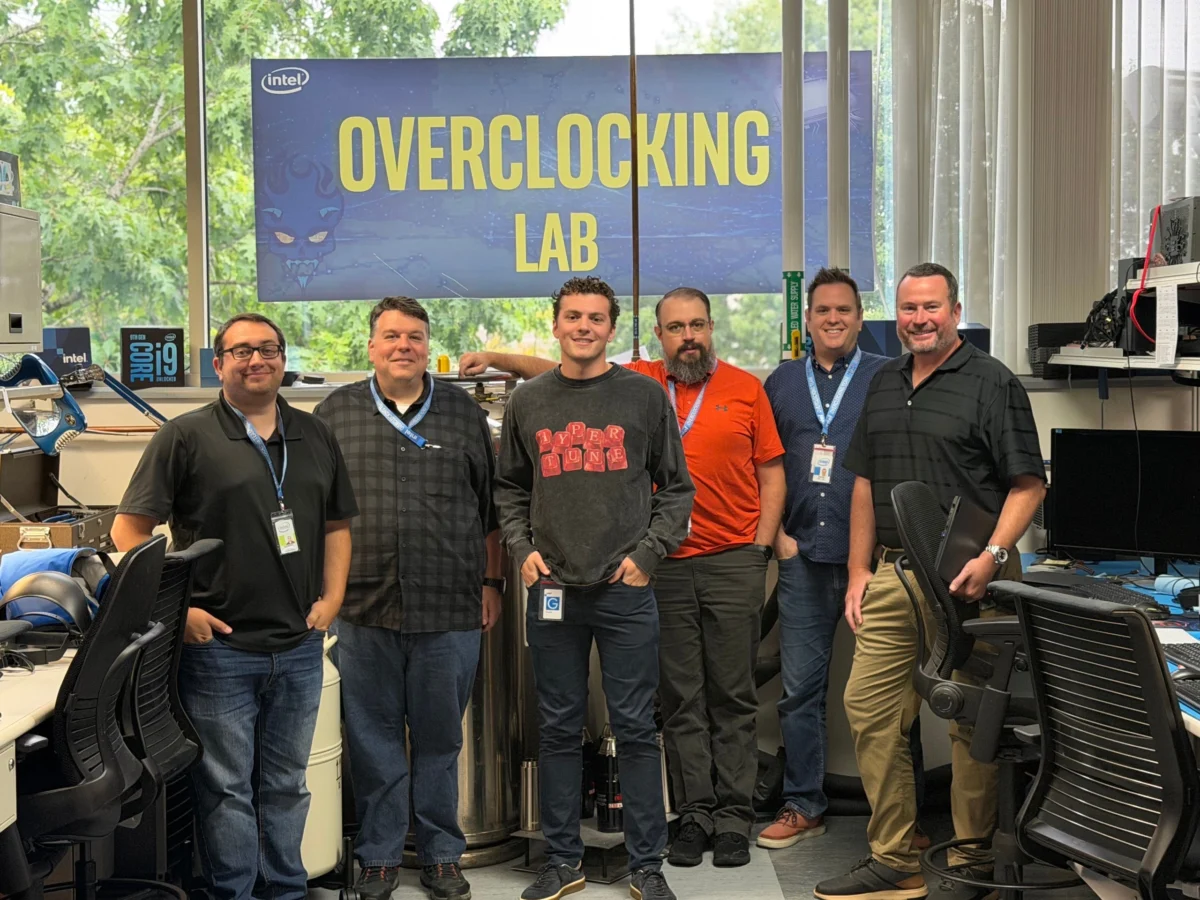
The landscape of PC performance optimization has long been dominated by two distinct camps: the DIY enthusiast, armed with BIOS settings and third-party monitoring software, and the casual gamer, who prefers a "plug-and-play" experience. Bridging this gap has become the holy grail for software developers. Enter Hypertune, a new Gaming Performance Engineering platform that has officially exited an extensive early-access period—which saw participation from over 60,000 users—to bring automated, granular system tuning to the masses.
Built on the bedrock of Intel’s Extreme Tuning Utility (XTU) SDK and developed in close collaboration with the chip giant, Hypertune promises to extract "hidden" performance from your hardware. The company makes bold claims, citing potential frame rate increases of up to 60%. However, as with any automated overclocking utility, the reality of these gains requires a more nuanced examination.
The Evolution of Automated Tuning: What is Hypertune?
Hypertune is not merely a "one-click" overclocking tool that blindly pushes voltage and clock speeds. According to the company, the software is designed to evaluate each supported system individually, mapping out the unique thermal and electrical characteristics of the installed CPU and GPU. Rather than relying on generic, "one-size-fits-all" profiles that often result in system instability, Hypertune claims to conduct a bespoke analysis of the user’s specific hardware configuration.
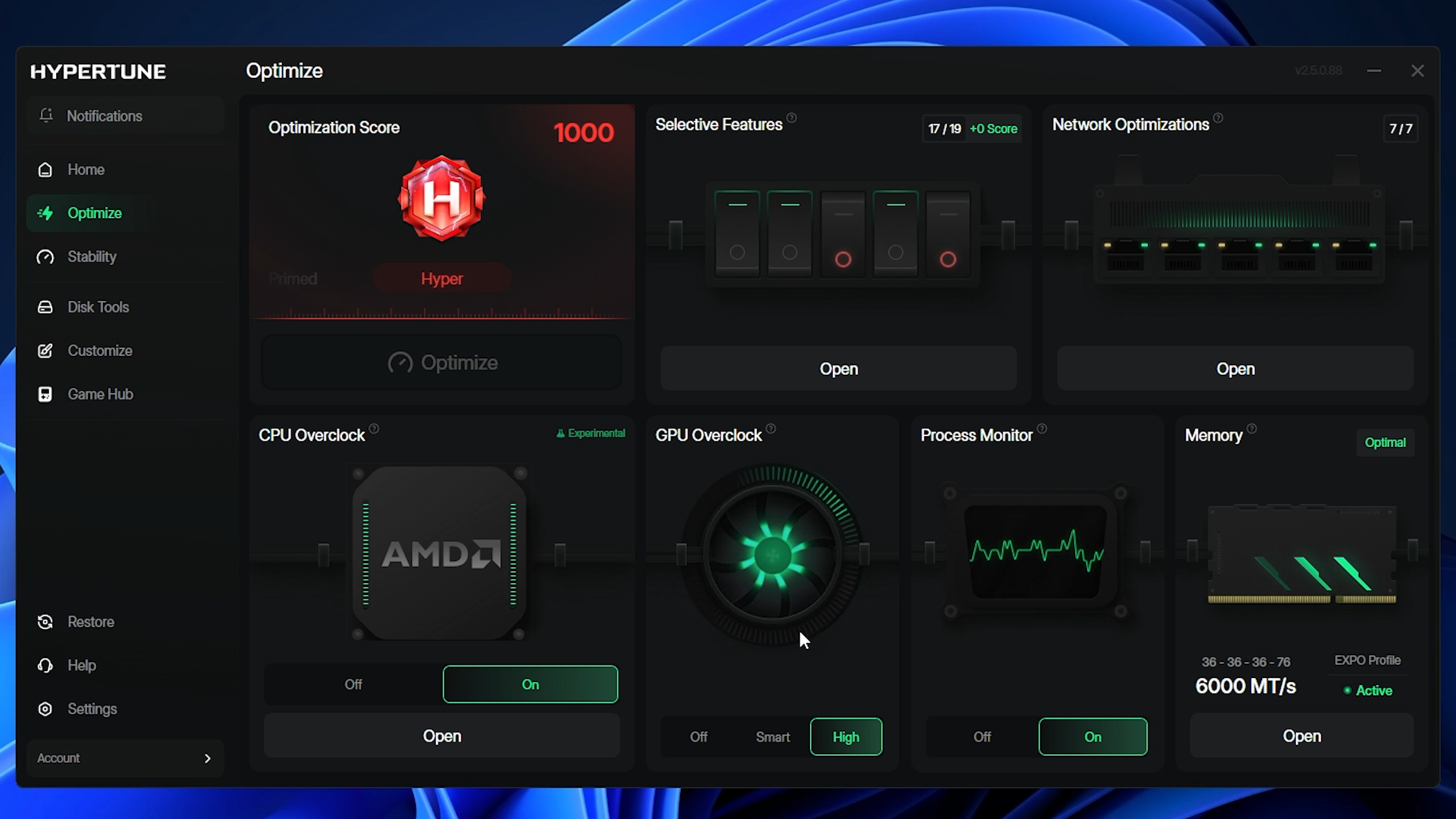
The platform is a comprehensive suite, incorporating:
- Automated CPU and GPU Overclocking: Utilizing Intel’s proprietary SDK to manage clock speeds and power limits safely.
- Windows Feature Optimization: Adjusting OS-level settings, such as power plans and high-performance scheduling, to minimize input lag and latency.
- Network Optimization: Tweaking background traffic to prioritize gaming packets.
- Game-Specific Hub: A feature that automatically adjusts in-game graphics settings to balance visual fidelity with maximum frame rates.
The development of this software saw input from industry stalwarts, including a collaboration with noted overclocker Pieter Plaisier, better known by his handle, "SkatterBencher." This partnership suggests that the underlying logic of the software is rooted in professional-grade tuning methodologies, even if the end-user interface is simplified for the mainstream audience.
A Chronology of Development and Public Reception
The journey to launch for Hypertune has been characterized by a quiet, data-driven approach. During the extended early access phase, the company prioritized stability and compatibility, ensuring that the software could interface safely with various motherboard chipsets and anti-cheat protocols.
The transition from a closed beta to a full commercial release marks a shift in strategy. Hypertune is now positioning itself as a premium service rather than a free utility. With a subscription model priced at $9.99 per month or $59.99 per year, the company is betting that gamers value their time—and the potential for "set-it-and-forget-it" performance—enough to pay for it.
Furthermore, the company has introduced an "Expert Tuning" service. For an $80 flat fee, users can request a remote session with a technician who will manually fine-tune their system. This hybrid approach—combining automated software with a human-in-the-loop expert service—highlights the company’s intent to cater to both the novice looking for a quick boost and the enthusiast looking for a professional touch.
Analyzing the Data: Do the Performance Claims Hold Up?
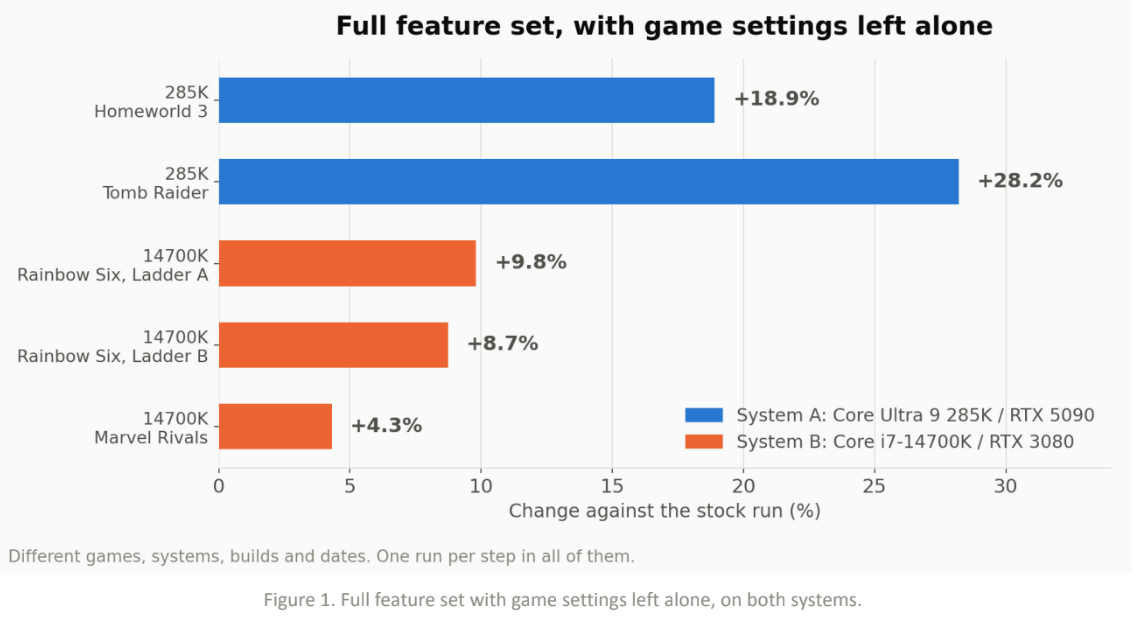
The efficacy of automated tuning is the subject of constant debate in the PC building community. Hypertune has provided internal benchmark data to substantiate its claims, testing two distinct hardware configurations to demonstrate the potential uplift.
Test Configuration A: The High-End Enthusiast
- CPU: Intel Core Ultra 9 285K
- GPU: NVIDIA GeForce RTX 5090
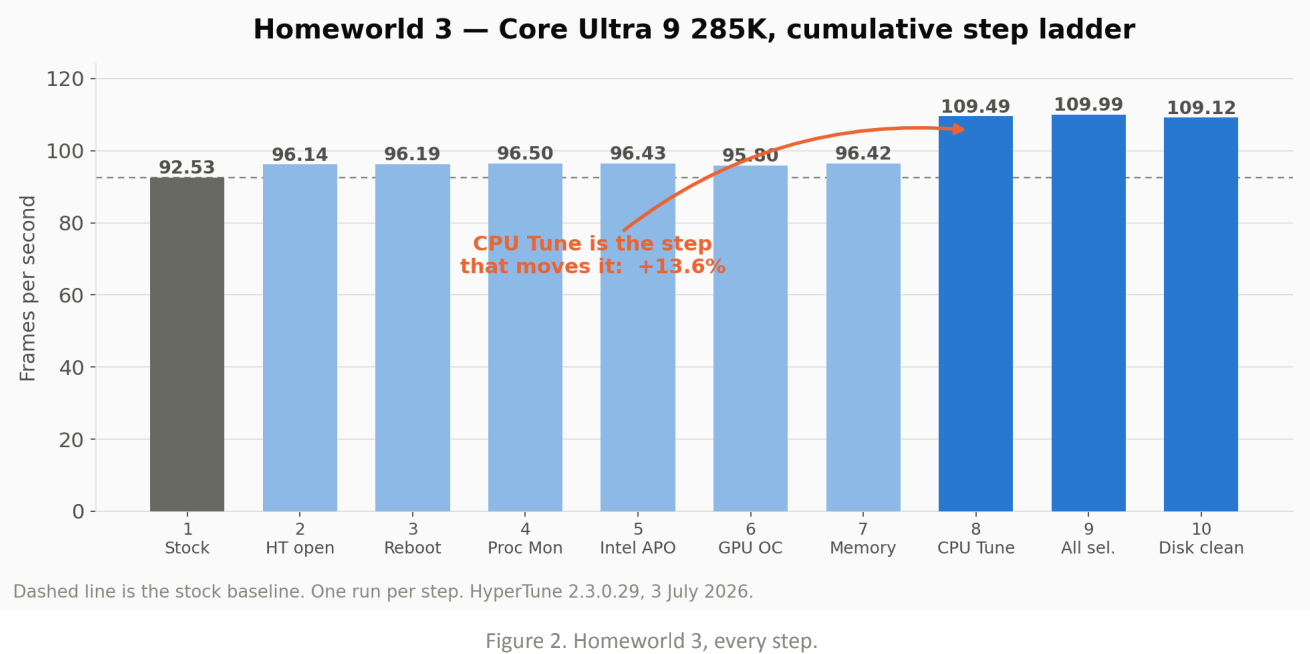
- Results: In Homeworld 3, the software recorded an 18.9% improvement in frame rates. In Tomb Raider, the gains were even more pronounced, reaching 28.2%.
Test Configuration B: The Mid-Range Gaming Rig
- CPU: Intel Core i7-14700K
- GPU: NVIDIA GeForce RTX 3080
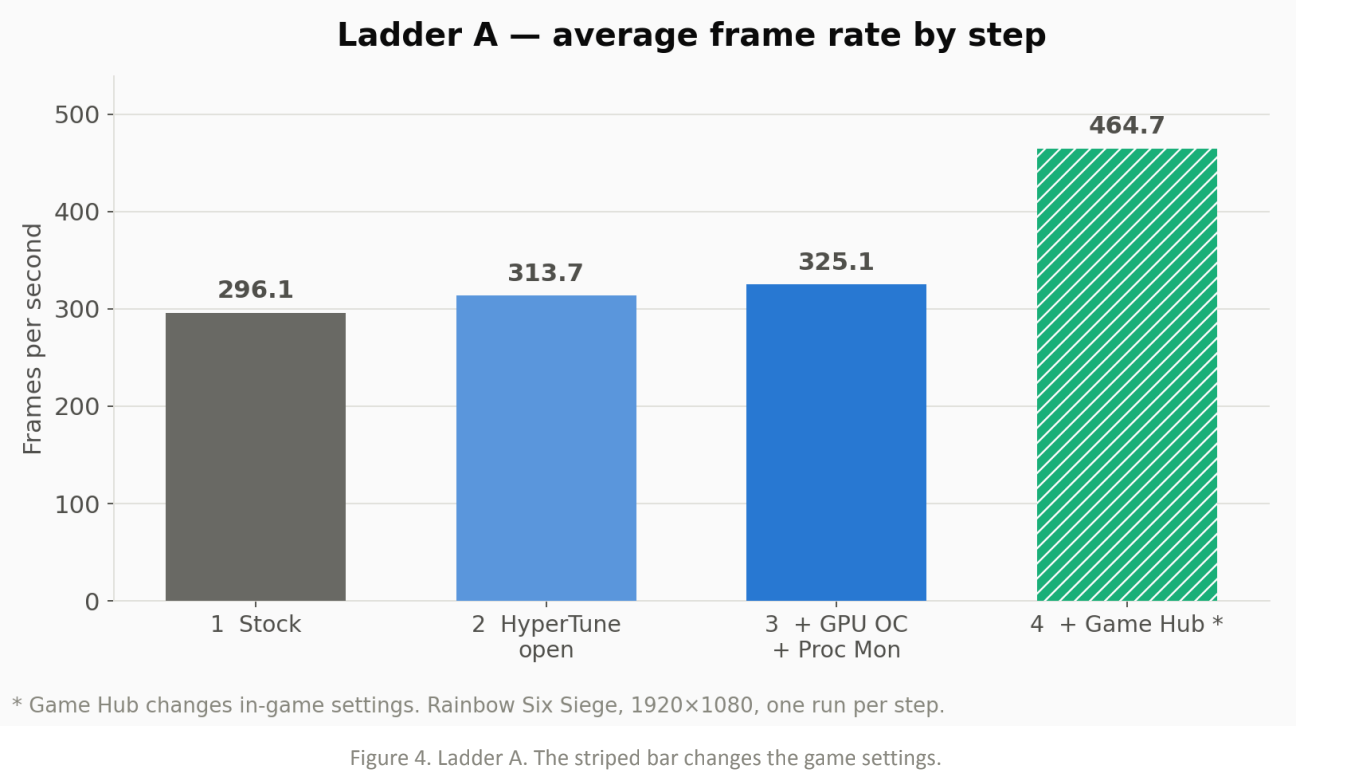
- Results: In Rainbow Six Siege, the system saw a 9.8% performance boost, while Marvel Rivals showed a more modest 4.3% increase.
A Critical Caveat: It is important to note that these gains are cumulative. A significant portion of the performance increase, particularly in titles like Rainbow Six Siege, was attributed to the "Game Hub" feature. This module functions similarly to GeForce Experience or AMD Adrenalin, modifying in-game graphical presets to reduce the rendering load. Consequently, users could achieve similar results by manually lowering shadows or ambient occlusion settings.
Furthermore, the performance uplift is heavily hardware-dependent. As seen in the Marvel Rivals data, some titles see negligible gains. The most significant improvements were observed in CPU-bound titles like Homeworld 3, where the Core Ultra 9 285K had sufficient thermal and electrical headroom for the software to safely push higher frequencies.
Expert Perspectives and Philosophical Implications
Hypertune founder Austin Copeland, known in the esports world as "Apex" for his time coaching TSM’s Valorant teams, has been vocal about the target demographic for the software. "We are not trying to build a tool for overclockers," Copeland stated in a recent press release.
This is a crucial distinction. The target user is not someone who spends their weekends stress-testing with Prime95 or tweaking LLC (Load Line Calibration) in the BIOS. Instead, it is aimed at the competitive gamer who wants to ensure their machine is operating at its theoretical peak without having to learn the nuances of silicon lottery or voltage offsets.
The software is also designed with a "non-destructive" philosophy. By using the Intel XTU SDK, the changes applied by Hypertune are fully reversible and adhere to safe operational parameters provided by the chip manufacturer. Furthermore, the company has taken pains to ensure compatibility with major anti-cheat software, including Riot Vanguard and Easy Anti-Cheat, which often flag unauthorized system modifications as potential threats.
The Implications of Subscription-Based Optimization
The release of Hypertune raises a broader question regarding the future of PC gaming utility software. Traditionally, tools like MSI Afterburner or Intel XTU have been free of charge. By gating performance optimization behind a subscription model, Hypertune is testing the market’s appetite for "Software-as-a-Service" (SaaS) in the hardware space.
The Value Proposition
- Pros: Access to expert-level tuning without the steep learning curve; safe, automated, and reversible settings; and time-savings for users who do not want to spend hours benchmarking.
- Cons: A recurring cost for something that can theoretically be achieved for free; lack of transparency regarding the "7-day free trial" (users have reported billing issues upon signup); and the diminishing returns of overclocking on modern, already-optimized hardware.
Modern processors and GPUs are increasingly "out-of-the-box" optimized. Technologies like Intel’s Thermal Velocity Boost (TVB) and NVIDIA’s GPU Boost 5.0 already push hardware to its thermal and power limits automatically. Consequently, there is often very little "left on the table" for software to reclaim, making the potential for massive 60% gains (as hinted in the marketing) unlikely in the vast majority of real-world scenarios.
Conclusion: Is Hypertune Right for You?
Hypertune is a sophisticated piece of software that represents a significant leap forward in user-friendly system tuning. Its integration with Intel’s SDK and its focus on safety make it a safer alternative for the average consumer compared to manual overclocking, which carries the risk of system crashes or hardware damage.
However, users should approach the platform with tempered expectations. If you are an enthusiast, you are likely already capable of achieving these optimizations through free, manual means. If you are a novice, the value of the software depends on your willingness to pay for convenience.
As the industry continues to move toward automated, AI-driven performance optimization, Hypertune serves as an early pioneer in this space. Whether it becomes an essential tool in every gamer’s arsenal or remains a niche service for those with deep pockets and little time remains to be seen. For now, the best advice for any gamer remains the same: monitor your temperatures, update your drivers, and test your own system before paying for a subscription to automate what you might already be able to do yourself.


 Azzam Bilal Chamdy
 Nana Muazin