

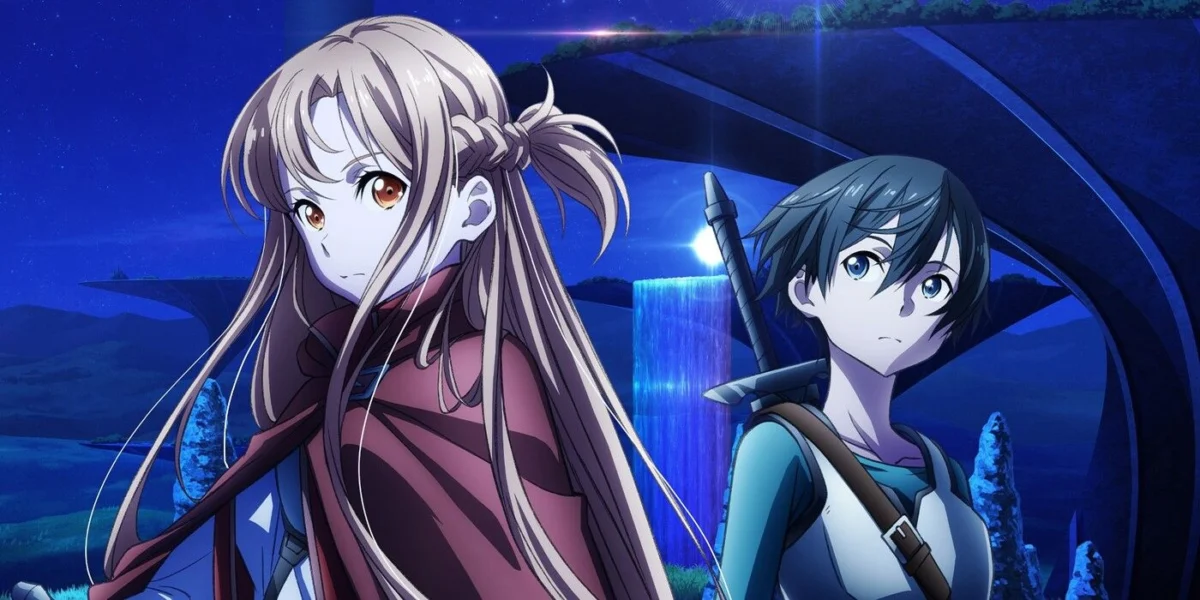
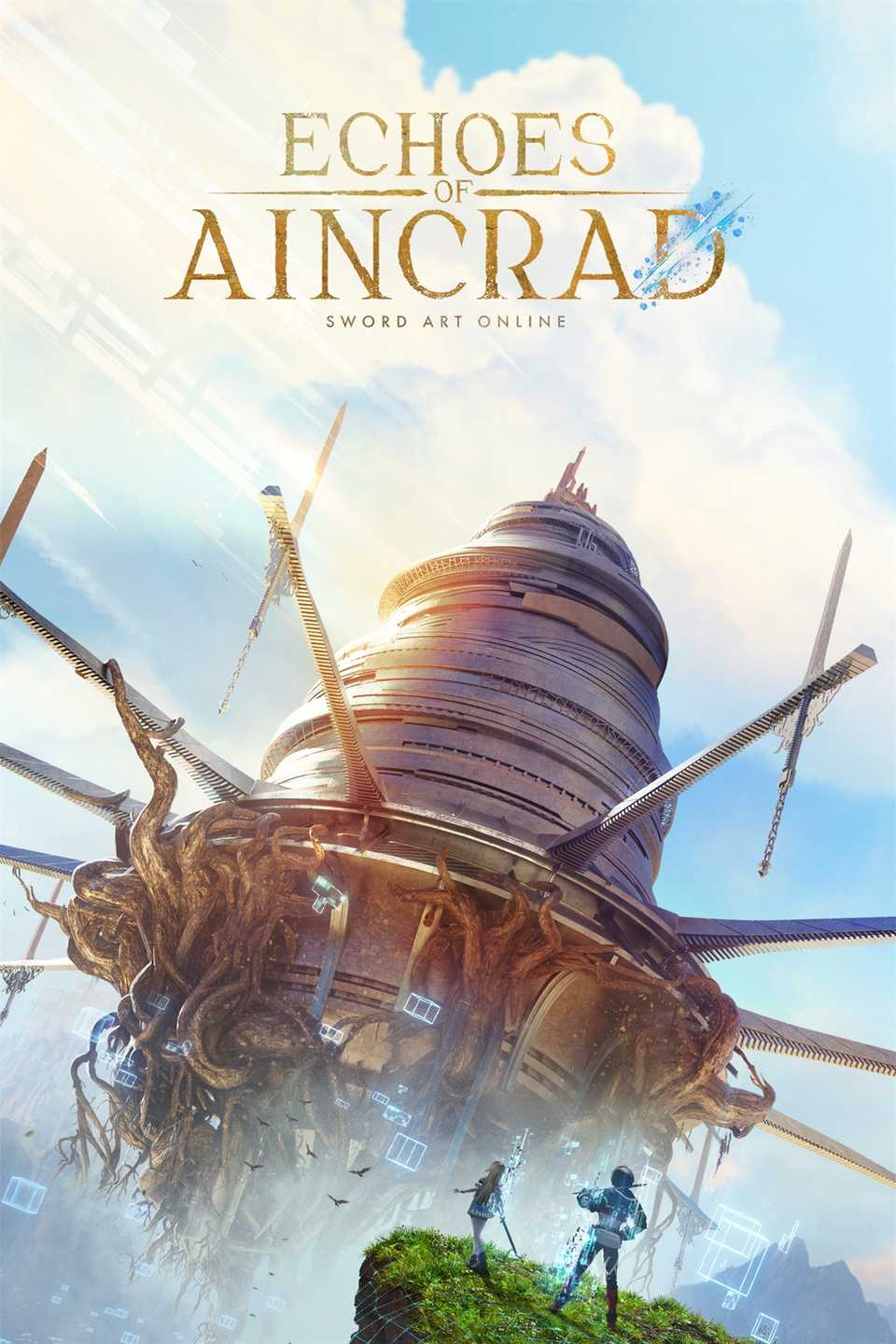
While the Sword Art Online (SAO) franchise has long since transcended its humble beginnings as a light novel series to become a global multimedia juggernaut, the landscape of its video game adaptations has been a tumultuous journey. As of mid-2026, the series finds itself at a crossroads. While the anime remains a powerhouse, the interactive gaming space has recently been dominated by the discourse surrounding Sword Art Online: Echoes of Aincrad. As the title suggests, the game attempts to transport players back to the high-stakes, life-or-death atmosphere of the original Aincrad arc. However, as the title approaches its full launch, the community is deeply divided on whether this latest effort is a return to form or a hollow echo of the series’ past.
The Weight of Expectation: A Franchise in Transition
For nearly a decade, Sword Art Online games have struggled to balance the complex, sprawling nature of the source material with the limitations of traditional RPG mechanics. Fans have often pointed to the "classic era"—the period during which the original Aincrad arc was the primary focus—as the series’ peak. There is a palpable nostalgia for the tension, the mystery, and the sense of isolation that defined the original death game.
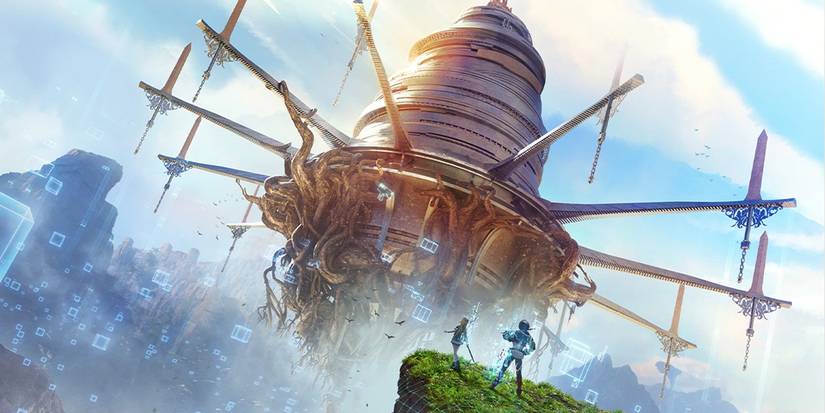
Echoes of Aincrad, published by Bandai Namco and developed by GameStudio Inc., was positioned as the definitive "return to the roots" experience. With a release date slated for July 10, 2026, the game is a linear, single-player JRPG that aims to strip away the experimental bloat of later spin-offs and focus on the core narrative of clearing the 100 floors of the floating castle. Yet, the road to this release has been paved with intense scrutiny from a fanbase that is increasingly weary of superficial tie-ins.
Chronology of a Controversial Rollout
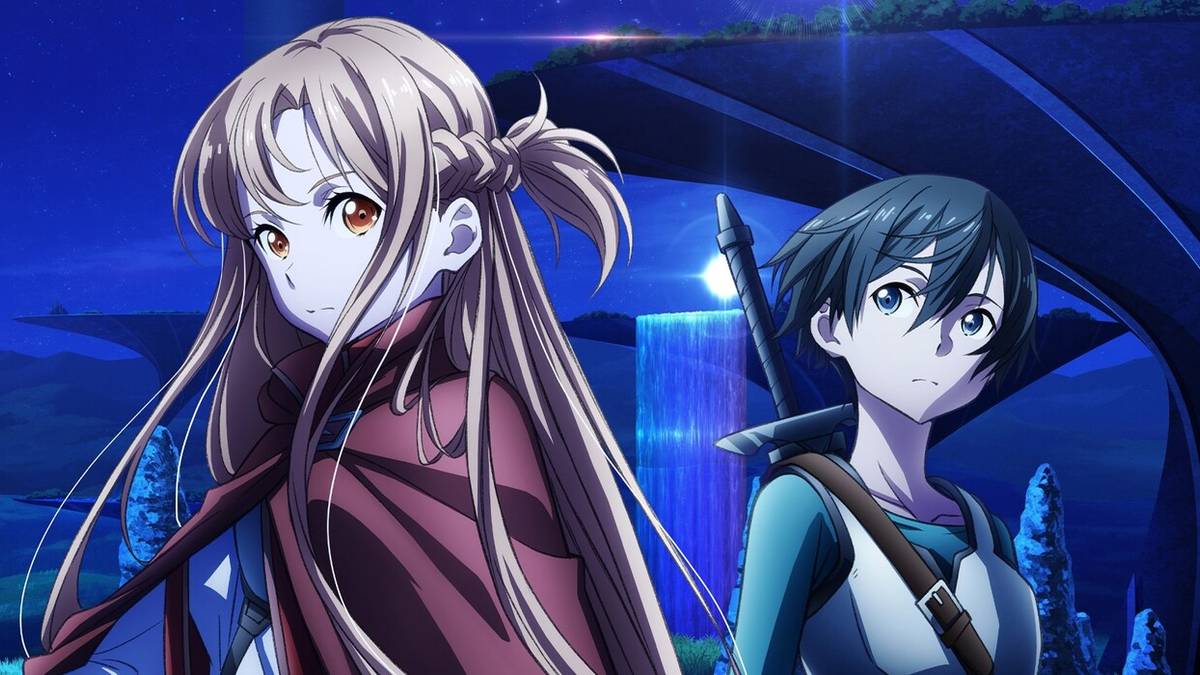
The announcement of Echoes of Aincrad early in 2026 was met with an immediate, fervent response. By March, initial promotional materials showcased high-fidelity environments and a refined combat system that promised to modernize the SAO gameplay loop.
However, the tide began to turn in early June, when a playable demo was released as part of the Steam Next Fest. This demo, intended to be a promotional victory lap, instead opened the floodgates for a critical discourse that has persisted for weeks. The community feedback loop, primarily housed on platforms like Reddit, revealed a stark contrast between those impressed by the game’s aesthetic polish and those disappointed by its structural choices.
- Early March 2026: Official announcement of Echoes of Aincrad, promising a return to the "Death Game" setting.
- June 2026: The public demo is released, triggering a wave of mixed reception regarding game mechanics and player agency.
- July 4, 2026: Pre-launch discourse reaches a fever pitch as critics and fans weigh in on the limitations of the demo content.
- July 10, 2026: The official launch date for the title on PC platforms.
Structural Anatomy: Where the Game Succeeds and Falters
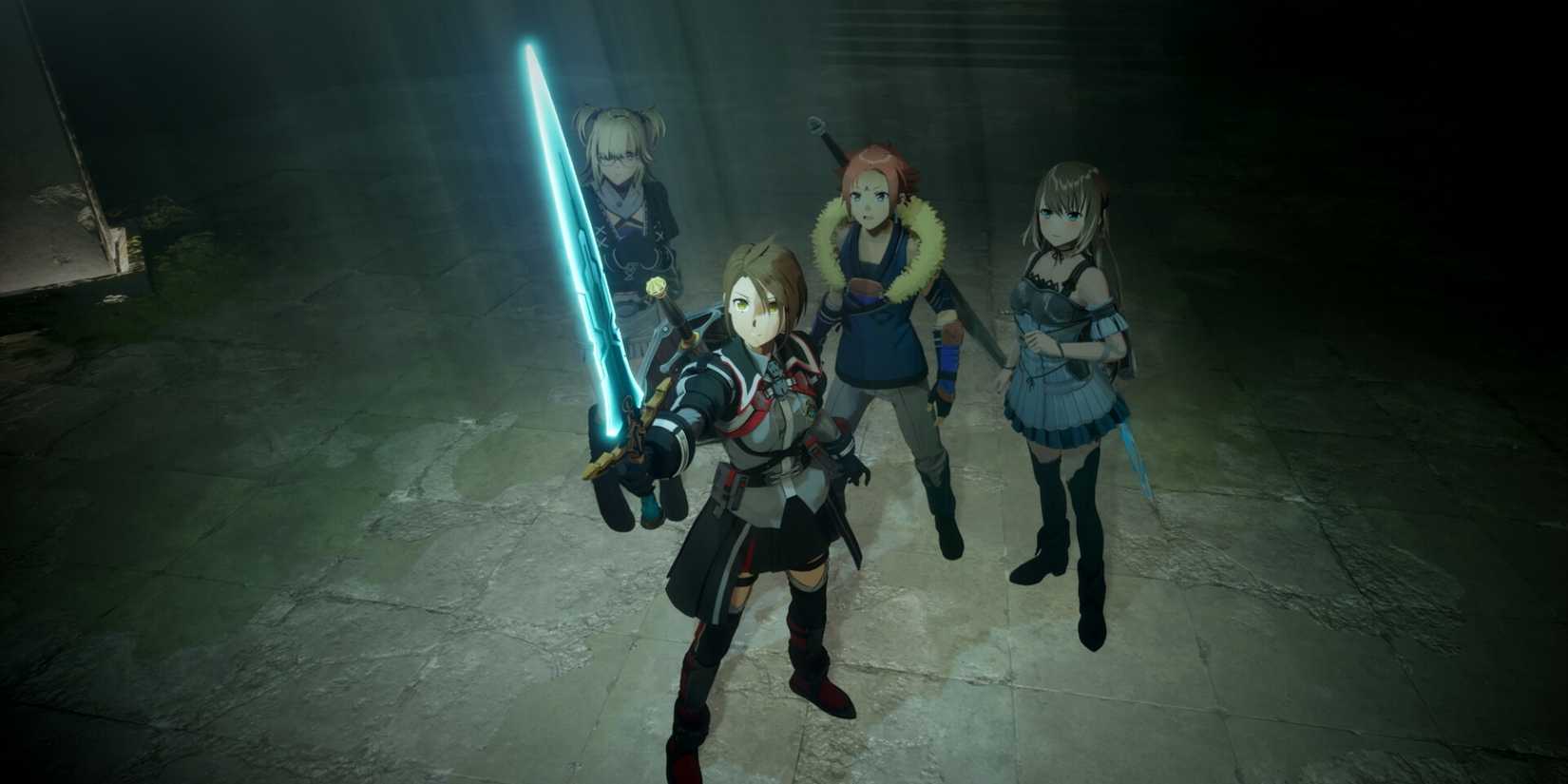
To understand the current debate, one must examine the specific mechanics that have split the player base. The game operates as a linear, story-driven JRPG. Proponents, such as Reddit user Kirin1000, have labeled the title a "sleeper hit," praising the combat fluidity and the enhanced visual fidelity that brings the world of Aincrad to life in a way previous titles—often hindered by budget constraints—could not.

Conversely, the criticism centers on the "stripping away" of elements that defined the original premise. A primary complaint from players like Thehuntinleopard is the removal of the MMO-adjacent systems. In the original SAO lore, the survival aspect was deeply tied to character progression, skill customization, and the social dynamics of an MMO guild environment. By opting for a more linear, scripted JRPG format, Echoes of Aincrad arguably sacrifices the "simulation" aspect of the death game for a more traditional, curated narrative experience.
The Customization Crisis
One of the most vocal critiques is the lack of robust character customization. In a game about being trapped in an expansive, dangerous virtual reality, the inability to define one’s avatar—or at least deviate significantly from the established archetypes—feels like a missed opportunity to many long-time fans. The argument persists that if a game is going to trade on the Sword Art Online brand, it should lean into the player-agency aspects that the original anime pioneered, rather than reducing them to a cinematic, passive experience.
Supporting Data and Technical Specifications
From a technical standpoint, the game represents a solid, if not groundbreaking, effort by GameStudio Inc. With an ESRB rating of "Teen," the game focuses on stylized violence and fantasy combat, though it notably avoids the darker, more visceral themes often associated with the series’ "death game" premise.
Core Specifications:
- Platform: PC (Steam)
- Genre: Single-player JRPG
- Developer: GameStudio Inc.
- Publisher: Bandai Namco Entertainment
- Rating: Teen (Blood, Mild Suggestive Themes, Violence, In-Game Purchases)
While the visuals are undeniably impressive—utilizing modern lighting and particle effects to make the dungeons and towns of Aincrad feel distinct—the gameplay loop remains firmly in the realm of traditional turn-based or pseudo-action combat, depending on the encounter. This lack of innovation is a point of contention for those who expected a more ambitious, open-world approach to the Aincrad setting.
Implications for the SAO Franchise
The reception of Echoes of Aincrad has broader implications for the Sword Art Online brand. For years, the franchise has been in a state of flux, shifting between the original Aincrad arc, the Progressive series, and various spin-offs. The mixed reaction to this latest game suggests that the "nostalgia trap" is becoming less effective. Fans are no longer satisfied with simply revisiting the same locations; they are looking for mechanical depth that matches the scale of the world-building.
If Echoes of Aincrad underperforms commercially, it may force Bandai Namco to reevaluate how it approaches the property. The success of the SAO anime—which continues to draw viewers—does not automatically translate to gaming success. The industry is currently shifting toward more immersive, player-driven experiences, and the reliance on the "classic" formula may be perceived as dated by a younger generation of gamers who have grown accustomed to more expansive, player-driven worlds.
The Path Forward: A Call for Feedback
As the July 10 release date approaches, the developers remain in a difficult position. The demo served its purpose as a diagnostic tool, exposing the gaps between what fans want and what the studio has delivered. While the game is unlikely to be a "flop" given the strength of the SAO brand, its long-term legacy will depend on post-launch support.
Will the developers implement a more robust customization suite? Will they add post-game content that simulates the social aspects of an MMO? These are the questions currently dominating the community forums. For now, the best advice for potential players remains to utilize the available demo. It offers a clear, honest look at the game’s loop, allowing fans to decide for themselves if this latest trip to Aincrad is worth the price of admission.
Ultimately, Echoes of Aincrad is a testament to the enduring challenge of adapting light novels into interactive media. It captures the look and the tone of the series, but struggles to capture the soul of the experience—the feeling of being truly lost in a world that wants to kill you. Whether this is the final word on the Aincrad arc or merely a stepping stone toward a more refined iteration remains to be seen. One thing is certain: the fans are watching, and they are expecting more than just a surface-level echo.










