Muslim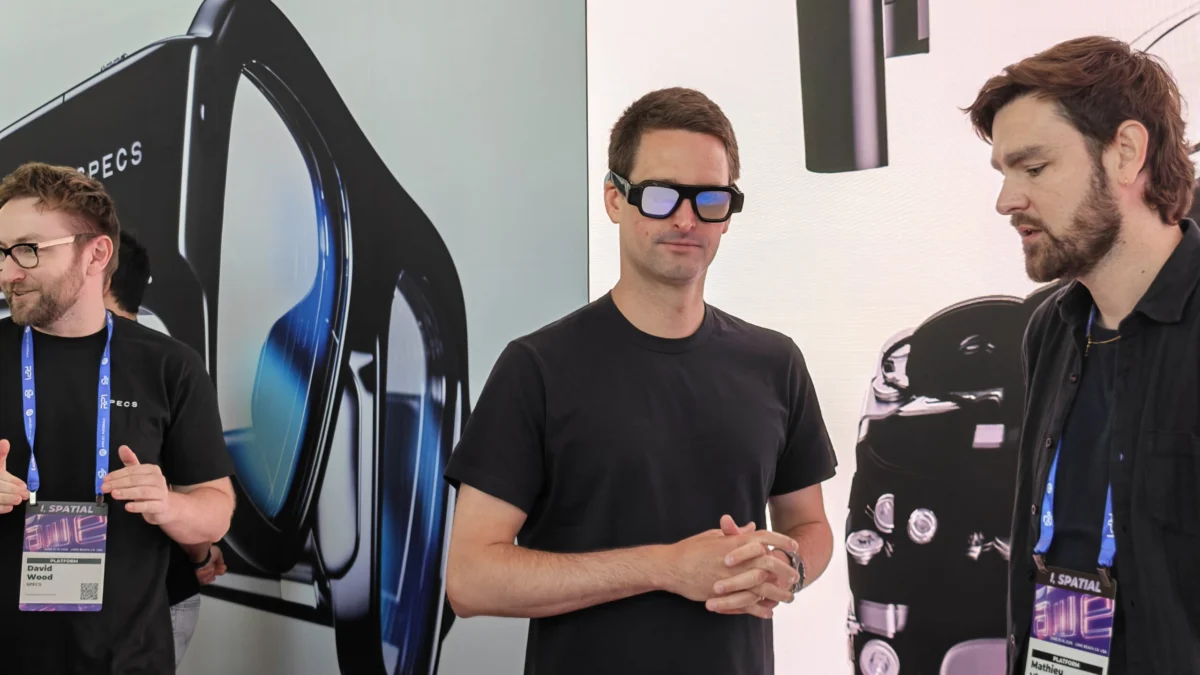
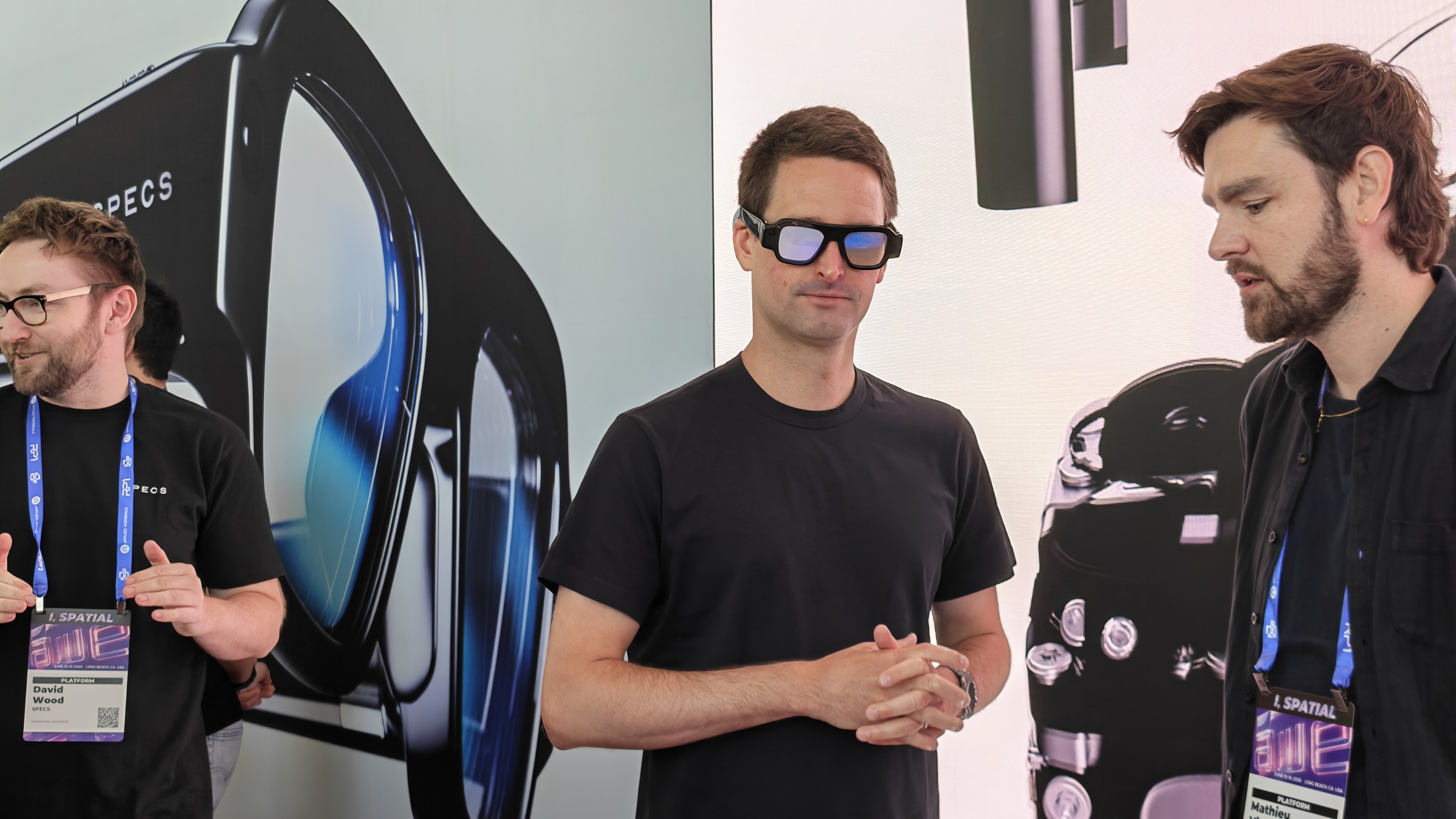
The landscape of wearable technology is undergoing its most significant paradigm shift since the introduction of the smartphone. For years, the industry has chased the "holy grail" of augmented reality (AR): a device that offers the immersive, spatial computing power of a high-end VR headset, but in a form factor as unobtrusive as a pair of everyday glasses. With the unveiling of the latest generation of Snap Specs, Snap Inc. appears to have taken the most daring step toward this vision yet.
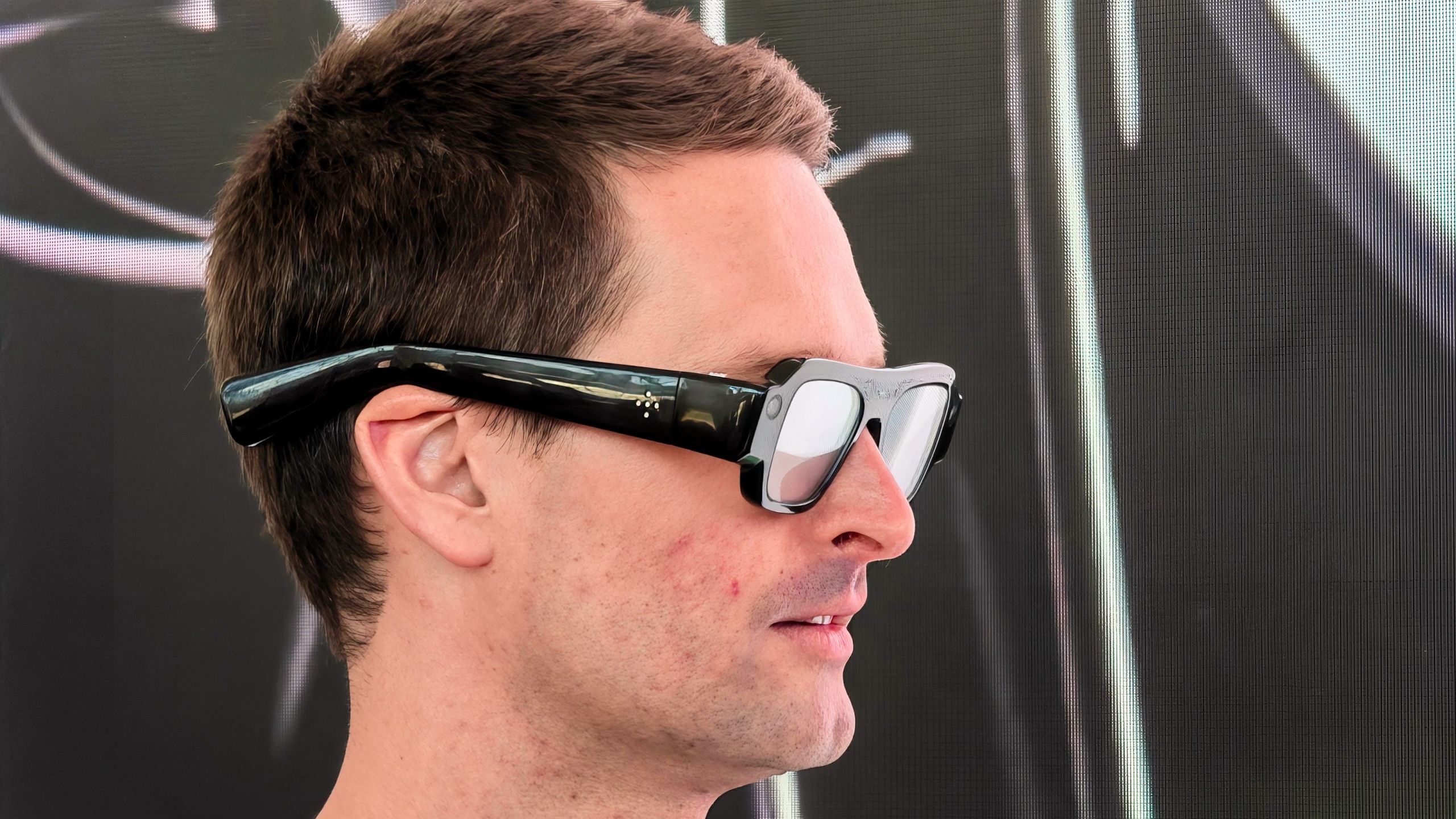
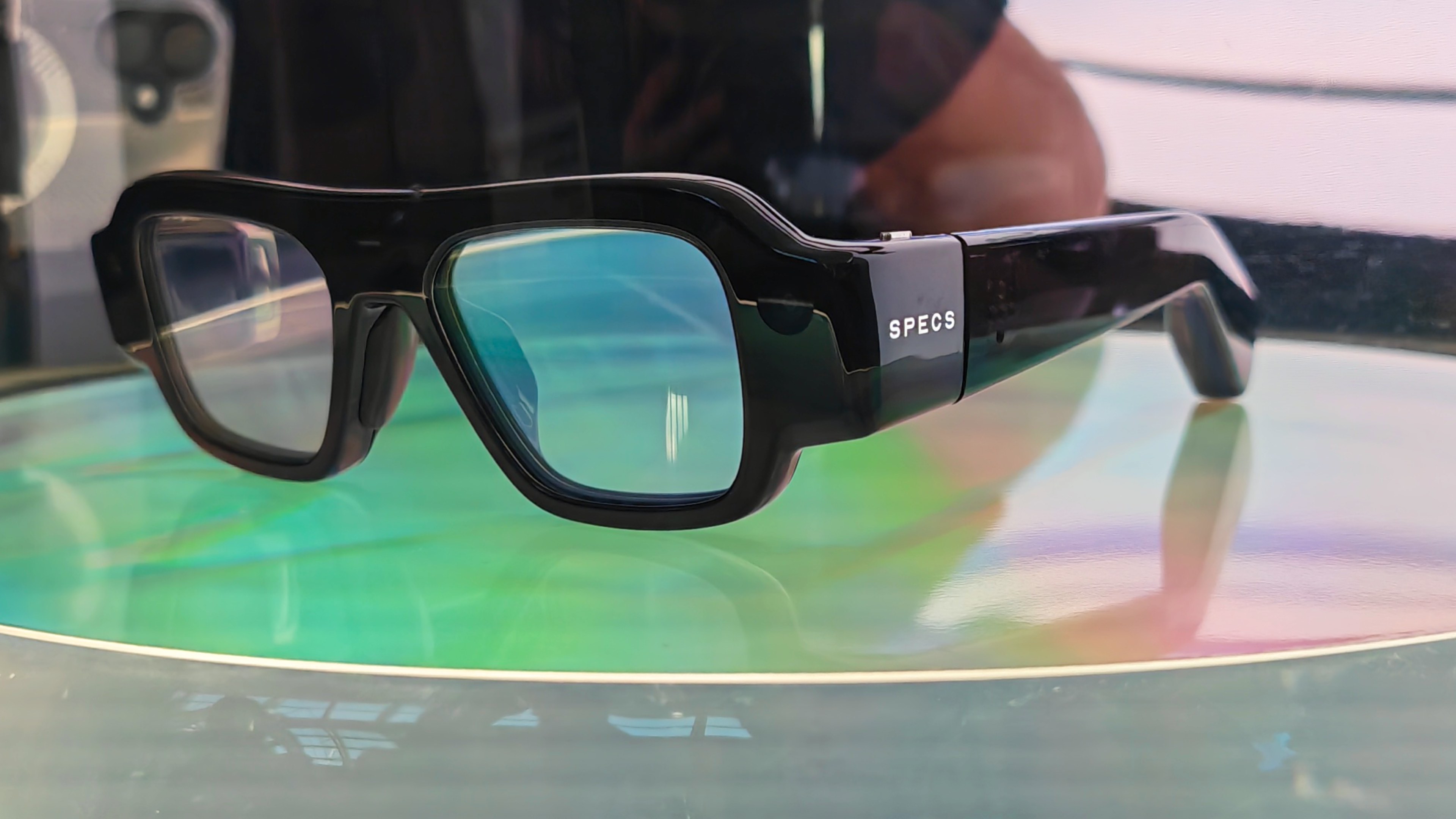
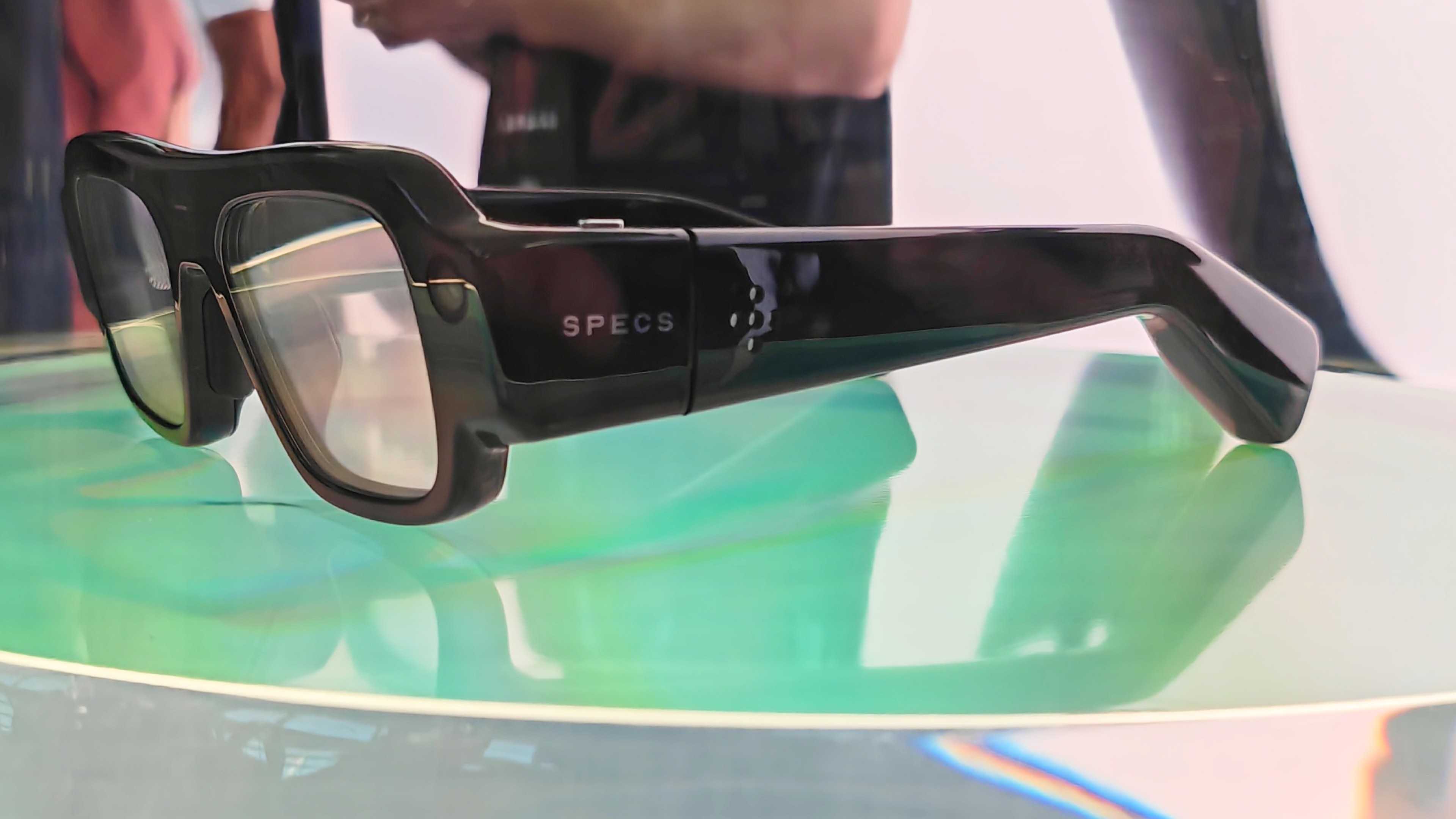
Moving beyond the limited AI capabilities of products like the Ray-Ban Meta glasses, the new Snap Specs represent a sophisticated leap in engineering. They operate as standalone units, packing dual Snapdragon processors, a robust sensor array, and advanced optical displays into a chassis that rejects the need for external "compute pucks" or tethered battery packs. As we approach a fall launch, the industry is watching closely to see if Snap has finally bridged the gap between science fiction and consumer reality.
The Chronology of a Vision: From Spectacles to Spatial Computing
To understand the weight of the new Snap Specs, one must look back at the company’s decade-long evolution. Snap’s journey into hardware began not as a pursuit of AR, but as an experiment in content capture.
- 2016: The original Spectacles launched with a singular, viral purpose: to record circular video for Snapchat. It was a fashion-forward play that proved people were willing to wear cameras on their faces.
- 2018–2021: Snap began iterating rapidly, integrating basic AR overlays and higher-fidelity sensors. These versions were internal-facing development tools, designed to teach the company how to map the real world in real-time.
- 2024–2025: Following the surge in interest for spatial computing—catalyzed by the Apple Vision Pro—Snap shifted its internal focus entirely. The goal moved from "social sharing" to "utility-driven spatial computing."
- AWE 2026: At the Augmented World Expo (AWE), CEO Evan Spiegel unveiled the current iteration of the Specs, framing them as the company’s "iPhone moment." This marked the transition from a social media company to a foundational platform for the next generation of spatial operating systems.
The Engineering Challenge: Shrinking the Future
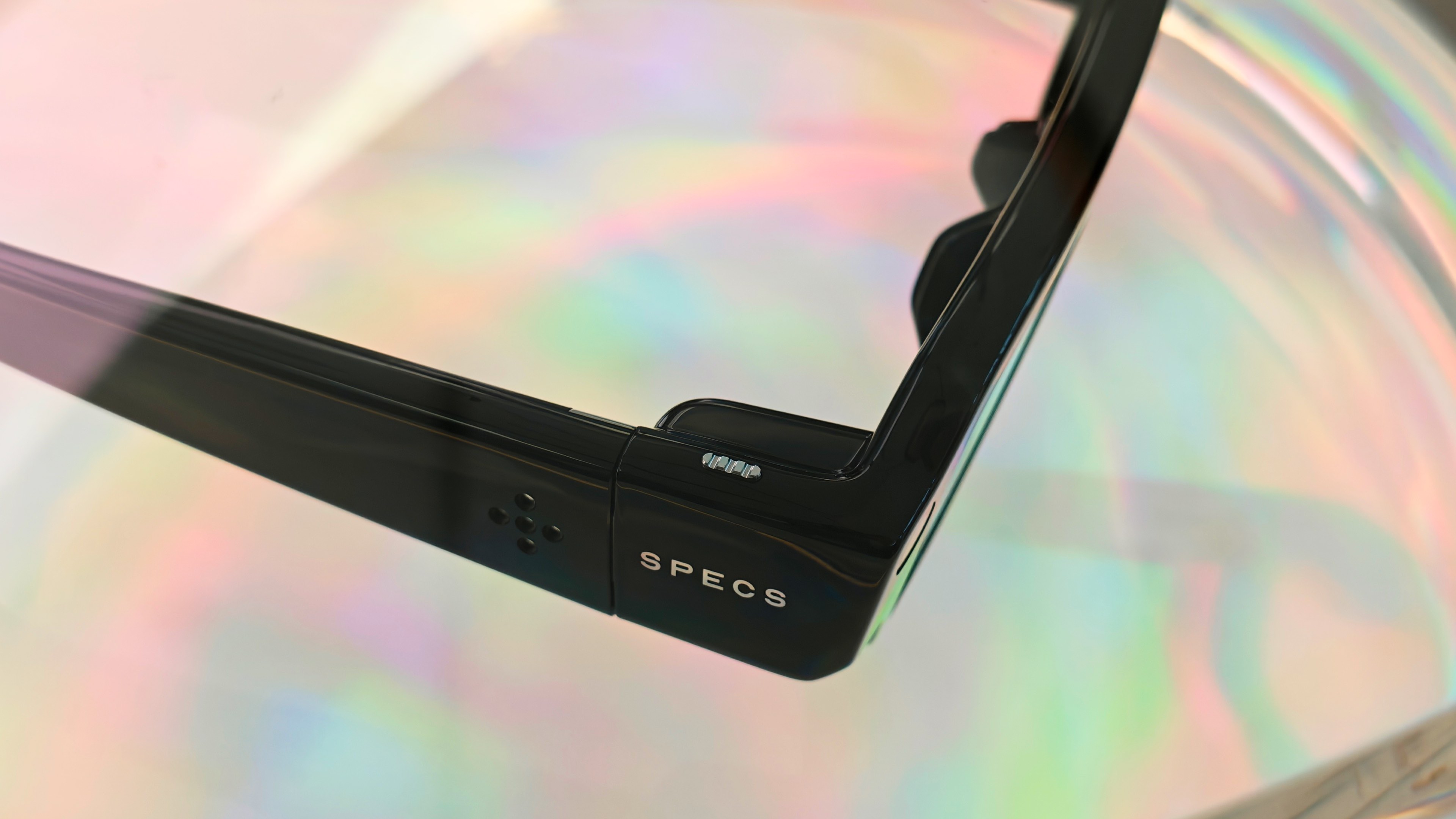
Designing the new Snap Specs was a feat of mechanical and electrical miniaturization. The primary challenge was heat dissipation and power efficiency. By cramming two Snapdragon chips into the frame, engineers had to solve the problem of thermal management without making the glasses uncomfortably warm or heavy.
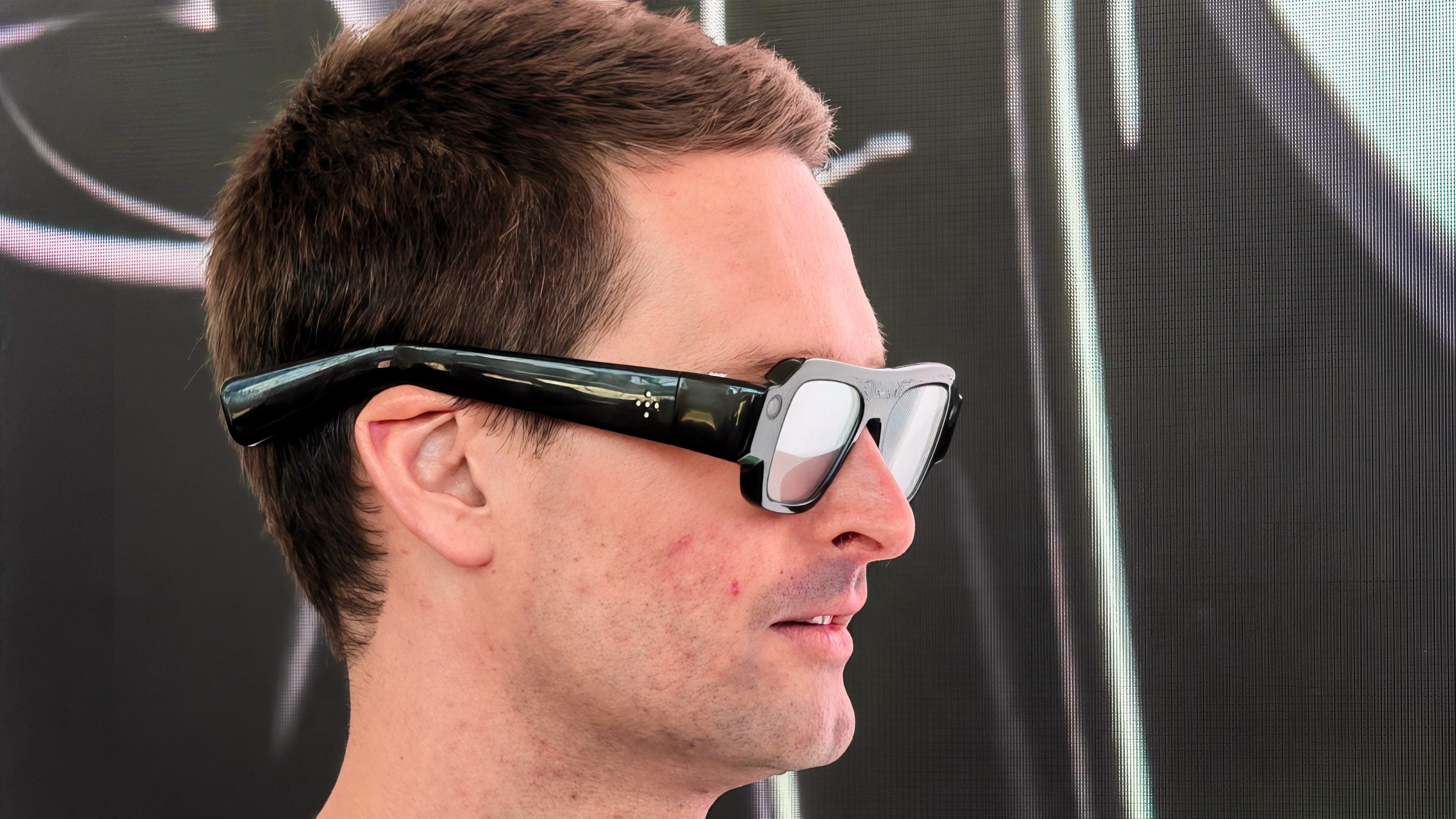
"You need to look at how we can make things efficient," says Russell Patton, product manager for Specs at Snap. "How can we really take optical displays, really push down the size, but at the same time deliver the capability to do true spatial computing?"
The answer lies in their proprietary Waveguide display technology. Unlike traditional prisms that add bulk, Snap utilizes millions of microscopic grooves etched directly into the lenses. These grooves refract light from tiny projectors, allowing for a thin, transparent display that can overlay high-definition digital information onto the real world. This design choice was pivotal in ensuring the glasses remain wearable for extended periods rather than just for short, high-intensity bursts.

Supporting Data: Why This Matters for the Developer Ecosystem
Hardware is only as good as the software it runs. Snap has not built this ecosystem in isolation; they have leveraged a massive community of over 450,000 creators and developers who have spent years building "Lenses" for the Snapchat platform.
By transitioning these developers from 2D screen-based AR to 3D spatial environments, Snap is attempting to solve the "app gap" that plagues new platforms. While other AR glasses rely on "Visual AI"—such as the Xreal Aura—which primarily functions by verbalizing what it sees, the Snap Specs approach is more visual and tactile.
The integration of Snap OS allows for:
- Spatial Labeling: Instead of simply asking an AI what a car engine component is, the Specs can overlay labels directly onto the physical parts, guiding the user through repairs in real-time.
- Environmental Persistence: Digital objects can be "pinned" to physical locations, allowing for complex, persistent AR experiences that remain where the user left them.
- Gesture-Based Interaction: By utilizing the onboard sensor suite, the glasses can track hand movements, effectively turning the user’s field of view into an interactive interface.
Official Perspectives: The Philosophy of the "New Paradigm"
In conversation, the team at Snap is careful to emphasize that they are not trying to replicate the smartphone experience on a smaller screen. They believe the shift to glasses will fundamentally change how we consume information.
"It’s not just taking the apps that are on our phones and putting them into glasses," Patton explains. "Going forward, it’s going to be that shift from phones to glasses. It’s about unlocking multiple categories of really exciting value—whether that’s AI assistance, measurement, or simply having a large virtual display that follows you through your day."
The company is positioning the device as a "multi-tool." By offering a device that can stream video, browse the web, and provide real-time, context-aware information, Snap is betting that consumers will eventually tire of the "heads-down" nature of smartphones and prefer the "heads-up" engagement of spatial glasses.
The Cost of Innovation: Addressing the $2,200 Price Point
The most significant barrier to mass adoption is the $2,195 price tag (£1,995 for UK markets). It is a premium price for a premium, early-adopter product, and the company is fully aware of the optics involved.
When asked about the barrier to entry, the response is centered on value proposition. These glasses are not intended to be a replacement for a $200 pair of Ray-Bans. They are, effectively, a high-end, lightweight, wearable computer. The price reflects the cost of the cutting-edge waveguide optics, the dual-chip architecture, and the advanced sensor array. For the early adopters who prioritize being at the forefront of the spatial computing revolution, the value lies in the platform’s potential rather than just the hardware’s current utility.

Implications: A Future Beyond the Smartphone?
The arrival of the new Snap Specs signals that the "metaverse" discourse has matured into something more grounded: Spatial Computing. If the smartphone was the tool that connected us to the internet, these glasses are the tool that integrates the internet into our physical reality.
The implications for daily life are profound. Imagine a world where navigation doesn’t require looking down at a map, but instead follows a digital path projected onto the street; where language barriers are broken by live, translated subtitles appearing next to a speaker’s face; or where home office setups consist of infinite, floating monitors that occupy no physical space.
However, the success of this endeavor will depend on more than just technology. It will require a societal shift in how we perceive privacy, digital etiquette, and our relationship with constant connectivity. As the fall launch approaches, the industry isn’t just looking at a new piece of hardware; it is looking at a litmus test for the next decade of human-computer interaction.
For now, the Snap Specs remain a device for the pioneers—those willing to pay the premium to see the future before it becomes common. But if Snap’s track record is any indication, this is merely the first chapter in a long, transformative story about how we see the world.


 Jia Lissa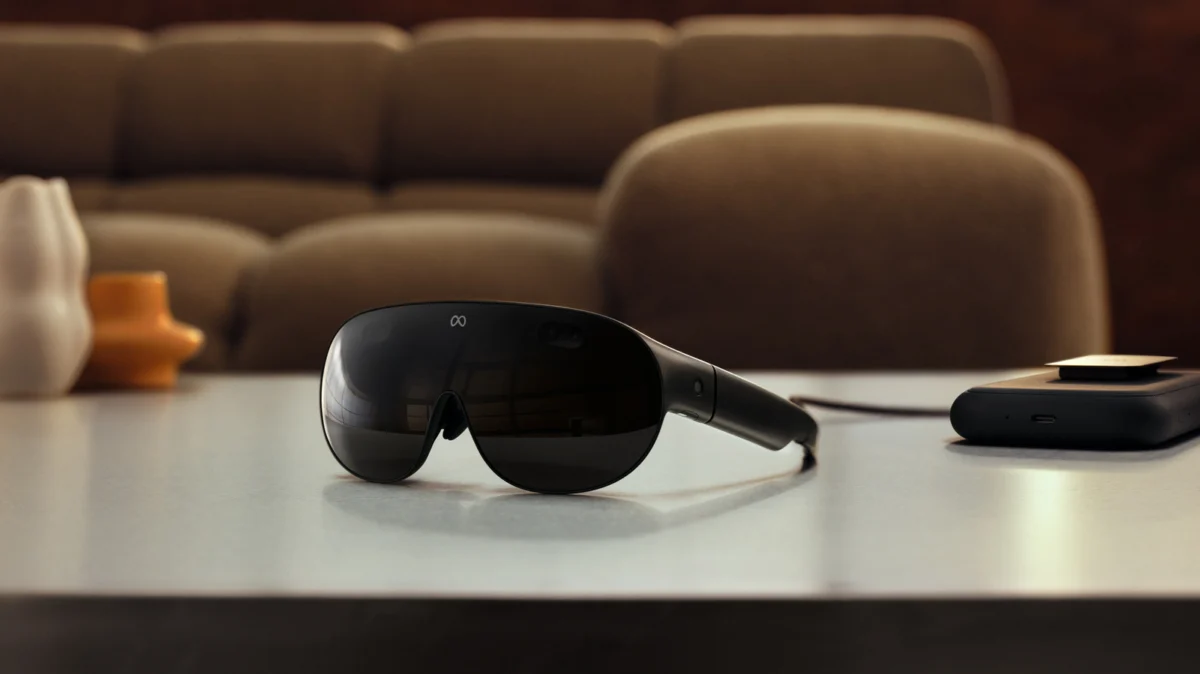
 Neng Nana