

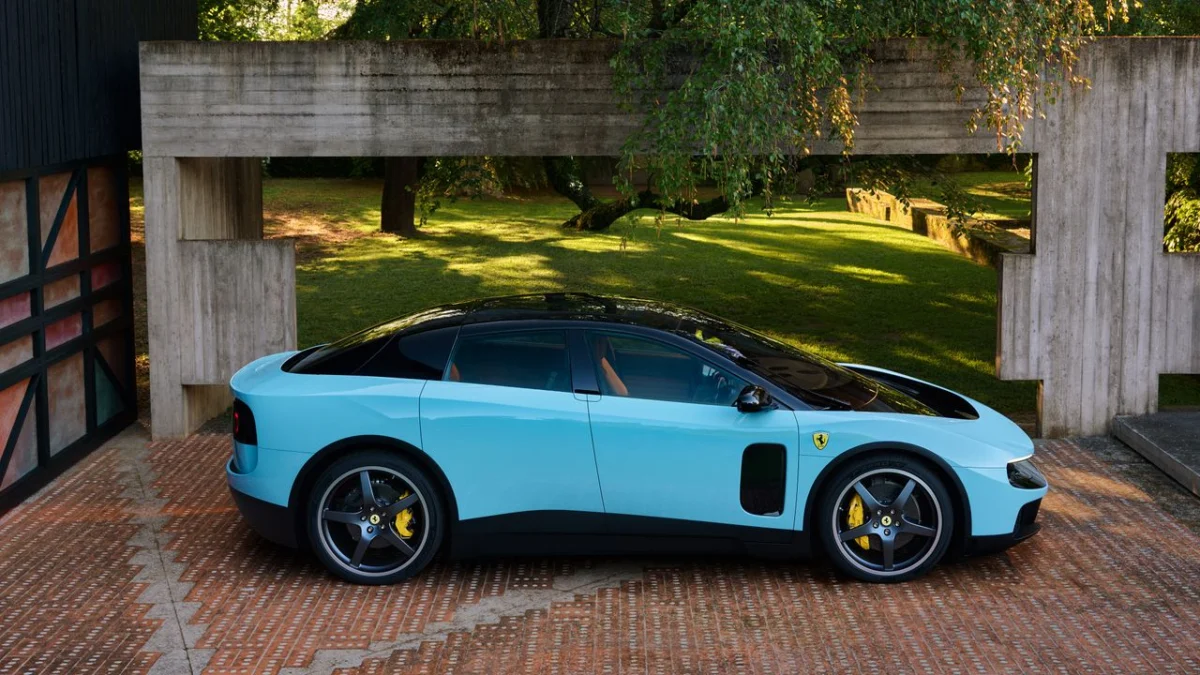
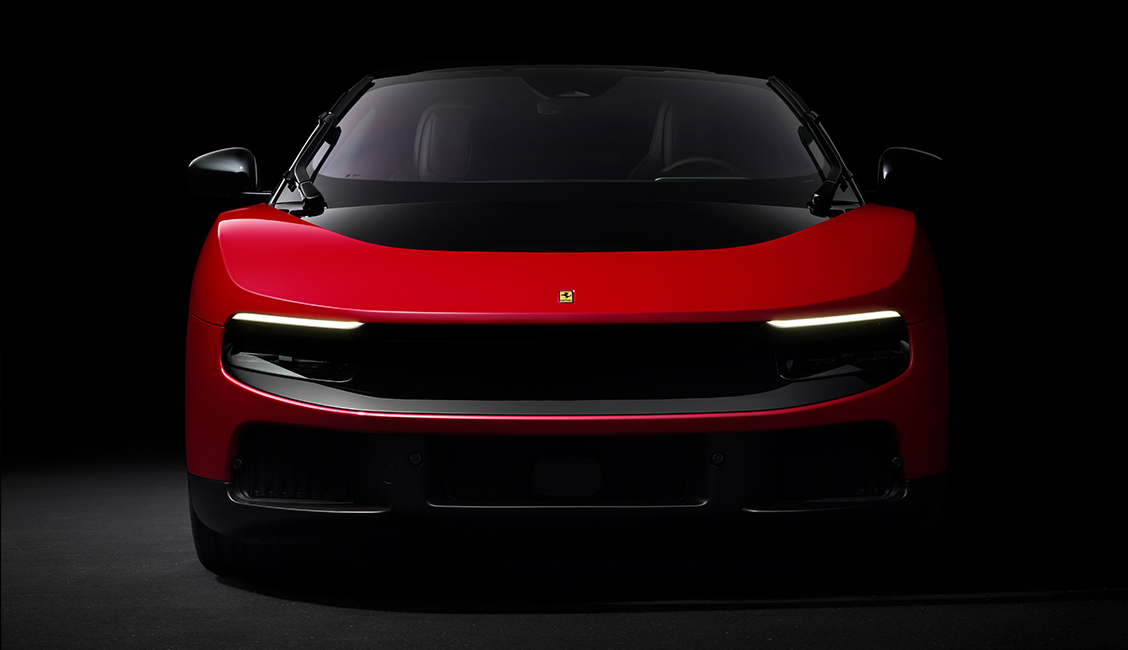
The automotive world is currently gripped by a high-stakes debate that transcends mere aesthetics. The unveiling of the Ferrari Luce, the Maranello-based manufacturer’s inaugural fully electric vehicle, has ignited a firestorm of controversy. While the car represents a technical milestone for one of history’s most revered automotive houses, it has simultaneously triggered a visceral reaction from the brand’s loyalist base.
For decades, the "Prancing Horse" has been synonymous with the raw, visceral growl of naturally aspirated V12 engines and the chaotic, beautiful unpredictability of Italian engineering. The Luce, by contrast, arrives as a serene, hyper-efficient, and arguably "rational" piece of industrial design. As the brand pivots toward a carbon-neutral future, it faces a profound existential question: Can Ferrari remain "Ferrari" when the emotional volatility of its combustion heritage is replaced by the silent, calculated precision of electricity?
The Chronology of a Disrupted Legacy
The path to the Luce was neither short nor simple. Ferrari’s transition to electrification has been a subject of speculation for years.
- 2021–2022: Ferrari begins signaling a shift in strategy, with then-CEO Benedetto Vigna emphasizing that the brand’s transition to electric would not compromise its soul. Partnerships with design powerhouses, most notably Jony Ive’s creative collective, LoveFrom, were solidified.
- Early 2024: Rumors circulate regarding a "clean-sheet" design approach that would depart from traditional Maranello silhouettes.
- The Launch (Tuesday): The Ferrari Luce is unveiled. During an exclusive tour, Pope Leo XIV is among the first to view the vehicle. The public unveiling follows, immediately triggering a global social media backlash.
- The Immediate Aftermath: Within 48 hours, memes comparing the car to consumer electronics—specifically Apple’s Magic Mouse and modern cordless vacuum cleaners—begin to dominate automotive forums.
The Design Critique: Engineering the Soul
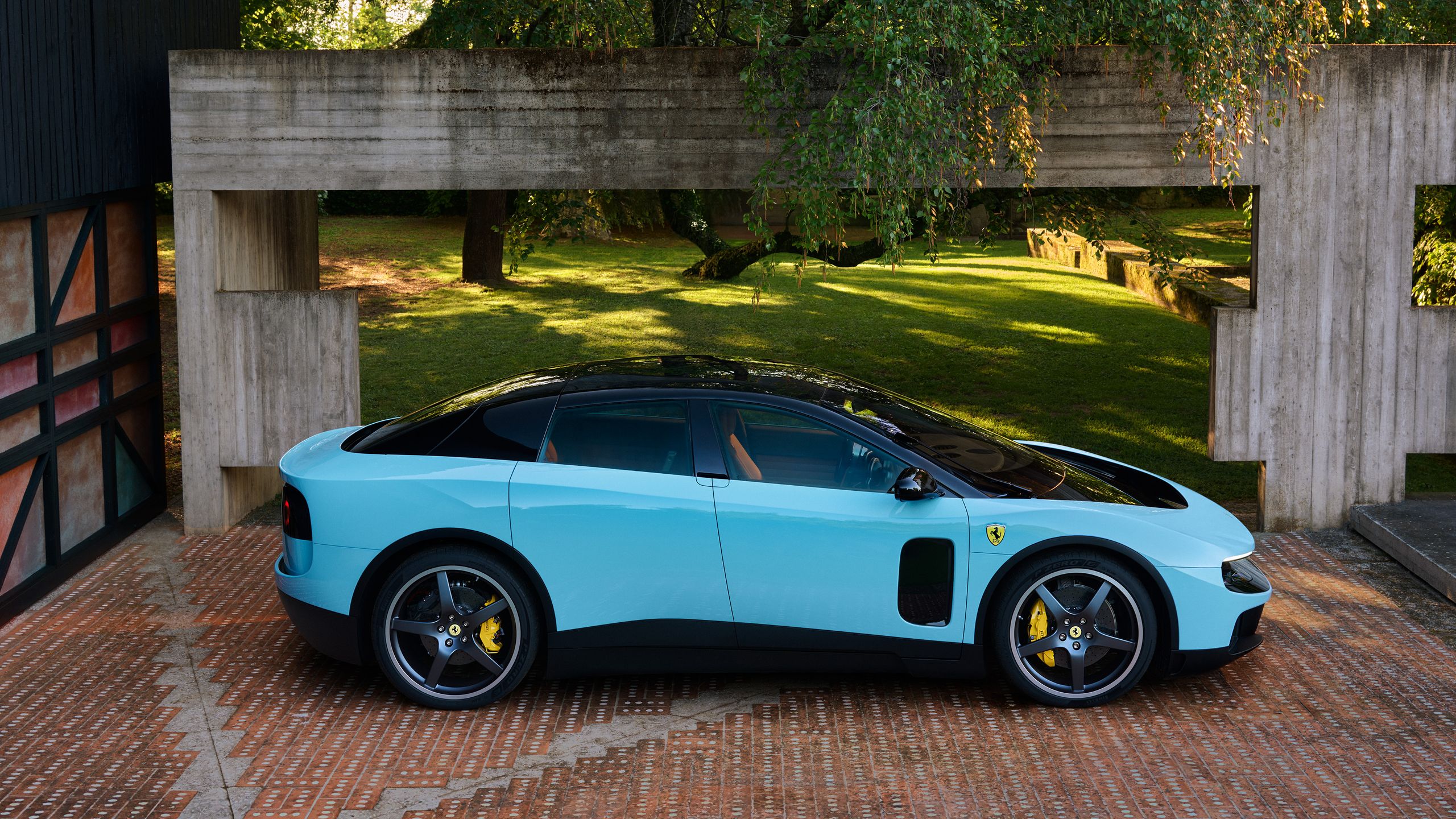
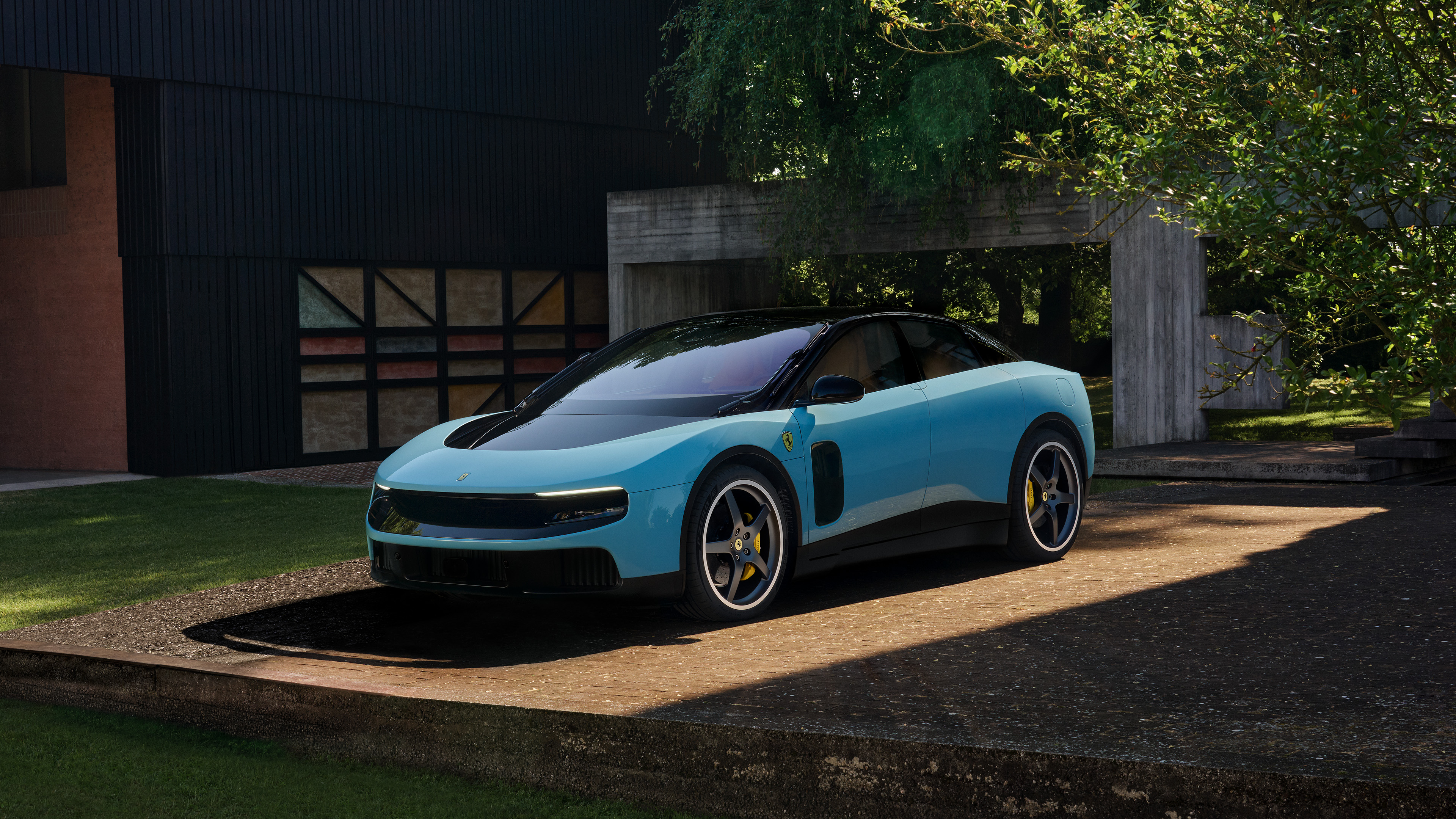
The design of the Luce is inextricably linked to the involvement of Jony Ive, the legendary designer behind many of Apple’s most iconic products. Critics argue that the car feels less like a machine born on the race track and more like a high-end digital accessory.
Dylan Stuart, Senior Partner and Global Automotive Industry Expert at Lippincott, suggests the issue is fundamental: "Historically, Ferraris bypassed logic. They were irrational purchases justified afterwards. The Luce reverses that equation. It asks to be understood before it is desired. Admired before it is loved. That is a profound shift for a brand built almost entirely on emotional instinct."
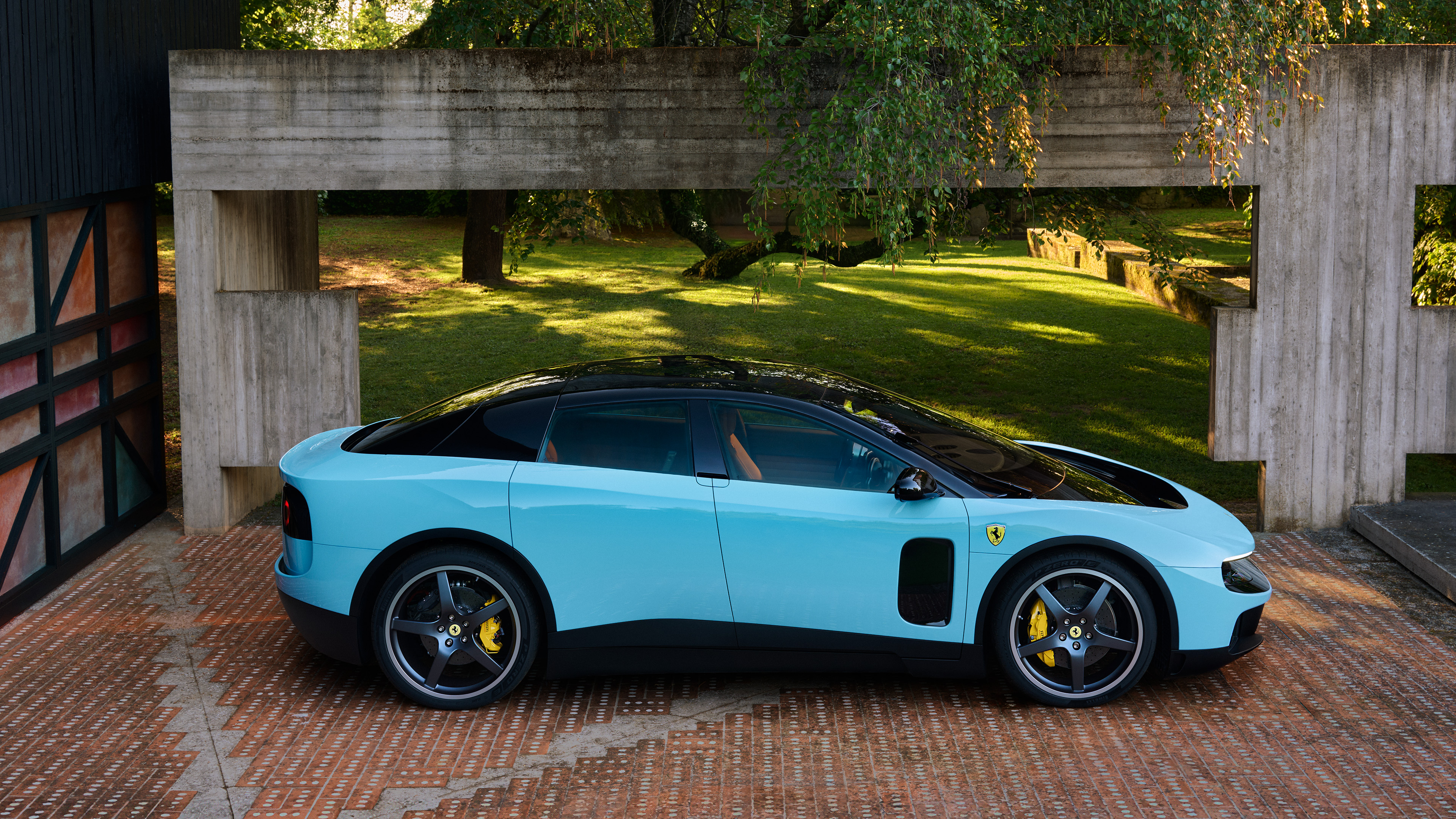
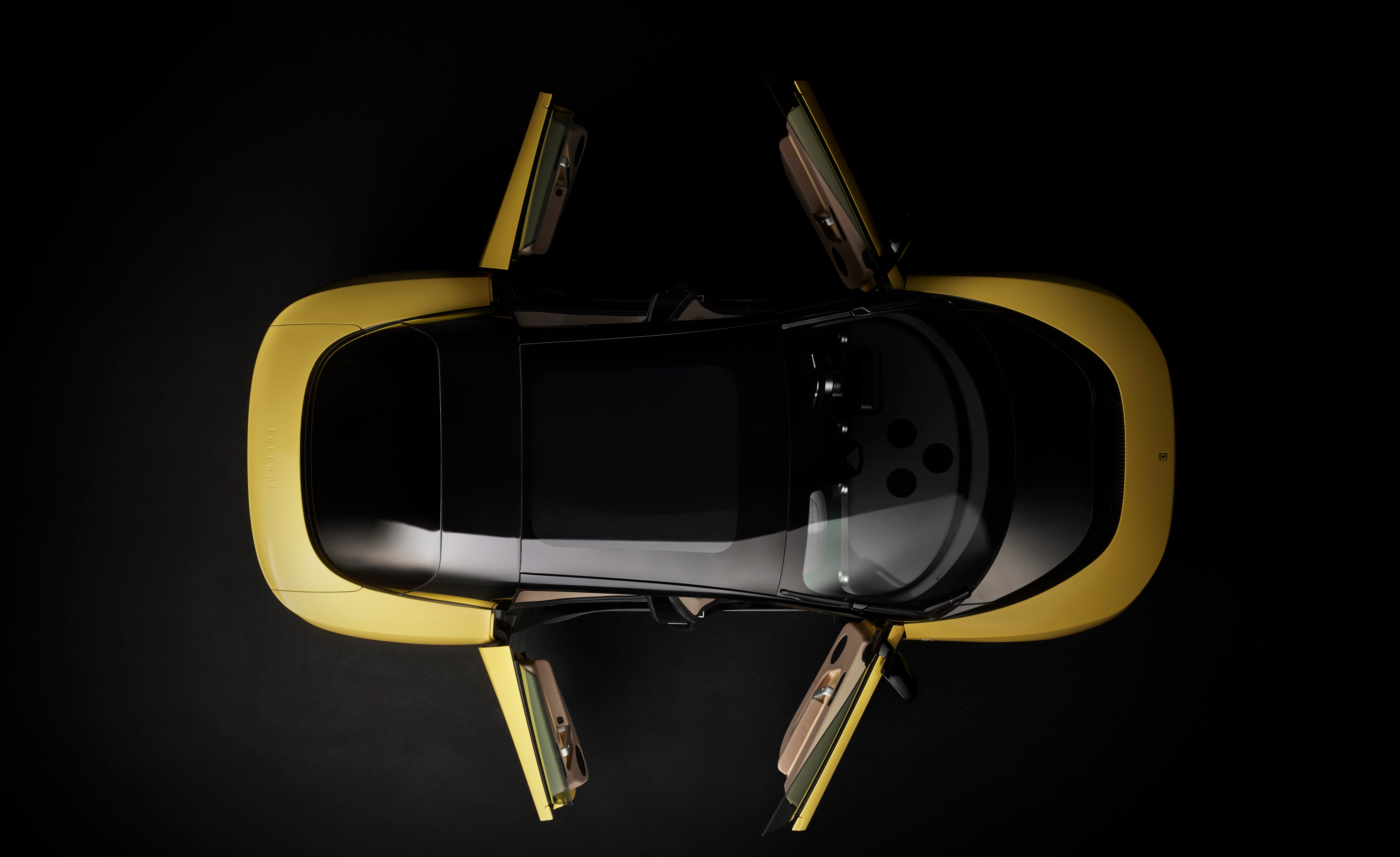
The aesthetic departure is striking. By moving away from the aggressive air intakes and sculpted aerodynamic flaring that defined the F40 or the 488, the Luce adopts a minimalist, almost clinical profile. For the traditionalist, this is not just an evolution; it is a dilution.
Supporting Data: The Market vs. The Myth
The market reaction to the Luce has been as complex as the design itself. While investors generally crave the predictability of a successful EV launch, the brand’s core enthusiasts are signaling a deep-seated anxiety.
Former Ferrari chairman Luca di Montezemolo was among the most vocal critics, stating that the five-seater sedan is "risking the destruction of a myth." This sentiment is echoed by Italy’s transport minister, who publicly remarked that the vehicle "looks like anything but a car from the prancing horse."
However, from a business perspective, the strategy is defensible. Luxury automotive manufacturers are under immense pressure to reduce fleet emissions while maintaining their status as aspirational status symbols. The Luce is designed to capture a new demographic: the "Silicon Valley" wealthy and the booming luxury EV market in China—buyers who may prioritize cutting-edge technology and interior serenity over the "acoustics from the gates of Hades."
Expert Perspectives: A Clash of Philosophies
To understand the weight of this moment, we must look at what branding experts believe is truly at stake.
Daniel Binns, Global CEO at Elmwood: "The Missing Drama"
Binns argues that the Luce lacks the "automotive drama" that has defined the brand for over 70 years. "It’s just too soft," Binns notes. "While I applaud the bravery of stepping outside the typical Maranello design tropes, Jony Ive has designed a beautiful technology product and not a piece of automotive art. The irony is exquisite: at the very moment a V12 has become the ultimate luxury statement, Ferrari has chosen to whisper when its entire history demands a scream."
Gabor Schreier, Chief Creative Officer at Saffron Brand Consultants: "The Necessity of Evolution"
Schreier offers a more pragmatic view. He sees the collaboration with LoveFrom as a necessary, if uncomfortable, step toward survival. "His style, and his interpretation of Ferrari’s design and brand DNA, results in a beautiful digital device on wheels. It is a moment of brands having no choice but to leave their comfort zones to avoid extinction."
Vicky Bullen, CEO at Coley Porter Bell: "Stop Explaining"
Bullen believes the company’s current messaging is part of the problem. "Ferrari’s response has relied too heavily on explanation," she observes. "The Luce should be presented not as a break from Ferrari’s heritage, but as an electric Ferrari in its purest form. It needs to stop explaining and start showing confidence."
Implications for the Future of Luxury
The Ferrari Luce is not merely a car; it is a litmus test for the luxury industry. The implications of this launch are threefold:
- The Crisis of Identity: Ferrari must decide if it is a performance company that uses internal combustion as a tool, or if the "soul" of the brand is inextricably tied to the sound and fury of the engine. If they continue to lean into the "technology showcase" aesthetic, they risk alienating the very collectors who underpin the brand’s value.
- The Investor Tightrope: The market wants growth and stability, but the brand’s value is built on scarcity and cultural untouchability. If the Luce becomes "too explainable," the brand risks becoming just another luxury stock rather than a cultural icon.
- The Role of Design in the EV Era: As other manufacturers like Porsche and Lamborghini retreat from aggressive electrification targets, citing a resurgence in the desire for internal combustion, Ferrari has doubled down. This move will either be viewed as the most visionary pivot in automotive history or a tragic misread of its own customer base.
The Path Forward
The backlash will not have surprised the boardroom in Maranello. Executives are acutely aware that any deviation from the status quo invites criticism. The key, according to branding experts, is not to backtrack, but to double down on the delivery of the experience.
If the Luce drives like a Ferrari—if it possesses that elusive, hair-raising handling and "racetrack-bred" agility—the criticism regarding its looks may eventually fade. However, if the car feels like a high-end appliance, no amount of marketing or pedigree will save it from the annals of "misguided experiments."
Ferrari is currently in the eye of the storm. The Luce is a bold, controversial, and technologically ambitious vessel that asks us to reconsider what we value in a luxury vehicle. As the company moves forward, it must balance its commitment to the future with the preservation of the "myth." The world is watching, not just to see if the car performs, but to see if the Prancing Horse can maintain its speed in a new, electric race.
For now, the debate rages on: is the Luce the future of a legacy, or the beginning of the end of an icon? The answer will likely be written not in press releases or design reviews, but in the performance of the car on the asphalt—the only place where a Ferrari has ever truly been judged.









No comments yet. Be the first to join the conversation!