

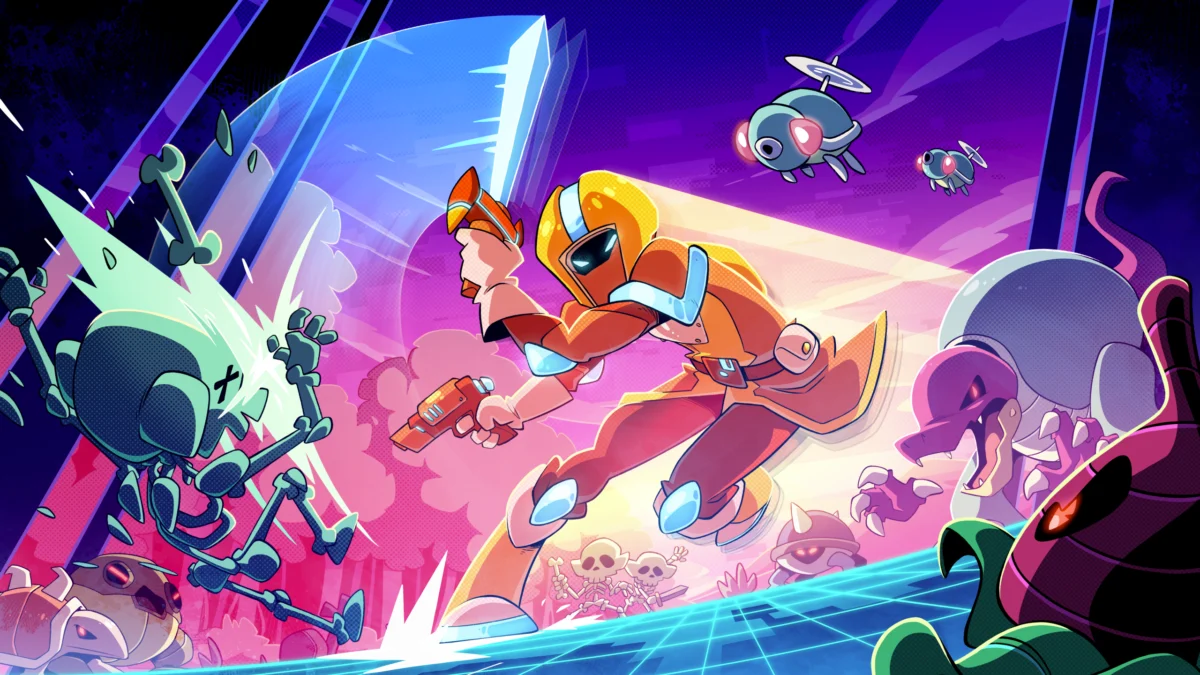
In the vast, ever-expanding ocean of independent gaming, few titles manage to capture the elusive "just one more run" quality that defines the best of the roguelite genre. However, during a recent exclusive preview event, a new contender emerged from the digital ether: Chivalware. Developed by the Hong Kong-based solo creator Regal Pigeon and slated for publishing by The Arcade Crew, Chivalware is a masterclass in grid-based tactical combat that blends the charm of retro aesthetics with the adrenaline-fueled intensity of modern arcade design.
As we navigate an era where players are increasingly drawn to "micro-experiences"—games that offer depth and replayability without demanding hundreds of hours—Chivalware arrives as a refreshing, polished, and highly addictive proposition. Following a hands-on session with the current build, it is clear that this is a project that demands the attention of both hardcore roguelite enthusiasts and fans of tight, grid-based strategy.
The Core Concept: Knights of the Digital Realm
At its heart, Chivalware is a grid-based action roguelite that casts the player as a "Disk Knight." Tasked with defending a crumbling digital world, the player must navigate a series of interconnected, modular grids. While the premise may sound like standard genre fare, the execution is anything but.
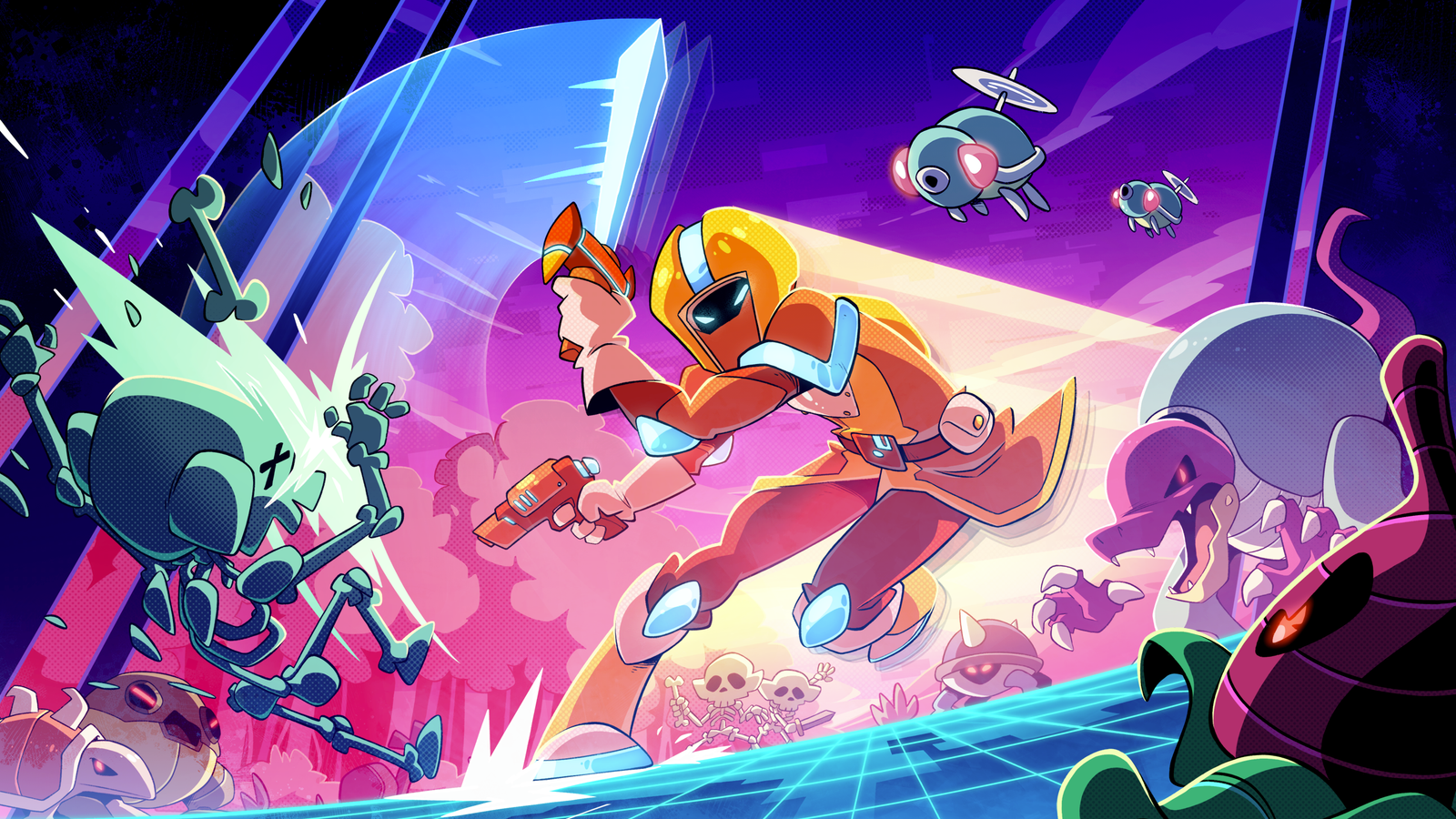
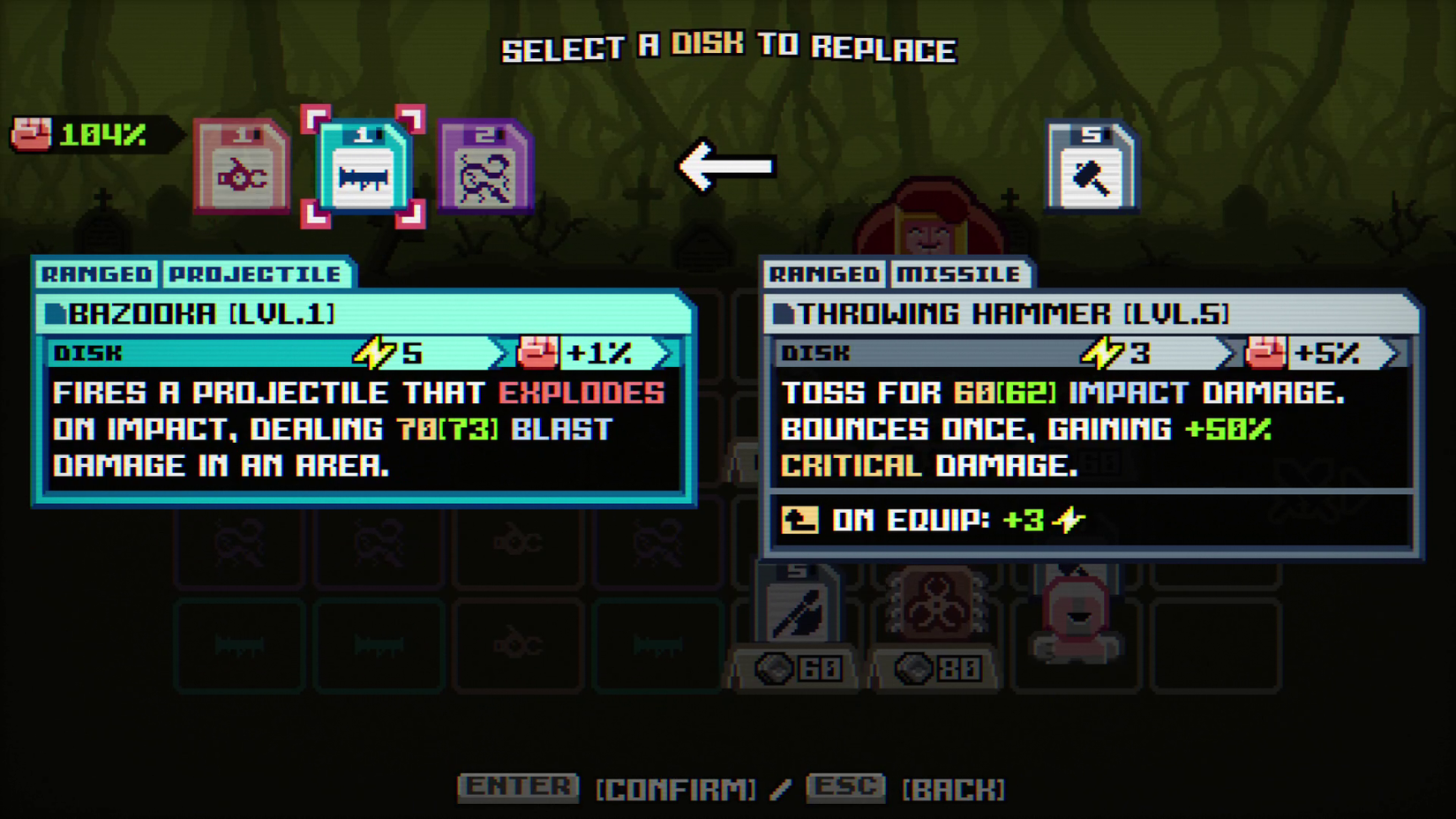
The game’s primary mechanic centers on a unique tile-matching system used to procure, equip, and upgrade weaponry on the fly. As waves of digital adversaries descend upon the player, the grid becomes a dance floor of strategy and reflexes. Unlike many tactical games that force a static, turn-based approach, Chivalware thrives on movement. The player is encouraged to traverse the entire grid—venturing deep into enemy territory if necessary—to secure the specific weapon tiles required to neutralize incoming threats.
Chronology of Development: From Concept to Chaos
The development of Chivalware has been a testament to the power of solo game design. Regal Pigeon, operating out of Hong Kong, has spent the last several years iterating on the project’s core loop. The shift from a standard grid-crawler to a high-octane action roguelite was a deliberate design choice aimed at solving the "static fatigue" often found in the genre.
- Early Prototyping: Initial builds focused primarily on the tile-matching logic, ensuring that weapon acquisition felt snappy and responsive.
- The Arcade Crew Partnership: The involvement of The Arcade Crew provided the necessary structural support to refine the game’s "flow state" mechanics. This partnership marked a turning point in the game’s aesthetic, moving toward the vibrant, high-contrast digital look it possesses today.
- Preview Phase (May/June 2026): The current preview cycle has allowed for community feedback, focusing on balancing enemy AI aggression and the frequency of shop encounters, ensuring that the roguelite randomness never feels unfair, but rather, consistently surprising.
Supporting Data: Why the Grid Matters
The success of Chivalware hinges on its grid design. Many developers in the space fall into the trap of using overly restrictive, tiny grids to artificially inflate difficulty. Chivalware takes the opposite approach. By granting the player enough space to maneuver, the game shifts the focus from "how do I avoid dying" to "how do I maximize my efficiency."

The Rhythmic Flow State
One of the most notable aspects of the gameplay is its rhythmic, almost hypnotic quality. When a player successfully matches weapon tiles while dodging enemy projectiles, the game enters a "flow state." This is supported by the game’s visual feedback; the color-coding of enemies—where specific weapons bounce off incompatible targets—adds a layer of cognitive processing that keeps the brain engaged without becoming overwhelming.
The Roguelite Randomization
As a roguelite, Chivalware utilizes procedural generation to keep the experience fresh. Each grid acts as a "stage" that can host:
- Combat Waves: Scaling in intensity and complexity.
- Shop Interludes: Providing essential upgrades or "chips" to augment the Disk Knight.
- NPC Encounters: Providing narrative flavor and off-beat upgrades that can drastically shift the meta of a single run.
Official Perspectives and Philosophy
In discussions regarding the game’s design philosophy, the focus remains firmly on the player’s experience of agency. The team at Regal Pigeon has emphasized that while the game is challenging, the primary goal is to provide a sense of mastery. "We want the player to feel like they are the most powerful entity in the digital world, but only if they can maintain their composure," a representative noted during the preview.
The decision to ensure Chivalware is fully optimized for the Steam Deck is also a key strategic pillar. The game’s bite-sized, high-intensity loops make it an ideal candidate for portable play, allowing users to drop in for a ten-minute session or a longer, more involved run during a commute or break.
Implications for the Genre
Chivalware enters a market that has been, in many ways, defined by giants like Hades or Slay the Spire. However, the "micro-roguelite" space—games that prioritize short, dense bursts of action—is underserved. By stripping away the bloat and focusing on the core mechanics of movement and matching, Regal Pigeon is effectively creating a new sub-genre of "Tactical Arcade."
The "Microvania" Connection
The game also fits into the broader trend of "micro-games" that prioritize quality over quantity. In an era where AAA titles often exceed 100 hours of playtime, players are increasingly seeking experiences that can be completed or mastered in a tighter timeframe without sacrificing the satisfaction of a deep, complex system. Chivalware bridges the gap between the "cozy" nature of organized grid management and the high-stakes adrenaline of an action shooter.
The Road Ahead
As development continues, the excitement surrounding Chivalware is palpable. The game succeeds because it understands its limitations and turns them into features. It doesn’t try to be an epic, sprawling RPG; it tries to be the best version of itself: a high-speed, tactical, digital dance.
For those who have been waiting for a game that respects both their time and their intelligence, Chivalware is a title that should be at the top of the wishlist. Whether you are a fan of the tactical rigors of JRPGs or the twitch-reflex demands of arcade shooters, the Disk Knight’s journey is one you won’t want to miss. With its combination of polished movement, strategic depth, and a compelling, ever-shifting digital landscape, Chivalware is poised to be one of the most memorable indie releases of the year.
As we look toward the full launch, the question remains: will you be able to master the grid, or will you be deleted by the very system you’re trying to save? The answer, as always, lies in the next turn.











No comments yet. Be the first to join the conversation!