

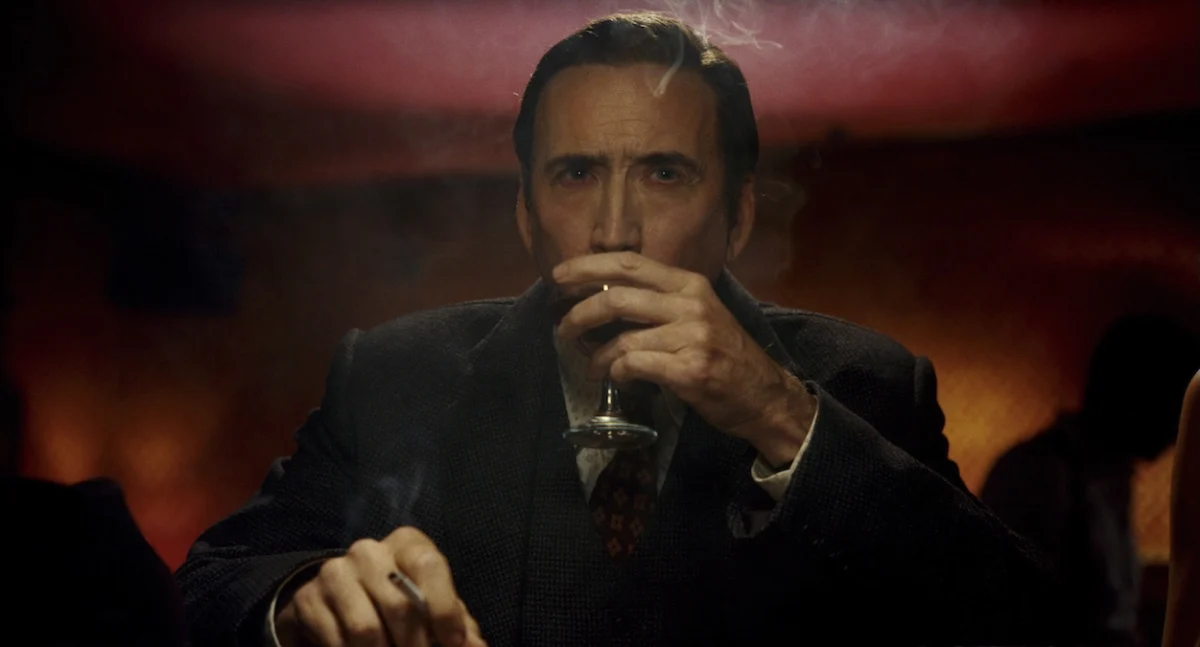
The streets of 1930s New York City have always been a playground for crime, corruption, and the shadows that hide both. But this May, the city that never sleeps is getting a new kind of vigilante—one who trades the bright spandex of traditional heroism for the charcoal-grey fedora of a private investigator. Prime Video’s highly anticipated series, Spider-Noir, promises to bridge the gap between comic book spectacle and the gritty, atmospheric traditions of classic cinema. With Nicolas Cage stepping into the role of the beleaguered Ben Reilly, the production is positioning itself as a genre-defying milestone in the ever-expanding Spider-Man mythos.
The Genesis of a Noir Hero: Main Facts
At its core, Spider-Noir is a deconstruction of the superhero archetype. The narrative follows Ben Reilly, a man who has traded his heroic mantle for the bottom of a whiskey glass after a soul-crushing personal tragedy. He is not the youthful, quipping Peter Parker of the high-flying MCU; he is a man exhausted by the weight of his own existence.
The series is not merely a costume drama; it is a stylistic homage to the golden age of film noir. By centering the story on a private investigator operating in the Great Depression-era, the creators have synthesized the pulp sensibilities of the 1930s with the high-stakes action of a Marvel property. The show pits this hardened iteration of the Spider against iconic adversaries like Tombstone and Sandman, reimagined through the lens of organized crime and urban decay.
A Legacy of Shadows: Chronological Development
The road to Spider-Noir began with a vision of blending disparate genres. For showrunner Oren Uziel, the pitch was a dream project. A lifelong fan of both Spider-Man and the seminal works of noir cinema, Uziel approached the project with a deep reverence for the history of the medium.
"I always loved Spider-Man, but I’ve always also loved noir," Uziel says. "When they came to me with the idea of making a standalone Spider-Man show set in 1930s New York City that’s film noir, I felt like I was the obvious person they should be talking to. I asked them to please let me do this."
Development moved rapidly, fueled by the enthusiastic buy-in from the creative team and, most crucially, the casting of Nicolas Cage. The project gained significant momentum during early workshops and table reads, where Cage’s commitment to the character—often drawing from legendary actors of the 1940s—solidified the show’s unique tonal direction.
The Performance: Nicolas Cage and the Art of the "Tickled" Hero
Nicolas Cage’s approach to Ben Reilly is rooted in a deep study of Humphrey Bogart, specifically his performance in The Big Sleep. Cage posits that the key to playing a hard-boiled detective isn’t just toughness; it’s an underlying sense of dark amusement.
"The thing I always enjoyed about watching Bogart, especially in movies like The Big Sleep, is that he seemed amused by other people’s bad behavior," Cage explains. "He would start to laugh at other people’s wickedness; he got tickled by it. I tried to put a little of that into Spider-Noir. If Li Jun Li’s character, Cat Hardy, was doing something dangerous, it would amuse Ben Reilly. He’d think, ‘Oh, I know this is so much fun,’ just like Bogart would be doing."
This commitment to the craft impressed Uziel, who recounts a surreal moment during an early lunch in Los Angeles: "We were out to lunch… and he had already memorized half the script. He suddenly said, ‘I’m going to do this one like Edward G. Robinson,’ and he just did an entire scene." This dedication, channeling the stars of Little Caesar and Double Indemnity, provided the blueprint for a performance that feels both vintage and electrifyingly new.
Supporting Data: The Cast and the Mythos
The supporting cast plays a pivotal role in grounding this fantastical premise in reality. Lamorne Morris joins the ensemble as Joseph "Robbie" Robertson, a character reimagined from his traditional role as an editor to a principled, pulse-of-the-city journalist. Morris notes that his character serves as the moral compass for a hero who is ready to walk away from his responsibilities.
"This Spider-Man is a little bit different than the ones we’ve seen before," says Morris. "He’s faced with this dilemma where he’s over being a hero. He saved millions of lives already, and he’s just ready to be done with it. But the city still needs a hero, and so this is the first time Spider-Man has someone in his ear. Robbie understands the weight of it, and he’s trying to convince Ben that the city could use him."
Meanwhile, Abraham Popoola tackles the imposing role of Lonnie Lincoln, or Tombstone. Despite the character’s presence in other iterations, including the upcoming Spider-Man: Brand New Day, Popoola maintains a respectful distance from the MCU version, choosing instead to focus on the character’s legacy dating back to the 90s Fox Kids animated series.
"I didn’t take anything directly from the PlayStation video game, but I was definitely inspired by the essence of the story," Popoola notes. His approach to the role is visceral, focusing on the atmospheric requirements of the genre: "The most noir thing you can do is to brood in a corner with the brim of a hat making a shadow over your eyes, watching people across the room."
Official Responses and Creative Vision
The creative team behind Spider-Noir has made no secret of their influences. Beyond Bogart, Uziel cites Carol Reed’s 1949 masterpiece The Third Man as a primary touchstone. He gushes over the zither score by Anton Karas and the interplay between Orson Welles’ Harry Lime and Joseph Cotten’s Holly Martins.
"Orson Welles, and the way it’s shot, the relationships, the intrigue, all in postwar Vienna," Uziel says. "It’s just so romantic. There are shots we stole from all our favorite noirs… Well, lovingly homaged."
For the showrunner, the essence of the genre is not found in the props—the trench coats or the rain-slicked streets—but in the emotional core of the narrative. "The most noir thing you can do is get your heart broken," Uziel concludes. It is a sentiment that ties together the sprawling, chaotic world of Marvel comics with the cynical, beautiful melancholy of mid-century crime fiction.
Implications for the Spider-Man Franchise
The release of Spider-Noir marks a significant pivot for the franchise. By stripping away the high-tech gadgets and multiversal stakes that have defined recent superhero films, the series invites audiences to engage with a smaller, more intimate story.
If successful, Spider-Noir could open the door for a new era of "Prestige Marvel" programming—shows that prioritize aesthetic consistency and genre exploration over shared-universe connectivity. It challenges the notion that superhero stories must always move forward, suggesting instead that there is immense value in looking backward, into the shadows of the past.
As the premiere dates approach—May 25 on MGM+ and May 27 on Prime Video—the anticipation is not just for another Spider-Man story, but for a piece of television that demands to be taken seriously as a work of neo-noir. With Nicolas Cage at the helm and a team that understands the weight of a broken heart, Spider-Noir is poised to leave a permanent mark on the landscape of modern television. The city is waiting, and for the first time in a long time, the hero is too tired to run, but just determined enough to fight.











No comments yet. Be the first to join the conversation!