In a move that signals a seismic shift in the global technological landscape, the South Korean government, in close partnership with the nation’s industrial titans, has unveiled a staggering $1 trillion investment plan. This multi-year initiative, announced by President Lee Jae Myung on June 29, 2026, aims to solidify South Korea’s status as the world’s preeminent hub for artificial intelligence, semiconductor manufacturing, and humanoid robotics.
The strategy, described by the President as the “triple axis for a great leap forward,” targets a complete structural overhaul of the nation’s economy by 2028. By doubling down on memory chip production, massive AI data center expansion, and the aggressive deployment of physical AI, Seoul is betting that it can secure a monopoly on the hardware backbone of the next industrial revolution.
The Core Strategy: The Triple Axis
The South Korean government’s roadmap is defined by three primary pillars designed to function in synergy:
- Semiconductor Dominance: A $585 billion commitment to build new fabrication plants (fabs) in the southwest, aimed at doubling DRAM production capacity.
- AI Infrastructure: A $357 billion push by industry leaders like SK Group, GS Group, and Naver to construct large-scale, provincial data centers.
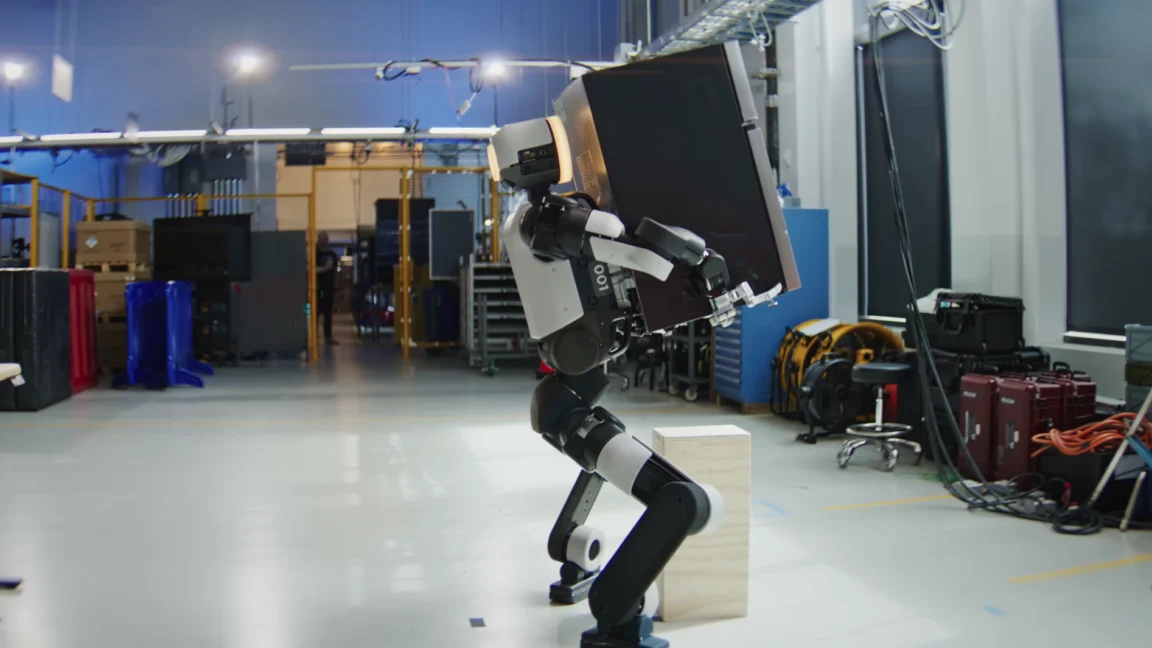
- Physical AI and Robotics: The designation of robotics as a "national strategic industry," supported by a $5.8 billion investment from Hyundai to scale the manufacturing of Boston Dynamics’ humanoid robots.
Chronology: The Road to the $1 Trillion Pivot
The path to this massive investment has been paved by the dual pressures of global AI demand and supply chain instability.
- Early 2026: The global memory chip shortage reaches a fever pitch. Increased demand for high-capacity SSDs and specialized AI-grade RAM leads to significant price hikes in consumer electronics, affecting everything from Apple Macs to Steam Machines.
- May 2026: Rising social tension over record corporate profits leads to public discourse regarding a "national dividend." Government officials begin discussing the necessity of sharing the wealth generated by the AI boom.
- June 22, 2026: SK Hynix officially overtakes Samsung as the most valuable company in South Korea, underscoring the shift in market dynamics toward specialized high-bandwidth memory (HBM).
- June 25, 2026: Tensions boil over as Hyundai Motor’s labor union approves a potential strike, citing concerns over job security as the company prepares to deploy humanoid robots.
- June 29, 2026: President Lee Jae Myung formally announces the $1 trillion investment strategy in a televised address, outlining the vision for 2028.
Supporting Data: The Economic and Industrial Landscape
The scale of this project is unprecedented. To sustain the new semiconductor fabs and data centers, the South Korean Ministry of Climate, Energy and Environment has been tasked with an Herculean infrastructure effort. The government plans to secure 6.3 gigawatts of electricity and 650,000 tons of water specifically for the southwestern chip clusters, with an additional 8 gigawatts of power dedicated to the provincial data center network.
Energy sourcing remains a critical bottleneck. While the government aims to utilize a mix of renewable and nuclear energy, current data suggests that South Korea’s reliance on natural gas and coal—which together account for over 50% of the nation’s electricity generation—leaves the country vulnerable to geopolitical shocks, such as the ongoing crisis in the Strait of Hormuz.
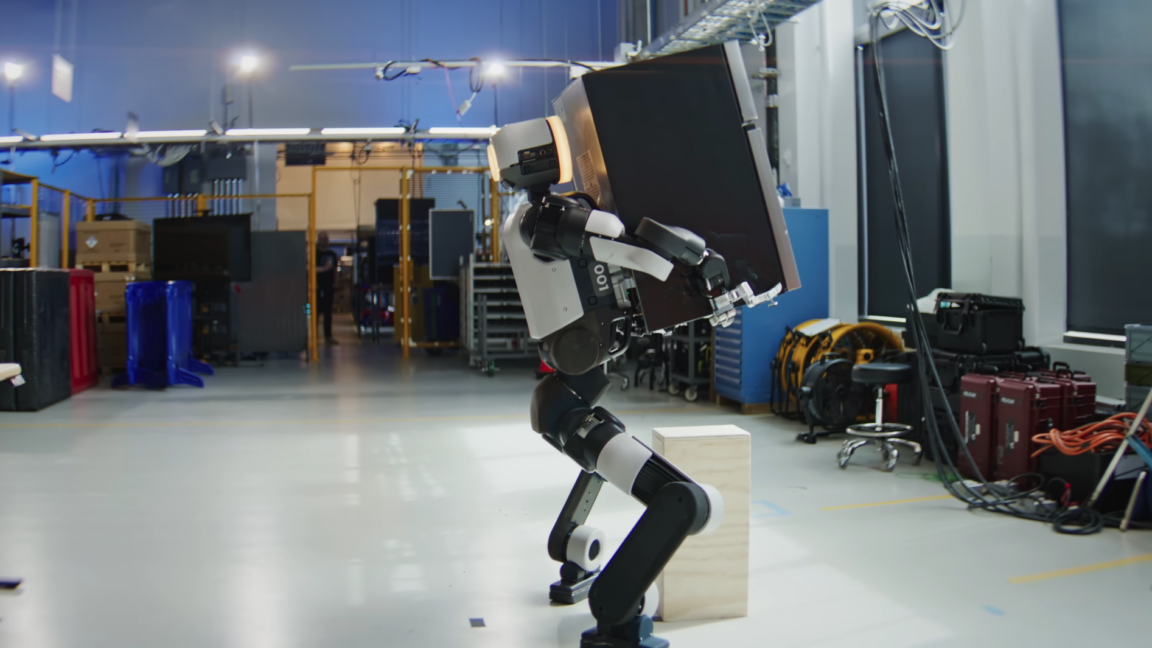
Furthermore, the "Physical AI" initiative is not merely academic. Hyundai Motor’s acquisition of Boston Dynamics is now entering its final, most critical phase: mass production. The goal is to reach an output of 30,000 Atlas humanoid robots annually by 2028. These units are intended to serve as the workforce of the future, performing hazardous or repetitive tasks in automotive plants and beyond.
Official Responses and Political Friction
The response to the government’s announcement has been a mix of nationalistic fervor and profound domestic anxiety.
President Lee Jae Myung’s administration maintains that the investment is an existential necessity. “We must secure the core elements of AI faster than any other country,” the President stated during his announcement. The administration argues that without this aggressive expansion, South Korea risks being sidelined by competitors in the US and China.
However, the "AI windfall" has created a fractured political environment. The government’s call for corporations to share their profits with workers and smaller suppliers has met with lukewarm enthusiasm from the private sector. The suggestion of a “national dividend,” while later dismissed as a personal opinion by a presidential aide, continues to linger in the public consciousness, fueling debates about wealth inequality.
Labor unions represent the most significant hurdle. The Hyundai union’s threat of a strike highlights the visceral fear of automation. As companies push for the adoption of "Physical AI," workers are demanding concrete guarantees regarding profit-sharing, retraining, and job protections. The state labor mediation committee’s decision to allow the union to strike has placed the government in the difficult position of having to balance industrial modernization with social stability.
Implications: A High-Stakes Future
The implications of South Korea’s 2028 target are global in scope.

Global Market Impact
Should South Korea succeed in doubling its DRAM production, it could provide the relief needed to stabilize the volatile memory chip market. For global consumers, this could mean an eventual cooling of prices for high-end electronics. Conversely, if the construction of these fabs faces delays—as SK Hynix Chairman Chey Tae-won warned, citing the nine-year lead time for existing facilities—the supply crunch may persist well into the next decade.
The Humanoid Workforce
The mass deployment of humanoid robots represents a transition point in the history of labor. By targeting ten major industries for commercial humanoid robot integration, South Korea is essentially conducting a massive, real-world experiment. If successful, the country will have a blueprint for how an aging population can maintain industrial productivity through automation. If it fails to mitigate the social fallout, however, it could serve as a cautionary tale of how technological advancement can alienate the workforce.
Energy and Sustainability
The reliance on nuclear and fossil fuels to power the AI revolution poses a long-term challenge to South Korea’s climate goals. The decision to prioritize data center and fab power consumption over a rapid transition to green energy could complicate international climate compliance.
Conclusion
South Korea’s $1 trillion investment is more than a series of industrial projects; it is a declaration of intent to control the foundational layer of the future global economy. By aligning the interests of state policy, corporate giants, and technical innovation, the country is positioning itself to be the primary engine of the AI age.
However, the success of this "Triple Axis" strategy remains tethered to domestic harmony. Whether the government can convince its workforce that robots are partners in prosperity rather than replacements, and whether it can sustain the massive energy demands of its technological ambitions, will define the success of this grand experiment. As the world watches, South Korea is moving at a breakneck speed to construct the pylons of a new era, knowing full well that the foundation of the future is being poured today.