

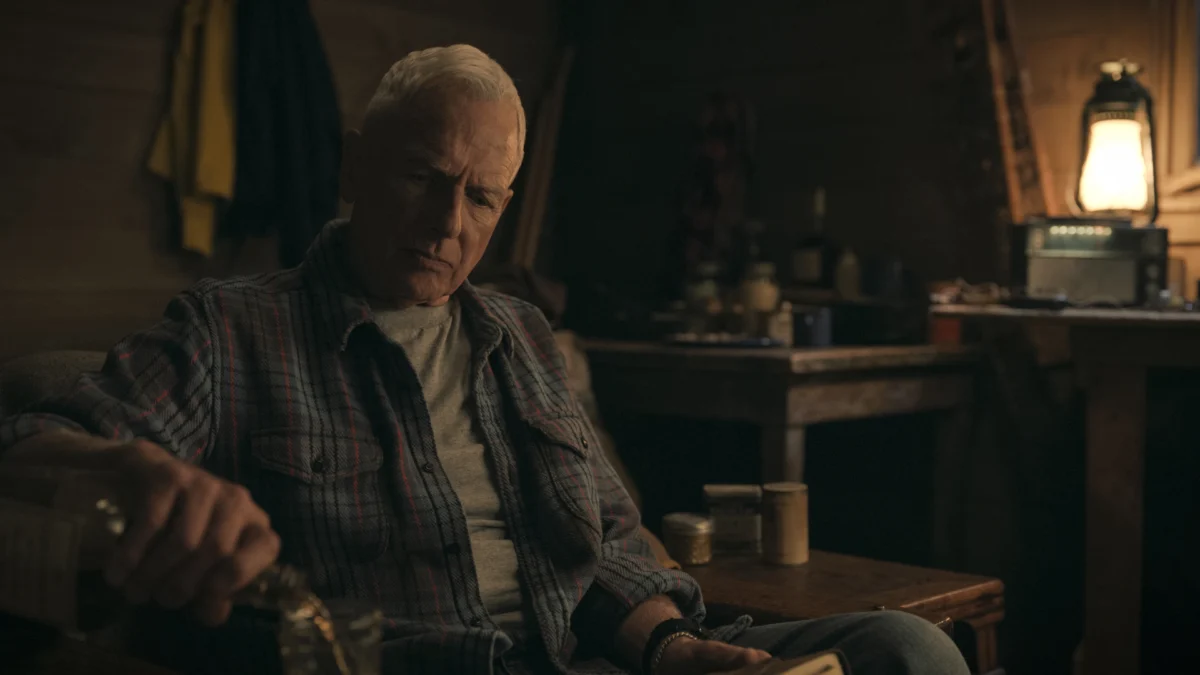
In a move that promises to bridge the gap between the flagship NCIS franchise and its burgeoning prequel, CBS has confirmed that franchise icon Mark Harmon will return to the screen for a season-long arc in the upcoming third season of NCIS: Origins. Harmon, whose portrayal of the stoic and legendary Leroy Jethro Gibbs defined nearly two decades of television history, will integrate his character into the ongoing narrative of the prequel, marking a significant evolution in the show’s storytelling structure.
Main Facts: A Franchise Pillar Returns
Mark Harmon is officially set to appear in every episode of NCIS: Origins Season 3. While Harmon has remained a vital part of the production as both an executive producer and the series’ ubiquitous narrator, his physical presence on screen has been limited to strategic cameos. This new development changes the scope of his involvement, placing the veteran actor at the heart of a season-long mystery.
The narrative hook involves a cold case from Gibbs’ days at Camp Pendleton in the early 1990s. While Origins focuses on the formative years of a young Gibbs—portrayed with grit and vulnerability by Austin Stowell—the third season will weave in a "present-day" thread. This mystery will serve as the connective tissue between the past, depicted in the prequel, and the current state of the NCIS universe. This marks the third time Harmon has appeared on the spinoff, but the first time his character will serve as a continuous presence throughout an entire season’s arc.
Chronology: The Evolution of a Mystery
The seeds for this expansion were sown during the production of NCIS: Origins Season 2, which featured a high-stakes, cross-series event on Veterans Day. The crossover bridged the gap between the flagship NCIS and the prequel, highlighting a naval officer’s death from the 1990s. What began as a localized investigation in the prequel timeline unexpectedly spiraled into a modern-day inquiry on the flagship show, proving that the past—and the ghosts of Camp Pendleton—are never truly buried.
- 1990s (The Origins Timeline): The core setting of the series, where a young Gibbs begins his journey within the Naval Investigative Service.
- The Pilot Premiere: Mark Harmon made his first physical appearance, grounding the series in the established legacy of the franchise.
- Season 2 Crossover: A pivotal Veterans Day event connected a cold case from the 90s to a contemporary investigation, laying the groundwork for the current, larger narrative arc.
- Season 3 (The Upcoming Arc): Harmon’s Gibbs will step out of the shadows and into the main narrative, exploring the lingering consequences of his early career.
Supporting Data: The Origins Ensemble and Production
NCIS: Origins is not merely a nostalgia vehicle; it is a meticulously crafted period piece that explores the origins of the Gibbs "rulebook" and the psychological scars that eventually defined his leadership style. Alongside Austin Stowell, the cast features a robust ensemble, including Kyle Schmid, Mariel Molino, Tyla Abercrumbie, Diany Rodriguez, and Caleb Foote. Each brings a unique layer to the NIS office of the 1990s, portraying the agents, investigators, and support staff who shaped the culture of the agency before it became the global juggernaut known today.
The production team, helmed by executive producers David J. North, Mark Harmon, Sean Harmon, Michele Greco, and Eric Christian Olsen, has focused on maintaining the "NCIS DNA"—a blend of procedural rigor and deep character-driven drama. Produced by CBS Studios, the series occupies a prized Tuesday night slot at 10 p.m. ET/PT, a testament to the network’s continued confidence in the NCIS brand.
Official Responses and Creative Vision
The decision to bring Mark Harmon back for a full season is a calculated creative choice aimed at satisfying long-term fans while deepening the lore of the franchise. While specific plot points remain under lock and key, the production team has hinted that this is not a return to "business as usual." Instead, it is an exploration of memory, regret, and the weight of history.
"We have always looked at Origins as a way to understand the man behind the badge," says an insider close to the production. "By having Mark participate in a sustained arc, we aren’t just looking at the past; we are seeing how the past dictates the present for Gibbs. It’s an opportunity to see a side of him that even the most loyal viewers haven’t fully explored."
The involvement of Sean Harmon—Mark’s son—as an executive producer adds an extra layer of authenticity to the project. Sean has been instrumental in ensuring that the depiction of the 90s era feels grounded and consistent with the legacy his father built over 18 seasons on the original show.
Implications for the NCIS Franchise
The expansion of Harmon’s role in Origins suggests a shift in how CBS manages its "universe" strategy. By physically linking the past and the present, the network is creating a more cohesive, serialized experience for viewers. This move carries several implications for the future of the brand:
1. Strengthening the "Shared Universe" Model
In an era where franchise fatigue is a legitimate concern for major networks, NCIS continues to defy trends. By integrating the lead of the flagship series into the prequel, CBS is encouraging cross-viewership. Fans of the flagship show who were hesitant to dive into the prequel may now feel compelled to tune in, knowing that the "true" Gibbs is part of the ongoing narrative.
2. The Power of Character-Driven Prequels
Origins has proven that viewers are less interested in "procedural of the week" storytelling and more interested in character evolution. By focusing on the trauma and growth of a young Gibbs, the show has carved out a niche that feels distinct from the flagship show’s current iteration. Harmon’s presence serves as the "anchor" that reminds the audience why they fell in love with this character in the first place.
3. Future-Proofing the Brand
The success of Origins ensures that the NCIS brand can continue to thrive long after the original show eventually concludes. By building a rich, well-documented history for the character, the production team is essentially creating a "Gibbs Cinematic Universe." This deep-dive approach allows for spin-offs, movies, and limited series to exist in a space where character development is prioritized over simple case-solving.
What to Expect in Season 3
As the series moves into its third season, the tension between the 90s-era investigation and the present-day repercussions will likely reach a boiling point. The Camp Pendleton arc promises to reveal details about the agency’s history that were previously glossed over, providing context for the methods and moral compass that the older, world-weary Gibbs eventually adopted.
Viewers can expect the return of the high-stakes investigative style that has become the hallmark of the franchise, but with a more introspective tone. The inclusion of Harmon in every episode suggests that the "present-day" portions of the show will be more than just bookends; they will be active components of the storytelling.
Conclusion: A Legacy in Motion
Mark Harmon’s return to the screen in NCIS: Origins is more than just a casting announcement; it is a signal that the franchise is entering a new, more interconnected phase. By blending the past and the present, the showrunners are offering a masterclass in how to maintain the integrity of a long-running character while simultaneously pushing the boundaries of a spinoff.
As the Tuesday night premiere approaches this fall, the anticipation among the fanbase is palpable. Whether one is a long-time viewer who has been watching since the premiere of the original NCIS or a new fan who joined with the debut of Origins, the upcoming season promises to be a pivotal chapter in the history of one of television’s most enduring heroes. Leroy Jethro Gibbs may have stepped away from the lead role on the flagship series, but as this news confirms, his story—and his impact—is far from over.










