LinkedIn has officially pulled back the curtain on a robust suite of artificial intelligence-powered tools designed to streamline the creative process for marketers. This strategic rollout, which includes an automated Brand Kit, AI-generated copy drafting, and dynamic ad personalization, marks a significant shift in how the professional networking platform approaches B2B advertising. By bridging the gap between high-level brand identity and real-time performance optimization, LinkedIn is positioning itself as an essential partner for marketers looking to scale their outreach while maintaining brand consistency.
Main Facts: The New AI Ecosystem
The core of this update is the integration of "Draft with AI," a generative engine designed to eliminate the "blank page" syndrome that often stalls campaign development. The platform is deploying three primary pillars to enhance user experience:
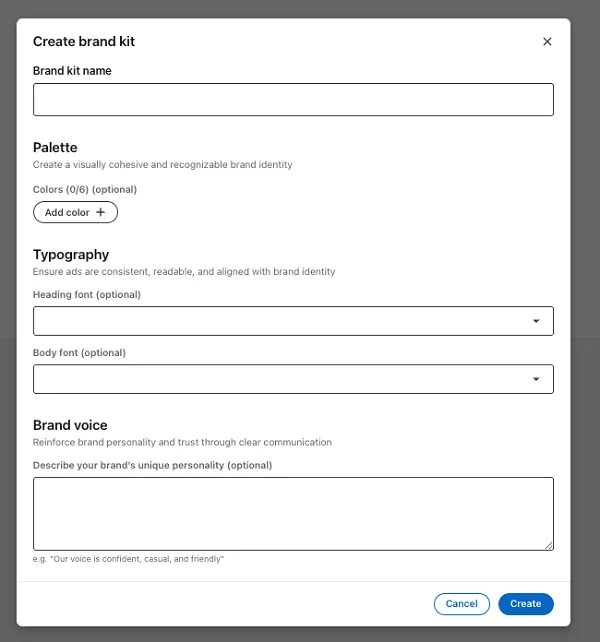
- The Official Brand Kit: This feature allows marketers to codify their brand identity. By defining specific color palettes, typography, logos, and voice guidelines, companies can ensure that all AI-generated output remains consistent with their corporate image.
- AI-Powered Ad Copy Generation: By inputting a target URL, marketers can now generate bespoke ad copy. The system is designed to ingest contextual notes and even references to previous high-performing creatives to mirror a brand’s specific tone.
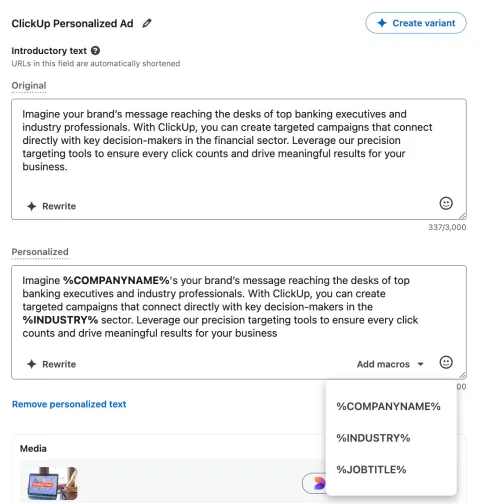
- Dynamic Ad Personalization and Variants: LinkedIn is introducing tools that automatically generate multiple variations of a single ad. Furthermore, the platform is rolling out personalization features that tailor ad content based on specific audience attributes like job title, company name, and industry sector.
These tools are not merely decorative; they are integrated into the campaign management flow, designed to lower the barrier to entry for smaller teams while providing enterprise-level sophistication for larger organizations.
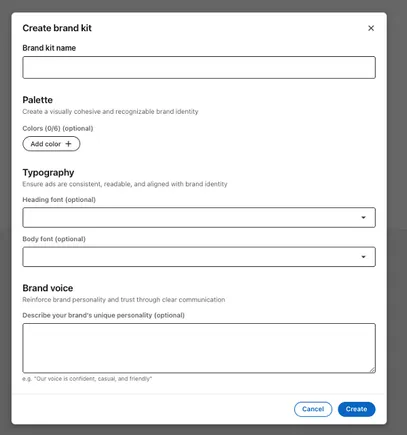
Chronology: From Concept to Global Launch
The journey toward this comprehensive AI suite has been methodical, reflecting LinkedIn’s cautious but deliberate approach to generative AI integration.
- Early 2024: Industry insiders and eagle-eyed users first noticed experimental testing of "Brand Kit" features within the platform’s backend, signaling a pivot toward more structured asset management.
- Late Q3 2024: Following the testing phase, reports emerged that LinkedIn was refining its "Draft with AI" tool, allowing for more specific user inputs regarding campaign goals and target audiences.
- Present Day: LinkedIn has formally announced the global rollout of these tools, marking the transition from beta testing to a core product offering for business accounts.
This trajectory underscores a broader industry trend: platforms are moving away from manual, one-off creative tasks and toward "collaborative AI" workflows, where the platform suggests and iterates while the human marketer provides the strategic oversight.
Supporting Data: Why Personalization Matters
In the landscape of B2B marketing, the challenge has historically been balancing scale with relevance. Data suggests that personalized messaging—content that speaks directly to a user’s professional journey, such as their specific role or industry pain points—significantly increases engagement rates.

LinkedIn’s new ad personalization tools utilize the platform’s proprietary first-party data. By dynamically inserting a user’s company name or job title into the ad creative, the platform is attempting to replicate the high conversion rates typically associated with personalized email outreach.
Furthermore, the "flexible ad creation" system represents a shift toward algorithmic optimization. By allowing the platform to mix and match images, videos, and headlines, LinkedIn is essentially performing "Darwinian" marketing: the system automatically shifts budget toward the creatives that generate the highest engagement, effectively pruning underperforming assets in real-time. This reduces the administrative burden on media buyers, who no longer need to manually A/B test every permutation of a campaign.
Official Responses and Strategic Rationale
LinkedIn’s leadership has framed these updates as a necessity in an era of "content saturation." According to company statements, the objective is to enable marketers to move faster without sacrificing the quality or the soul of their brand.
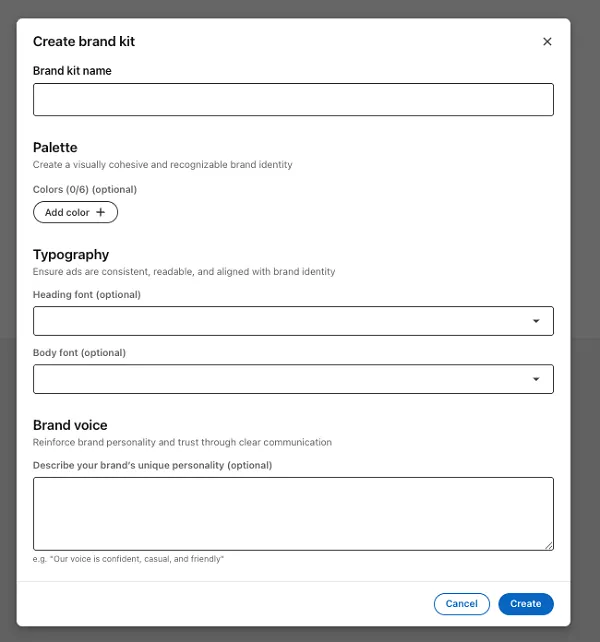
"Simply provide the images, videos, and copy you want to use in your campaign, and LinkedIn mixes and matches them for you to create more creatives," the company stated in its release. This reflects a shift in the role of the marketer: they are moving from being the creator of individual assets to the curator of brand parameters.
By defining the "rules of engagement" within the Brand Kit, marketers can feel confident that the AI will operate within the guardrails they have established. This effectively mitigates one of the primary risks of generative AI—the fear that automated tools might produce off-brand or inconsistent messaging that could dilute corporate identity.
Implications for the Future of B2B Marketing
The introduction of these tools carries profound implications for the advertising industry, particularly for B2B marketers who operate in high-trust, high-stakes environments.
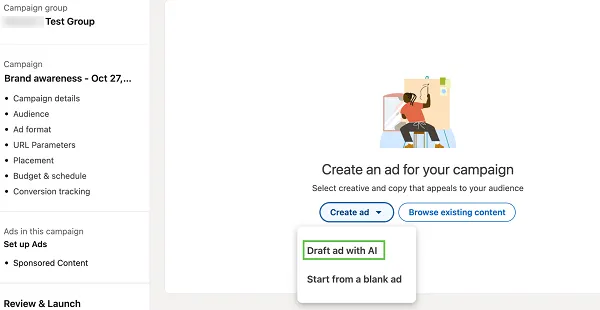
The Death of Manual A/B Testing?
For years, digital marketers have spent countless hours manually setting up A/B tests to determine which headlines or images perform best. LinkedIn’s automated variant generation and performance-based delivery effectively outsource this task to the algorithm. While this is a massive time-saver, it necessitates a change in skill sets. Marketers will need to become more proficient in "prompt engineering" and "brand stewardship" rather than manual campaign configuration.
The Rise of "Hyper-Personalization"
The personalization tools—referencing job titles and industries—bridge the gap between mass-market advertising and direct sales. As AI becomes better at identifying which combinations of creative elements resonate with specific professional personas, we may see a decline in generic "brand awareness" ads, replaced by highly targeted, persona-driven messaging that feels like a private recommendation.
The Brand Consistency Challenge
With the ease of generating unlimited ad variations, there is a risk of creative fragmentation. This is exactly why the Brand Kit is so critical. As companies scale their creative output, the risk of "brand drift" increases. LinkedIn’s requirement for marketers to pre-load fonts, colors, and voice guidelines is a proactive move to ensure that the speed of AI does not come at the expense of the professional polish that LinkedIn’s user base expects.
A Hybrid Future
Ultimately, these tools represent a hybrid future. They are not designed to replace the creative director or the copywriter, but rather to serve as a force multiplier. By handling the repetitive, labor-intensive aspects of campaign assembly—mixing and matching assets, generating variants, and tailoring text to audience segments—the AI allows human marketers to focus on what they do best: developing the core strategy, understanding market sentiment, and fostering authentic connections.
Final Thoughts
LinkedIn’s new AI suite is more than just a collection of features; it is a fundamental redesign of the advertising workflow. By embedding AI into the very fabric of campaign creation, LinkedIn is acknowledging that the future of marketing lies in the synergy between human strategy and machine efficiency. For the modern B2B marketer, the transition may feel daunting, but the potential to unlock higher engagement through automated personalization and iterative testing is too significant to ignore. As these tools continue to evolve, the brands that embrace this AI-assisted workflow will likely find themselves at a distinct competitive advantage, capable of delivering the right message to the right professional at the exact right moment.