Sagoh
Sagoh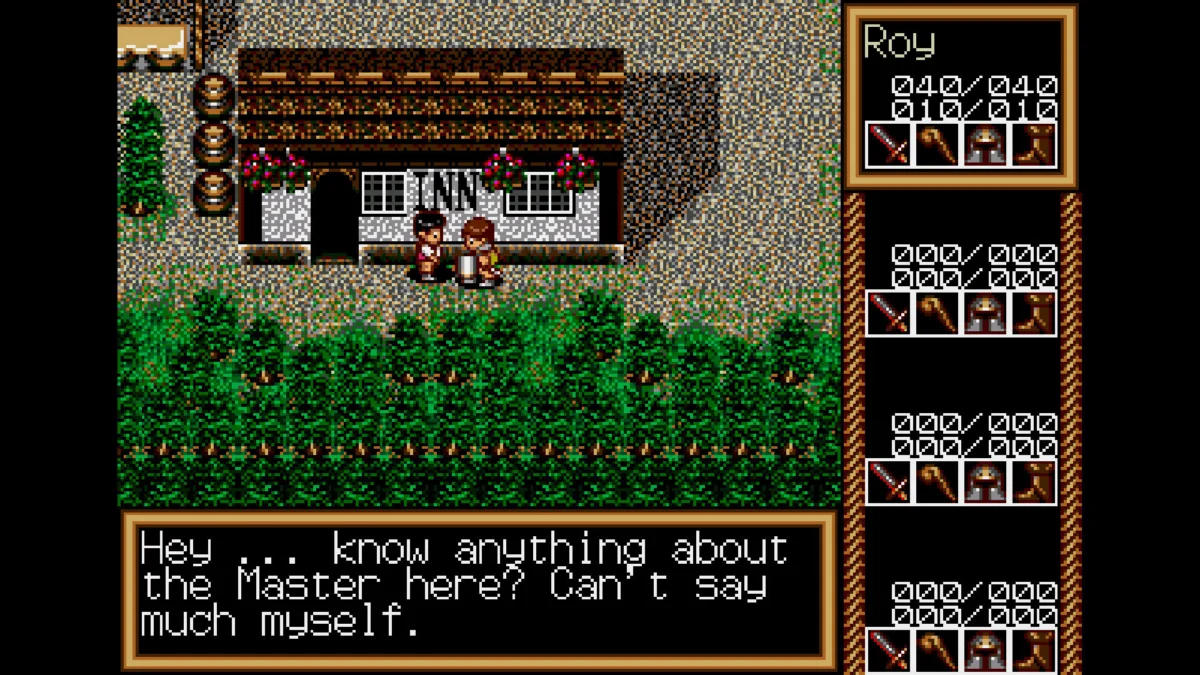
The landscape of 16-bit role-playing games is often defined by the titans of the era: the sweeping, space-faring epics of Phantasy Star or the tactical depth of the Shining series. Yet, the annals of the Sega Genesis and Mega Drive library contain forgotten relics that rarely saw the light of day in Western markets. Among these is Traysia, a 1992 title that remained largely buried for decades. Its unexpected 2026 revival via a modern port has provided a rare opportunity to re-examine a game that time—perhaps mercifully—left behind.
Main Facts: An Obscure Legacy Unearthed
Traysia occupies a strange space in the history of console RPGs. Unlike the polished adventures that defined the Sega Genesis’s later years, Traysia arrived as a mechanically opaque, narratively disjointed, and visually taxing experience. For those who grew up in the golden age of rental stores, the game’s striking cover art—featuring a formidable dragon—stands as its most recognizable feature, yet few can claim to have actually played the title to completion during its initial release window.
The recent port, handled by Ratalaika, serves as a digital archaeology project of sorts. However, the process of modernizing the game has laid bare the fundamental design flaws that plagued the original cartridge. Without the inclusion of modern quality-of-life features, such as save states, turbo-speed toggles, and cheat exploits, Traysia would be functionally impenetrable for the modern player. It is a stark reminder that not all "hidden gems" are diamonds in the rough; some are simply relics that failed to resonate with the design standards of their own generation.
Chronology: A Narrative of Disjointed Chapters
The narrative structure of Traysia is perhaps its most jarring element. The game is divided into five distinct chapters, each separated by significant time skips that provide zero context or transitional exposition.
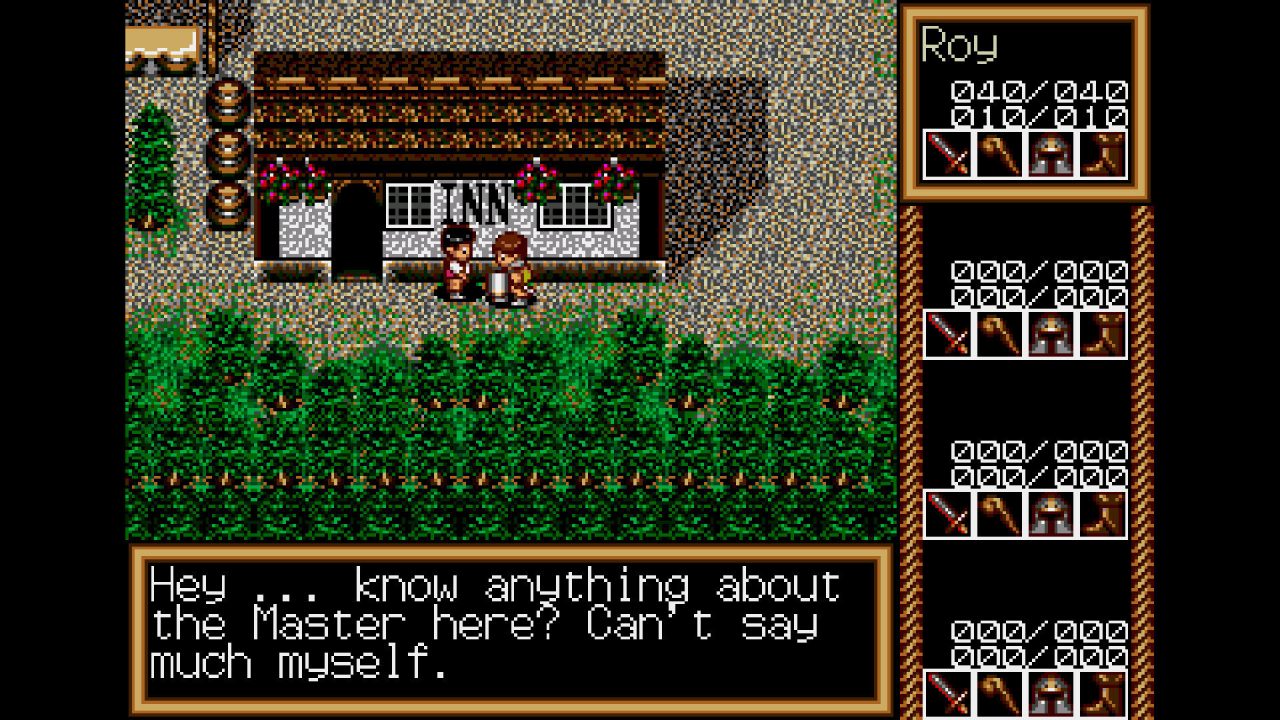
The story follows a protagonist named Roy, who begins his journey bidding farewell to his girlfriend, Traysia, to embark on a merchant expedition with his uncle. In a move that defies standard storytelling logic, the game’s own (largely illegible) manual reveals that Roy is promptly abandoned by his uncle during their travels. Players are then thrust into a wooded village, left to piece together the narrative scraps as they appear.
Roy eventually joins a band of mercenaries to hunt monsters terrorizing local trade routes, only to be betrayed by a wizard named Floyd. This betrayal serves as the primary catalyst for the remainder of the game, as Roy seeks to thwart a mysterious master’s plans for dominance. While the game does attempt a few late-game plot twists, they are ultimately undermined by the minimal, often cryptic dialogue that defines the player’s interactions with NPCs.
The pacing is severely hampered by these chapters; the lack of connective tissue between the acts makes the player feel less like a hero on a quest and more like a spectator wandering through disconnected vignettes of a poorly explained world.
Supporting Data: Mechanical Frustrations and Design Flaws
The core gameplay loop of Traysia is a masterclass in obfuscation. The game suffers from a lack of user-friendly interface design, which, in 1992, could be attributed to a lack of refinement, but in a 2026 port, feels unforgivable.
The UI and Menu Crisis
Navigating the menus in Traysia is a tedious, "twiddly" affair. The icon-based interface provides no descriptive text, leaving players to guess the function of essential items, such as restorative foods or mysterious gemstones. With no in-game explanation for equipment compatibility or item utility, players are forced to consult external, fan-maintained online guides just to perform basic tasks like equipping a sword or managing an inventory.
A Clumsy Tactical Battlefield
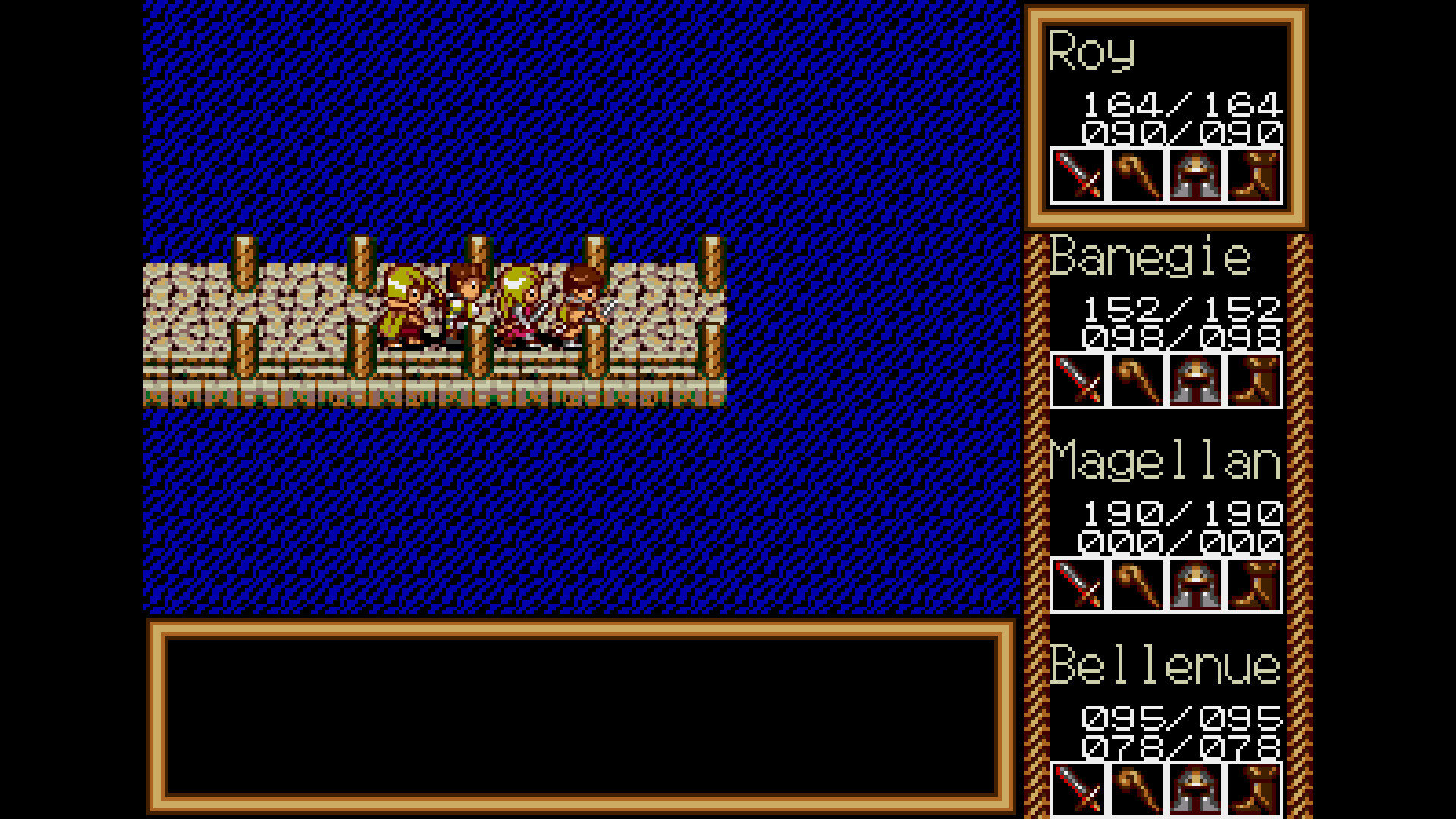
The combat system attempts to marry traditional turn-based mechanics with the positioning requirements of a Strategy RPG (SRPG). Characters move across a grid-like battlefield, but they frequently obstruct one another, leading to a situation where party members are effectively locked out of their own turns. The "defend" icon, counter-intuitively, is the primary method for repositioning characters, while the "foot" icon is reserved for escaping. These systems lack the fluidity seen in contemporary titles, turning what should be dynamic skirmishes into long, drawn-out battles of attrition.
The Auditory Experience
The soundtrack represents the only area where Traysia finds a modicum of success. While the majority of the score—dungeon, town, and battle themes—is forgettable 16-bit chiptune filler, three tracks stand out: the title theme, the end credits, and the stirring field theme of Chapter 5. However, these successes are overshadowed by the limitations of the Genesis sound chip, which fails to capture the warmth or dynamic range found in the competing SNES architecture of the era.
Official Responses and Accessibility
The recent port by Ratalaika is a double-edged sword. By providing access to the game on modern hardware, they have enabled a wider audience to experience the title, but they have also highlighted the extreme deficiencies of the source code.
The inclusion of an original instruction manual scan is a welcome touch for historical preservation, yet it serves as a symbolic failure of the package: the images are far too blurry to read. This is a critical oversight, as the manual contains essential lore and mechanical explanations that are nowhere to be found within the game itself. Without the modern "cheat" menu and turbo functions, the game’s grind—exacerbated by a lack of healing facilities in some towns and a punishing, non-linear progression system—would likely render the game unfinishable for the average player.
Implications: The Ethics of Preservation vs. Playability
The revival of Traysia raises a broader question regarding the preservation of "junk" software. Is it necessary to resurrect titles that were fundamentally broken upon release?
From a historical perspective, Traysia is a cautionary tale of 16-bit game design. It illustrates the pitfalls of relying on external documentation (the manual) to explain core gameplay, as well as the risks of implementing overly complex, poorly explained mechanics like the grid-based battle system.
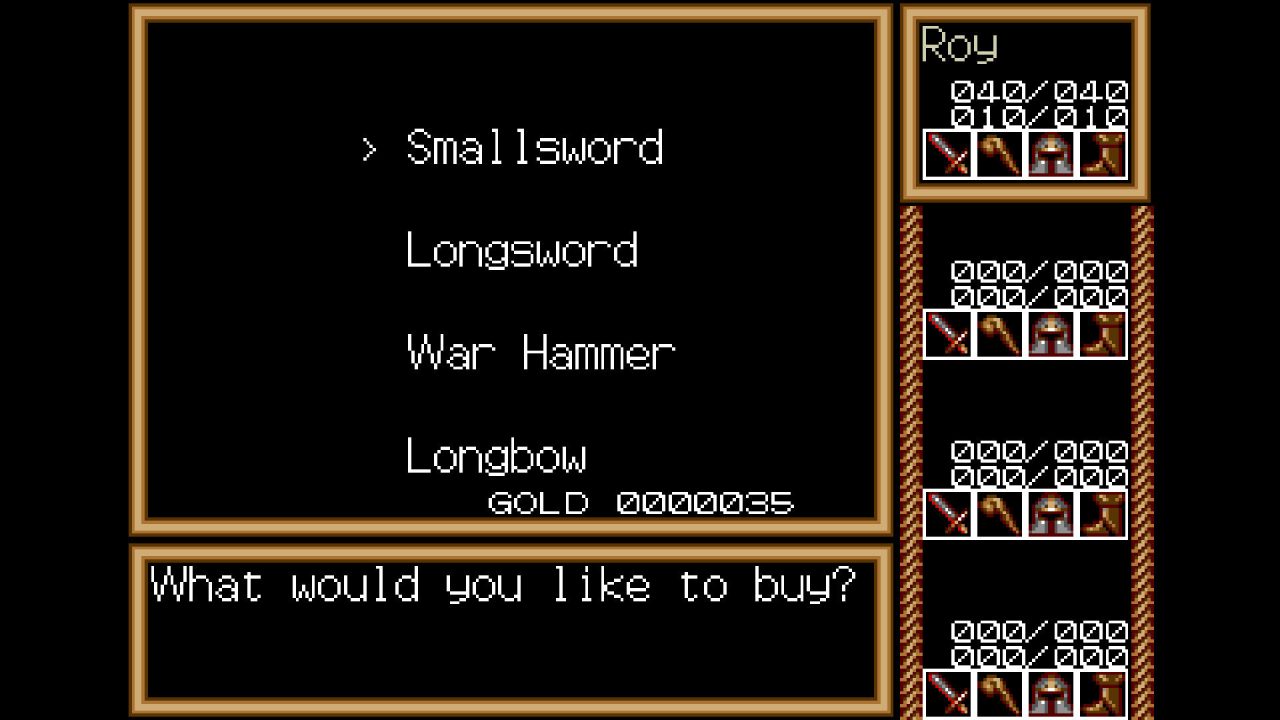
The visual presentation—characterized by grainy, low-contrast textures and a lack of landmarks—further exacerbates the difficulty of navigation. Players often find themselves wandering aimlessly through labyrinthine, repetitive dungeons, a task so tedious that it necessitates the use of the aforementioned turbo-speed exploits. When a game’s primary "feature" is a button that allows you to skip playing it as quickly as possible, the project has failed its fundamental purpose of entertainment.
Ultimately, Traysia sits at the bottom of the 16-bit RPG hierarchy. It lacks the artistic identity of Phantasy Star II and the mechanical charm of more obscure imports. While it may serve as a point of morbid curiosity for those obsessed with the Sega Genesis era, it remains an artifact best viewed from a distance. The industry has moved on, and after navigating the five-chapter slog of Traysia, it becomes clear that there are far more deserving titles from the 90s that warrant the effort of a modern revival.


 Asro
Asro
 Muslim