Raul Delapena Setiawan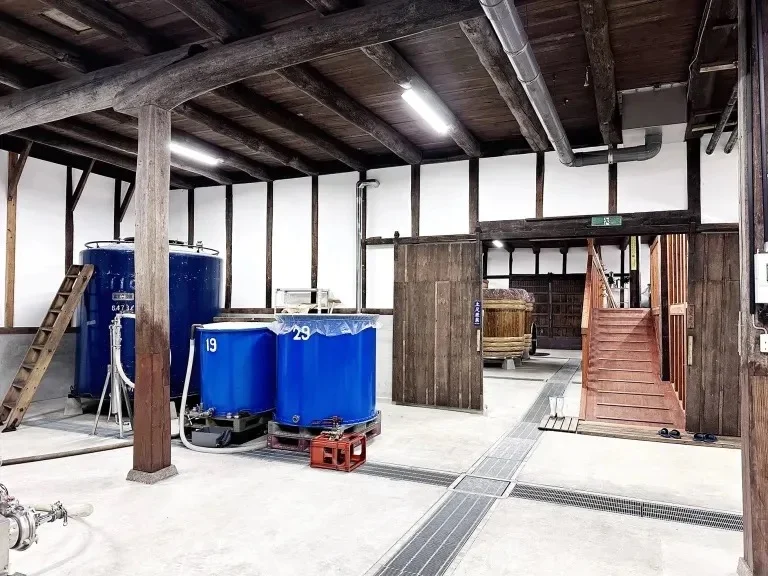
In a move that signals a tectonic shift in Japan’s cultural and administrative landscape, the National Tax Agency (NTA) has finally scrubbed a controversial phrase from its official website: "Alcohol is the best medicine." For decades, this ancient proverb served as a pillar of the NTA’s "Information on Alcohol" section, framing moderate drinking as a beneficial tonic for the mind and body. While the NTA maintained that they were merely quoting history, the presence of the phrase on a government portal effectively institutionalized a pro-drinking narrative.
Following pressure from the Cabinet Office’s Food Safety Commission—and in the face of mounting global medical consensus that the "net health benefits" of alcohol are effectively zero—the NTA quietly removed the sentiment last April. This policy pivot is more than just a website edit; it is the latest chapter in a long, strained relationship between the Japanese government, its tax coffers, and the deeply embedded tradition of the sake industry.
The Historical Genesis: Why the Taxman Loves Sake
To understand why a national tax bureau would promote the consumption of spirits, one must look back to the Meiji Restoration of 1868. As Japan transitioned from a fragmented collection of samurai-led fiefdoms into a modern parliamentary state, the new government faced a daunting challenge: how to fund the rapid industrialization and military modernization of the nation.
At the time, the national economy was overwhelmingly agrarian. However, agricultural tax revenue was notoriously volatile, subject to the whims of typhoons, droughts, and crop blights. The government sought a more reliable, storable, and easily transportable commodity to serve as a bedrock for national revenue. They found their answer in sake.
By the dawn of the 20th century, sake had become the lifeblood of the treasury, accounting for roughly one-third of Japan’s total tax revenue. This financial dependency created an unusual administrative marriage: the Ministry of Finance became the primary caretaker of the brewing industry. In 1904, the government established the National Research Institute of Brewing (NRIB). Its mission was not merely to regulate, but to standardize and innovate, ensuring that the national product remained high-quality and, crucially, consistently profitable.
Chronology: From Essential Revenue to Institutional Habit
- 1868 (The Meiji Restoration): The Japanese government identifies sake as a stable, taxable asset to fund rapid national modernization.
- 1904: The Ministry of Finance establishes the National Research Institute of Brewing (NRIB) to ensure the stability and quality of the national sake industry.
- Post-WWII: The government reorganizes; the NTA is spun off from the Ministry of Finance, inheriting the NRIB and its traditional mandate to support alcohol producers.
- Late 20th Century: Alcohol consumption is institutionalized via after-work nomikai (drinking parties) and the proliferation of ubiquitous vending machines.
- 2023–2024: Mounting pressure from public health advocates and the Food Safety Commission forces the NTA to scrub health-promoting language regarding alcohol from its website.
- Present Day: A marked decline in youth alcohol consumption forces the government to re-evaluate its role as a promoter of the spirits industry.
The Modern Paradox: The IRS of Alcohol
Even as alcohol tax revenue has plummeted to represent a mere one percent of Japan’s current national tax intake, the NTA’s administrative DNA remains unchanged. In a bizarre bureaucratic holdover, the agency responsible for collecting income and corporate taxes remains the official steward of the nation’s alcohol producers.
This arrangement is effectively the equivalent of the United States’ Internal Revenue Service (IRS) organizing Oktoberfest festivals or hosting seminars on the health benefits of craft beer. While the NTA defends this as a practical necessity—arguing that the brewing industry is vital to the economic survival of rural areas struggling with depopulation—critics argue that the government’s vested interest has skewed public health messaging for generations.
The promotion of alcohol as "medicine" dates back to the Book of Han, a classic Chinese historical text written between 200 BC and 100 AD. In an era where clean water was rare and medical science was in its infancy, alcohol was often a safer, albeit misunderstood, alternative to tainted water. However, the NTA’s insistence on keeping this archaic sentiment alive in the 21st century created a disconnect with modern medical reality, where the link between alcohol and increased risks of cancer, cardiovascular issues, and liver disease is well-documented.
Public Dissent and the Shifting Cultural Tide
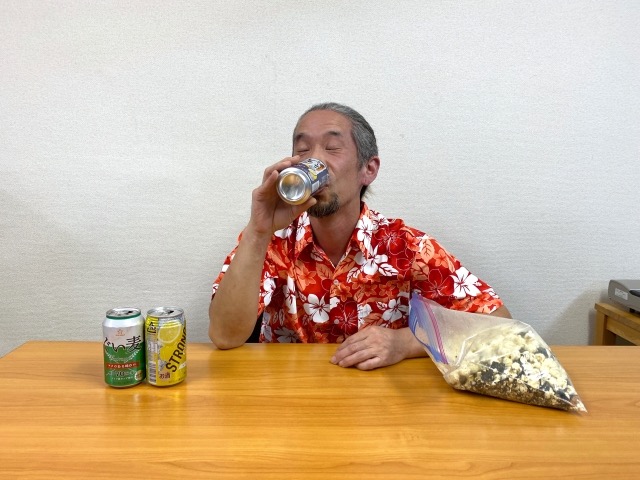
The government’s traditional stance has not gone unchallenged. The Japanese public, particularly the younger generation, is increasingly vocal about the hypocrisy of government-sanctioned drinking. The removal of the "best medicine" phrase was met with a chorus of skepticism on social media, where users compared the NTA’s stance to that of an addict in denial.
"The NTA sounds like an alcoholic," one commenter noted, echoing a sentiment that has gained significant traction. Others pointed out the logical inconsistency of promoting a substance that is objectively toxic to the body. "There is absolutely no truth to a little alcohol being good for you," wrote another.
This shift in sentiment is not merely digital; it is reflected in consumer behavior. Data from the Japanese government itself suggests that young adults are drinking less than their predecessors. Whether this is due to rising health consciousness, economic constraints, or a rejection of the mandatory "after-work drinking" culture, the trend is undeniable.
Implications: The End of an Era?
The implications of this shift are profound. For over a century, the Japanese government has treated alcohol not just as a taxable commodity, but as a cultural pillar to be supported. The NTA’s recent retreat is a tacit admission that the state can no longer afford to equate the prosperity of the sake industry with the physical health of the population.
However, the transition away from this model is fraught with difficulty. Many rural breweries are cultural institutions that provide jobs in regions with few other economic drivers. The government now faces a delicate balancing act: how to support the economic viability of these regions without implicitly endorsing the consumption of a harmful product.
Furthermore, the "gravitation away from alcohol" among the youth poses a long-term challenge to the NTA’s fiscal planning. If the youth continue to reject the drinking habits of the Meiji and Showa eras, the government will need to find new ways to incentivize rural economies and manage the legacy of the NRIB without relying on the myth that alcohol is a medicinal tonic.
Conclusion
The story of Japan’s relationship with alcohol is a case study in how government mandates can become fossilized, surviving long after their original purpose has faded. While the phrase "alcohol is the best medicine" has been relegated to the archives, the influence of the state on drinking culture remains a complex, unresolved issue.
As Japan navigates its future, it will likely move further away from the era when the taxman was also the liquor salesman. The path ahead will require a new, more transparent approach to public health—one that acknowledges the historical significance of sake while prioritizing the scientific realities of the modern age. For now, the NTA has taken a necessary, albeit long-overdue, step toward separating the business of taxation from the promotion of a substance that the world is finally learning to drink with more caution.


 Neng Nana
 Asro
Asro