Asro
Asro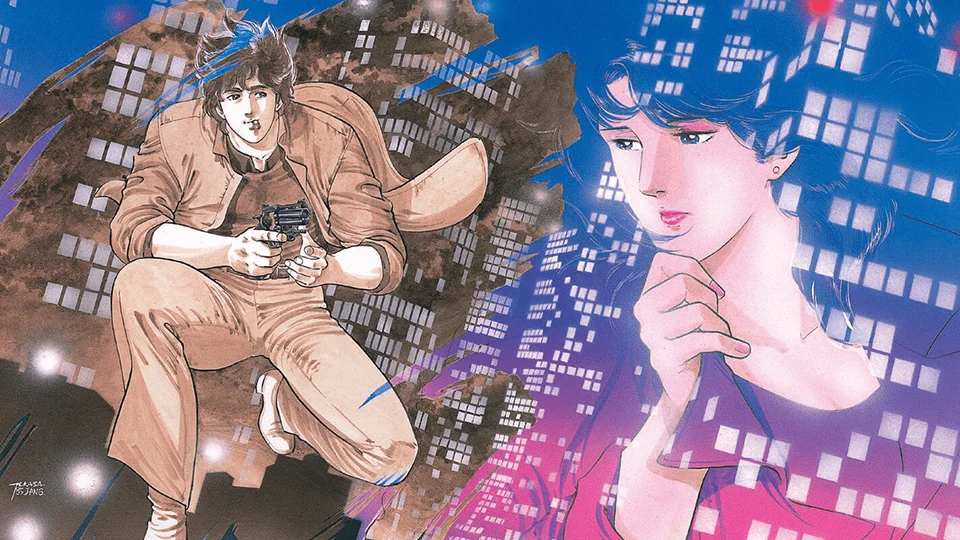
The landscape of classic manga in the Western market is undergoing a significant transformation. As contemporary audiences seek out the roots of modern tropes, publishers are increasingly looking toward the "Golden Age" of the 1980s to satisfy a growing appetite for retro-cool aesthetics and hard-boiled storytelling. At the center of this cultural renaissance is Tsukasa Hojo, a mangaka whose work defined the urban atmosphere of late 20th-century Tokyo.
With the upcoming release of the City Hunter and Cat’s Eye Omnibus editions by Abrams Books under their Kana imprint, a new generation of readers—and seasoned collectors—is poised to rediscover the "Hojo-verse." These editions, scheduled for a wide release on September 23, 2025, arrive at a time when Hojo’s influence is more visible than ever, buoyed by high-profile streaming adaptations and a global fascination with the "City Pop" era.
Main Facts: The Return of the Urban Classics
The upcoming release from Abrams Books represents a significant milestone for English-speaking fans of Tsukasa Hojo. For years, Hojo’s work has been notoriously difficult to access in high-quality, comprehensive formats in North America. The new Omnibus Volume 1 editions for both City Hunter and Cat’s Eye aim to rectify this by providing premium, collectible versions of these seminal works.
Each omnibus is a "3-in-1" collection, meaning it compiles the first three volumes of the original Japanese tankōbon releases.
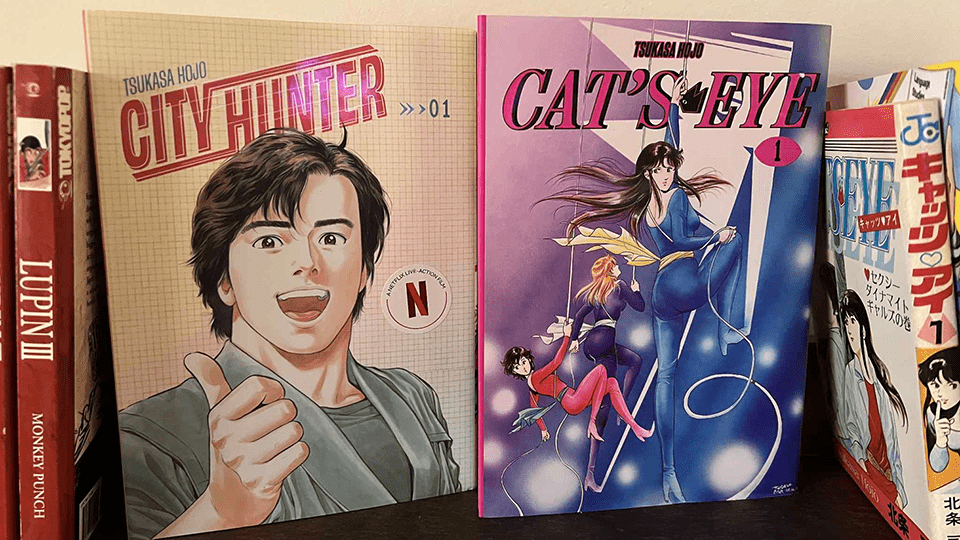
- Cat’s Eye Omnibus Vol. 1: Includes 23 chapters, introducing the Kisugi sisters—Hitomi, Rui, and Ai—who balance their lives as café owners by day and world-class art thieves by night.
- City Hunter Omnibus Vol. 1: Contains 25 chapters, detailing the early exploits of Ryo Saeba, the legendary "sweeper" of Shinjuku, and the tragic circumstances that lead to his partnership with Kaori Makimura.
These editions are not merely reprints; they are curated archival objects. They feature high-quality translation work, full-color glossy inserts, and two-color pages that replicate the original serialized experience in Weekly Shōnen Jump. The inclusion of dust jackets and behind-the-scenes commentary further elevates these volumes into the "prestige" category of manga publishing.
Chronology: From 1981 to the Streaming Era
To understand the weight of these releases, one must look at the timeline of Tsukasa Hojo’s career and the enduring legacy of his characters.
- 1981–1985: The Cat’s Eye Era. Hojo made his mark with Cat’s Eye, a series that blended the heist genre with romantic comedy. It became an instant hit, eventually spawning a popular anime series (1983) and establishing Hojo’s signature style: detailed, realistic character designs, fashionable attire, and a sophisticated urban setting.
- 1985–1991: The City Hunter Phenomenon. Following the success of Cat’s Eye, Hojo launched City Hunter. While it shared the urban "noir-lite" setting of its predecessor, it introduced a more complex protagonist in Ryo Saeba. The series ran for six years and became a global powerhouse, particularly in France (where it was known as Nicky Larson) and Hong Kong.
- The 1990s and 2000s: Global Adaptations. The 1993 live-action film starring Jackie Chan and the 2011 South Korean drama starring Lee Min-ho demonstrated the cross-cultural appeal of City Hunter, though these versions often strayed far from the source material.
- 2018–2024: The Modern Revival. The 2018 French film Nicky Larson et le parfum de Cupidon was hailed for its surprising accuracy to Hojo’s tone. This was followed by the 2024 Netflix live-action City Hunter film, which utilized modern Shinjuku as a backdrop to retell Ryo’s origin story for a global streaming audience.
- 2025: The Disney+ and Abrams Books Milestone. September 2025 marks a dual peak for the franchise: the premiere of a new Cat’s Eye anime adaptation on Disney+—which promises a faithful adherence to the manga, including the return of the character "The Rat"—and the release of the Abrams Books omnibus editions.
Supporting Data: Production Quality and Editorial Excellence
The Abrams Books/Kana editions are designed to be the definitive English-language versions of these stories. Technical specifications and editorial additions provide a compelling argument for their inclusion on any collector’s shelf.
Technical Specifications
The volumes are notable for their physical "weightiness." By packing three volumes into one, the books offer a substantial reading experience. The Cat’s Eye omnibus includes 48 pages of two-color inserts, a rarity in modern manga reprints which often convert such pages to grayscale to save on costs. The City Hunter volume follows suit with six pages of full-color glossy inserts.

Editorial Depth
Beyond the artwork, the City Hunter omnibus provides essential context for the series’ creation. It includes:
- Author Commentary: Hojo provides insights into the "making of" various chapters, offering a glimpse into the pressures of 1980s manga serialization.
- Historical Interviews: An end-of-volume interview discusses the genesis of the first few chapters, revealing how Ryo Saeba evolved from a one-off concept into a cultural icon.
- Translation Notes: A crucial addition for Western readers is the explanation of cultural nuances, such as the meaning of mokkori—Ryo Saeba’s infamous "lecherous" catchphrase/state of mind. Understanding mokkori is central to understanding the tonal balance of City Hunter, which fluctuates between high-stakes gunplay and absurd slapstick.
Official Context: Why Now?
The decision by Abrams Books to release these editions in late 2025 is a strategic response to a changing media landscape. For decades, Tsukasa Hojo’s work was underrepresented in the West compared to peers like Akira Toriyama (Dragon Ball) or Rumiko Takahashi (Ranma ½). However, several factors have converged to make 2025 the "Year of Hojo."
The Netflix City Hunter film (2024) proved that there is a massive appetite for "adult-leaning" shōnen—stories that feature mature protagonists, gunplay, and noir themes but retain the humor and heart of traditional manga. Simultaneously, the "City Pop" aesthetic—a music and visual movement centered on 1980s Japanese urban luxury—has exploded on social media platforms like TikTok and YouTube. Cat’s Eye and City Hunter are the visual blueprints for this aesthetic, featuring the sleek cars, neon lights, and high-fashion wardrobes that define the era.
By releasing these volumes alongside the new Disney+ Cat’s Eye anime, Abrams Books is tapping into a "transmedia" moment. New fans coming from the anime or the Netflix film now have a direct, high-quality pipeline to the original source material.

Implications: The Legacy of Tsukasa Hojo
The re-release of City Hunter and Cat’s Eye has broader implications for the manga industry and its fans.
For the Manga Industry
The success of these omnibus editions may signal a shift in how classic titles are handled. Rather than low-cost, mass-market paperbacks, publishers are seeing success with "archival" editions. This suggests that the market for classic manga is maturing; readers are no longer just looking for a story, but for a piece of history that looks good on a bookshelf.
For the Hojo Legacy
These editions solidify Tsukasa Hojo’s place as a master of character dynamics. Cat’s Eye remains a fascinating study in the "thief vs. detective" trope, heightened by the romantic tension between Hitomi and Toshio. It subverts the traditional damsel-in-distress narrative by placing the sisters in a position of absolute competence and agency.
City Hunter, meanwhile, remains a masterclass in the "lonely hero" archetype. Ryo Saeba is a precursor to many modern "cool" protagonists, but Hojo’s genius was in grounding Ryo’s superhuman skill with deep-seated flaws and a tragic backstory. The relationship between Ryo and Kaori—starting with the death of her brother Makimura—is one of the most celebrated slow-burn romances in manga history.

Cultural Continuity
The inclusion of Shinjuku Station’s "XYZ" message board in the City Hunter omnibus serves as a reminder of a pre-digital world where mystery and urban legend felt more tangible. For modern readers, these stories offer a form of "analog escapism," a window into a world of payphones, physical letters, and Shinjuku nights that feel both grounded and fantastical.
Conclusion
The City Hunter and Cat’s Eye Omnibus Vol. 1 editions are more than just books; they are a celebration of Tsukasa Hojo’s enduring vision of Tokyo. As they hit shelves on September 23, they offer a perfect entry point for those intrigued by the Netflix and Disney+ adaptations, and a long-awaited treasure for those who have followed Ryo Saeba and the Kisugi sisters for decades. In an era of fleeting digital content, these weighty, beautifully produced volumes stand as a testament to the timeless appeal of a well-told story, a sharp suit, and a 100-ton hammer.


 Laily UPN
 Dwi Wanna