Sagoh
Sagoh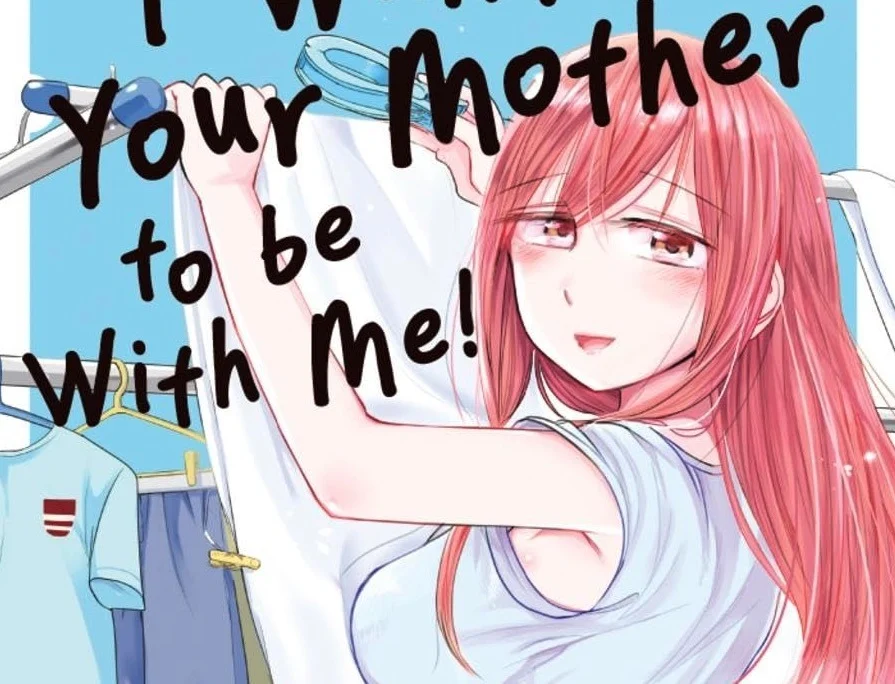
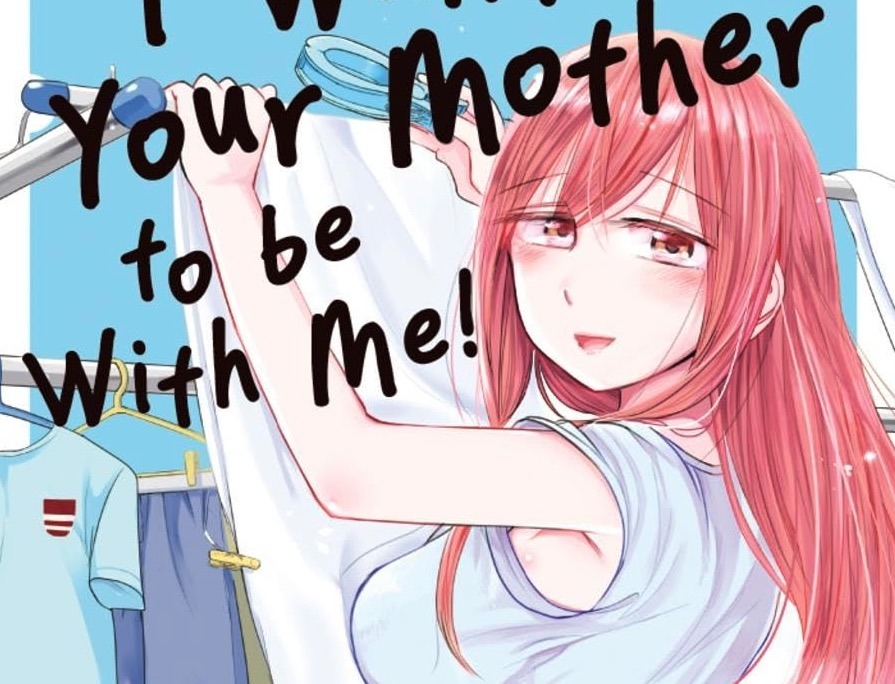
The landscape of contemporary romance manga is undergoing a subtle but significant transformation. While the market has long been dominated by high school melodramas and fantastical "isekai" power fantasies, a growing niche of "adult-oriented" slice-of-life stories is capturing the hearts of readers worldwide. One of the most striking recent additions to this genre is I Want Your Mother to Be with Me! (Japanese Kimi no Okaasan wo Boku ni Kudasai!), written and illustrated by the talented Yutaka Tazawa.
Published in English by One Peace Books, the series presents a narrative that is simultaneously provocative in its title and deeply wholesome in its execution. By blending the "super-pure" romance trope with the grounded realities of single motherhood and economic instability, Tazawa has crafted a story that resonates with the complexities of modern adulthood.
Main Facts: A Bold Premise Grounded in Reality
At its core, I Want Your Mother to Be with Me! follows the life of Ryo, a young man currently caught in the precarious limbo of Japan’s "freeter" lifestyle. Ryo works part-time jobs while dedicatedly studying to pass his accounting exams—a professional certification that promises a stable, middle-class future he has yet to achieve. His life takes a sharp turn when he falls for his coworker, Yuzuki.
Yuzuki is not the typical manga heroine. She is a widow and a single mother, navigating the challenges of raising a five-year-old son alone after the untimely death of her husband shortly after the child’s birth. The series immediately distinguishes itself by centering on a woman whose primary identity is that of a mother, rather than a romantic object.
The central conflict of the first volume arises from Ryo’s earnest, if somewhat impulsive, declaration of love. Unlike many romance protagonists who pine in silence for dozens of chapters, Ryo moves "full steam ahead," proposing a relationship with the explicit intention of marriage. This sets the stage for a narrative that explores the intersection of romantic desire and familial responsibility.
Chronology of the Narrative: From Rejection to Connection
The story’s progression avoids the traditional "will-they-won’t-they" tropes in favor of a more mature, albeit humorous, character study.
The Failed Confession and the Reality Check
The narrative begins with Ryo’s bold confession. Expecting a moment of shoujo-style sparkle, he is instead met with a firm and immediate rejection. Yuzuki’s dismissal is not based on a lack of affection for Ryo as a person, but on the logistical and ethical realities of her life. She bluntly informs him that a part-time worker—no matter how kind or well-intentioned—lacks the financial stability required to support a growing child.
This moment serves as a pivot point for the series. It moves the story away from a simple pursuit of romance and into a commentary on what it means to be a provider. Yuzuki’s declaration that she is "a mom before anything else" establishes the stakes: Ryo cannot simply win her heart; he must prove he can be a part of her family.
The Pivot to Friendship and "Bug-Catching"
Following the rejection, Ryo demonstrates a level of maturity rarely seen in "persistent suitor" characters. Rather than becoming resentful or overly aggressive, he accepts Yuzuki’s boundaries while maintaining his desire to be in her life. This leads to the introduction of Yuzuki’s five-year-old son, a hyperactive and "bug-obsessed" child who becomes the unintentional bridge between the two adults.
Ryo’s attempts to bond with the son over entomology and outdoor play serve two narrative purposes. First, they provide the "laid-back" humor that defines the slice-of-life genre. Second, they allow Yuzuki to see Ryo in a domestic light. The middle chapters of the initial volume focus heavily on these interactions, building a foundation of trust that is far more durable than the initial "crush" Ryo harbored.
The Cliffhanger and Future Trajectory
As the first volume concludes, the dynamic shifts from a one-sided pursuit to a mutual, if cautious, appreciation. The artwork, known for its ability to convey subtle emotional shifts, highlights Yuzuki’s softening stance. The volume concludes on a cliffhanger that suggests the barriers between Ryo’s ambitions and Yuzuki’s protective instincts are beginning to blur, setting the stage for a long-form exploration of their evolving relationship.
Supporting Data: Genre Analysis and Artistic Style
To understand the success of I Want Your Mother to Be with Me!, one must look at the specific stylistic choices made by Yutaka Tazawa and the broader trends in the manga industry.
The "Super-Pure" vs. The Visual Aesthetic
The manga is marketed as "super-pure," a term used in the industry to denote stories focused on genuine emotional connection, kindness, and "healing" (known in Japan as iyashikei). However, the series maintains a slight edge through its visual presentation. As noted by critics and the author herself, the character designs—particularly Yuzuki’s—do not shy away from a certain level of "fanservice," often emphasizing her maternal but attractive physique.
This juxtaposition creates a unique reading experience. While the art might initially attract a demographic looking for "milf" tropes (a common, if often fetishistic, category in manga), the writing subverts these expectations by treating Yuzuki with immense respect and agency. The "carnal" is secondary to the "communal."
Artistic Execution
Yutaka Tazawa’s art style is characterized by its smoothness and clarity. In a genre where panels can often become cluttered with internal monologues, Tazawa allows the characters’ expressions to do the heavy lifting. The comedic timing is particularly praised; Ryo’s exaggerated reactions to the son’s bug-related antics or Yuzuki’s deadpan maternal corrections provide a rhythmic pace that keeps the story from feeling too heavy or overly dramatic.
Socioeconomic Context
The manga also serves as an accidental (or perhaps intentional) critique of the Japanese labor market. Ryo’s struggle as a "freeter" (someone who jumps between part-time jobs) is a reality for millions of young Japanese men. By linking his romantic success to his success in the accounting exam, Tazawa grounds the romance in the very real necessity of social mobility and financial security.

Official Responses and Industry Context
The English release of the manga by One Peace Books reflects a broader strategy by the publisher to bring "Seinen" (young adult male) titles that focus on domesticity and emotional growth to the Western market.
One Peace Books’ Strategic Curation
One Peace Books has developed a reputation for licensing titles that occupy the space between mainstream Shonen action and niche indie works. By picking up I Want Your Mother to Be with Me!, they are tapping into the same audience that enjoyed titles like The Rising of the Shield Hero (also published by them) but are looking for something more grounded in reality.
Critical Reception
Early reviews from outlets like Otaku USA Magazine have been overwhelmingly positive, highlighting the "endearing" nature of the protagonist. Critics have noted that Ryo’s lack of concern for Yuzuki’s "baggage"—a term often unfairly applied to single mothers—makes him a refreshing and modern protagonist. The industry response suggests that there is a significant appetite for male-targeted stories that prioritize emotional intelligence and family-building over traditional "conquest" narratives.
Implications: A New Era for Romance Manga?
The popularity and critical acclaim of I Want Your Mother to Be with Me! carry several implications for the future of the medium.
1. The Normalization of Non-Traditional Families
For decades, romance manga suggested that life essentially ended after high school or that a "ready-made" family was a burden. Tazawa’s work joins a small but influential group of stories—such as Sweetness and Lightning and The Yakuza’s Guide to Babysitting—that celebrate the "found family" and the joys of parenting. It suggests a shift toward a more inclusive definition of romance that includes the complexities of raising children.
2. The Rise of "Soft Seinen"
The "Seinen" demographic is often associated with violence or dark psychological themes. However, I Want Your Mother to Be with Me! represents the rise of "Soft Seinen," where the focus is on the emotional labor of adulthood. This subgenre appeals to older readers who see their own struggles—exam stress, career anxiety, and the desire for a stable home—reflected on the page.
3. Challenging the "Part-Timer" Stigma
By making the protagonist’s career path a central plot point, the manga addresses the social stigma surrounding part-time work in Japan. It frames Ryo’s journey not just as a quest for a wife, but as a quest for maturity and self-improvement. The implication is that being "worthy" of a partner involves more than just affection; it involves the willingness to build a stable foundation for others.
Conclusion
I Want Your Mother to Be with Me! is far more than its provocative title suggests. It is a nuanced, humorous, and deeply empathetic look at the hurdles of modern romance. Through Ryo’s earnestness and Yuzuki’s grounded maternal strength, Yutaka Tazawa has created a story that honors the difficulty of single parenthood while remaining optimistically committed to the idea that love—and a shared interest in bugs—can bridge almost any gap. As the series continues under One Peace Books, it stands as a testament to the enduring power of the "pure" slice-of-life genre.

 Ali Ikhwan
 Lina Irawan