Dwi Wanna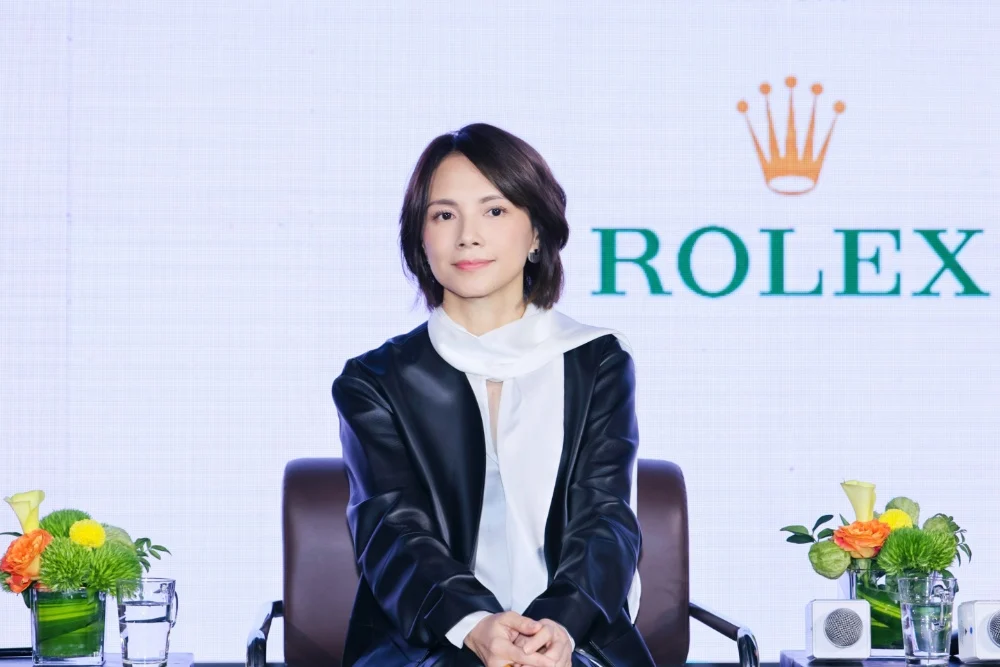
At the 10th Pingyao Crouching Tiger Hidden Dragon International Film Festival, Malaysian cinematic powerhouse Lee Sinje is not merely an attendee; she is a cornerstone of the event’s artistic dialogue. Balancing a dual role that underscores both her veteran status and her burgeoning career behind the camera, Lee serves as a juror for the prestigious Crouching Tigers international competition while simultaneously showcasing her latest creative venture, Dead Tide, which made its world premiere in the Hidden Dragons competition for Chinese-language films.
For Lee, the festival represents a confluence of her past achievements as a celebrated actress and her ambitious future as a filmmaker and storyteller. As the industry gathers to witness the evolution of global cinema, Lee stands as a beacon of artistic transition, proving that a long-standing reputation is not a cage, but a platform for new creative risks.
The Genesis of Dead Tide and Collaborative Synergy
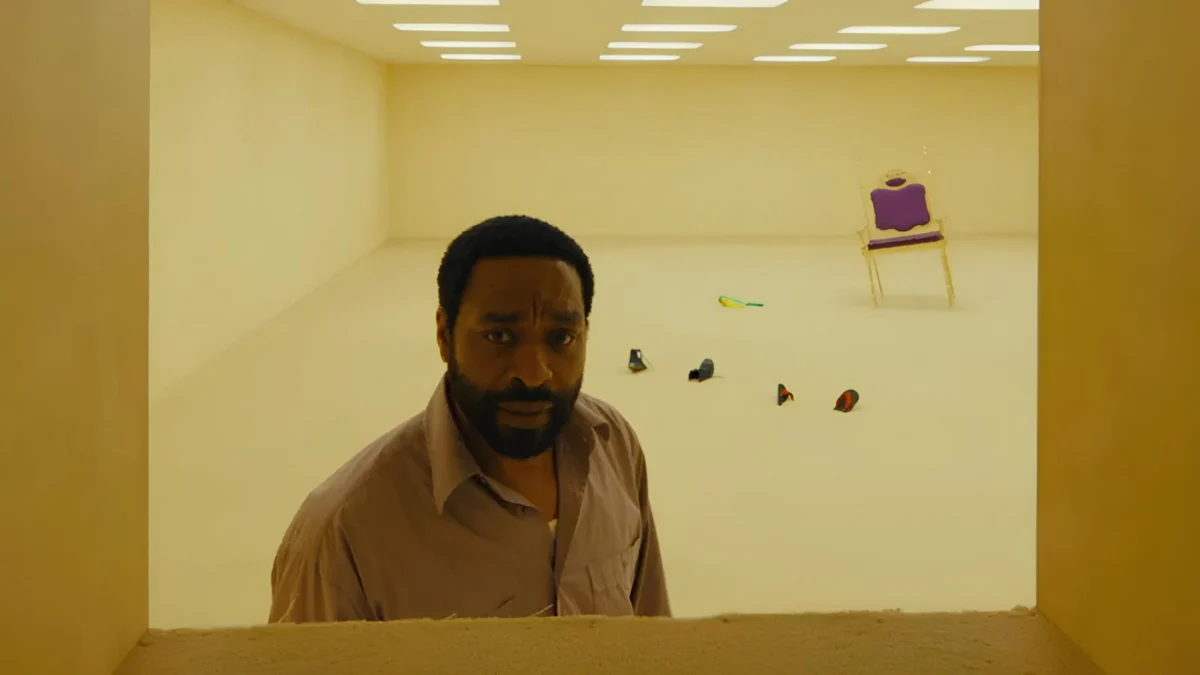
Dead Tide, a hauntingly bleak exploration of trauma and redemption, marks a significant milestone in Lee’s career. Directed by Kethsvin Chee and co-written by Lee, the film depicts the intersection of two fractured lives: a woman spiraling into madness due to systemic abuse and a man grappling with the harsh realities of reintegration following a prison sentence.
The project’s journey from script to screen is a testament to the power of artistic collaboration. The film first gained traction at the Hong Kong-Asia Film Financing Forum (HAF), where its raw emotional depth and narrative courage earned it the coveted La Fonte Award.
The partnership between Lee and Chee was solidified during their 2023 collaboration on the educational documentary series Dear Child, How Are You? Having both directed episodes for the series, the two found a rhythmic compatibility. Reflecting on their creative process for Dead Tide, Chee noted the intensity of their development phase. "Sometimes we wrote from night until early morning, scrapping the previous draft and restarting," Chee shared. "She led me like my tutor."
For Lee, the project was deeply personal. Growing up in a small Malaysian town, she witnessed firsthand the struggles of individuals living with mental health challenges in environments devoid of adequate medical support. "I felt for these people who were trapped in the mental prison," Lee explained to Variety. "So when this story came, I realized it could be a great opportunity to talk about them."
Her role as a screenwriter was defined by a commitment to depth. Rather than imposing a singular vision, she acted as a structural architect, adding nuanced layers to the protagonists and ensuring the narrative balance between the two leads remained fragile yet compelling.
A Chronology of Artistic Transition
Lee’s career trajectory is marked by deliberate, thoughtful evolution. From her early days as a star to her current ventures, she has navigated the industry with an eye toward longevity and purpose.
- The Early Ambition: Since her twenties, Lee harbored a dream of directing. Despite writing four or five scripts over the years, the transition from being a muse and performer to a director was fraught with the psychological weight of her own reputation.
- The Pandemic Pivot: The COVID-19 pandemic served as a period of profound introspection. During this global pause, Lee immersed herself in the literature of Iranian master Abbas Kiarostami. His approach to life and art—specifically the idea that one must simply take action—provided the catalyst she needed to move from contemplation to production.
- The Directorial Debut: Lee’s first feature as a director, Wanita (the Malay word for "woman"), wrapped filming just before the Pingyao festival. Edited by the renowned Oxide Pang in parallel with the shoot, the film is currently in post-production. Notably, Lee has opted to eschew AI assistance, insisting on a human-centric approach to filmmaking. The project is expected to be completed by next spring, setting the stage for a festival run.
- The Post-Festival Roadmap: Following the conclusion of the Pingyao festival on Sept. 30, Lee’s schedule remains relentless. She is set to return to the stage in Edward Lam’s musical The Xue Baochai Moments, an adaptation of the classic Dream of the Red Chamber, running in Hong Kong from Nov. 13–15. By December, she will return to Malaysia to star in a new horror feature, balancing her roles as actor and director with characteristic grace.
Supporting Data and Creative Philosophy
Lee’s transition into directing is not an attempt to distance herself from her acting roots, but rather an expansion of her creative agency. When choosing the subject for her debut feature, Wanita, she weighed two potential narratives: one based on her own life and another focusing on the struggles of other women. She chose the latter.
"I think it’s very important to speak up for them," Lee stated. "They have difficulties and I hope that I can create some awareness for the new generation’s women to make a change."
This dedication to social awareness is a hallmark of her work. She emphasizes that her focus on women’s issues is tied to her own growth and life experience, yet she maintains a strict commitment to character complexity. She avoids didactic storytelling, preferring instead to create "convincing, nuanced characters" where the dynamic between male and female leads is carefully balanced.
As a juror at the Pingyao festival, Lee’s perspective is equally pragmatic. She views the role not just as a task of evaluation, but as an opportunity for pedagogical growth. "It’s very important to know how new filmmakers tell stories, keeping me updated with the business’s newest vision," she noted. She cited the festival’s experimental entries as particularly influential, noting that they have "broken the traditional method of storytelling" and helped "open [her] mind."
Official Responses and Industry Implications
The industry response to Lee’s recent moves has been overwhelmingly positive. By leveraging her resources to mentor and collaborate with emerging Malaysian talent, Lee is positioning herself as a bridge between the established guard and the future of Southeast Asian cinema.
Her collaboration with Kethsvin Chee is emblematic of this strategy. Rather than dictating terms, she describes their relationship as a balanced partnership where no arguments occurred—a rarity in the often high-pressure environment of film production. Her willingness to share her expertise while being receptive to new, experimental methods of storytelling marks her as a leader who prioritizes the integrity of the project over individual ego.
Furthermore, her stance on the use of technology in the creative process is noteworthy. In an era where AI-generated scripts and editing tools are becoming increasingly common, Lee’s insistence on a manual, human-driven production process for Wanita sends a strong signal to the industry regarding the value of the "human touch" in storytelling.
Future Outlook: The Maturation of a Visionary
As Lee Sinje moves forward, the implications of her transition are clear. She is not merely shifting roles; she is redefining the scope of what a "star" can achieve. By mastering the crafts of screenwriting and directing, she has gained the agency to tell stories that were previously marginalized—specifically those regarding mental health, domestic struggles, and the female experience in contemporary Malaysia.
Her upcoming schedule, which spans theatrical performances, horror features, and the highly anticipated release of Wanita, suggests a filmmaker who is only just beginning to tap into her full potential. At the 10th Pingyao festival, Lee has demonstrated that the most effective way to honor one’s reputation is to constantly challenge it.
Whether she is sitting in the juror’s chair, guiding a co-writer through a script, or stepping onto a stage for an adaptation of a classic, Lee Sinje remains a vital, evolving force. Her journey from a small-town girl sensitive to the struggles of others to a sophisticated filmmaker at the heart of the international festival circuit serves as a profound narrative of its own—one that continues to unfold with every project she touches.

 Rifan Muazin
 Asep Darmawan