

In an era where a single viral post can elevate a company to household-name status or trigger a PR disaster overnight, the passive approach to public relations is no longer viable. Today, organizations must adopt a proactive, data-driven methodology known as brand monitoring.
While often conflated with social listening, brand monitoring is a far more comprehensive practice. It is the systematic process of identifying, tracking, analyzing, and acting upon the entirety of public discourse surrounding a brand. By casting a wider net—encompassing social media, news outlets, podcasts, forums, and traditional broadcast media—businesses can transform raw information into a tactical advantage.

The Fundamentals of Brand Monitoring
At its core, brand monitoring is about maintaining a pulse on the global conversation. It moves beyond the "what" of social metrics to the "why" and "how" of public sentiment.
Defining the Scope
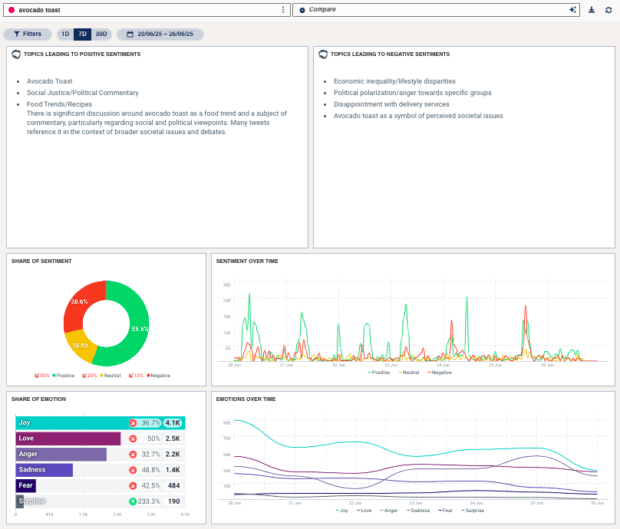
To understand brand monitoring, one must distinguish it from its specialized subsets:

- Social Listening: Focuses exclusively on engagement, sentiment, and trends within social media platforms (e.g., X, TikTok, LinkedIn).
- Media Monitoring: Traditionally tracks earned media in newspapers, magazines, and broadcast television.
- Brand Monitoring (The Holistic Approach): An umbrella strategy that synthesizes data from social, news, blogs, podcasts, and review sites to provide a singular, 360-degree view of brand health.
Chronology of Implementation
For a brand to effectively implement this strategy, a structured lifecycle is required:
- Setting Objectives: Defining what "success" looks like, whether it is crisis prevention, competitor benchmarking, or product innovation.
- Tool Deployment: Selecting software capable of parsing millions of data points in real-time.
- Keyword Configuration: Utilizing Boolean operators to filter out noise and capture relevant, high-signal conversations.
- Real-Time Surveillance: Establishing a 24/7 monitoring loop.
- Sentiment Analysis: Applying AI to interpret the emotional undertones of the collected data.
- Actionable Feedback Loops: Translating insights into executive-level reporting or immediate operational adjustments.
Supporting Data: Why Sentiment Matters
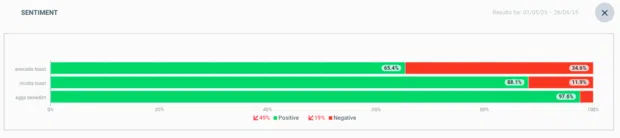
The value of brand monitoring lies in its ability to quantify the intangible. For example, a "mention" in a social post is just a number until it is paired with sentiment analysis.
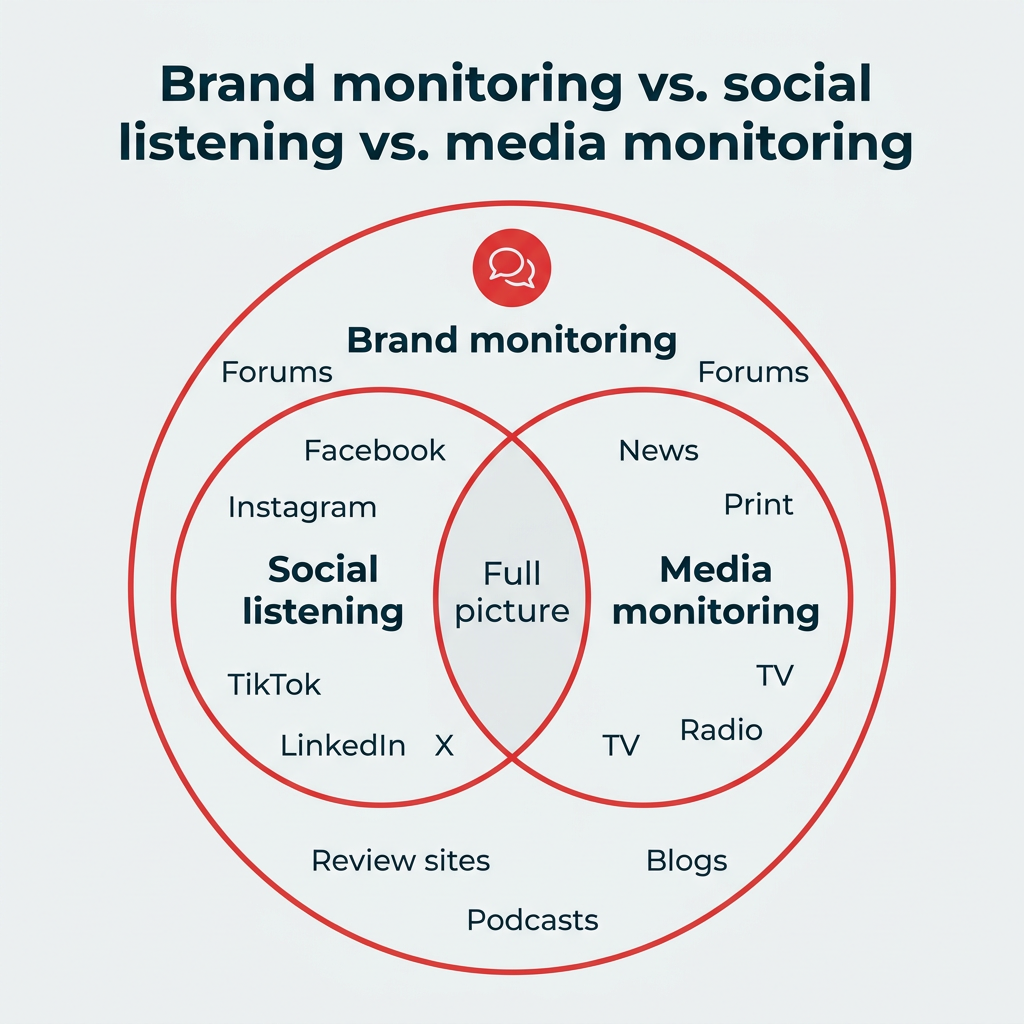
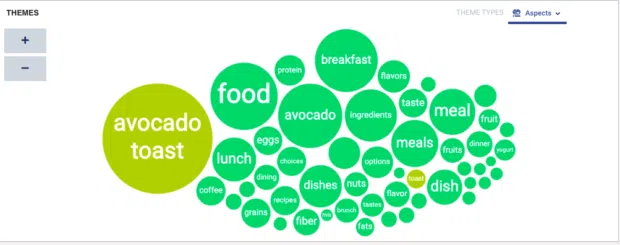
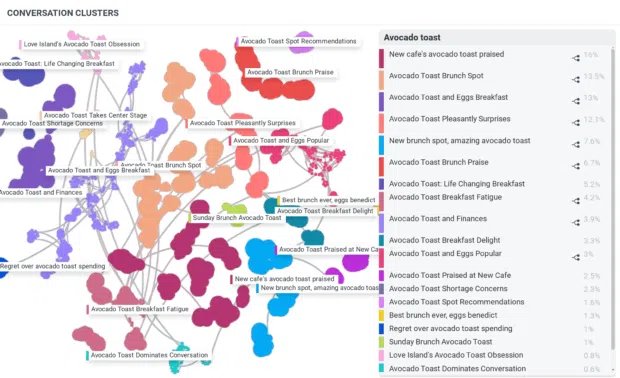
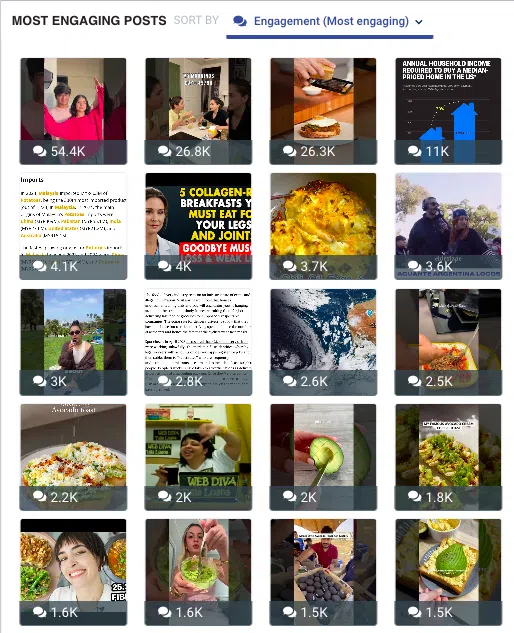
Industry data suggests that brands failing to monitor sentiment operate in a vacuum. Consider a hypothetical scenario involving a product like "avocado toast." If the data indicates that mentions are peaking, but the sentiment is tied to "millennial financial habits" rather than the product’s quality, the marketing team knows to pivot their messaging away from lifestyle tropes and back toward culinary value.
Furthermore, competitive benchmarking allows companies to set SMART (Specific, Measurable, Achievable, Relevant, Time-bound) goals. By comparing one’s own sentiment and share-of-voice against rivals, organizations can set realistic growth targets rather than relying on guesswork.
Official Responses and Crisis Management
Perhaps the most critical function of a robust brand monitoring system is its role as an early warning signal. In the event of a potential crisis—such as a product recall, a data breach, or a viral customer service complaint—the difference between a manageable incident and a PR catastrophe is often measured in minutes.
The Crisis Response Workflow
When monitoring tools trigger an alert, organizations should follow a disciplined, six-step protocol:
- Detection: Identifying the spike in negative sentiment or volume.
- Verification: Assessing the validity of the claims and the credibility of the source.
- Containment: Activating the crisis communication team to prevent the narrative from spreading.
- Action: Responding in good faith, addressing concerns transparently, and, where necessary, taking offline corrective measures.
- Follow-up: Communicating the resolution to stakeholders.
- Evaluation: Conducting a post-mortem to prevent future recurrences.
"The brands that weather crises best aren’t the ones that never face them," industry experts note. "They are the ones that have the tools to see the storm coming and a plan already on the desk."
Implications: From Strategy to Execution
The implications of ignoring brand monitoring are severe. In a market where 70% of Gen Z consumers rely on user-generated content (UGC) to inform their purchasing decisions, a brand that isn’t monitoring the conversation is essentially ceding control of its narrative to the public.
Driving Product Development
Brand monitoring acts as a continuous, free focus group. When consumers discuss their "wish lists" or frustrations with current features on forums like Reddit or niche blogs, they are providing a roadmap for product development. Aligning marketing campaigns with the actual, expressed needs of the customer—rather than what the company thinks the customer needs—is a hallmark of market leaders.
Influencer and Journalist Relations
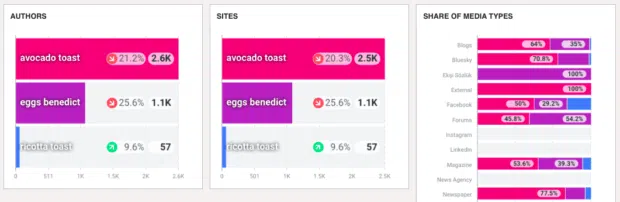
Beyond reactive measures, brand monitoring is a proactive tool for growth. By identifying the top authors and influencers who are already naturally discussing your industry, brands can identify ideal partners for authentic collaborations. These insights provide the context necessary to reach out to journalists or influencers with a pitch that is genuinely relevant to their existing interests.
Building a Sustainable Workflow
A successful brand monitoring program is not just about the software; it is about the internal culture. To build a sustainable workflow, teams must integrate their findings across departments.
The Role of Boolean Logic and AI
Modern monitoring tools use sophisticated algorithms to parse complex languages. Using Boolean operators ("AND," "OR," "NOT") is essential to strip away false positives. For example, a company named "Apple" must use "NOT" operators to exclude discussions regarding orchards or fruit to ensure their dashboard remains focused on technology news. AI-powered query builders have further simplified this, allowing managers to use natural language to define their monitoring parameters.
Segmented Monitoring
Do not treat the brand as a monolith. By segmenting monitoring by product line, region, or customer demographic, businesses can spot localized issues before they scale. If one region is experiencing a surge in product complaints, segmented monitoring allows for surgical intervention rather than a broad, unnecessary brand-wide response.
Conclusion: The Path Forward
As we look toward the future of digital marketing, the barrier to entry for brand monitoring is lowering, while the necessity of the practice is increasing. From free tools like Google Alerts—ideal for small businesses tracking their digital footprint—to enterprise-grade platforms that analyze billions of global data points, there is a solution for every scale of operation.
Ultimately, brand monitoring is the bridge between the company and the customer. It provides the empirical evidence needed to pivot, the early warnings needed to survive, and the strategic insights needed to win. By turning the "noise" of the internet into the "signal" of business intelligence, organizations can ensure that their reputation is not just protected, but actively cultivated in the digital age.
Key Takeaways for Leadership:
- Monitor everything: From social media to podcasts and news.
- Analyze the sentiment: It is not just about volume; it is about the emotion behind the mention.
- Prepare for crisis: A plan is useless without the data to trigger it.
- Act on insights: Use the data to improve products, influence content, and deepen relationships with your audience.
The data is out there. The question is, are you listening?












No comments yet. Be the first to join the conversation!