Jia Lissa
At the 2026 Meta Connect conference, the tech giant unveiled a robust expansion of its wearable ecosystem. While the introduction of camera-free audio-only glasses captured significant attention, the primary focus for power users remains the flagship Ray-Ban Meta line. The third generation of these AI-integrated glasses has officially arrived, bringing with it a suite of hardware refinements, new aesthetic options, and a price tag that invites intense scrutiny from both tech enthusiasts and fashion-conscious consumers alike.
The transition from the Gen 2 to the Gen 3 represents a classic "iterative" product cycle. Meta has opted for architectural refinement over revolutionary design, betting that incremental improvements in battery life, microphone fidelity, and form factor will satisfy a growing user base. However, with a starting price of $449—a $70 increase over the previous generation—the value proposition for current owners is more complex than ever.
Main Facts: What Defines the Gen 3?
The core appeal of the Ray-Ban Meta Gen 3 lies in its "invisible" upgrades. Visually, the glasses maintain the aesthetic appeal of traditional eyewear, hiding a sophisticated array of sensors, batteries, and processors within the frames.
Key specifications for the Gen 3 include:
- Battery Performance: Increased longevity, offering up to 9 hours of continuous use (compared to 8 hours in Gen 2). The charging case now provides up to 50 hours of total power.
- Audio and Mic Array: A new six-microphone system replaces the five-mic setup of the previous model, designed to improve spatial awareness and voice isolation.
- Expanded Control: The inclusion of the "Action Button," a feature previously relegated to niche models like the Ray-Ban Meta Optics, now serves as a universal shortcut for Meta AI, camera triggers, and custom workflows.
- Structural Tweaks: A slight reduction in hinge-to-hinge width (129mm vs. 131mm) and temple length, moving toward a more compact profile.
- Dolby Atmos Support: Future-proofed hardware capable of recording and playing back spatial audio, with software support slated for rollout later in 2026.
A Chronological Perspective: From Concept to Gen 3
The journey of Meta’s smart eyewear has been a masterclass in rapid iteration. When the original Ray-Ban Stories launched, they were viewed largely as a novelty item with limited utility.
- Late 2023: Meta launched the Ray-Ban Meta Gen 2, which successfully bridged the gap between "toy" and "tool." By integrating a more powerful processor and significantly better camera hardware, Meta proved that smart glasses could serve as a viable alternative to carrying a smartphone for quick captures.
- Mid-2025: Meta introduced the "Meta Glasses" and "Ray-Ban Meta Optics" sub-lines. These specialized releases allowed the company to test new features—such as more prescription-friendly lenses and simplified interfaces—without risking the integrity of their primary flagship design.
- September 2026: The Meta Connect keynote officially introduced the Gen 3, incorporating the learnings from the mid-cycle refreshes of 2025. This launch marked the consolidation of various experimental features into a single, cohesive consumer product.
Supporting Data: The Case for (and against) the Upgrade
To understand the shift, one must look at the technical trade-offs. The Gen 3 is technically heavier than the Gen 2, weighing in at 51.5 grams compared to 51 grams. While a half-gram difference is negligible in isolation, it highlights the engineering challenge of packing more microphones and battery capacity into a smaller chassis.
The most critical data point for the consumer is the "Software Parity Gap." Meta has committed to porting the most significant software features—including the Muse AI agent, FDA-cleared hearing enhancement, and dynamic photo capture—to the Gen 2 hardware.
This creates a fascinating dilemma for the market. If the AI capabilities are the primary draw, the Gen 2 remains a highly competitive device. The $70 premium for the Gen 3 effectively buys the user:
- One extra hour of battery life.
- Enhanced background noise reduction.
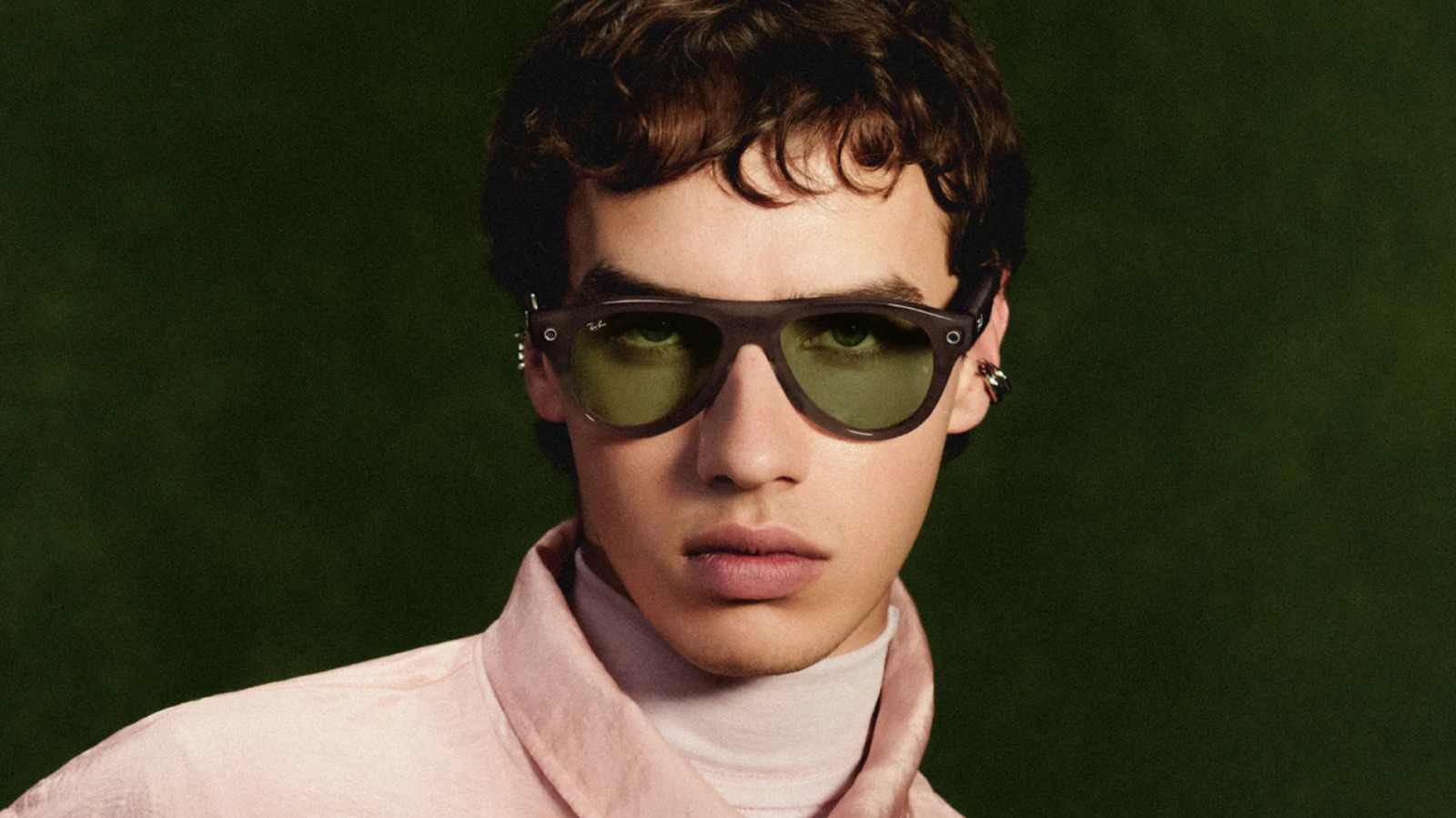
- New frame geometries (Aviator and Zena).
- Future-ready spatial audio hardware.
Official Responses and Strategic Positioning
During the Meta Connect 2026 keynote, Meta leadership framed the Gen 3 not as a replacement for the Gen 2, but as a diversification of the "Meta Style." By introducing the Zena and Aviator frames, the company is signaling that it is no longer just a tech company building glasses; it is a fashion brand building a wearable computing platform.
"Our goal is to make these devices so natural that they disappear," said a Meta spokesperson during a post-keynote briefing. "The Gen 3 isn’t just about more power; it’s about better integration into the user’s daily life, whether that’s through improved noise cancellation in a crowded coffee shop or a silhouette that fits a broader range of facial structures."
The company is clearly leaning into the "ecosystem" play. By offering specialized versions like the audio-only glasses, Meta is attempting to segment its audience: those who want the cameras and those who simply want the AI assistant.
The Implications: Where Do We Go From Here?
The release of the Ray-Ban Meta Gen 3 has profound implications for the wearables market. First, it confirms that the "smart glasses" category has matured. We are no longer debating whether these devices work, but rather debating the nuances of their battery life and aesthetic variety.
The Ecosystem Lock-in
By tying these glasses into the broader "Muse AI" agent ecosystem, Meta is creating a high barrier to entry for competitors. If a user becomes accustomed to the convenience of having an AI agent that can identify landmarks, translate signs, and manage calendar entries via voice, moving to a non-Meta device becomes significantly less attractive.
The Price Sensitivity Problem
The $449 price point is a gamble. As global economic conditions fluctuate, the luxury status of $400+ eyewear is tested. If Meta fails to provide tangible, exclusive "killer features" for the Gen 3, they risk alienating their core user base, who may feel that the Gen 2 was "good enough" for a longer period of time.
The Future of Hearables and Wearables
The inclusion of spatial audio hardware suggests that Meta is preparing for a future where glasses aren’t just for looking, but for "listening" in a highly augmented sense. This could eventually lead to glasses that act as personalized hearing aids or translation devices, effectively making the smartphone an optional peripheral rather than the hub of our digital lives.
Conclusion: Is the Gen 3 Worth It?
For the first-time buyer, the Ray-Ban Meta Gen 3 is undoubtedly the best starting point. The refined fit, the addition of the Aviator and Zena styles, and the improved microphone array for AI interaction make for a superior out-of-the-box experience.
However, for the existing Gen 2 user, the upgrade is less of a necessity and more of a luxury. With the most significant software updates—such as the Muse AI agent and hearing enhancements—being back-ported to the previous generation, the Gen 2 remains a potent piece of technology.
Ultimately, the Ray-Ban Meta Gen 3 demonstrates that Meta has successfully moved past the "prototype" phase of wearable computing. They are now refining the experience, refining the aesthetic, and slowly building the infrastructure for a future where our eyewear is as capable as the computers we carry in our pockets. Whether that future is worth a $449 entry fee will depend entirely on how much value the user extracts from their daily interactions with the ever-present, ever-listening Meta AI.

 Neng Nana
 Iffa Jayyana