Nana Muazin
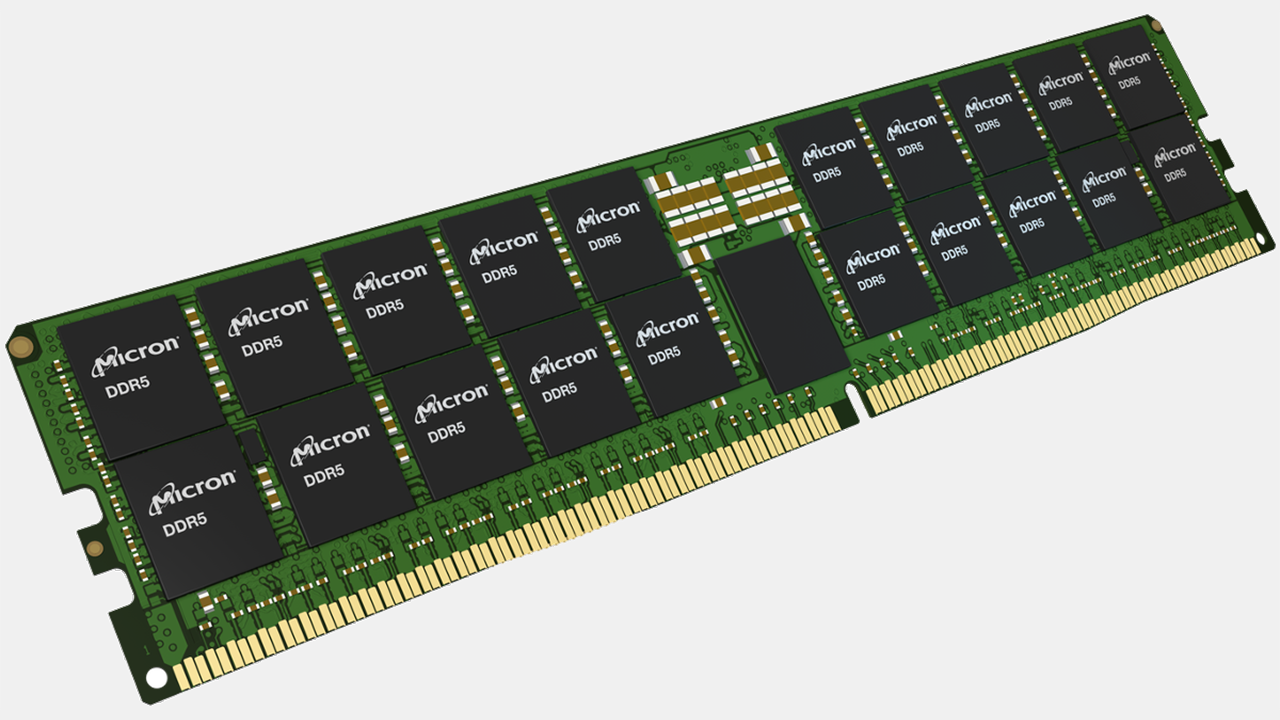
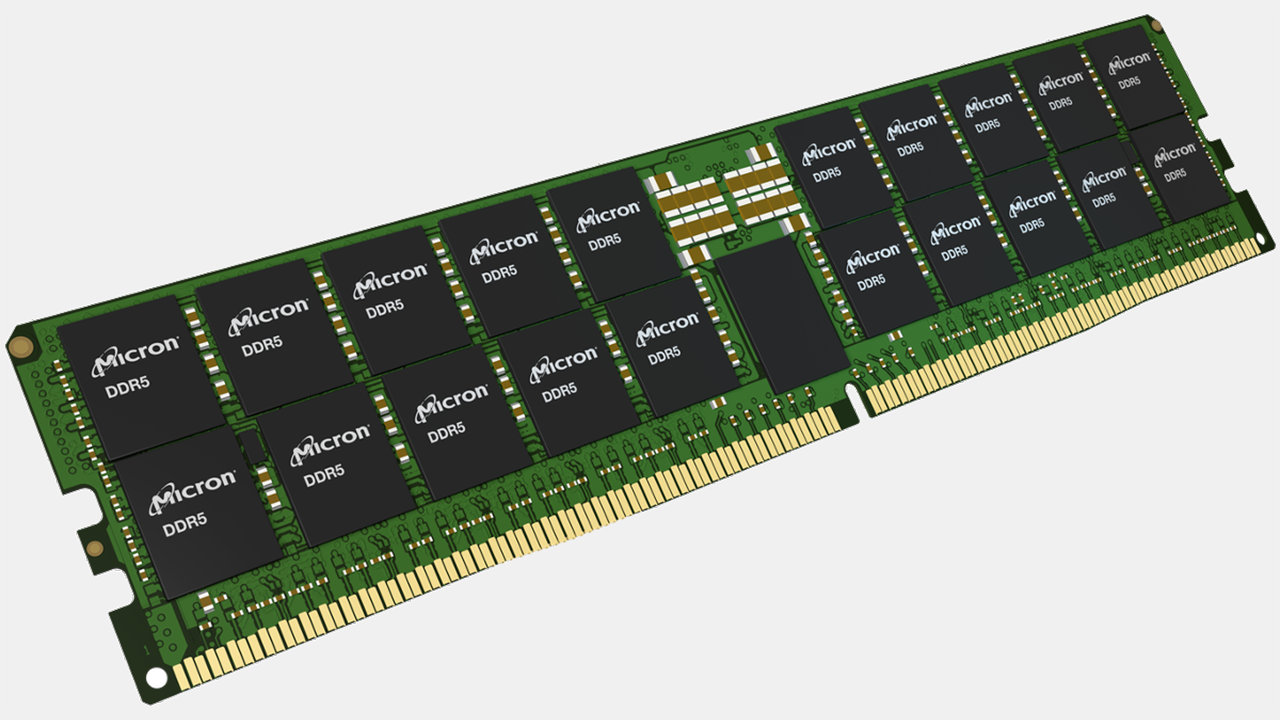
In a significant leap forward for data center infrastructure and high-performance computing (HPC), Micron Technology has officially unveiled its latest breakthrough: the industry’s first 512GB DDR5-9200 memory module. Engineered specifically for memory-intensive server environments, this new hardware marks a pivotal moment in the evolution of DRAM density and throughput. As the digital landscape becomes increasingly dominated by large-scale artificial intelligence (AI) models, real-time data analytics, and complex scientific simulations, the demand for high-capacity, high-speed memory has reached a critical inflection point.
The introduction of these 512GB modules is not merely an incremental upgrade; it represents a fundamental change in how server architectures can be scaled. With these modules currently undergoing rigorous validation processes with industry giants AMD and Intel, the stage is set for a massive transition in how modern data centers handle the most demanding workloads.
Main Facts: Breaking Through the 512GB Barrier
The new Micron 512GB DDR5-9200 modules are built upon a foundation of cutting-edge semiconductor manufacturing. By achieving a capacity of 512GB on a single DIMM (Dual In-line Memory Module) while simultaneously pushing speeds to 9200 MT/s (mega-transfers per second), Micron is effectively addressing the "memory wall"—the performance bottleneck that occurs when processors outpace the ability of system memory to supply data.
Technical Specifications and Capabilities
- Capacity: 512GB per individual module.
- Speed: 9200 MT/s, representing a significant jump over current industry-standard DDR5 speeds, which typically cap out at lower thresholds for high-capacity modules.
- Target Application: Server environments, specifically those powering generative AI, LLM (Large Language Model) training, in-memory databases, and high-frequency financial modeling.
- System Potential: By leveraging these modules, server manufacturers can scale single-machine memory configurations up to 12TB, a threshold that was previously difficult or prohibitively expensive to reach with current density constraints.
Chronology: The Road to 9200 MT/s
The journey to this announcement has been characterized by a rapid acceleration in the DDR5 transition. When DDR5 was first introduced to the market, it was met with skepticism regarding its cost-to-performance ratio compared to the mature, stable DDR4 ecosystem. However, as the industry shifted its focus toward AI infrastructure, the necessity for bandwidth became paramount.
The Evolution Timeline
- 2021-2022: DDR5 adoption begins in earnest with the launch of server platforms supporting lower-density modules (16GB, 32GB). The industry struggles with initial signal integrity challenges associated with higher speeds.
- 2023: Micron and its competitors focus on increasing die density through advanced packaging techniques, such as TSV (Through-Silicon Via) and 3D stacking. This allows for the first wave of 128GB and 256GB modules to enter the enterprise market.
- 2024: The "AI Boom" creates an insatiable appetite for memory capacity. Large Language Models require massive amounts of data to be resident in memory for rapid inference.
- Late 2024/Early 2025: Micron announces the 512GB DDR5-9200. This milestone is timed to coincide with the rollout of next-generation server CPU platforms from AMD (EPYC) and Intel (Xeon), which are designed to support higher memory channels and faster clock speeds.
Supporting Data: Why Density and Speed Matter
To understand why a 512GB module is a headline-grabbing development, one must look at the math of modern data processing. In a standard server rack, space is at a premium. Every watt of power and every square inch of motherboard real estate counts.
The Memory Bottleneck
Historically, high capacity often meant sacrificing speed. Increasing the number of DRAM chips on a module increased electrical load, which traditionally necessitated lower clock speeds to maintain signal integrity. Micron’s ability to hit 9200 MT/s at 512GB density suggests a mastery of signal conditioning and thermal management that puts them at the front of the pack.
Scalability in the Data Center
With 12TB of RAM available in a single node, organizations can effectively shift massive datasets—which would have previously required storage-tier access (SSDs)—directly into the DRAM pool. This shift reduces latency by orders of magnitude. For an AI model training on a trillion parameters, this could reduce epoch times from days to hours.
Official Responses and Validation
The industry response to Micron’s announcement has been one of cautious excitement. Because these modules are currently in the validation phase with AMD and Intel, the focus remains on reliability.
The Role of Platform Partners
Micron is working closely with AMD and Intel to ensure that these modules are compatible with the memory controllers of the next generation of server CPUs.
- AMD’s Perspective: As AMD continues to push the core count on its EPYC processors, the demand for memory bandwidth per core is skyrocketing. The Micron modules are being tested to ensure they can sustain peak throughput without triggering error correction cycles that could degrade system performance.
- Intel’s Perspective: For Intel’s Xeon platforms, the integration of these high-capacity modules is critical for their AI-accelerated server roadmap, particularly in the realm of confidential computing and secure memory encryption, where the overhead of security features often consumes memory bandwidth.
While official press releases from the CPU manufacturers remain standard, industry analysts note that the collaboration is essential. Without CPU-level support for the specific voltage and timing requirements of these modules, the hardware would be unusable. The fact that validation is currently underway indicates that the industry is aligned on the transition to higher-speed, high-density standards.
Implications: The Future of Server Architecture
The introduction of 512GB DDR5-9200 modules will have a ripple effect across the entire enterprise hardware ecosystem.
1. The Cost Conundrum
The most immediate question is price. High-density, cutting-edge memory is notoriously expensive upon release. Early adopters—likely hyperscalers like AWS, Microsoft Azure, and Google Cloud—will absorb the initial cost premiums to gain a competitive edge in AI service delivery. For the average enterprise, these modules may remain out of reach for 18 to 24 months until economies of scale drive the price down.
2. Shifts in Software Design
When developers know that a single server node can hold 12TB of RAM, the way software is architected changes. We are likely to see a decline in the reliance on "sharding" data across multiple smaller nodes, as the complexity of maintaining cache coherency across a large cluster is often more difficult than managing a single, massive memory space.
3. Sustainability and Power Efficiency
Performance per watt is a key metric in modern data centers. While the 512GB modules themselves may consume more power at peak loads, they allow for a consolidation of servers. If one server with 12TB of memory can do the work of four servers with 3TB each, the total footprint, cooling requirements, and power draw for the data center decrease. This is a crucial step toward meeting the aggressive sustainability goals set by major tech corporations.
4. The Competitive Landscape
This move places significant pressure on Micron’s primary competitors, Samsung and SK Hynix. Both firms have been racing to expand their DRAM footprint. Micron’s move to lead with a 512GB/9200 MT/s module effectively sets the "gold standard" for the next product cycle, forcing competitors to either match the spec or find a different value proposition, such as lower power consumption or improved latency.
Conclusion
Micron’s introduction of the 512GB DDR5-9200 memory module is a testament to the relentless pace of innovation in the semiconductor industry. By bridging the gap between extreme capacity and high-speed performance, Micron is providing the architectural building blocks for the next generation of artificial intelligence and high-performance computing.
As we look ahead, the success of these modules will depend not only on their technical performance in the lab but on their real-world reliability and the speed at which they can be brought to market at a scalable price point. For now, the industry watches as AMD and Intel complete their validation, knowing that when these modules hit the shelves, the ceiling for what a single server can achieve will have been significantly raised. The "memory wall" is not yet fully dismantled, but with 512GB modules, it is certainly showing some cracks.


 Lina Hope
 Iffa Jayyana