Nana Muazin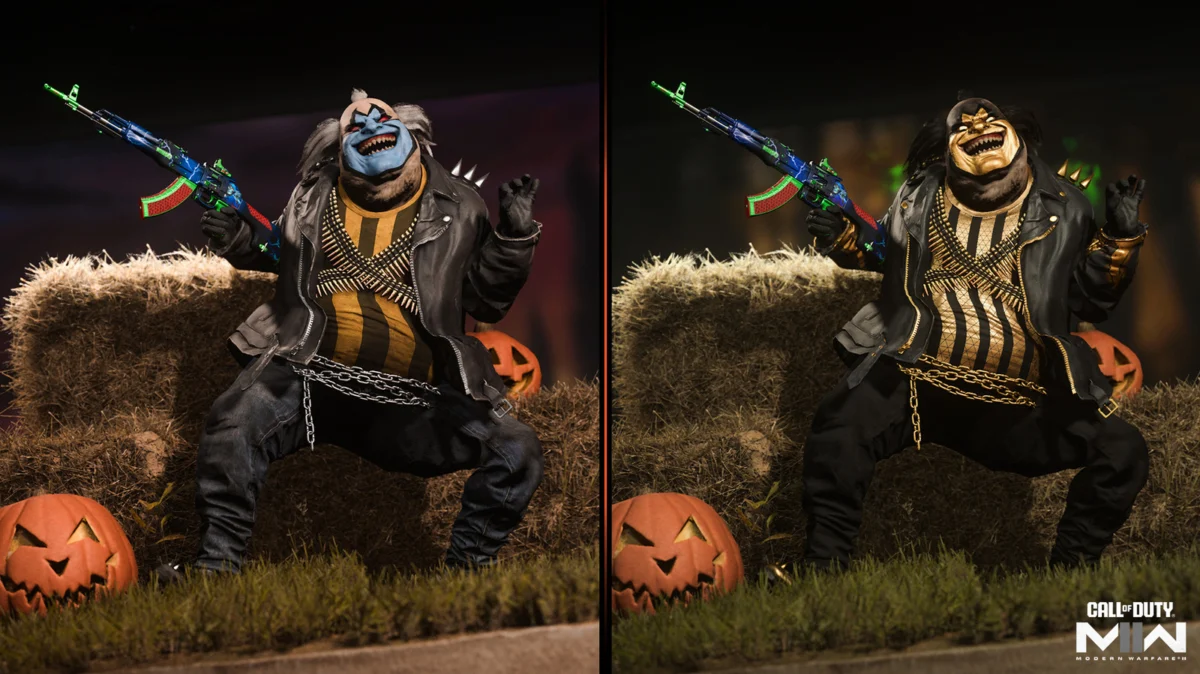
For years, the Call of Duty franchise has walked a precarious tightrope between its roots as a gritty, hyper-realistic military simulation and its evolution into a sprawling, multi-media pop-culture playground. For many veterans of the series, that balance has tilted heavily toward the surreal. However, with the launch of Season 1 for Modern Warfare 4, Activision is finally offering a reprieve to those who long for the tactical, grounded aesthetic of yesteryear.
A new feature, officially dubbed the "Operator Toggle," is set to arrive in Warzone, providing players with the long-requested ability to mute the visual chaos of eccentric character skins. No longer will players be forced to contend with the immersion-breaking sight of iconic cartoon characters or neon-clad mascots while attempting to secure a tactical victory.
The Evolution of the "Goofy" Skin Phenomenon
To understand why this toggle is such a monumental shift for the franchise, one must look at the trajectory of Call of Duty’s monetization strategy. In the early days of the franchise, character customization was minimal, often limited to color palettes that adhered to military camouflage patterns.
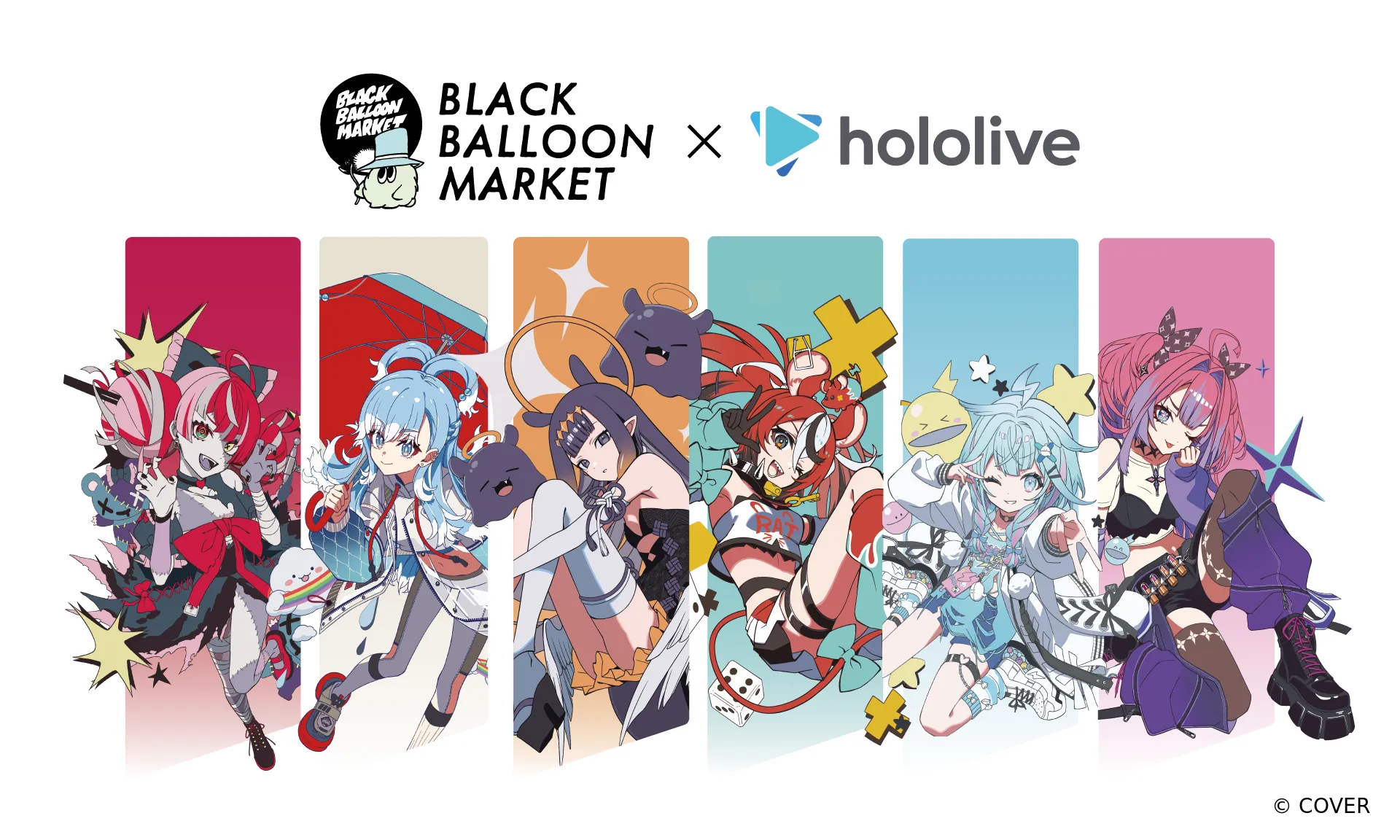
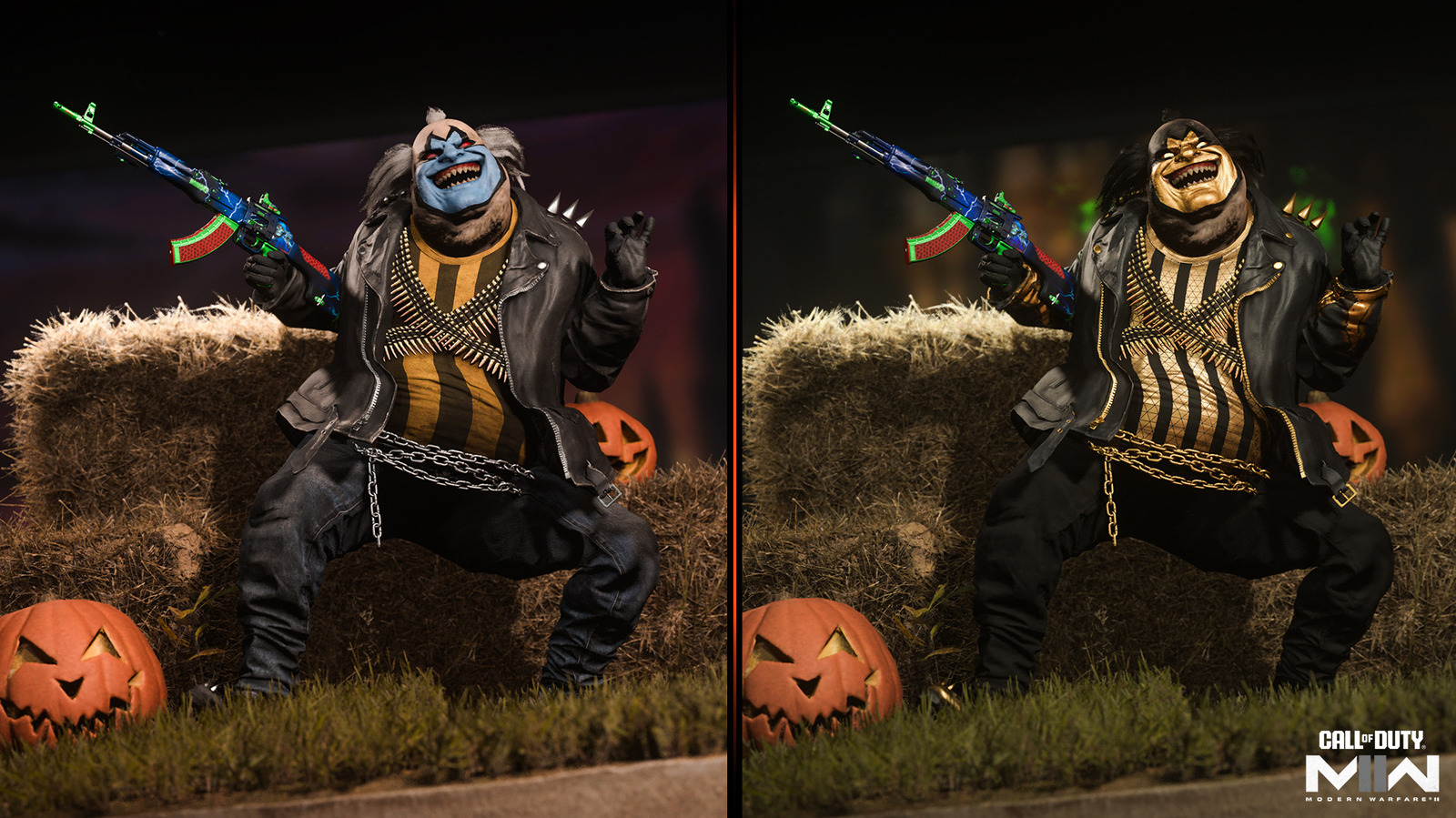
However, as the "Live Service" model took hold, the pressure to maintain player engagement led developers to collaborate with various intellectual properties. This began modestly—with licensed weapons or historical figures—but quickly escalated into a full-blown "multiverse" of cosmetics. Over the past few iterations of Warzone, players have been subjected to an increasingly bizarre cast of characters. From the iconic, dim-witted duo of Beavis and Butt-Head to the unsettling, fur-covered entity known as "Wubz," the battlefield has become less of a combat zone and more of a digital carnival.
Critics of this trend have long argued that these skins undermine the "Clancy-esque" atmosphere that defined the series’ initial success. When a high-stakes, "last-man-standing" encounter is ruined by a brightly colored clown or an animated character performing a dance emote, the competitive integrity of the game is arguably compromised.
Chronology: From Tactical Simulation to Pop-Culture Mashup
The path to this moment has been paved with years of player feedback and iterative design choices.
- 2019-2020 (The Modern Warfare Reboot): Activision introduced the "Operator" system, which allowed for character identity without venturing too far into the realm of fantasy.
- 2021-2022 (The Peak of Collaboration): As Warzone became a standalone behemoth, partnerships with franchises like Die Hard, Rambo, and eventually anime and pop-culture icons surged. The community response was polarized; while casual fans enjoyed the novelty, the hardcore tactical audience began to voice concerns about visual clutter.
- 2023-2024 (The "Wubz" Era): The introduction of non-humanoid, surreal, and hyper-stylized skins reached a fever pitch. Discussions on forums like Reddit and Twitter became dominated by threads questioning the "art direction" of the game.
- 2025 (The Turning Point): Following record-low sentiment regarding the game’s atmosphere, internal data from Activision indicated a growing segment of the player base was disengaging due to the "visual noise" inherent in modern matches.
- 2026 (Modern Warfare 4 Launch): Activision formally announces the "Operator Toggle" as a key feature of Season 1, directly addressing the aesthetic complaints that had reached a boiling point.
Supporting Data: Why Visual Consistency Matters
The decision to implement the toggle is not merely an aesthetic preference; it is a tactical consideration. In competitive FPS titles, "visual clarity" is paramount. Players rely on silhouettes and color palettes to quickly identify and react to threats.
When a character model violates the color theory of a map—such as a neon-glowing skin in a dark urban environment—it creates an unfair advantage or, conversely, a massive distraction. Data suggests that in high-skill brackets, the introduction of non-standard models has historically caused a "cognitive load" spike for players. By allowing users to replace these skins with standard-issue military operators, Activision is essentially creating a "tactical mode" that allows for cleaner, more predictable visual interactions.
Furthermore, the implementation of this toggle is a masterclass in compromise. By making the toggle optional and client-side, Activision ensures that the revenue stream from these flamboyant skins remains intact. Players who enjoy the absurdity can still purchase and display their Beavis and Butt-Head avatars, while those who prefer a "hardcore" look can filter them out without impacting the experience of their opponents. It is a rare instance of a developer providing a "have your cake and eat it too" solution for a polarized community.
Official Responses and Developer Philosophy
In a recent blog post accompanying the Season 1 announcement, the development team at Activision emphasized that the goal is "choice and agency."
"We recognize that Call of Duty means different things to different people," the statement reads. "For some, it is a creative outlet where they want to express themselves through unique characters and crossovers. For others, it is a disciplined military experience. The Operator Toggle is our way of bridging that gap, ensuring that every player can curate their visual experience to suit their personal definition of the game."
Internal sources close to the development team have suggested that the feature was heavily debated. The primary concern was whether allowing players to hide skins would devalue the commercial appeal of the premium cosmetic shop. However, the compromise—where the player’s own skin remains visible to others—mitigates this risk. The skin-owner still gets the "flex" factor of showing off their purchase, but the viewer is granted the autonomy to opt out of the visual disruption.
The Broader Implications: A New Era for FPS Customization?
The introduction of this feature could set a precedent for the entire live-service industry. As other titles like Fortnite, Valorant, and Apex Legends continue to push the boundaries of character aesthetics, the question of "visual saturation" will only become more pressing.
1. The Death of Forced Uniformity
By providing this toggle, Activision is acknowledging that "uniformity" is no longer a requirement for a cohesive game world. Instead, they are moving toward "subjective realism," where the game looks exactly as the player wants it to look. This could lead to more granular settings in future titles, perhaps allowing players to toggle off specific types of skins or even specific audio packs that deviate from the standard tone.
2. Market Impact on Cosmetics
It remains to be seen if this will impact the sales of "goofy" skins. If players know that a significant portion of their opponents might be hiding their purchase, will they still be as motivated to buy it? Industry analysts suggest that the "social signaling" aspect of skins is the primary driver of sales. If a player feels that their "Wubz" skin is being "hidden" by the majority of the lobby, the perceived value of that digital asset could theoretically drop. However, the counter-argument is that these skins are primarily purchased for the player’s own amusement and for the amusement of friends in their party.
3. Future-Proofing the Franchise
This move suggests that Activision is finally prioritizing long-term player retention over short-term gimmickry. By acknowledging that a segment of their base was becoming alienated by the game’s direction, they are effectively "future-proofing" the franchise against the fatigue of endless, disconnected collaborations.
Conclusion: A Welcome Tactical Retreat
For the Call of Duty community, the Operator Toggle is more than just a settings menu option; it is a validation of the core identity of the franchise. While the "goofy" skins are not disappearing, their ability to impose themselves upon every player in the lobby is coming to an end.
As Modern Warfare 4 enters its first season, the ability to reset the battlefield to a more grounded, serious aesthetic will be a breath of fresh air for those who have spent the last few years longing for a return to form. Whether this leads to a permanent shift in how developers handle licensed collaborations remains to be seen, but for now, the message from Activision is clear: in the chaotic world of Warzone, you can finally choose to see the battlefield exactly the way you want it.


 Nila Kartika Wati
 Raul Delapena Setiawan