Reynand Wu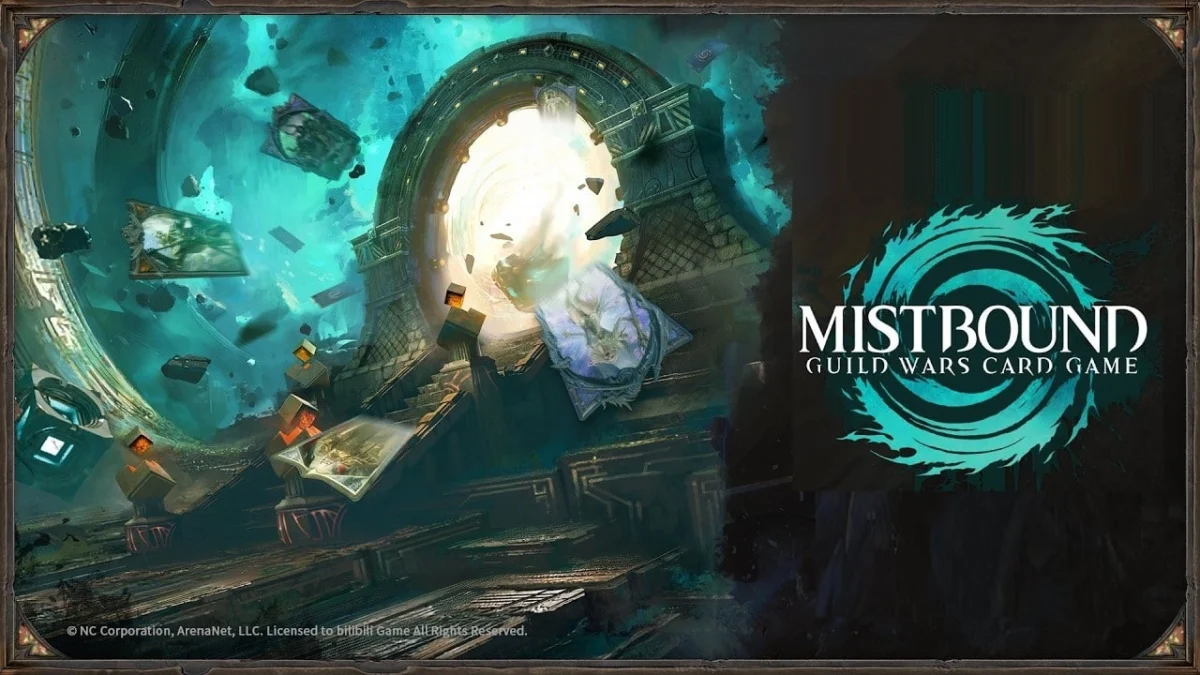
The venerated Guild Wars franchise, long synonymous with sprawling massively multiplayer online role-playing games (MMORPGs), is charting an ambitious new course. ArenaNet, the original creators, have officially licensed the development of "Mistbound," a groundbreaking digital collectible card game (DCCG) that marks the series’ inaugural foray into this strategic genre. Developed by NC and slated for global publication by bilibili, Mistbound is poised to launch on Android and iOS devices, aiming to captivate both long-time fans and a new generation of mobile gamers with its unique blend of established lore and innovative gameplay mechanics.
Main Facts: A Tactical Shift for a Legendary Franchise
Mistbound represents a significant strategic pivot for the Guild Wars intellectual property, moving beyond its traditional MMORPG roots into the highly competitive and rapidly expanding realm of digital card games. This new venture promises to deliver a rich, tactical experience that leverages the deep narrative, distinctive art style, and evocative musical scores that have defined the Guild Wars universe for nearly two decades.
At its core, Mistbound is a deckbuilding game that seamlessly integrates both single-player narrative campaigns and robust multiplayer competitive modes. What immediately sets it apart from many contemporaries in the DCCG space is its innovative "battlefield system." Players will assume the mantle of a "Commander," leading their chosen forces across a dynamic 5×3 tactical grid. This spatial element is central to what the developers term "Dynamic Movement Gameplay," a mechanic that allows for the repositioning of cards turn by turn, fostering reactive strategies and adaptive planning as matches unfold.
The game is officially licensed by ArenaNet, ensuring that the essence and authenticity of the Guild Wars lore are meticulously preserved. Development is being handled by NC, a studio with a growing reputation for crafting engaging mobile experiences, while global publishing duties fall to bilibili, a major player in the mobile gaming market, particularly known for its strong presence in Asia and expanding reach worldwide. The choice of Android and iOS platforms underscores a clear intention to tap into the vast and accessible mobile gaming audience.
Chronology: From Tyria’s Battlefields to the Tactical Grid
The Guild Wars franchise has a storied history, beginning with the original "Guild Wars" in 2005. This groundbreaking MMORPG eschewed subscription fees, offering a unique blend of persistent world exploration and instanced, skill-based combat. It introduced players to the world of Tyria, a realm rich with diverse cultures, ancient prophecies, and looming threats. The game’s success led to several expansions, including Factions, Nightfall, and the finale, Eye of the North, each expanding the lore and introducing new professions and regions.
In 2012, ArenaNet launched "Guild Wars 2," a direct sequel that pushed the boundaries of the MMORPG genre further. Guild Wars 2 introduced a more dynamic world, personal story paths, and an innovative "downed state" mechanic. It expanded on the original game’s profession system, offering nine distinct classes, each with unique playstyles and specializations. The game has since received numerous updates and major expansions, including Heart of Thorns, Path of Fire, End of Dragons, and Secrets of the Obscure, continually evolving its narrative and gameplay.
Mistbound’s announcement marks the first significant genre diversification for the Guild Wars IP. While previous titles have explored different facets of the MMORPG experience, this is the first time the universe has been adapted into a completely different gaming format. This move reflects a broader industry trend where established fantasy and sci-fi IPs are being leveraged across various genres, from traditional RPGs to real-time strategy, and now, to the highly popular digital card game market. The timing of Mistbound’s reveal positions it as a fresh evolution for the franchise, aiming to expand its reach and appeal while staying true to its core identity. While no specific release date has been provided beyond "coming to Android and iOS," the announcement trailer and official website indicate that development is well underway, building anticipation for its eventual launch.
Supporting Data: Deep Dive into Mechanics, Artistry, and Market Dynamics
Mistbound’s strategic depth is immediately apparent in its core gameplay loop, which is built around the innovative "Dynamic Movement Gameplay" system. Unlike many traditional digital card games where units are often static once played, Mistbound’s 5×3 tactical grid transforms the battlefield into a dynamic arena. Players will not only manage their hand and deck but also the physical positioning of their units and Commander.
Dynamic Movement and Tactical Grid Warfare
The ability to reposition cards turn by turn introduces a layer of tactical complexity rarely seen in the DCCG genre. This isn’t merely about moving a piece; it’s about anticipating enemy actions, creating advantageous formations, and exploiting weaknesses in the opponent’s lines. The 5×3 grid means there are 15 potential spaces for units, each potentially offering unique strategic advantages or disadvantages based on adjacency, range, and line-of-sight mechanics.
This dynamic movement facilitates a range of sophisticated maneuvers:
- Knockbacks and Pulls: Certain card abilities can forcibly displace enemy units, disrupting their formations or pulling them into vulnerable positions. This can be used to isolate high-priority targets or clear pathways for your own units.
- Flanking Maneuvers: By strategically moving units around the edges of the grid, players can achieve flanking positions, potentially granting damage bonuses or triggering special abilities against exposed enemies. This encourages thoughtful positioning over brute force.
- Shifting Offensive and Defensive Positions: Players can transition units from aggressive forward pushes to defensive retreats, adapting to the ebb and flow of battle. A unit that started on the front line might retreat to protect a vulnerable Commander, or a ranged unit might move to gain a better vantage point.
The Active Commander Role
A significant departure from many DCCGs where the "player avatar" is often a passive health pool or a limited-ability hero, Mistbound’s Commanders are integral to the battlefield. They are not restricted to a passive support role but actively participate in battles, wielding their own abilities, traits, and tactical identities. This means Commanders can be direct damage dealers, powerful buffers, or strategic disablers, influencing the outcome of a match through their direct actions and positioning. This active role reinforces the idea of leading forces rather than merely directing them from afar, deepening the player’s immersion.
Commander x Profession System: A Nod to Guild Wars 2
Mistbound draws heavily from Guild Wars 2’s acclaimed nine-profession system, adapting it into a "Commander x Profession System." This ensures that familiar archetypes from the MMORPG, such as Warriors, Elementalists, Rangers, and Necromancers, will be represented as playable Commanders. Each Commander will come with a distinct set of abilities, traits, and a unique tactical identity, reflecting the depth and versatility of their Guild Wars 2 counterparts. For instance, an Elementalist Commander might specialize in area-of-effect spells and elemental control, while a Warrior Commander could focus on frontline brawling and defensive stances. This system not only provides a nostalgic connection for existing fans but also offers a rich foundation for diverse deckbuilding strategies and playstyles.
Leveraging Guild Wars’ Rich Artistic and Auditory Legacy
The announcement confirms that Mistbound will lean heavily on the series’ established lore, artwork, and music. This is a critical factor for fan engagement. The visual style of Guild Wars, characterized by its vibrant fantasy settings, detailed character designs, and distinctive armor sets, is a key part of its appeal. By utilizing this existing artwork and creating new assets in the same vein, Mistbound can immediately tap into a well-loved aesthetic.
Furthermore, the developers have stated that the project will include contributions from original music creators, ensuring that the game’s auditory landscape evokes the same epic and atmospheric quality as its MMORPG predecessors. This, coupled with character-focused voice performances, will bring the world and its heroes to life, immersing players in the tactical battles and narrative arcs of Mistbound. The inclusion of the announcement trailer serves as a preliminary taste of this visual and auditory commitment.
Market Context: The Thriving DCCG and Mobile Gaming Landscape
Mistbound enters a vibrant yet competitive digital collectible card game market. Titles like Hearthstone, Legends of Runeterra, Magic: The Gathering Arena, and Marvel Snap have carved out significant niches, each offering unique gameplay hooks and catering to different player preferences. The Guild Wars IP brings a distinct flavor to this landscape. Its rich lore, distinct classes, and deep strategic potential make it a natural fit for a card game adaptation, providing a wellspring of content for future expansions and card sets.
Moreover, the decision to launch exclusively on Android and iOS devices positions Mistbound squarely within the booming mobile gaming sector. Mobile gaming continues to be the largest segment of the global games market, driven by accessibility and the increasing sophistication of mobile hardware. Players are increasingly seeking console-quality experiences and deep strategic gameplay on their smartphones and tablets. Mistbound’s tactical grid system and emphasis on dynamic movement could differentiate it in a market often dominated by simpler, faster-paced card games. bilibili’s role as a global publisher, with its strong understanding of the mobile market, especially in Asia, further solidifies the game’s potential reach and commercial viability.
Official Responses: The Vision Behind the Cards
While specific direct quotes from ArenaNet or NC officials regarding Mistbound’s strategic intent are limited in the initial announcement, the information provided allows for an informed understanding of their vision. The official licensing by ArenaNet underscores a commitment to maintaining the integrity and authenticity of the Guild Wars intellectual property. This suggests a collaborative effort to ensure that Mistbound’s narrative, character representations, and overall feel remain true to the established canon, rather than being a superficial adaptation.
NC, as the developer, appears focused on translating the strategic depth of the Guild Wars universe into an engaging card game format. Their emphasis on "Dynamic Movement Gameplay" and the 5×3 tactical grid points to a desire to innovate within the DCCG genre, offering a more spatially aware and reactive experience than many current offerings. This suggests a design philosophy that values tactical positioning and adaptive play over purely statistical power or simple card synergies.
bilibili’s role as the global publisher highlights a strategic move to leverage a globally recognized IP for the mobile market. Their publishing expertise, particularly in reaching diverse audiences across different regions, will be crucial for Mistbound’s success. The choice of mobile-first development indicates a recognition of the platform’s ubiquity and its potential to introduce the Guild Wars universe to a new, broader audience who may not typically engage with traditional PC MMORPGs.
The developers’ explicit mention of involving original music creators and character-focused voice performances is a direct assurance to fans that the game will not cut corners on presentation. It signals a dedication to crafting a premium experience that respects the high production values associated with the Guild Wars brand. This commitment to artistic and auditory fidelity is often a key differentiator in the competitive mobile gaming space.
In essence, the collective official stance appears to be one of cautious innovation: to expand the Guild Wars franchise into a new genre while meticulously preserving its core identity, offering a fresh, strategic gameplay experience tailored for the mobile platform, and leveraging the rich artistic and narrative legacy that has endeared the franchise to millions.
Implications: A New Era for Guild Wars and the DCCG Landscape
The advent of Mistbound carries significant implications for the Guild Wars franchise, the broader digital collectible card game market, and the evolving landscape of mobile gaming.
For the Guild Wars Franchise: Expansion and Reinvigoration
Mistbound represents a calculated move to expand the Guild Wars IP beyond its traditional MMORPG confines. This diversification strategy can achieve several key objectives:
- New Demographics: By entering the mobile DCCG market, Guild Wars can attract players who might not be inclined towards traditional PC MMORPGs, introducing the rich world of Tyria to a fresh audience. This could include casual gamers seeking deeper strategic experiences on the go, or card game enthusiasts looking for a new tactical challenge.
- IP Relevance and Longevity: Regularly introducing new experiences under a beloved IP helps keep the brand fresh and relevant. Mistbound can act as a gateway, potentially encouraging new players to explore Guild Wars 2 or future MMORPG installments.
- Cross-Promotion Potential: There are inherent opportunities for cross-promotion between Mistbound and Guild Wars 2. Exclusive cosmetics, in-game rewards, or lore connections could incentivize players of one game to try the other, fostering a more interconnected ecosystem.
- Risk and Reward: While diversification offers growth, it also carries risks. Fans of the MMORPG might be skeptical of a genre shift, and the game must prove its quality to avoid diluting the brand’s reputation. However, a well-executed card game could significantly bolster the franchise’s overall presence and profitability.
For the Digital Collectible Card Game Market: Innovation and Competition
Mistbound enters a crowded but innovative market. Its unique gameplay mechanics, particularly the "Dynamic Movement Gameplay" on a 5×3 grid, have the potential to set it apart:
- Genre Innovation: The emphasis on spatial tactics, knockbacks, pulls, and flanking maneuvers offers a refreshing alternative to the more static board states found in many popular DCCGs. This could push the genre forward, inspiring other developers to explore more dynamic battlefield interactions.
- Increased Competition: A strong IP like Guild Wars entering the market intensifies competition, which often leads to innovation and improved player experiences across the board as established titles strive to maintain their edge.
- Deep Strategy for Mobile: Mistbound aims to deliver a deep, strategic experience on mobile. If successful, it could further legitimize mobile platforms as viable homes for complex, competitive card games, challenging the perception that mobile gaming is exclusively for casual experiences.
For Mobile Gaming: High-Profile IP and Strategic Depth
The arrival of Mistbound on Android and iOS is indicative of several trends in mobile gaming:
- Continued IP Migration: More and more major franchises are recognizing the immense potential of the mobile market, bringing high-quality adaptations or spin-offs to smartphones and tablets.
- Demand for Deeper Experiences: Players on mobile are increasingly seeking games with substantial strategic depth, rich narratives, and competitive multiplayer options, moving beyond simple time-killers. Mistbound’s complex tactical gameplay caters directly to this growing demand.
- Premium Mobile Content: With contributions from original music creators and character-focused voice performances, Mistbound signals a commitment to delivering a premium experience on mobile, comparable to what players expect from PC or console titles.
In conclusion, Mistbound is more than just a new game; it’s a bold statement from the Guild Wars franchise. By embracing the digital collectible card game genre and integrating innovative tactical gameplay, it seeks to honor its rich legacy while simultaneously forging a new path. The success of Mistbound will not only determine its place within the competitive DCCG market but also significantly influence the future trajectory and diversification strategies for one of gaming’s most beloved fantasy universes. The anticipation is palpable, and players across the globe are eager to see how this tactical leap unfolds on the 5×3 grid.


 Lina Irawan
 Sagoh
Sagoh