Lina Irawan
For centuries, the soul of Japan has been inextricably linked to the forest. From the towering, ancient pillars of Nara’s temples to the delicate, handcrafted bowls gracing a dinner table, wood is not merely a construction material in Japan—it is a cultural medium. As the global conversation shifts toward sustainability and the environmental impact of industrial building materials, Japan’s centuries-old expertise in forestry and woodworking offers a compelling blueprint for the future of architecture and design.
Main Facts: The Essence of Japanese Timber
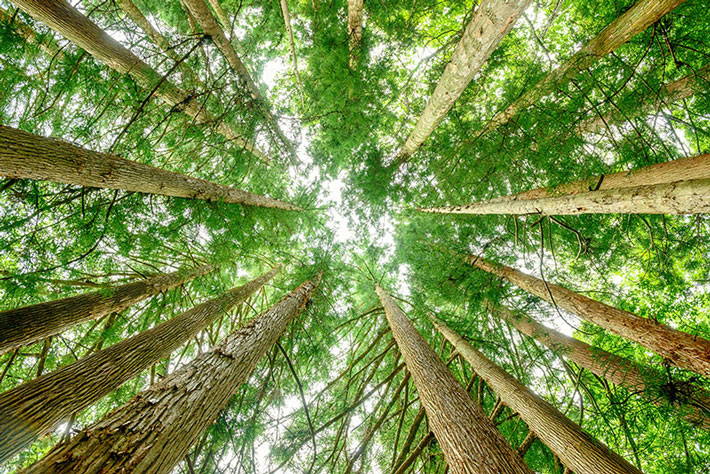
Japan’s geography is defined by its forests, which cover approximately two-thirds of the nation’s total land area. This verdant landscape, nurtured by a warm, humid climate and distinct seasonal shifts, provides a vast repository of both coniferous and broadleaf tree species.

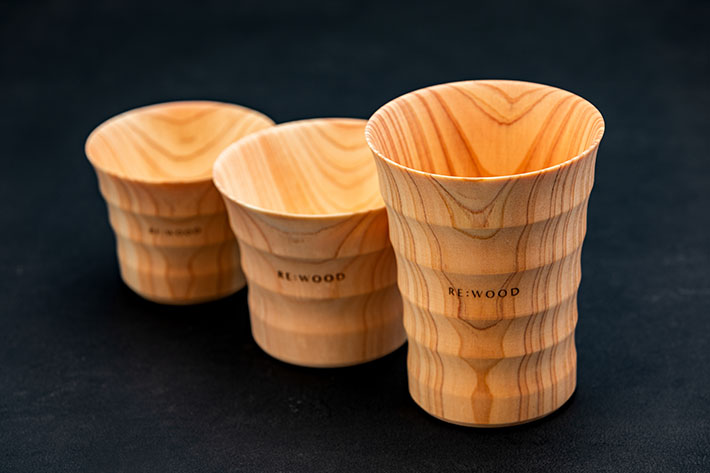
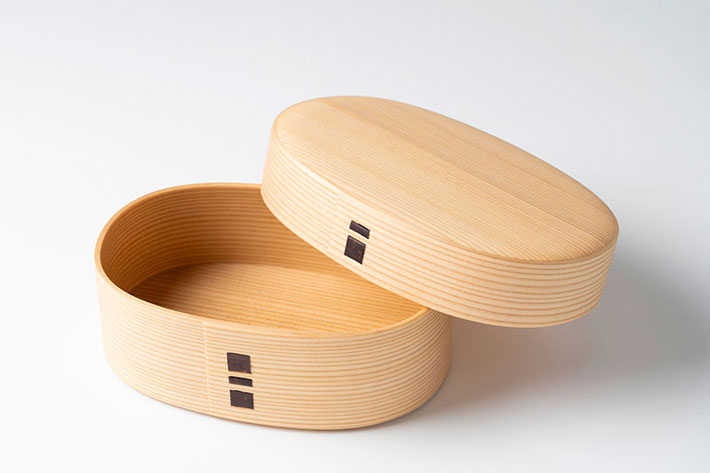
Central to this arboreal heritage are Sugi (Japanese cedar) and Hinoki (Japanese cypress). These species are not only domestic staples but are also the backbone of Japan’s aesthetic and structural identity. While modern engineering has introduced steel and concrete, Japan’s deep-rooted trust in wood remains unshaken. Whether in the construction of the Expo 2025 main pavilion in Osaka—a structure of global significance—or the intimate, tactile experience of a magewappa bentwood lunchbox, the country continues to demonstrate that wood is as versatile as it is beautiful.
A Chronological Tapestry: From Ancient Temples to Modern Landmarks
The history of wood in Japan is a testament to longevity. To understand why Japan remains a global leader in timber technology, one must look at its historical milestones:
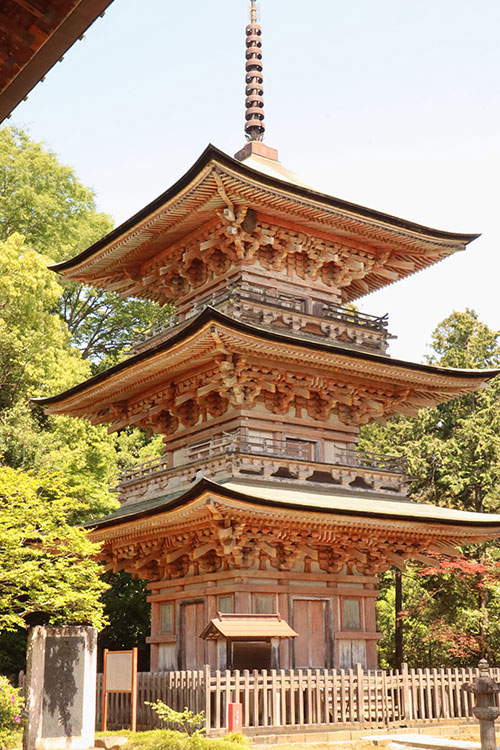
- The Ancient Era: The construction of Hōryū-ji in Nara Prefecture stands as the ultimate proof of wood’s resilience. Often cited as the world’s oldest surviving wooden structure, its reliance on Hinoki has allowed it to withstand over 1,000 years of seismic activity and climate fluctuations.
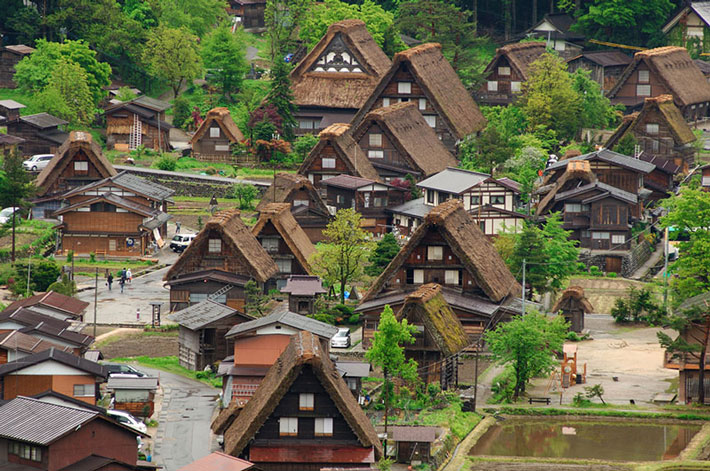
- The Feudal Period: Throughout the Edo and Meiji eras, wood-crafting techniques reached their zenith. Samurai residences and merchant houses across the country evolved into cultural landmarks, showcasing the intricate joinery that allows wooden buildings to breathe and settle without the brittleness of modern synthetic materials.
- The Modern Integration: Today, traditional wisdom meets cutting-edge technology. The 2025 Osaka Expo represents a contemporary evolution of this history, utilizing massive timber construction to push the boundaries of what is possible in large-scale architecture.
- The Global Milestone (2024): In a landmark development for international trade, the American Lumber Standards Committee certified the structural integrity of Japanese Hinoki-based "two-by-four" dimension lumber in April 2024, marking a new chapter for Japanese timber in the global market.
Supporting Data: Why Wood Remains Superior
The persistence of wood in Japanese society is not merely a nostalgic choice; it is grounded in scientific reality.
Thermal and Humidity Regulation
Sugi is prized not only for its workability but for its innate ability to regulate indoor environments. It acts as a natural buffer, absorbing excess humidity during Japan’s damp rainy seasons and releasing moisture when the air is dry. This, combined with the material’s natural insulation properties, makes wooden tableware and structures remarkably energy-efficient. When used in containers like magewappa, the wood creates a microclimate that keeps food fresher for longer periods.
Resistance and Durability
A common misconception is that wood is inherently fragile. However, Hinoki’s natural resistance to decay and insect infestation has allowed it to endure for millennia. By leveraging these natural defenses, Japanese builders have avoided the need for toxic chemical preservatives for generations.
Modern Technological Advancements
The innovation sector has accelerated the utility of these woods. The "S-Tech" (nitrogen heat treatment) process is a prime example of modern efficiency. By treating wood at temperatures exceeding 200°C (392°F) in a nitrogen-rich environment, manufacturers can decompose the sugars and components that typically attract rot and insects. This process, which requires no chemicals, has resulted in boardwalks and exterior structures that remain structurally sound after two decades of exposure to the elements.
Official Responses and Industry Initiatives
The push to export Japanese wood is no longer an informal pursuit but a coordinated national strategy. The Japan Wood Products Export Association (JWPEA) has taken the lead in bridging the gap between domestic artisans and the global market.
Industry experts emphasize that the future of Japanese forestry lies in "conscious production." By creating products that last for generations, the industry aims to reduce the cycle of deforestation. Official reports from the JWPEA highlight that the certification of Hinoki for the North American two-by-four construction method is a strategic move to address global demand for high-quality, sustainably sourced timber. This institutional support ensures that while Japanese wood moves into global markets, it maintains the high standards of quality control and environmental responsibility that have defined it at home.
The Implications: Wood in the Age of Sustainability
The global focus on the United Nations’ Sustainable Development Goals (SDGs) has placed wood at the forefront of the green building revolution. As countries grapple with the carbon footprint of steel and cement, Japan’s model offers several critical implications:
1. Carbon Sequestration and Circularity
Wooden buildings act as carbon sinks, trapping CO2 for the duration of the structure’s life. Japan’s emphasis on long-lasting timber, paired with modern treatments like S-Tech and advanced preservative-infused plywood, ensures that this carbon remains sequestered for decades, if not centuries.
2. The Shift to "Low-Impact" Construction
The development of termite-proof, structural-grade plywood allows for the use of wood in historically "non-wood" zones, such as exterior walls and subflooring in moisture-prone climates. This shift reduces the dependency on energy-intensive industrial materials, proving that traditional, renewable resources can meet modern safety and durability standards.
3. Cultural and Aesthetic Longevity
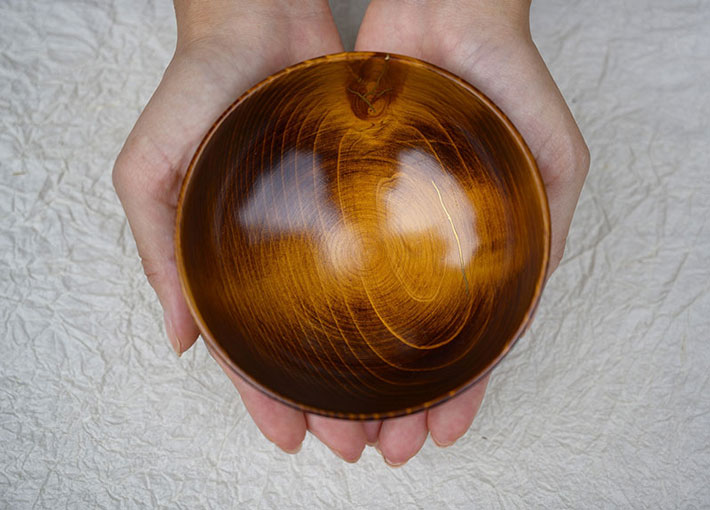
There is a psychological dimension to wood that modern materials lack. The grain, the fragrance of Hinoki, and the tactile warmth of a wooden bowl contribute to the well-being of the inhabitants. As urban living becomes increasingly digitized and synthetic, the "biophilic" design provided by wood—bringing the forest into the home—is becoming a vital aspect of modern interior design and architectural planning.
4. A New Economic Horizon
With the international certification of Hinoki, Japanese timber producers are no longer limited by domestic population shifts. The global market, particularly in North America and Europe, is showing a growing appetite for high-performance, sustainable materials. By positioning Hinoki as a premium, durable, and environmentally sound alternative to standard softwoods, Japan is setting the stage for a new era of forestry-led economic growth.
Conclusion
Japan’s relationship with wood is a paradox of stability and evolution. While the methods of harvesting and treating timber have modernized, the reverence for the material remains unchanged. As we look toward a future that demands both durability and environmental stewardship, the ancient temples of Nara and the state-of-the-art pavilions of Osaka stand as silent partners, reminding us that the most innovative material of the future may well be the one we have been using for a thousand years.

For those looking to explore these possibilities further, the Japanese Wood Export Portal serves as the primary resource for understanding how this traditional mastery is being adapted for the global stage. In the intersection of heritage and high-tech, Japan is not just preserving its past; it is building the foundation for a more sustainable world.


 Neng Nana
 Asro
Asro