

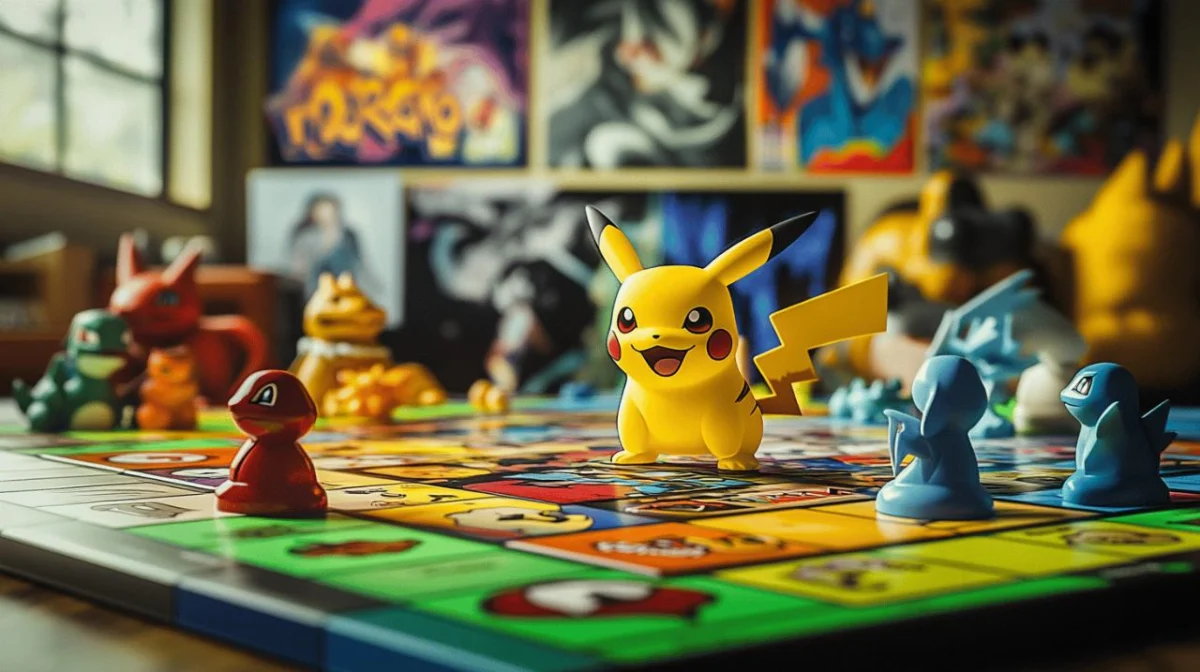
The intersection of two cultural juggernauts—the legendary Monopoly property-trading game and the global phenomenon of Pokémon—has finally yielded a tabletop experience that transcends mere branding. By synthesizing the core mechanics of classic board gaming with the immersive lore of the Kanto region, this new edition offers a fresh, strategic, and highly nostalgic experience for fans of all ages.
Available since early 2025 for a retail price of €29.99, this game is not simply a reskin of the traditional format; it is a fundamental reimagining of what it means to be a "trainer" in a competitive tabletop environment.
Main Facts: A New Frontier for Tabletop Gaming
The core premise of this adaptation is the transformation of the capitalist struggle for wealth into a quest for mastery and collection. Gone are the days of accumulating paper currency; in this edition, the economy is powered by Poké Balls. The game board itself has been meticulously redesigned to reflect the geography of the Kanto region, replacing the traditional street names of Atlantic City with iconic locations such as Pallet Town and Saffron City.
Designed for 2 to 4 players, the game is optimized for a 45-minute play session, making it an ideal choice for family game nights. The age recommendation starts at 8 years old, ensuring that the rules remain accessible while retaining enough depth to satisfy long-time fans of the franchise. Players choose from four highly detailed character tokens: Pikachu, Sprigatito (Poussacha), Fuecoco (Chochodile), and Quaxly (Coiffeton).
Chronology: From Concept to Tabletop Reality
The development of this edition followed a rigorous design process aimed at ensuring the mechanics remained faithful to the spirit of the Pokémon series while respecting the structural integrity of Monopoly.
- Initial Development (Early 2024): Preliminary design phases focused on map layout, ensuring that the Kanto region’s geography translated logically to a circular board.
- Mechanics Testing (Mid-2024): Developers experimented with replacing currency. The shift to Poké Balls as the primary resource was the pivotal moment that allowed the game to pivot from "buying property" to "capturing Pokémon."
- Release and Distribution (January 2025): The official launch took place across major European retailers, including Smyth Toys and Amazon, with a MSRP of €29.99.
- Community Reception (Q1 2025): Early feedback from the board game community highlighted the game’s success in balancing nostalgic appeal with dynamic, faster-paced gameplay compared to traditional Monopoly.
Supporting Data and Technical Specifications
To understand why this edition has garnered a 4.5/5 rating across various consumer platforms, one must look at the mechanical shifts implemented by the design team:
- The Capture System: Unlike standard Monopoly where you buy a street, players now engage in a "capture" mechanic. There are 48 unique Pokémon to be collected. When a player lands on a location, they utilize a specialized "Capture Die" to determine the success of their attempt.
- The Currency of Poké Balls: Poké Balls serve a dual purpose: they are the currency used to pay for travel and the resource required to secure a Pokémon. This adds a layer of resource management missing from the original game.
- Winning Conditions: The end goal is no longer just to bankrupt your opponents. Players win by being the last trainer with Poké Balls, or by successfully building a diverse collection of Pokémon types across the board.
- Strategy Depth: The inclusion of Professor Oak’s challenges provides secondary objectives. These tasks reward players with bonus Poké Balls, forcing participants to weigh the risks of moving toward a specific objective against the potential of missing out on a rare capture.
Official Responses and Market Positioning
Market analysts have noted that this collaboration is a strategic masterstroke, leveraging the immense brand equity of both Hasbro and The Pokémon Company. Industry spokespeople have pointed out that the price point of €29.99 positions the game as an "accessible luxury," perfect for gift-giving and entry-level hobbyists.
Retailers have reported high sell-through rates, with many physical stores struggling to keep stock on the shelves during the first quarter of 2025. Distribution remains robust, with online giants like Amazon offering expedited shipping, and specialized hobby stores providing the added value of community support and organized play sessions.
Implications for the Board Game Industry
The success of the Pokémon Monopoly edition signals a broader trend in the toy industry: the "hybridization" of classic games. Consumers are no longer satisfied with simple aesthetic changes (i.e., changing the colors of the pieces). They demand that the mechanics of the game reflect the thematic content of the license.
The Rise of Thematic Mechanics
By introducing a "Capture Die" and replacing currency with inventory-based assets, this game has set a new standard. It proves that major brands can successfully innovate within established frameworks without alienating traditionalists.
The Collector’s Market
With its release date in early 2025, the game is already being touted as a potential collector’s item. The inclusion of high-quality character figurines and the limited-run nature of specific promotional cards have piqued the interest of the secondary market. Experts suggest that keeping the original packaging and maintaining the game in "mint" condition will likely increase its valuation among enthusiasts in the coming decade.
Deep Dive: Gameplay Strategy and Tactics
For those looking to gain a competitive edge, the game requires a shift in mindset. Here are the pillars of a winning strategy:
- Prioritize Resource Management: Because Poké Balls are both your currency and your capture mechanism, spending too freely early in the game can lead to "Trainer Bankruptcy." It is essential to maintain a reserve for unexpected encounters.
- The Professor Oak Factor: Do not ignore the Professor’s missions. These are not merely flavor text; they are the most efficient way to generate the extra capital needed to dominate the late-game phase.
- The Legendaries: When the board dictates an encounter with a Legendary Pokémon, the risk-reward ratio is skewed. While they are difficult to catch, controlling a legendary zone offers a significant strategic advantage that can force opponents to pay exorbitant "fees" when they land on your territory.
Maintaining Your Collection
For collectors and families alike, the preservation of the game components is paramount. Given the high-quality finish of the character tokens—specifically the Pikachu and starter Pokémon figures—it is recommended to store the game in a climate-controlled environment.
- Organized Storage: Utilize the provided inserts to ensure that the Poké Balls and cards do not scratch the board surface.
- Humidity Control: Paper components, including the 48 Pokémon cards, are susceptible to warping in high humidity. A simple silica gel packet inside the box can prevent long-term degradation.
- Handling: The specialized Capture Die features intricate symbols; frequent, rough play can lead to paint wear. Players are encouraged to use a soft rolling mat to preserve the longevity of the dice.
Conclusion: A New Standard for Family Entertainment
The fusion of the Monopoly property-trading system with the vast, creature-filled world of Kanto is more than just a collaboration; it is a revitalization of a classic. By replacing the cold, clinical nature of real estate speculation with the warm, exciting challenge of becoming a Pokémon Master, the game successfully bridges the generational gap.
Whether you are a nostalgic adult who grew up with the original Red and Blue games, or a young fan just beginning your journey in Pallet Town, this edition offers a depth of engagement that is rare in mass-market board games. With its strategic depth, accessible mechanics, and high-quality components, the Pokémon Monopoly edition stands as a testament to the enduring power of both brands. It is not just a game; it is an invitation to explore one of the most beloved worlds in modern entertainment, all from the comfort of your living room.











No comments yet. Be the first to join the conversation!