


The tablet market is currently saturated with high-end, productivity-focused devices that often command prices north of $800. In this landscape, the 2026 Motorola MotoPad arrives as a breath of fresh air for the budget-conscious consumer. Priced at just $249, this tablet aims to bridge the gap between expensive professional slates and ultra-low-end, disposable hardware. While it succeeds brilliantly as a portable media consumption device and a reliable companion for daily productivity, our extensive testing reveals a clear divide between its high-quality build and its internal performance capabilities.
Main Facts: The Anatomy of the MotoPad
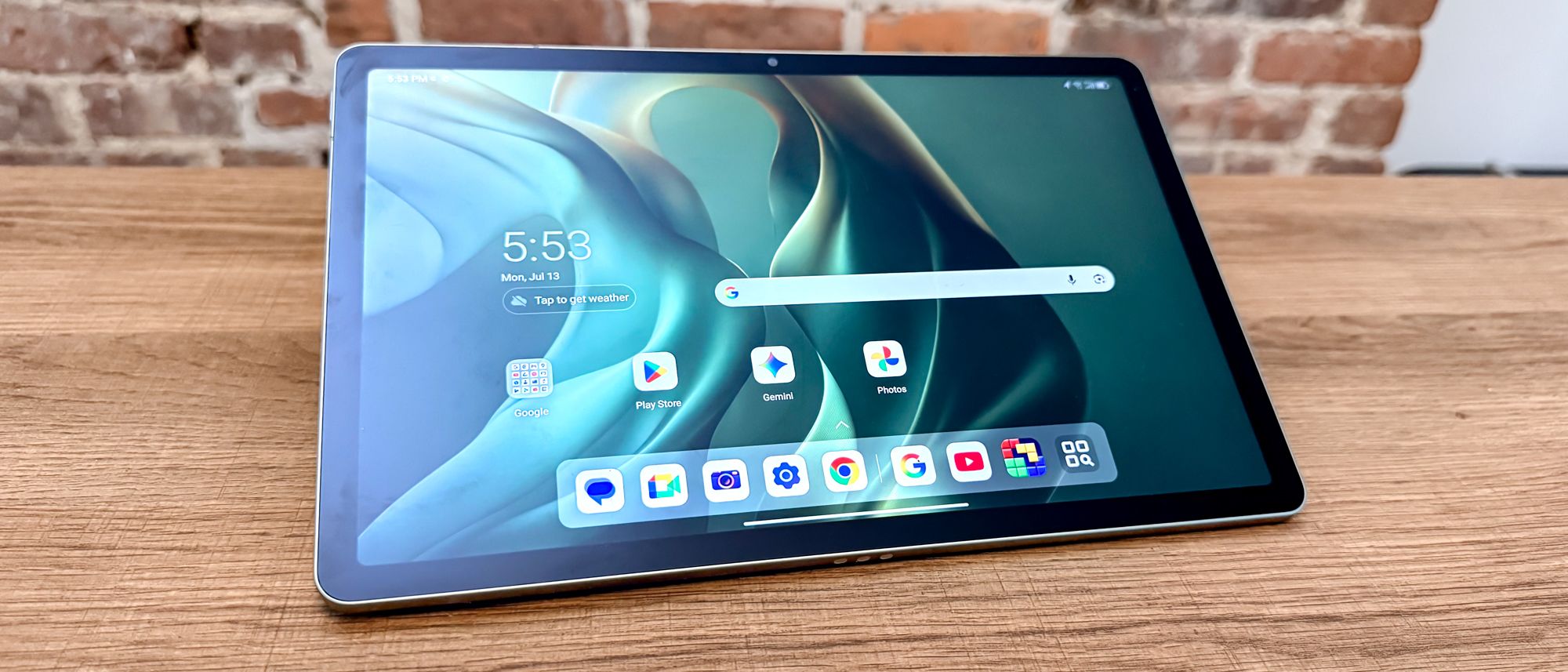
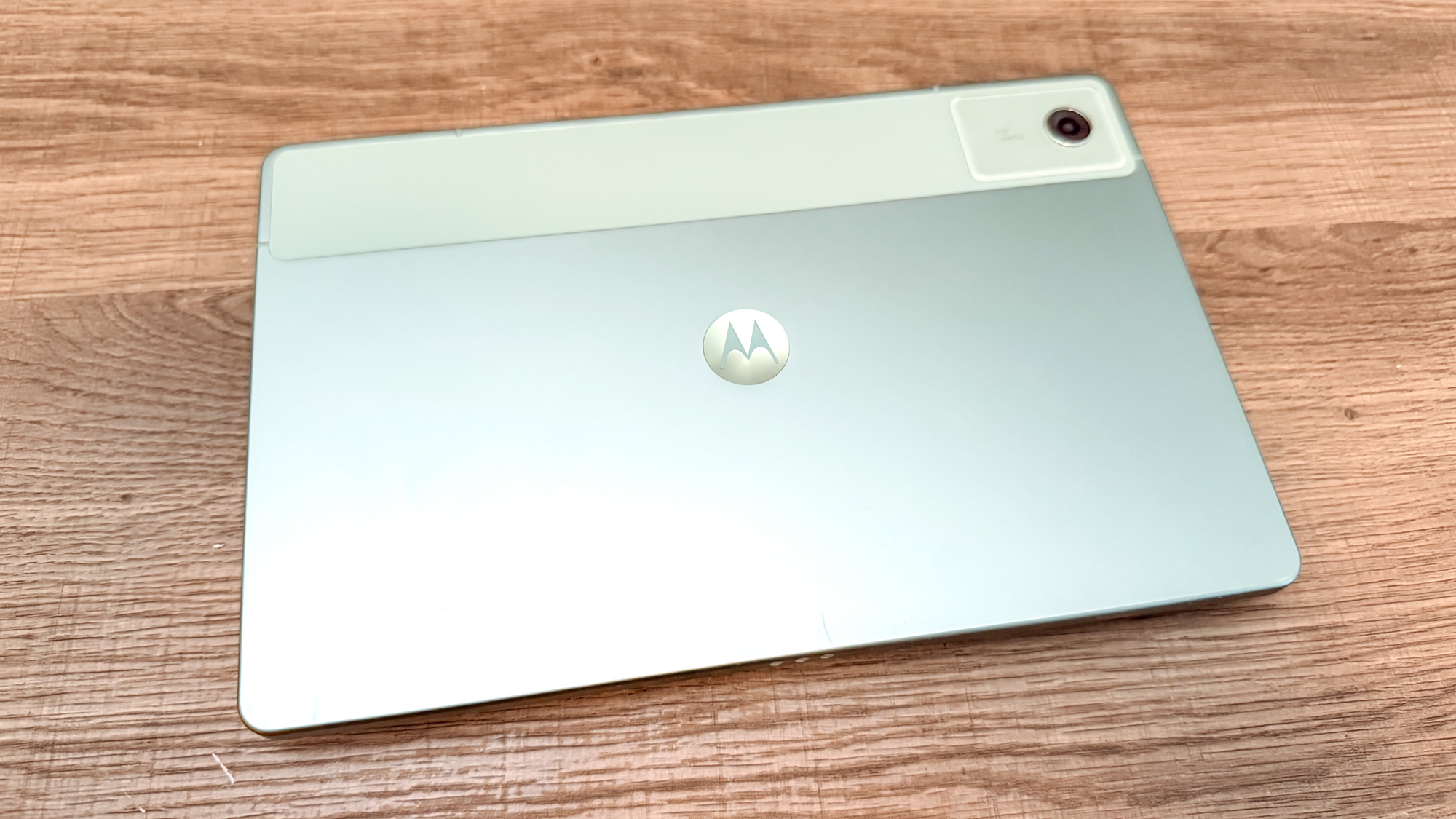
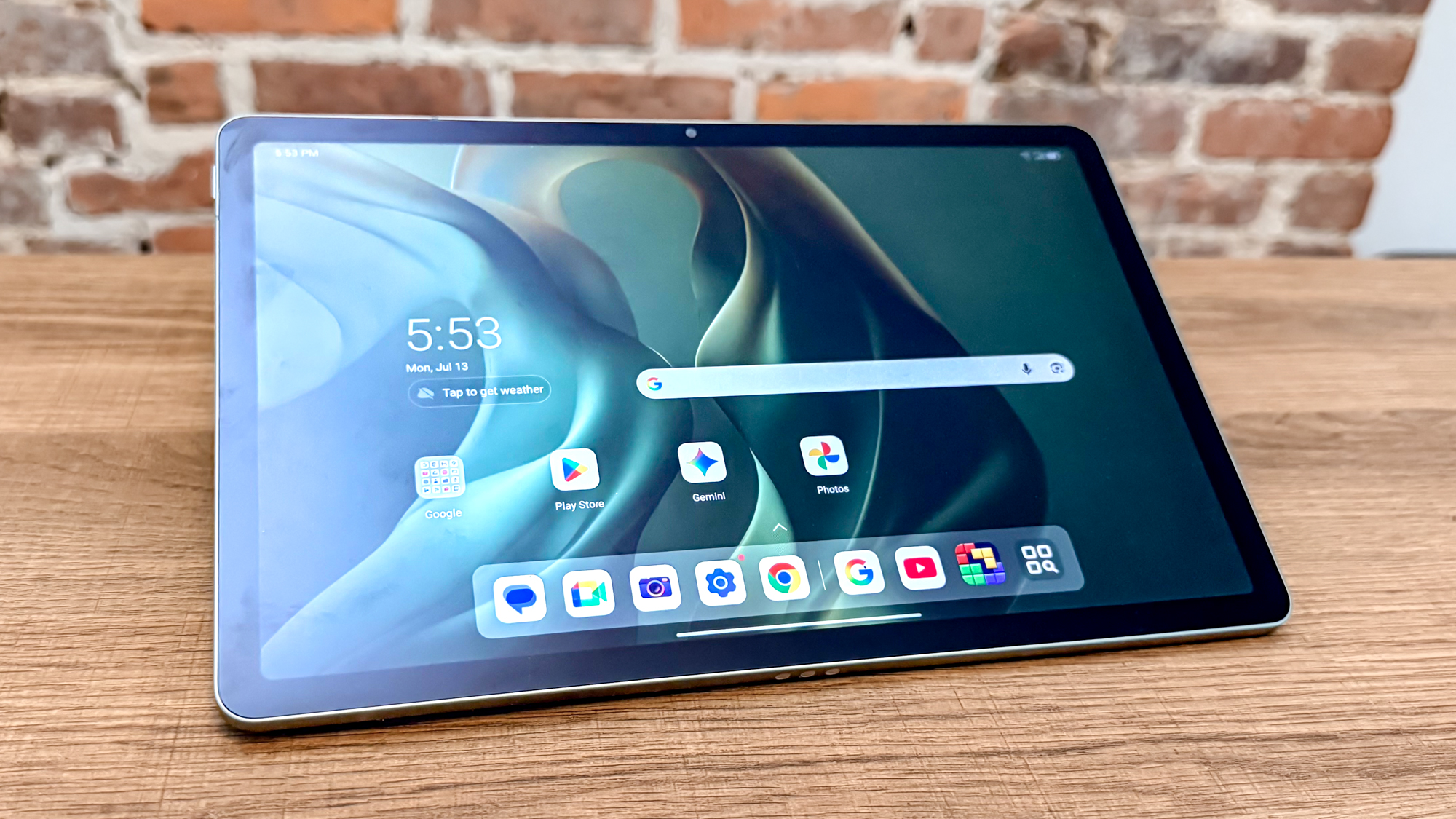
The Motorola MotoPad (2026) is built around a philosophy of accessible luxury. Its aesthetic identity is defined by a striking Pantone Bronze Green aluminum chassis, accented by a sophisticated glass camera housing that belies its entry-level price point.
Key Technical Specifications:
- Processor: MediaTek Dimensity 6300 (8-core, 6nm)
- Graphics: Arm Mali G-57 MC2 GPU
- Memory/Storage: 8GB RAM / 128GB SSD (Expandable via MicroSD up to 2TB)
- Display: 11-inch LCD, 2,560 x 1,600 resolution, 90Hz refresh rate
- Battery: All-day battery life (approx. 10 hours)
- Dimensions: 10.02 x 6.54 x 0.28 inches; 1.06 lbs
The device is marketed as a "lifestyle" tablet—perfect for students, commuters, and those looking for a secondary screen to augment their primary laptop workflow. However, the inclusion of "casual gaming" in its marketing narrative is a point of contention that we will address in the performance analysis.
Chronology: The Development and Market Positioning
Motorola’s strategy for 2026 has been to reclaim territory in the mid-range and budget Android ecosystem. Following the success of their smartphone lines, the development of the MotoPad focused on hardware refinement rather than raw computing power.
Throughout the development cycle, Motorola prioritized screen-to-body ratio and audio quality over processor benchmarks. By selecting the MediaTek Dimensity 6300, the company opted for a power-efficient chipset that could guarantee "all-day" battery life—a metric that internal testing confirmed as a core pillar of the user experience. The decision to launch at the $249 price point was clearly designed to undercut the entry-level iPad (2025) while offering a more refined build quality than the Amazon Fire HD series.
Supporting Data: Testing the Limits
To understand where the MotoPad fits into the current ecosystem, we subjected it to rigorous benchmarking and real-world usage scenarios.
Display and Audio Performance
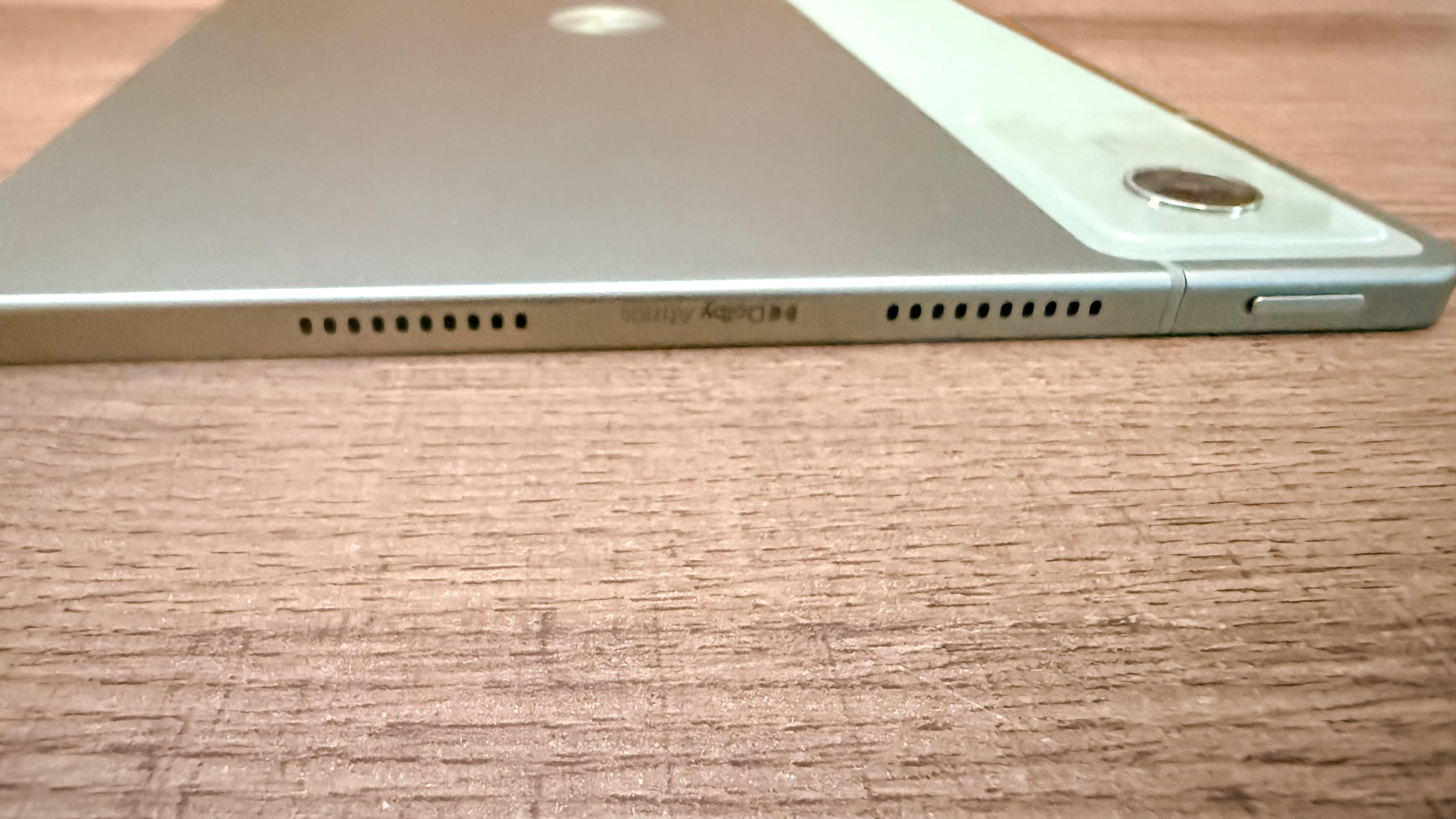
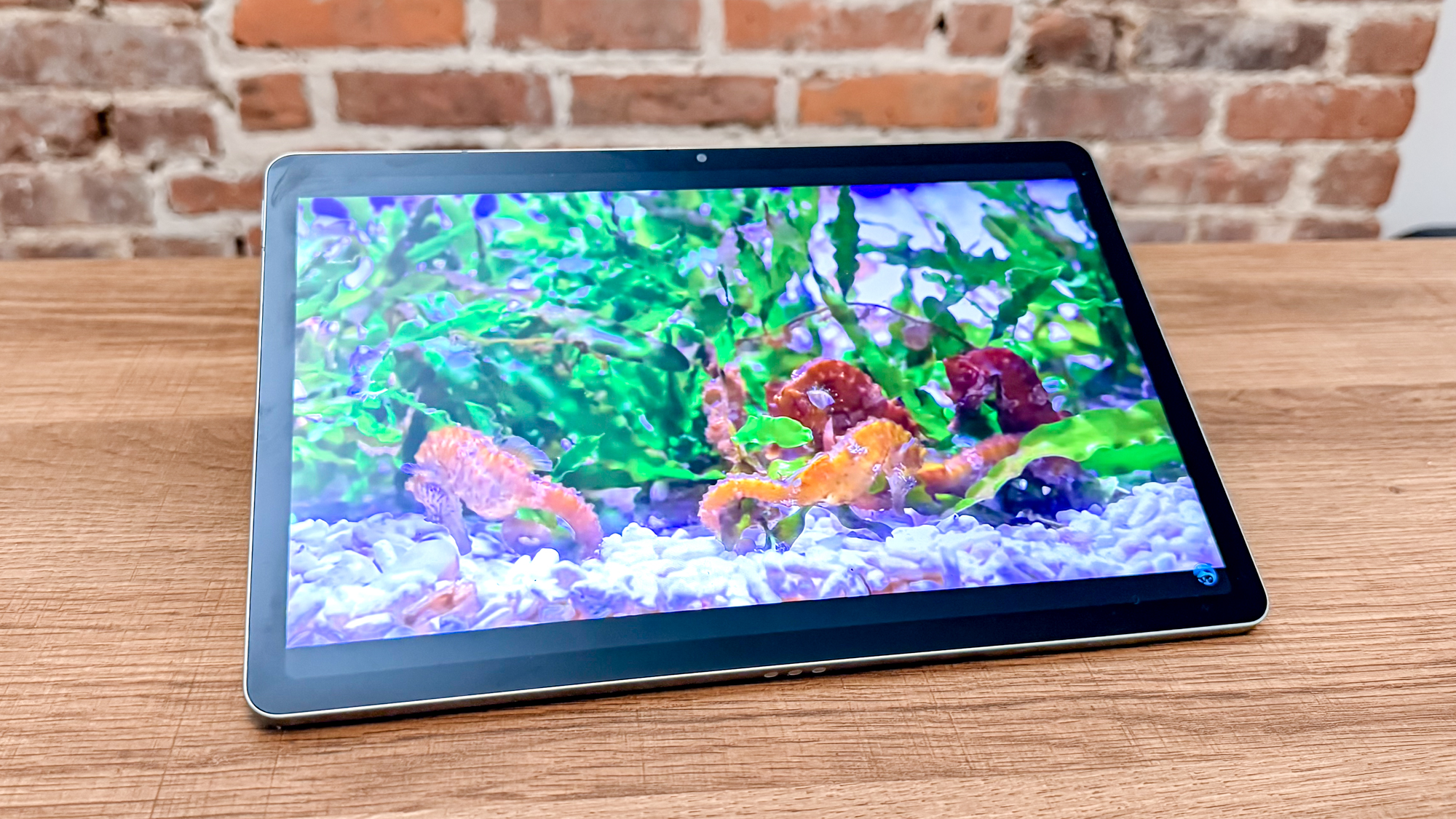
The MotoPad features an 11-inch LCD display that covers 112% of the sRGB color space. While it lacks the deep blacks of an OLED panel, its color reproduction is punchy and vibrant. Reaching an average brightness of 430 nits, the screen performs admirably under indoor lighting conditions. When paired with the quad-speaker system, which utilizes Dolby Atmos processing, the MotoPad becomes an exceptional mobile theater. The speakers provide excellent sound balance, particularly in landscape mode, and remain clear even at moderate volumes.
Battery Longevity
In our standardized Wi-Fi web surfing battery test, the MotoPad clocked in at 10 hours and 31 minutes. While this lags behind the Apple iPad 11 (11 hours, 25 minutes) and the high-end OnePlus Pad 3 (16 hours, 21 minutes), it is comfortably above the industry standard for an 8-hour workday. Users can confidently rely on this device for a full day of classes or a cross-country flight without hunting for a power outlet.
The Performance Gap
The divergence in the MotoPad’s utility becomes apparent during stress tests. Benchmarking via Geekbench 6 and Adobe Premiere Rush reveals that the device’s multicore performance is significantly lower than its premium competitors. The iPad 11, for instance, exhibits nearly triple the processing power of the MotoPad. Consequently, while the tablet is perfectly capable of handling document editing, web research, and email management, it is not designed for heavy multitasking or professional-grade creative work.
Official Responses and Marketing Claims
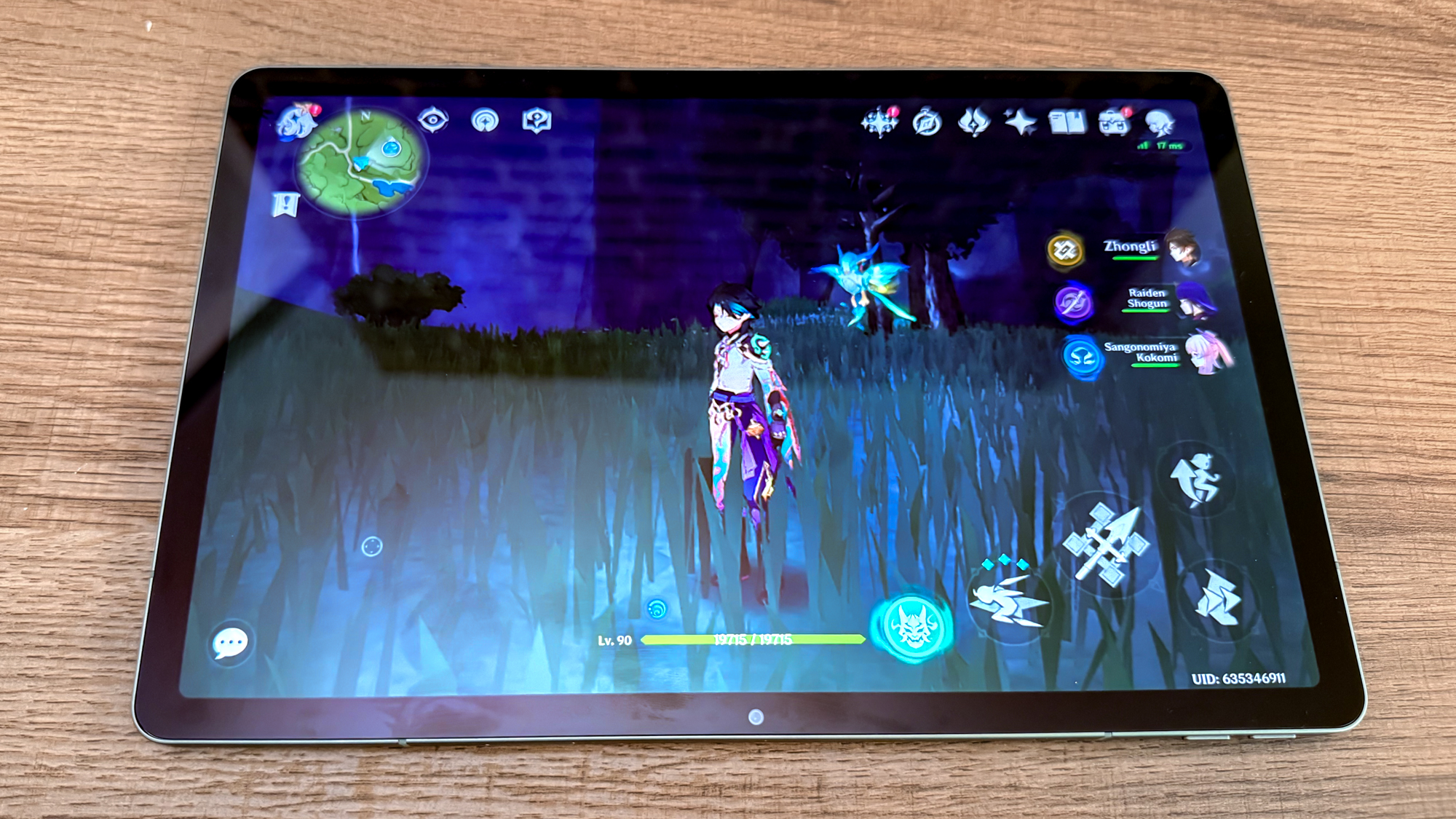
Motorola has positioned the MotoPad as a device for "casual gaming." However, our lab results suggest this label requires a caveat. The Arm Mali G-57 MC2 GPU handles casual puzzle games—such as Candy Crush or Block Blast—without issue.
The trouble arises when the device encounters modern, graphically intensive mobile titles. In tests running Genshin Impact and Fortnite, the tablet struggled to maintain a playable frame rate, often dipping below 30fps even on the lowest graphics presets. Motorola’s marketing team has emphasized the "all-around" nature of the device, but consumers should be aware that the "gaming" aspect is strictly limited to low-intensity titles. We recommend that if users intend to play competitive action games, they should utilize cloud-based services like Nvidia GeForce Now, which offloads the processing requirements to remote servers.
Implications: Who is this for?
The implications of our findings are clear: the Motorola MotoPad (2026) is a specialized tool. It is not an "iPad killer" in terms of raw power, nor is it meant to replace a high-performance workstation.
The Pros:
- Exceptional Value: At $249, it provides a premium-feeling aluminum build and a high-resolution display that many competitors at this price point lack.
- Media Consumption: The combination of a 90Hz display and quad speakers makes it a top-tier choice for Netflix, YouTube, and streaming.
- Portability: At just 1.06 pounds, it is an ideal companion for students and travelers who want a larger screen without the weight of a laptop.
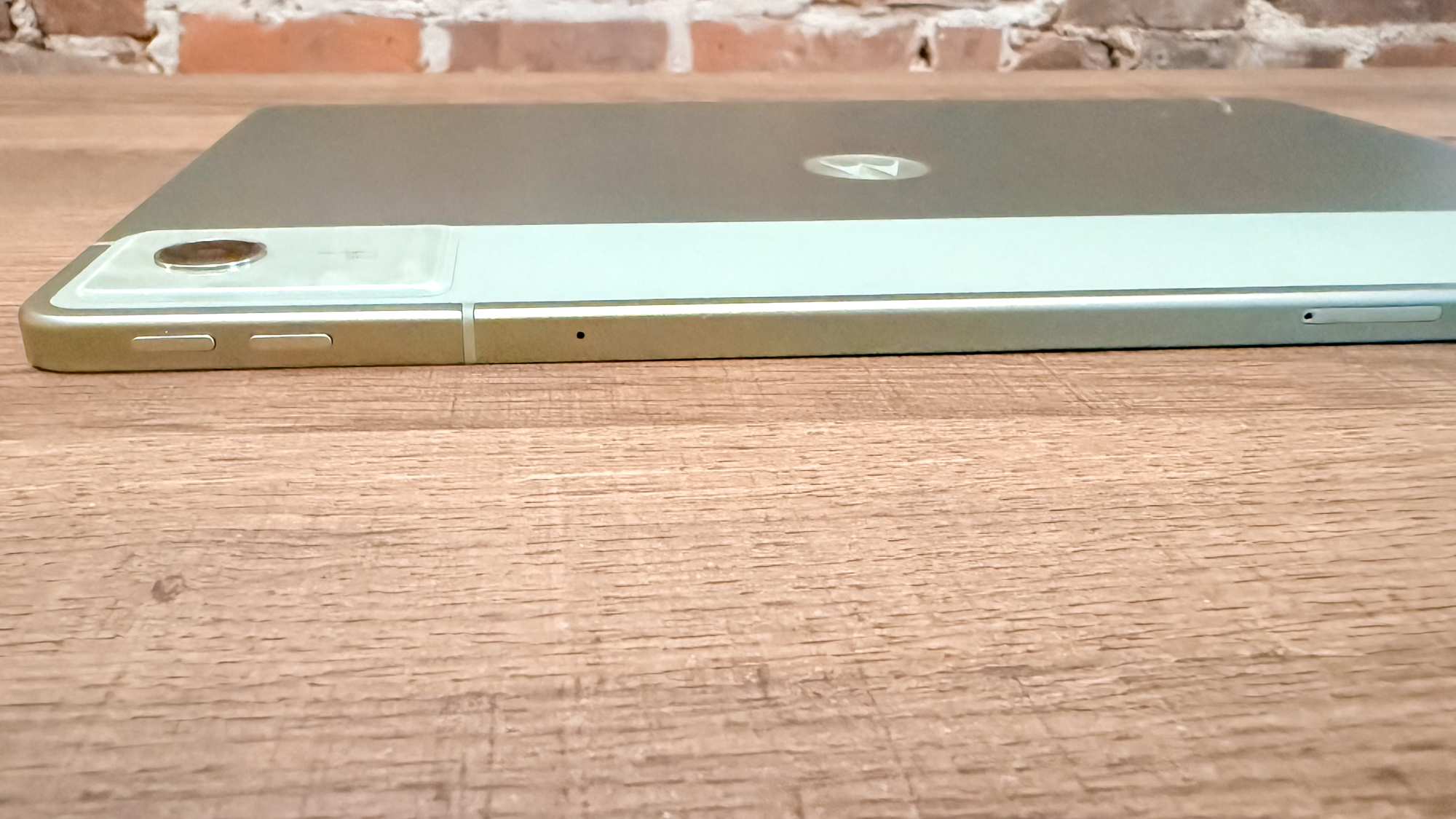
- Expandability: The inclusion of a MicroSD card reader is a consumer-friendly feature that is increasingly rare in the tablet market.
The Cons:
- Gaming Limitations: Despite marketing claims, the GPU is not equipped for modern action games.
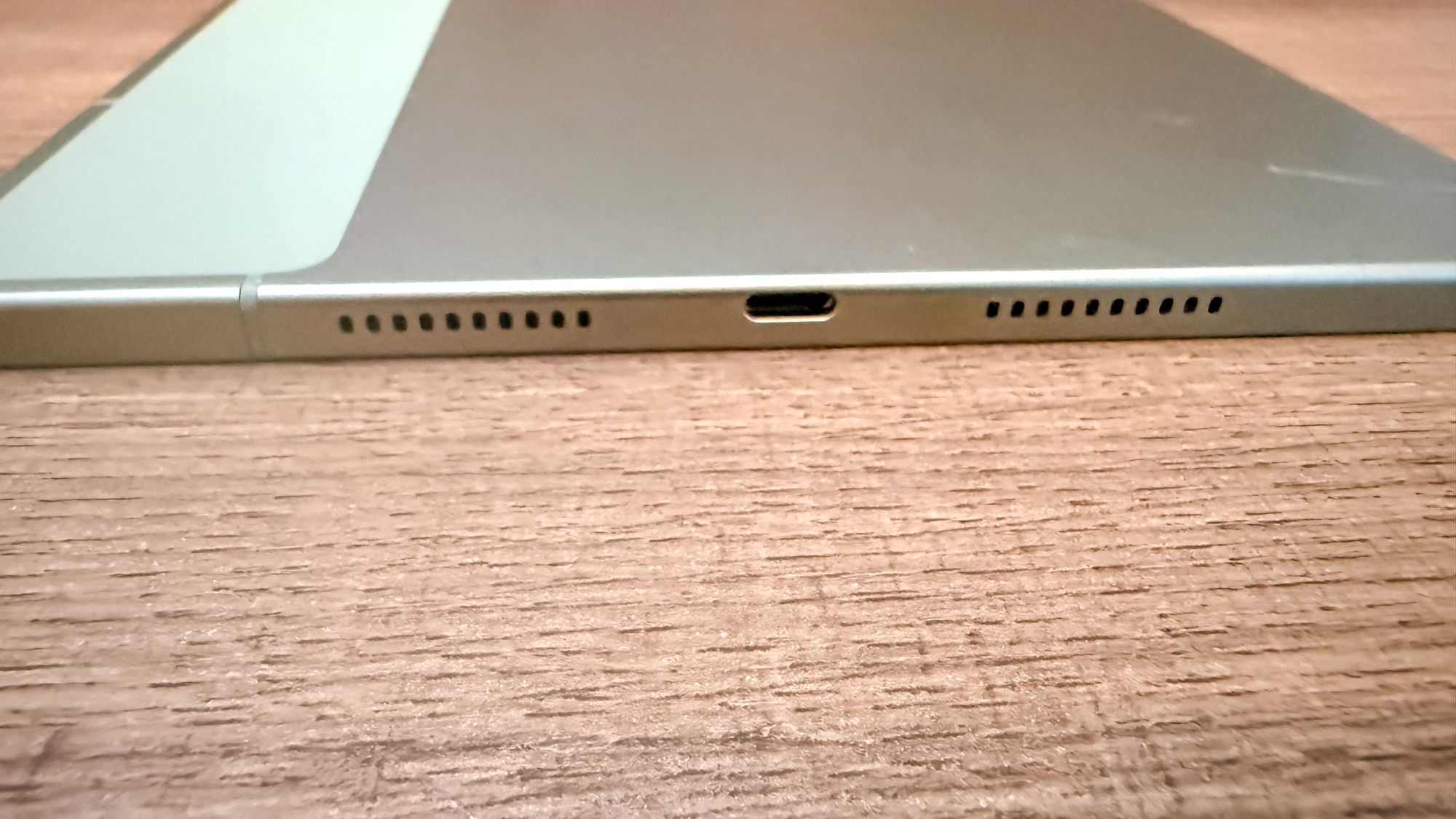
- Port Constraints: With only one USB-C port, multitasking with external peripherals requires a Bluetooth-first approach.
- The "Hidden" Costs: To unlock the full potential of the display, users will likely need to spend an additional $99 for the Moto Pen Ultra and invest in a protective case, bringing the total cost closer to $350-$400.
Final Verdict
The Motorola MotoPad (2026) is a triumph of design and price-to-performance ratio for the casual user. It is a device built for the living room, the classroom, and the coffee shop. If your primary goal is to consume media, manage emails, and perform light research, the MotoPad is an incredible bargain that stands out in a sea of uninspired budget hardware. However, those looking for a portable gaming rig or a device capable of intensive video editing should look toward more powerful, albeit more expensive, alternatives.
Ultimately, Motorola has delivered a high-quality "sidecar" device. If you manage your expectations regarding its GPU capabilities, you will find the MotoPad to be a highly rewarding, stylish, and long-lasting companion for your digital life.











