

By Editorial Staff | July 2026
In a landmark announcement that has sent shockwaves of nostalgia through the gaming community, Riot Games has officially unveiled League of Legends Classic. Revealed during the high-octane spectacle of the MSI 2026 Finals, the studio confirmed that this throwback experience will arrive as a free update on July 29th, integrated directly into the current Riot Client as part of Patch 26.15.
For a generation of players who cut their teeth on the original Summoner’s Rift, the announcement marks a significant pivot for the developer. By embracing the "legacy" model popularized by industry titans, Riot is betting that the past holds the key to reinvigorating the player base of its flagship title.
The Core Revelation: What is League of Legends Classic?
It is vital to distinguish between a technical "version rollback" and the curated experience Riot is providing. According to an official FAQ released shortly after the announcement, League of Legends Classic is not a direct reset to the game’s 2009 launch state. Instead, it is a "greatest hits" compilation of the game’s formative years, specifically targeting the highly regarded Season 3 era (2012–2013).
Executive Producer Paul Bellezza clarified that the project was born from an internal "Thunderdome" hackathon—a tradition at Riot where developers are encouraged to prototype experimental ideas. "We wanted to capture the magic of the game when it felt wilder, more experimental, and fundamentally different in its pacing," Bellezza noted.
The mode features a refined selection of systems from that era, including:
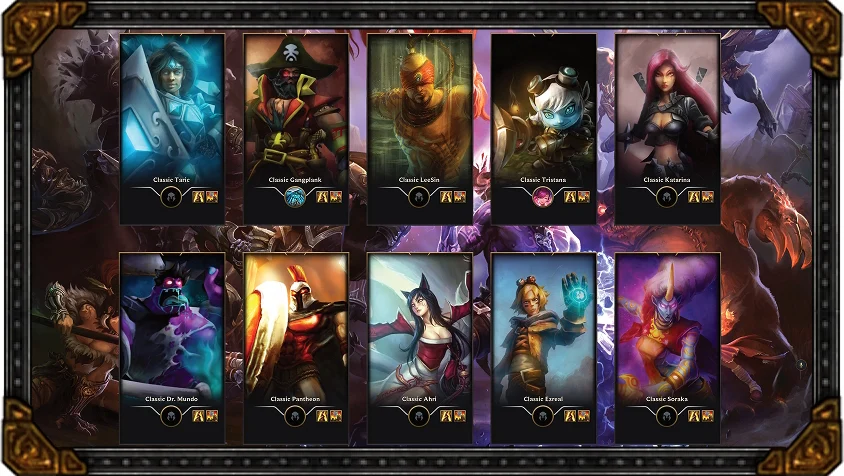
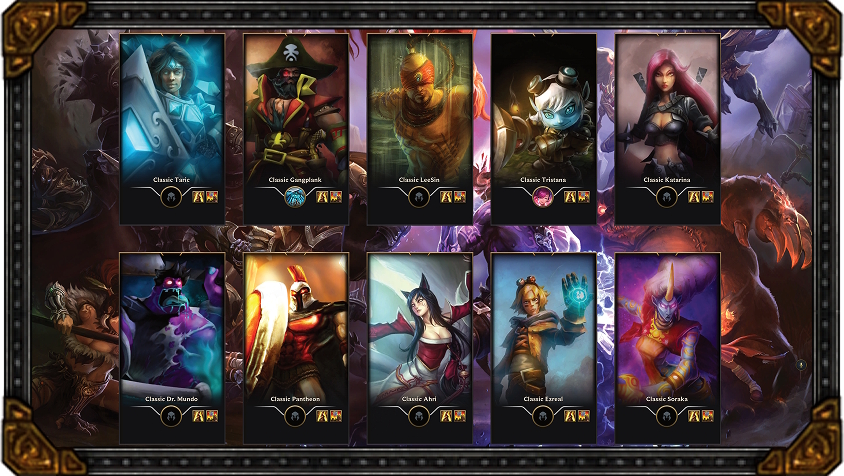
- The Original 60: A roster consisting of the original 40 launch champions plus 20 fan-favorite icons from the early years.
- Old-School Mechanics: The return of the classic rune selection page, offering that specific, crunchy progression system that predated the modern "Reforged" runes.
- The Mastery Tree: The strategic depth of the Offense, Defense, and Utility skill trees, which allowed for unique character builds that have since been phased out.
A Chronology of the Project
The journey to League of Legends Classic was not an overnight decision. To understand how we arrived at this moment, one must look at the trajectory of Riot’s development philosophy:
- 2009–2012 (The Formative Era): League of Legends experiences exponential growth, defining the MOBA genre with its distinct, somewhat unpolished, but highly addictive gameplay loop.
- 2013 (The Peak of Season 3): Often cited by long-term players as the "Golden Age" of the game. The meta was fluid, and the community was rapidly expanding.
- 2023–2025 (The Planning Phase): As the industry shifted toward "Legacy" servers (spearheaded by the success of World of Warcraft Classic and Fortnite OG), Riot leadership began evaluating the viability of a similar project.
- Q1 2026 (The Thunderdome Prototype): A small team of developers successfully ports the core movement and combat logic of the Season 3 engine into the modern client, proving that a standalone "Classic" mode is technically feasible without forcing players to download a separate game.
- July 2026 (The MSI Reveal): The official announcement at the MSI 2026 Finals confirms a July 29th launch date, framing the mode as a permanent addition rather than a limited-time event.
Supporting Data and Industry Context
The decision to launch League of Legends Classic is not merely an act of fan service; it is a calculated business move supported by current gaming industry trends.
The "Legacy" Effect
When Blizzard Entertainment launched World of Warcraft Classic in 2019, it caused a massive surge in player engagement that revitalized the franchise. Similarly, Fortnite’s "OG" season saw the game shatter its all-time concurrent player records, proving that players are eager to revisit the mechanics that defined their formative gaming experiences.
Technical Integration
One of the most impressive aspects of this announcement is the integration into the existing Riot Client. By avoiding the need for a separate launcher, Riot is minimizing friction for the user. Players will be able to switch between the modern League of Legends experience and the Classic mode with a simple toggle, ensuring that the player base remains unified within the ecosystem.
Roster Balance
The decision to cap the roster at 60 champions is a strategic move to manage power creep. Modern League has over 160 champions, making game balance a perpetual struggle. By limiting the pool, Riot is effectively resetting the meta, allowing players to rediscover the game without being overwhelmed by the complex kits introduced in the last decade.
Official Responses and Developer Philosophy
Riot Games has been careful to manage expectations regarding the "Classic" experience. In a blog post accompanying the announcement, the development team addressed potential concerns about game balance:
"Our goal isn’t to recreate the bugs or the technical limitations of 2012," said a spokesperson for the balance team. "Our goal is to recreate the feeling of that time. We are keeping the classic visuals and the classic systems, but we are applying modern stability and security updates to ensure the game remains playable and fair by today’s standards."
The studio also noted that this move is an acknowledgment of the "vocal minority" of veterans who have missed the tactical slower-paced combat of the early years. By offering a designated space for this style of play, Riot hopes to curb the burnout that often affects long-term players in the current, high-speed meta.
Implications for the Future of Live-Service Gaming
The launch of League of Legends Classic will have far-reaching implications for the live-service industry:
1. Retention of the Veteran Base
Many players who left the game between 2015 and 2020 cite the game’s evolution as the primary reason for their departure. By providing a nostalgic "home," Riot is essentially creating a retention mechanism for its oldest fans, ensuring they have a reason to keep the client installed.
2. A New Standard for "Throwback" Content
If successful, this could set a new industry standard. We may see other massive titles—such as Dota 2, Overwatch, or Apex Legends—following suit with their own "Legacy" modes. The industry is moving away from the idea that a game must only move forward, toward the idea that a game can be a living museum of its own history.
3. Impact on Competitive Integrity
There is a lingering question regarding how this will affect the modern eSports scene. While Classic is primarily a casual, fun-focused mode, the potential for "Classic Tournaments" is high. If a dedicated community forms around the 2012 meta, we could see a split in the competitive landscape, potentially creating a secondary eSports ecosystem that caters to a different skillset than the modern professional circuit.
Conclusion: A New Chapter or a Look Back?
As we approach the July 29th release, the anticipation is palpable. Whether League of Legends Classic will be a temporary distraction or a long-term mainstay of the franchise remains to be seen. However, one thing is certain: Riot Games has successfully tapped into the most powerful force in gaming—nostalgia.
By carefully blending the lessons learned from the past with the modern convenience of the present, Riot is poised to make the 2026 season one of the most memorable in the history of the MOBA genre. As players prepare to revisit the old Summoner’s Rift, the question shifts from "what was lost" to "what can be reclaimed."
For those who have been playing since the early days, the return of the old mastery trees and the classic champion selection screen is more than just an update; it is a homecoming. For the developers, it is a testament to the fact that while games may change, the passion of the community remains the true constant in the evolving world of eSports.
Stay tuned for our upcoming deep dive on the balance changes and specific champion kits coming to the Classic mode in next week’s issue.











