

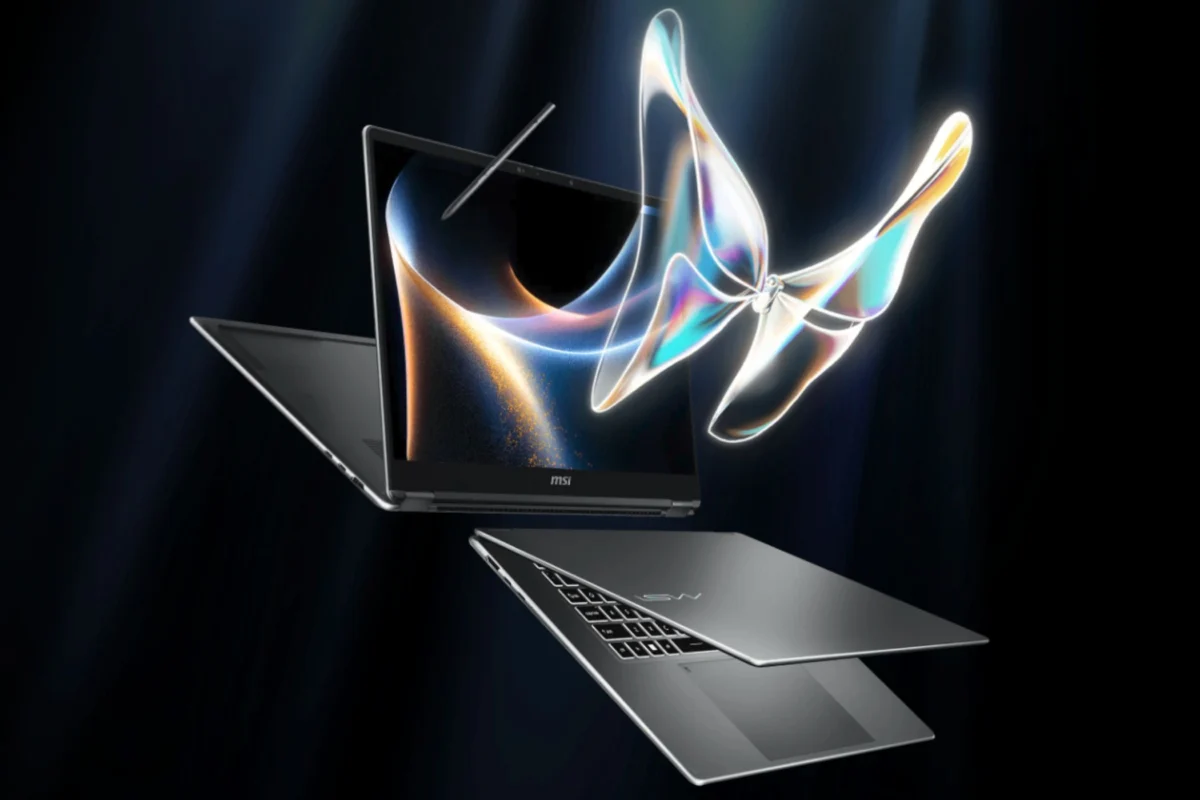
The landscape of personal computing is currently undergoing its most significant transformation in a decade. While the industry has spent the last year grappling with the integration of generative AI into consumer workflows, a persistent hurdle remained: the gap between hardware capabilities and the energy demands of local AI agents. At COMPUTEX 2026, MSI finally bridged that divide, unveiling the Prestige N16 Flip AI+, a device that promises to blur the lines between professional productivity, creative versatility, and high-performance gaming.
Powered by the newly announced NVIDIA RTX Spark architecture, the Prestige N16 Flip AI+ is not merely another iterative update to MSI’s existing line of thin-and-light workstations. It represents a fundamental shift in how portable hardware is engineered, suggesting that the era of sacrificing graphical prowess for form-factor convenience is coming to a close.
The Core Innovation: What is the Prestige N16 Flip AI+?
At its core, the Prestige N16 Flip AI+ is a 16-inch convertible laptop designed to cater to the "hybrid user"—the individual who requires a device capable of compiling code or rendering 3D assets in a corporate boardroom by day, and tackling AAA gaming titles in a lounge by night.
A Convertible Design with Professional Ambitions
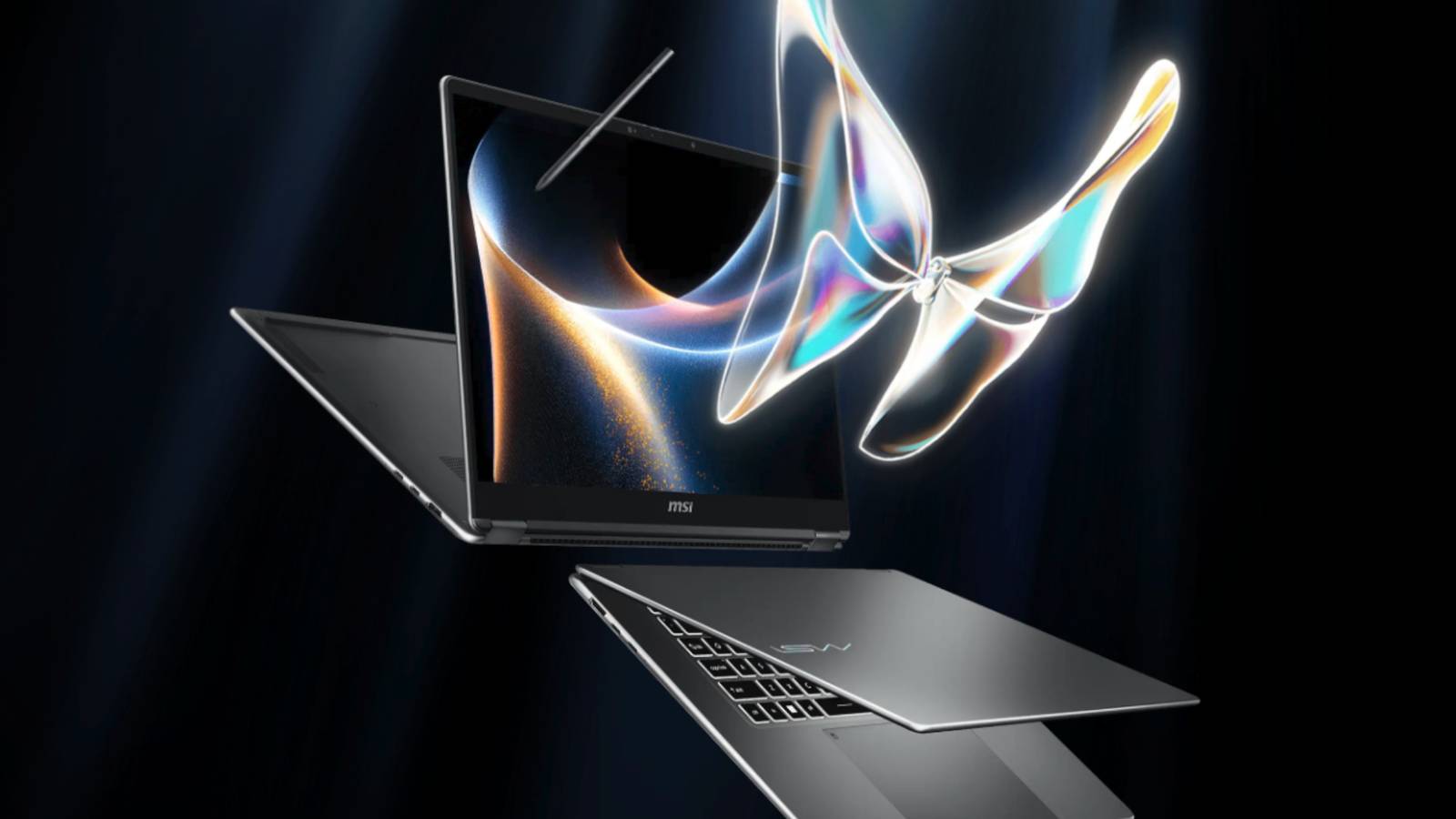
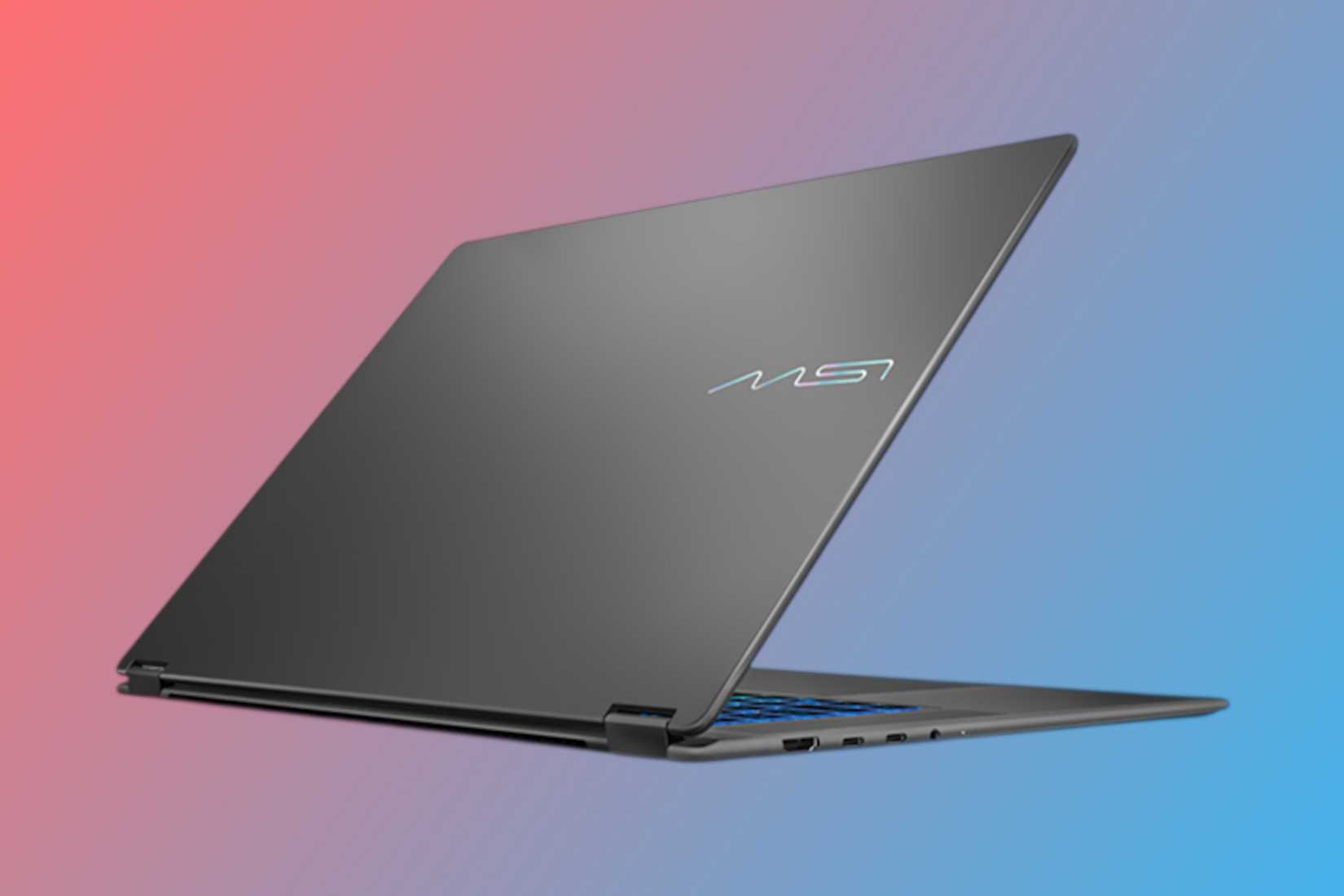
The "Flip" moniker in the product name refers to its 360-degree hinge mechanism. Unlike many convertible devices that lean toward the "tablet-first" market—often sacrificing cooling and internal components to maintain a slim profile—MSI has prioritized thermal efficiency. The chassis is crafted from a magnesium-aluminum alloy, providing a lightweight structure that does not compromise on structural integrity.
The Heart of the Beast: NVIDIA RTX Spark
The primary catalyst for this device’s performance is the integration of the NVIDIA RTX Spark. MSI confirmed that this laptop is among the first to feature this architecture, which is specifically optimized for local AI agent deployment. By offloading heavy AI tasks—such as real-time language model processing, predictive workflows, and local image generation—to dedicated silicon, the CPU is left free to handle primary system tasks, resulting in a noticeably smoother user experience.
A Chronology of the RTX Spark Rollout
The road to the Prestige N16 Flip AI+ was paved with months of industry anticipation regarding NVIDIA’s next move in the mobile sector.
- Q1 2026: The Rumor Mill: Reports began circulating in January 2026 regarding a "Project Spark" chip, with leakers suggesting it would focus on power-efficient AI acceleration.
- April 2026: The Tease: NVIDIA officially confirmed the development of the RTX Spark architecture, noting it would feature a modular design that could be scaled for both ultra-portables and high-end workstations.
- June 2, 2026: The COMPUTEX Unveiling: MSI took to the stage in Taipei to formally introduce the Prestige N16 Flip AI+. The announcement served as the first real-world demonstration of the RTX Spark in a consumer chassis.
- The Immediate Future: MSI has indicated that the device will move into mass production by late Q3 2026, with global retail availability expected to hit markets in time for the Q4 holiday season.
Technical Specifications and Performance Data
While full independent benchmarks are forthcoming, the internal data provided by MSI during the launch event paints a compelling picture. The Prestige N16 Flip AI+ is designed to handle tasks that were previously reserved for bulky desktop replacements.
Graphical Prowess
Perhaps the most startling claim made by MSI is the raw power of the RTX Spark. Industry analysts suggest the performance parity between the Spark and the desktop-class RTX 5070 is not hyperbole, but a result of new architectural efficiencies in data-path routing.
Preliminary Performance Profile:
- Gaming: The device is rated for high-fidelity gaming, capable of sustaining 60+ FPS in Cyberpunk 2077 at 1440p resolution, a feat previously impossible in a 16-inch flip form factor.
- AI Acceleration: The Spark architecture features a dedicated Tensor core cluster designed specifically for "Agentic AI." In local testing, the laptop successfully ran a quantized 70B parameter LLM at 15 tokens per second, significantly faster than existing mobile processors.
- Thermal Management: MSI has utilized a new "Vapor Chamber Bridge" cooling solution, which moves heat away from the RTX Spark and the CPU simultaneously, ensuring that the device remains cool to the touch even under heavy sustained loads.
Official Responses and Industry Reception
The response from the tech community has been one of cautious optimism, tempered by the "show me, don’t tell me" attitude common in the hardware enthusiast space.

"MSI has a history of pushing the envelope, but the Prestige N16 Flip AI+ is a different beast," noted an industry analyst present at the COMPUTEX demonstration. "Usually, a ‘flip’ design means you’re getting a compromised GPU. If they have truly managed to pack RTX 5070-level performance into this chassis, the market for traditional thick-and-heavy gaming laptops is in immediate danger."
MSI’s official statement on the matter was clear:
"The Prestige N16 Flip AI+ is not designed to replace the gaming-specific Titan series, but it is designed to erase the excuse that a professional user cannot have access to enthusiast-grade graphical power. We are providing a tool for the creator who is also a gamer."
Implications for the Future of Computing
The launch of this device signifies a pivot in how we define a "workstation." As we look toward the next three years, the implications of the Prestige N16 Flip AI+ are profound.
The Death of the "Gaming Laptop" Silhouette
For years, gaming laptops were easily identifiable by their aggressive aesthetic, heavy cooling bricks, and bulky frames. The Prestige N16 Flip AI+ suggests that high-performance hardware is moving toward a more subtle, professional design language. If this trend holds, consumers may soon stop looking for a "gaming laptop" and instead look for "high-performance mobile computing," regardless of whether they are rendering a film or playing the latest open-world RPG.
The Rise of Local AI Agents
By making the RTX Spark accessible, MSI is betting that the future of productivity lies in local AI agents. Instead of relying on cloud-based subscriptions—which introduce latency and privacy concerns—users will be able to run complex, private agents directly on their local machines. This will likely spark a new wave of software development, where developers prioritize apps that take advantage of the local NPU and GPU resources provided by chips like the Spark.
Market Competition
The Prestige N16 Flip AI+ forces competitors to react. We expect to see Dell, Lenovo, and ASUS scrambling to announce their own RTX Spark-powered machines before the year is out. This competition will drive down prices and force rapid innovation in battery technology, as the demand for high-performance mobile power grows.
Conclusion: A New Standard
The MSI Prestige N16 Flip AI+ is an ambitious statement piece. By combining the versatile 360-degree form factor with the raw power of the NVIDIA RTX Spark, MSI has created a device that is, on paper, the most capable hybrid machine on the market.
While the true test will come when the first units reach the hands of consumers and independent reviewers later this year, the initial data is promising. If the performance claims hold true, we are witnessing the start of a new generation of laptops—machines that no longer force the user to choose between being a professional, a creator, or a gamer. The future, it seems, is foldable, powerful, and driven by the intelligence of the local agent.
As we approach the launch date, the industry will be watching closely. If MSI succeeds, the Prestige N16 Flip AI+ will be remembered not just as a laptop, but as the moment the "thin-and-light" compromise officially ended.












No comments yet. Be the first to join the conversation!