


The modern kitchen is a marvel of domestic engineering, and at the heart of its efficiency sits the dishwasher. Since Josephine Cochrane patented the first commercially viable mechanical dishwasher in 1886—originally designed to protect her fine china from the chips and cracks caused by clumsy kitchen staff—the appliance has evolved from a luxury curiosity to a fundamental staple of household sanitation. However, even the most robust machines eventually succumb to the wear and tear of daily use. When a dishwasher begins to leak, fail to drain, or produce uncharacteristic grinding noises, homeowners are faced with a classic economic quandary: is it time for a repair, or should the unit be relegated to the scrap heap?
The 50% Rule: A Framework for Decision Making
Navigating the transition from functional to faulty is often stressful, but experts suggest applying a straightforward mathematical framework known as the "50% Rule." The logic is elegantly simple: if the estimated cost of a repair exceeds 50% of the price of a brand-new, comparable unit, it is generally more prudent to invest in a replacement.
While this rule provides a solid foundation, the decision-making process requires a deeper dive into the age of the machine, the specific nature of the failure, and the long-term implications of keeping an aging appliance in service.
Understanding the Economics of Repair
The cost to repair a dishwasher typically ranges from $75 to $600, according to industry data from Angi. This wide spectrum is dictated by several variables: the specific brand, the availability of parts, the age of the unit, and the complexity of the labor involved.

Factors Influencing Repair Costs
- The Component in Question: Minor issues, such as a worn door gasket ($75–$150) or a faulty door latch, are often manageable. Conversely, significant failures—such as a broken drain pump or a compromised heating element—can push costs toward the $300 threshold.
- The "Big Ticket" Repairs: If the issue lies within the motor or the main electronic control panel, repair costs can soar toward $600. Because these components are often located in the heart of the machine, the labor intensity required to disassemble the unit significantly inflates the professional service bill.
- The Professional Service Call: Hiring a technician generally involves an upfront service call fee, typically ranging between $65 and $125. While many companies credit this fee toward the total cost of the repair, it remains a sunk cost if you decide the repair is ultimately not worth the price.
DIY vs. Professional Intervention
For the handy homeowner, early-stage problems—such as replacing a seal or clearing a clogged filter—are often approachable as DIY projects. The availability of online parts diagrams and instructional videos has democratized appliance repair. However, caution is advised. If a machine is out of warranty and the failure involves complex electrical systems or potential water damage risks, the cost of a botched DIY attempt often exceeds the price of a professional service call.
The Cost of Replacement: More Than Just the Sticker Price
When repair costs begin to climb, the allure of a brand-new, shiny dishwasher becomes undeniable. However, the price tag on the showroom floor is rarely the final cost.
The Financial Breakdown of Replacement
- Unit Cost: A budget-friendly standard dishwasher may cost as little as $500, while premium, high-reliability models can command prices upwards of $2,000.
- Installation Labor: Swapping a dishwasher is rarely a "plug and play" endeavor. Professional installation typically adds $150 to $300 to the total. This assumes the existing plumbing and electrical configurations are compatible with the new unit.
- Hidden Infrastructure Costs: If the new dishwasher requires an upgrade to the existing water supply line, a new drainage configuration, or updated electrical grounding to meet current building codes, the budget can quickly escalate by several hundred dollars.
Chronology of Appliance Degradation
Understanding the typical lifespan of a dishwasher helps owners plan for the inevitable. Most manufacturers design these machines for a lifespan of approximately 8 to 12 years.
- Years 0–3 (Warranty Period): Most major manufacturers offer a limited warranty covering parts and labor. During this time, any significant failure should be addressed through official service channels to preserve your coverage.
- Years 4–7 (Early Maintenance): This is the "hiccup" phase. Expect minor issues such as clogged sensors, worn gaskets, or minor drainage obstructions. These are often the "sweet spot" for repairs, as the machine still has significant useful life remaining.
- Years 8–10 (The Critical Juncture): As the unit enters the latter half of its expected lifespan, repair costs should be weighed carefully. If a major component (like the pump or control board) fails, the 50% rule is your best guide.
- Year 10+ (The Replacement Horizon): Once an appliance passes the decade mark, it is often wise to begin allocating funds for a replacement. Even if the unit is functioning, parts may become discontinued, making future repairs increasingly difficult and expensive.
Supporting Data: Efficiency as a Hidden Benefit
One of the strongest arguments for replacement, beyond the immediate repair cost, is the evolution of technology. Modern, ENERGY STAR-certified dishwashers are exponentially more efficient than their counterparts from even a decade ago.

According to the Environmental Protection Agency (EPA), current ENERGY STAR-certified models use significantly less water and electricity per cycle. Over the lifetime of a new unit, the cumulative savings on utility bills can offset a portion of the initial purchase price. When you combine the energy efficiency gains with the peace of mind provided by a fresh warranty, the "replacement" option often provides better long-term value than a repair on a machine that is already halfway to the landfill.
Official Perspectives on Sustainability
Appliance manufacturers and consumer advocacy groups have increasingly focused on the "Right to Repair" movement. However, they also acknowledge that there is a sustainability cost to both sides of the argument. While repairing a machine keeps it out of a landfill, an older machine that leaks water or draws excessive electricity creates a different kind of environmental impact.
"Consumers should look at the holistic lifecycle of the appliance," says one industry analyst. "A repair is environmentally friendly if the machine has many years of life left. But if you are constantly chasing ‘band-aid’ fixes on a machine that is at the end of its cycle, you are essentially pouring money into a bottomless pit while ignoring the efficiency benefits of modern manufacturing."
Implications: Making the Final Decision
When you find yourself staring at a broken dishwasher, follow this logical progression to arrive at the best decision:
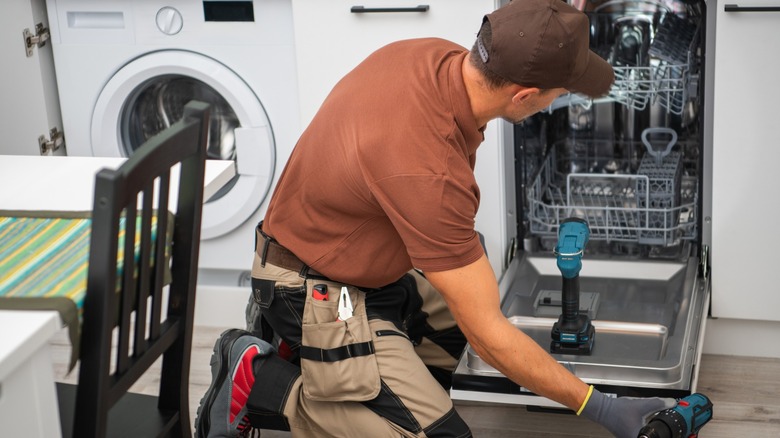
- Assess the Age: Is the machine under 5 years old? If yes, prioritize repair. Is it over 10 years old? If yes, prioritize replacement.
- Get a Quote: Contact a certified technician for an estimate. Do not guess the cost of the repair.
- Calculate the 50% Threshold: Take the repair quote and compare it to the price of a new unit (including installation). If the repair is >50%, lean toward replacement.
- Evaluate Frequency: If this is the third repair in two years, the machine is likely "nearing its end of life." Even if the repair is cheap, the cumulative cost and the inconvenience of downtime suggest that replacement is the smarter financial move.
- Factor in Features: Does your current dishwasher lack features that would improve your quality of life, such as quieter operation or advanced steam-cleaning cycles? If so, the "cost" of replacement is mitigated by the added utility you gain.
Ultimately, the decision to repair or replace is a balancing act between immediate capital outlay and long-term utility. By applying the 50% rule and considering the hidden costs of installation and energy efficiency, homeowners can navigate this kitchen dilemma with confidence, ensuring that their household remains both functional and financially sound.











