
 Pevita Pearce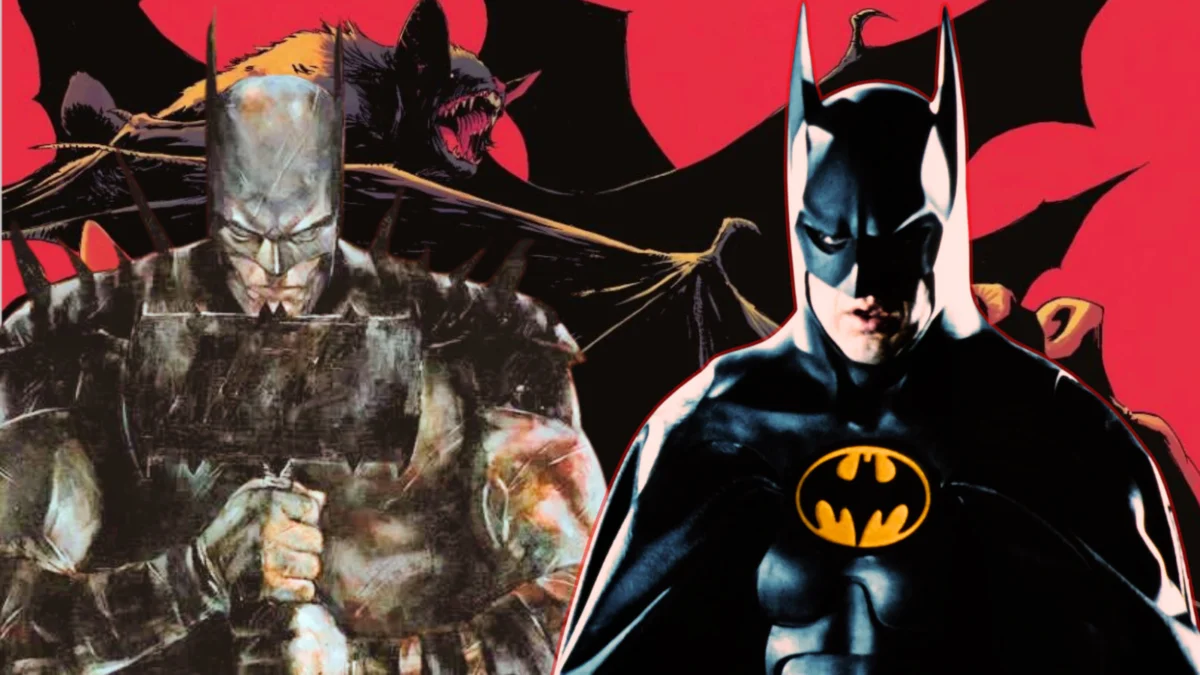
In the sprawling, often recursive history of Gotham City, few tropes are as sacred—or as frequently challenged—as the origin of the Batman. For decades, the death of Thomas and Martha Wayne at the hands of a nameless, faceless mugger named Joe Chill served as the definitive "random act of violence" that birthed the Dark Knight. However, Scott Snyder and Nick Dragotta’s Absolute Batman is currently dismantling these foundational pillars, replacing accidental tragedy with a calculated, conspiratorial design.
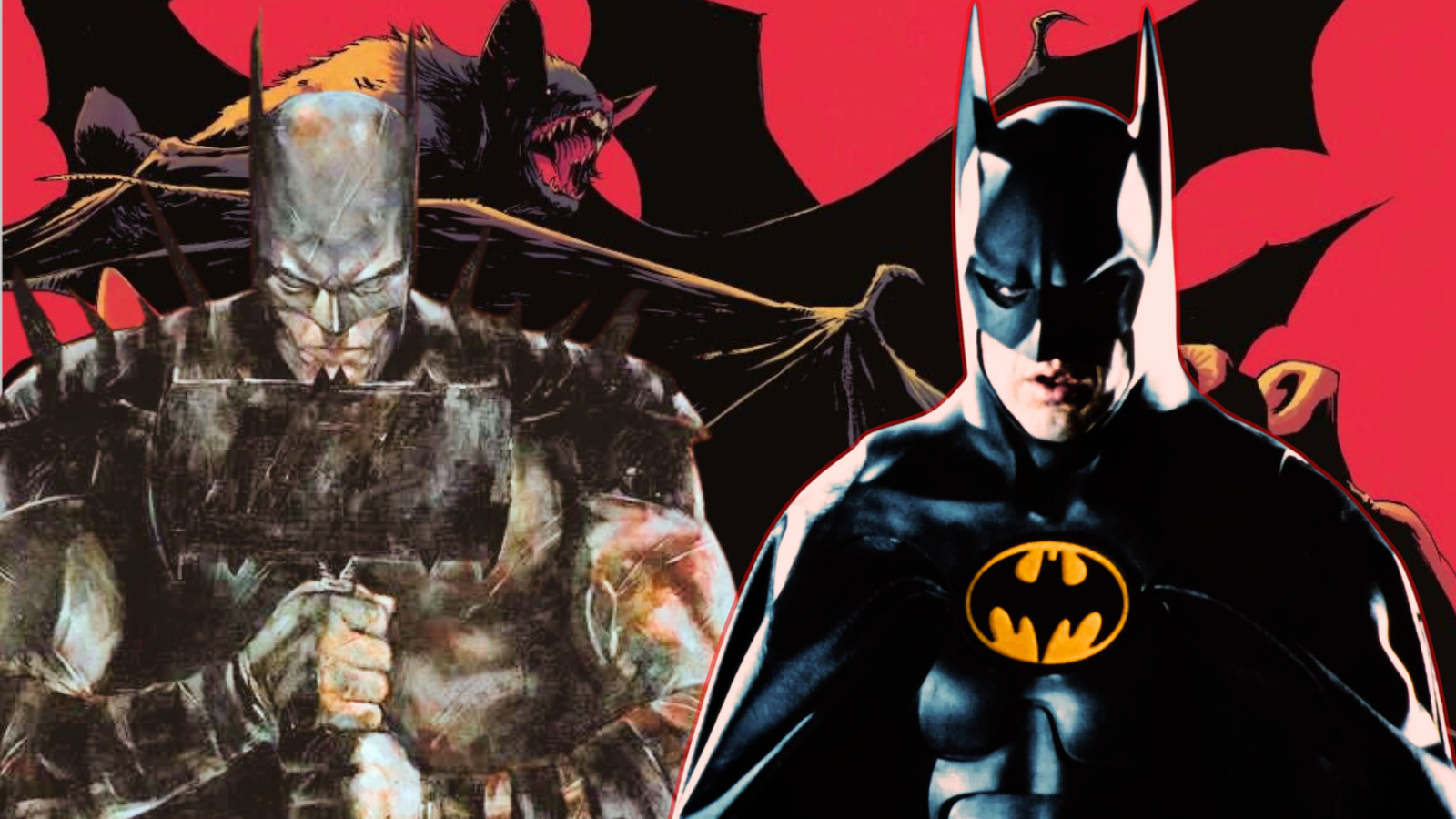
With the release of Absolute Batman #20, the series has introduced a narrative shift that echoes the 1989 Tim Burton film—where a young Jack Napier gunned down the Waynes—but elevates it into a sophisticated, psychological chess match. By revealing that the murder of Thomas Wayne may have been a puppet-mastered maneuver by the Joker (Jack Grimm) and the Scarecrow (Jonathan Crane), the creative team is not merely retelling a story; they are reframing the very nature of Batman’s crusade.
The Foundation: A New Origin for a New Era
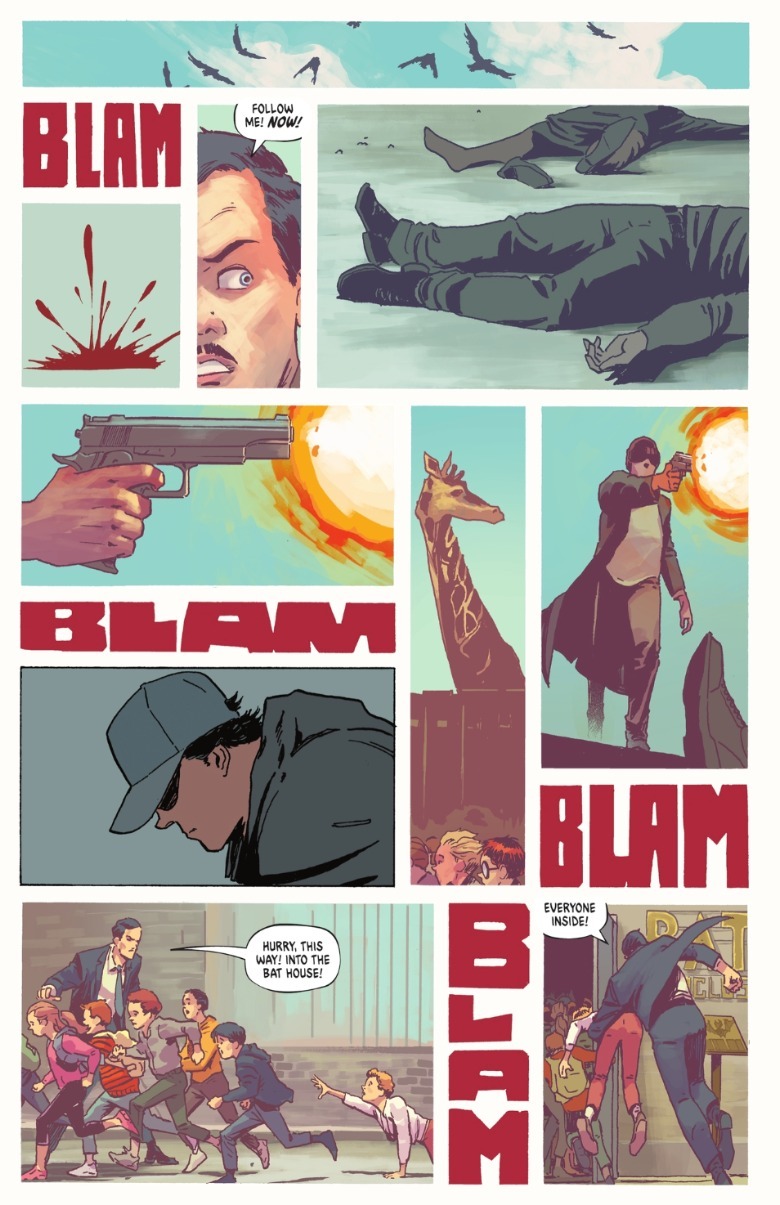
The Absolute imprint was designed to strip the DC Universe of its historical baggage, offering a fresh, visceral take on its iconic heroes. Absolute Batman #20, the latest installment in the "Straw Man" arc, confirms the darkest suspicions of long-time readers: the tragedy at the Gotham City Zoo, which served as the genesis for this version of Bruce Wayne, was not the chaotic happenstance it appeared to be.
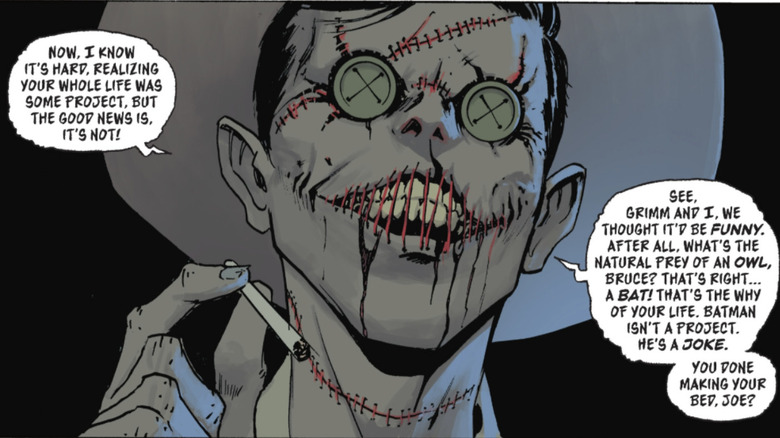
The issue follows Bruce Wayne as he infiltrates Blackgate Prison to confront Joe Chill, the man who murdered his father. Expecting a simple criminal, Bruce instead finds the Scarecrow waiting in the shadows. The confrontation reveals that Chill was not acting of his own volition; he had been subjected to the Scarecrow’s potent fear toxins, effectively turning him into an instrument of the Joker’s grand design. The ultimate target was not Thomas Wayne, but Martha Wayne—a former operative of the shadowy, influential Court of Owls. The implication is chilling: the Joker orchestrated the death of the father and the psychological scarring of the son specifically to forge an adversary worthy of his own brand of "chaos."
Chronology of a Conspiracy
To understand the weight of this revelation, one must look back at the subtle breadcrumbs scattered throughout the series’ inception:
- The Zoo Incident (Issue #1): The initial trauma, framed as a mass shooting, appeared to be a random terrorist act. However, re-examination of the paneling reveals the presence of crows—a signature motif of this universe’s Scarecrow—hovering over the carnage.
- The Hidden Signifiers (Issue #4): Sharp-eyed readers identified a poster at the Gotham Zoo featuring a character with unmistakable Joker-like features. At the time, it seemed like a clever background detail; now, it appears to be a deliberate "calling card" left by the architect of the tragedy.
- The Death of Jim Gordon (Issue #19): Former Mayor Jim Gordon, a man who possessed deep, classified knowledge of the city’s corruption, was murdered by the Scarecrow. Before his demise, he handed off a series of files labeled "Project: Batman" to Bruce. These files served as the catalyst for Bruce’s investigation into the truth behind his father’s killer.
- The Confrontation (Issue #20): The truth is laid bare within the confines of Blackgate. The Joker is revealed not just as a criminal, but as an omnipotent-seeming orchestrator who views Bruce Wayne’s entire existence as a curated, artistic performance.
Supporting Data: The ‘Endgame’ Echo
Skeptics of this twist point to Scott Snyder’s 2016 Batman arc, "Endgame," as a cautionary tale. In that story, the Joker attempted to manipulate Batman into believing he was an immortal, ancient entity through the use of doctored documents and psychological gaslighting. Could "Project: Batman" be a similar ruse?
The evidence for the conspiracy is compelling but remains theoretically reversible. The Joker is, by nature, a liar. If the goal is to break Bruce Wayne’s spirit, convincing him that his life is a scripted tragedy is arguably more effective than physical violence. However, the internal consistency of the Absolute universe suggests a darker reality. The Joker’s own lair, shown in issue #20, displays a trophy case containing a Court of Owls mask—suggesting that the Joker has already toppled the very organization that Martha Wayne belonged to, further validating his claims of total control.
Official Perspectives and Creative Intent
In interviews surrounding the Absolute launch, Scott Snyder has been vocal about the necessity of this radical departure. He noted that the modern generation faces a unique brand of existential dread—a feeling that their futures are being decided by unseen billionaires and systemic failures beyond their control.
By making the Joker the architect of Batman’s origin, the creative team has transformed the character from a vigilante fighting random crime into a revolutionary fighting a rigged system. "Absolute Batman" isn’t just fighting muggers; he is fighting the systemic order of a city that has decided his fate before he even donned the cowl. This version of Batman, depicted as an angry, raw, and physically imposing young man in his 20s, resonates with a contemporary zeitgeist where the "villain" is not a lone gunman, but the infrastructure of power itself.
The Implications: Why This Version Works
For years, the "randomness" of Joe Chill’s act was considered essential to Batman’s character. It taught the reader that life is fragile and that justice is a choice made in the face of senseless, uncaring cruelty. However, Absolute Batman challenges the idea that "random" is inherently more compelling than "designed."
1. Reframing the Rivalry
In the standard DC continuity, the Batman-Joker relationship is a dialectic between Order and Chaos. In the Absolute universe, the dynamic is flipped. The Joker represents a corrupt, established "Order" that has calculated and quantified everything, including the hero himself. Batman becomes the ultimate form of "Chaos"—the unforeseen variable that disrupts the Joker’s perfect, scripted society.
2. The Weight of Agency
If Batman’s origin is a conspiracy, his path to heroism becomes an act of defiance rather than a reaction to trauma. By fighting against the life the Joker planned for him, Bruce Wayne reclaims his agency. This is a much more active, modern, and arguably more heroic stance for a protagonist in a world that feels increasingly deterministic.
3. A Harder Path for the Dark Knight
Snyder has teased that "The Straw Man" arc will be the most brutal challenge Bruce has faced to date. If Batman’s origin is a lie fed to him by his greatest enemy, then his entire moral framework is under siege. This narrative choice forces the character to grow, not just in strength, but in self-awareness. He must reconcile his identity as "The Bat" with the knowledge that he may have been created to serve a purpose for the very monster he seeks to destroy.
Conclusion: A New Mythos
The decision to lean into the conspiracy behind the Wayne murders is a bold, controversial, and ultimately successful gamble for the Absolute line. By weaving together the elements of a classic noir mystery with the grandiosity of a superhero epic, Snyder and Dragotta have created a story that feels both familiar and dangerously new.
Whether the Joker’s claims are entirely factual or a sophisticated psychological weapon remains to be seen. Regardless, the impact on the character is permanent. Absolute Batman is no longer just a man in a costume; he is a man fighting to prove that he is more than the sum of his trauma, more than a pawn in a game, and more than the "Straw Man" the Joker believes him to be. As the series progresses, the question is no longer who killed Thomas Wayne, but whether Bruce Wayne can shatter the cage built for him before the Joker decides the story is over.


 Asep Darmawan




