Evan Lee Salim
Generative AI has evolved from a novel parlor trick into the bedrock of modern digital workflows. Whether it is powering the backend of enterprise software, serving as the creative engine for mobile applications, or acting as a silent partner in data analysis, AI is no longer optional—it is ubiquitous. However, the sheer volume of new products hitting the market creates a paradox of choice. How do we distinguish between transformative innovation and ephemeral hype?
Welcome to our recurring series dedicated to cutting through the noise. We are committed to highlighting the most impactful, reliable, and intriguing AI-powered tools that deserve a place in your digital toolkit. In this edition, we explore platforms that prioritize evidence-based research, digital sovereignty, and high-stakes logistical planning.
The Search for Truth: Why Consensus is a Game-Changer
The Achilles’ heel of mainstream generative AI is the "hallucination." LLMs trained on the broad, messy expanse of the internet often struggle to distinguish between fact, fiction, and the wildly bizarre. From AI agents recommending non-existent legal precedents to the infamous (and dangerous) suggestion that glue should be added to pizza, users have learned to approach chatbot responses with a healthy dose of skepticism.
Bridging the Gap Between AI and Academia
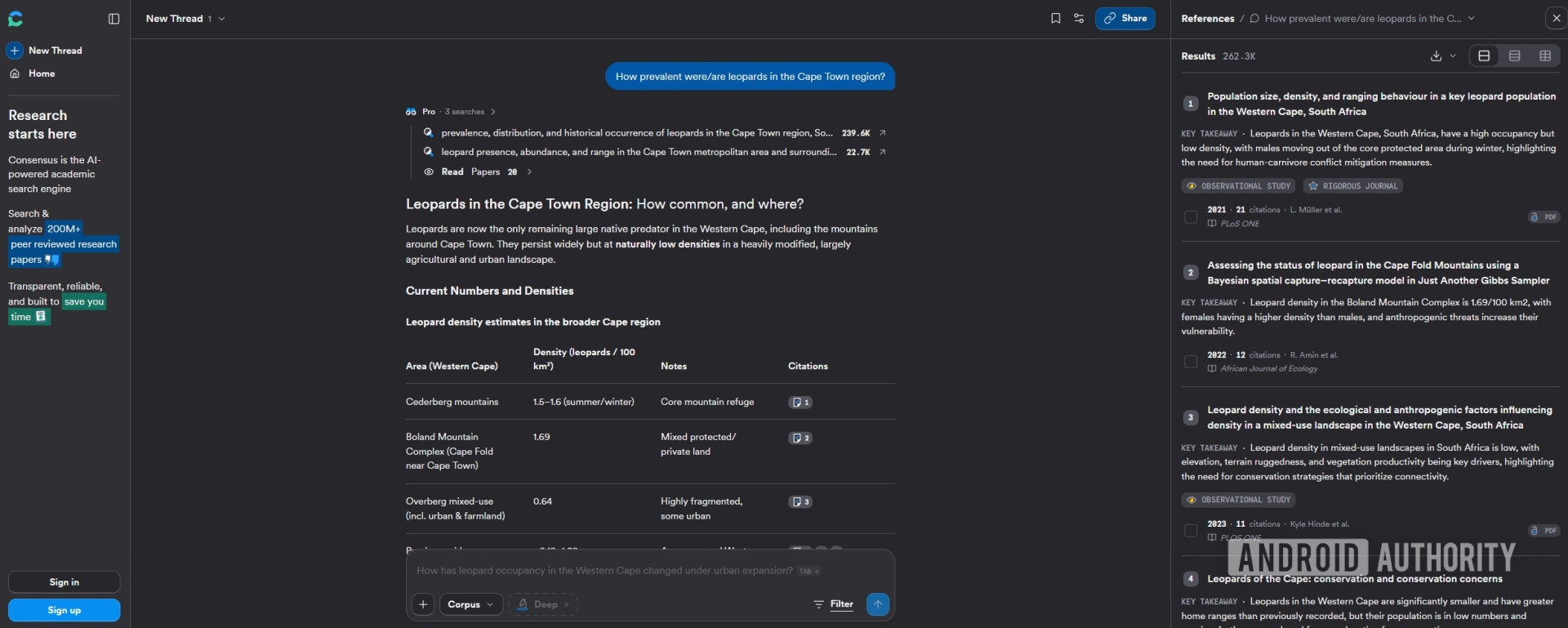
Enter Consensus, a platform that fundamentally shifts the paradigm of AI search. If you imagine Google Scholar transformed into an intuitive, conversational AI assistant, you have the essence of Consensus.
Rather than scraping unverified web forums or social media threads, Consensus combs through millions of peer-reviewed research papers. It provides a synthesized overview of complex topics, making dense, scholarly content accessible to non-experts.

How it functions in your workflow:
- Evidence-Based Responses: Unlike traditional chatbots that generate prose based on pattern matching, Consensus anchors every claim in its output to specific, numbered references found in its database.
- Integrated Verification: Users can hover over these citations to view paper metadata, summaries, or access full-text documents when available.
- The Consensus Meter: For members, the platform offers a "Consensus Meter," which aggregates findings across multiple studies to indicate the current scientific weight of evidence on a specific topic.
While it is not a direct competitor to general-purpose models like Claude or ChatGPT, its niche is vital. It is the tool I wish I had during my university years, replacing the clunky, manual bibliography management of the early 2010s with an intelligent, investigative partner.
KitLegit: Navigating the High-Stakes World of Collectibles
The intersection of AI and consumer protection is perhaps best illustrated by KitLegit. With global sporting events like the FIFA World Cup drawing massive crowds, the demand for authentic team jerseys has skyrocketed. Unfortunately, so has the prevalence of sophisticated counterfeit goods.
The Mechanism of Authenticity
KitLegit utilizes computer vision and pattern recognition to help fans verify the legitimacy of their purchases. The process is streamlined:
- Image Capture: The user snaps high-resolution photos of the jersey, focusing on tags, stitching, and logos.
- Analysis: The AI compares the provided images against a massive dataset of confirmed authentic merchandise.
- Certification: If the model identifies the item as genuine, it issues a digital certificate of authenticity.
The Reality Check:
It is critical to note that while KitLegit is a significant step forward, it is not a 100% foolproof solution. The secondary market for sports apparel is rife with high-quality replicas that can deceive even experienced collectors. We advise users to view the app as a helpful guide rather than an absolute arbiter of truth. Always exercise skepticism when purchasing high-value items online, regardless of what an AI scan indicates.
Open Notebook: Reclaiming Sovereignty in the Age of Big Tech
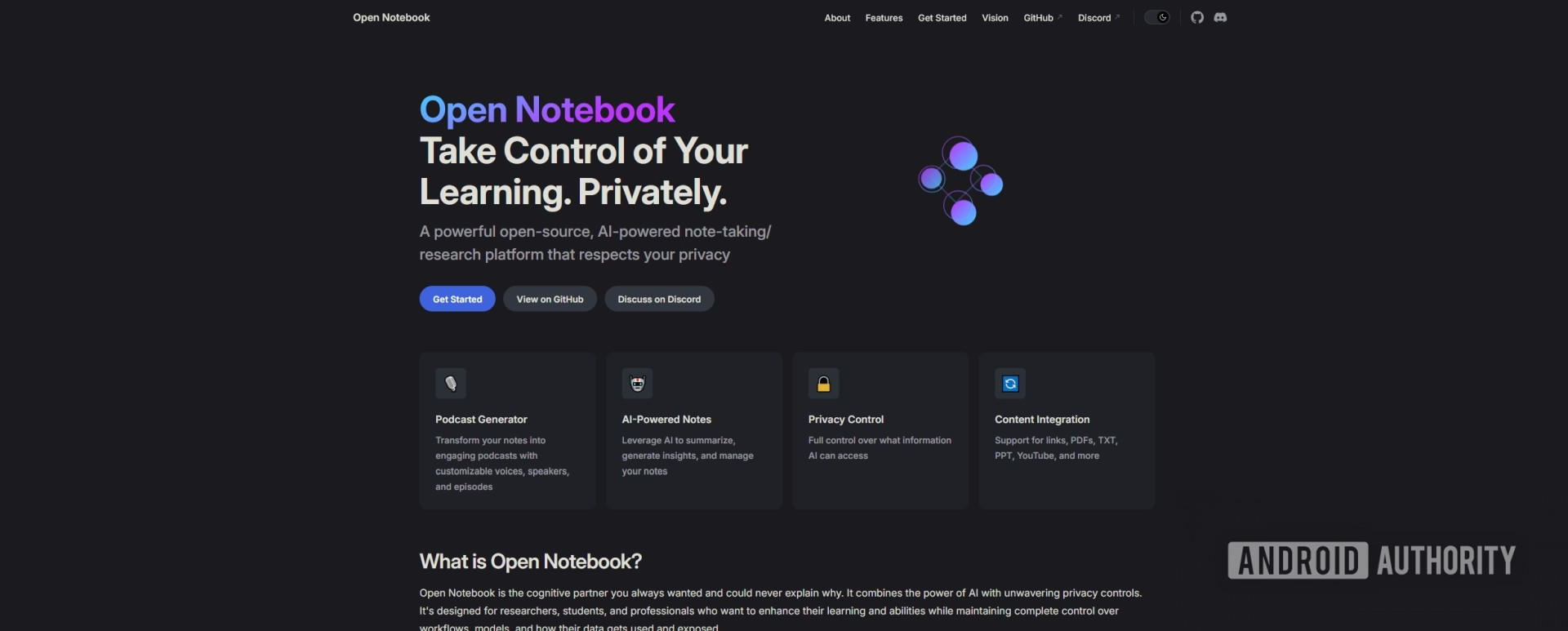
For privacy-conscious users, the convenience of services like Google’s NotebookLM often comes at the cost of data autonomy. If you are wary of having your personal documents or proprietary data processed on centralized cloud servers, the emergence of Open Notebook is a welcome development.
The Self-Hosted Revolution
Open Notebook provides a self-deployable, open-source alternative to proprietary AI note-taking tools. By moving the stack to your own infrastructure, you gain total control over:
- Data Residency: Your files never leave your local or private environment.
- Model Flexibility: Users can choose from over 18 different AI models to power their analysis, allowing for custom fine-tuning based on the specific nature of the data.
- Security: By removing the "Big G" from the equation, users significantly reduce their attack surface and exposure to data-harvesting practices.
The Barrier to Entry:
It is important to note that Open Notebook is not a "plug-and-play" consumer app. It requires a degree of technical proficiency to host and maintain. For those with the technical acumen, however, it represents the gold standard for secure, transparent AI integration.
Mindtrip: Reimagining the Modern Travel Itinerary
Planning a trip—whether a weekend getaway or a cross-country odyssey—is often an exercise in information overload. We typically juggle guidebooks, mapping software, hotel booking sites, and review platforms. Mindtrip seeks to unify this fragmented process.
Beyond the Chatbot
Mindtrip differentiates itself from general-purpose AI by acting as a specialized "trip engine." Unlike a standard ChatGPT prompt that might offer a generic itinerary, Mindtrip allows for granular customization:
- Route Skeletonization: It provides sensible overnight stops and suggests attractions along specific geographic paths.
- Context-Aware Exploration: Users can engage in a dialogue with the platform. If you are planning a trip to a national park, you can specify preferences like "luxury lodge" versus "park camping," and the AI adjusts the itinerary in real-time.
- Interactive Mapping: The platform encourages deeper discovery of landmarks and routes through a user-friendly interface.
Current Limitations and Future Outlook:
Despite its brilliance, Mindtrip is still maturing. The UI can occasionally feel clunky compared to established travel giants, and the inability to manually drag-and-drop map routes remains a significant user experience hurdle. However, the value provided in the free tier makes it an indispensable tool for anyone currently in the "dreaming and planning" phase of their next adventure.
Implications for the AI Ecosystem
The proliferation of these tools signals a transition from "AI for Everything" to "AI for Something." We are moving away from the era of generalist chatbots and toward a more specialized, vertical-specific landscape.
Chronology of Adoption
- 2023: The rise of general-purpose LLMs (ChatGPT, Claude) sets the stage.
- 2024: Industry focus shifts toward "RAG" (Retrieval-Augmented Generation), enabling tools like Consensus to verify claims against external databases.
- 2025-2026: A growing trend toward local, open-source alternatives (Open Notebook) and niche, consumer-facing applications (KitLegit, Mindtrip) takes hold.
The Path Forward
As these tools continue to integrate into our daily lives, the burden of responsibility shifts to the user. We must become curators of our own AI ecosystems. Whether you are using Consensus to verify scientific claims, securing your personal data with Open Notebook, or planning your next vacation with Mindtrip, the key is to understand the limitations of the technology you employ.
We invite our readers to join the conversation. Are you using an AI tool that has fundamentally changed the way you work or play? Do you have questions about the security of these platforms? Reach out to us via email or join the discussion in the comments section below. For developers and companies looking to showcase their own innovations, our partnerships team is always open to hearing about the next big thing in the AI space.
Disclaimer: As with all AI-driven platforms, users should exercise due diligence and independent verification when utilizing these services for professional or critical decision-making.


 Asro
Asro