Nana Wu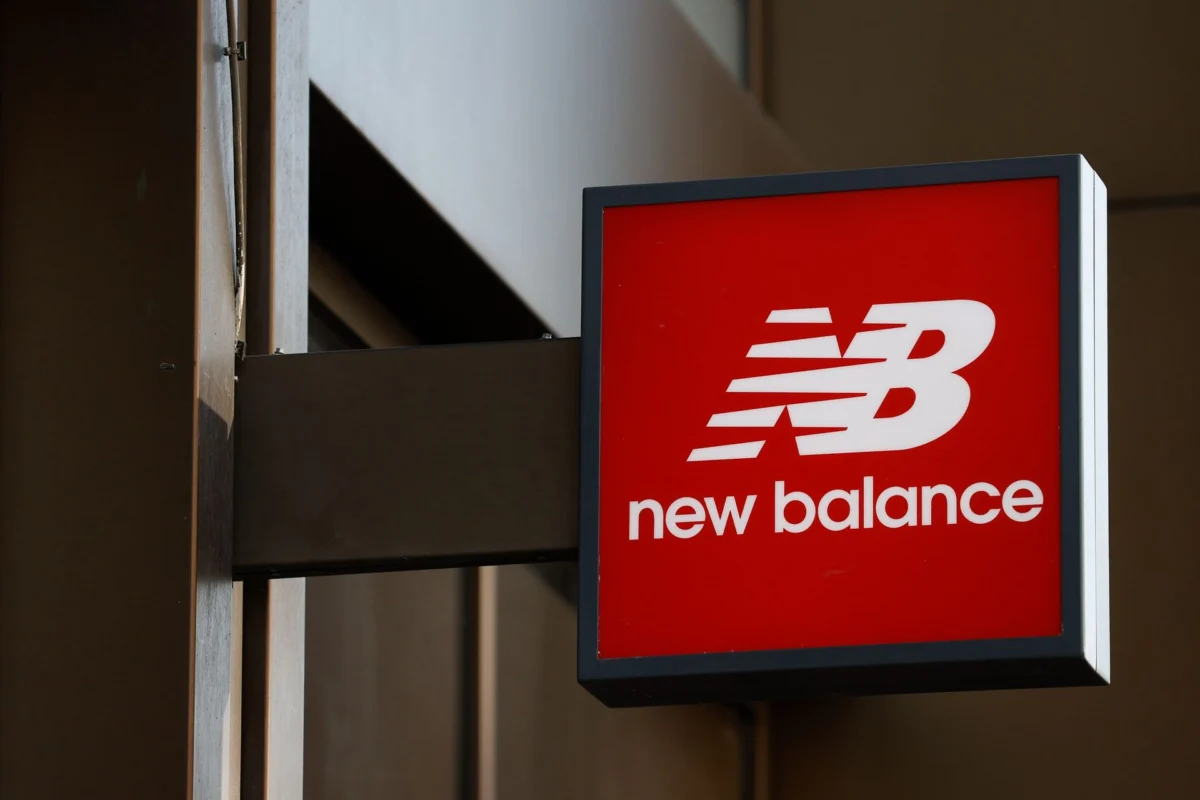
In the cutthroat world of global athletic apparel, a brand’s logo is its most valuable currency. It serves as a shorthand for quality, innovation, and, perhaps most importantly, consumer trust. Now, the industry is watching as athletic giant New Balance has taken legal action against French retail powerhouse Decathlon, alleging that the latter’s "Kiprun" line of running shoes infringes upon its iconic, long-standing trademark.
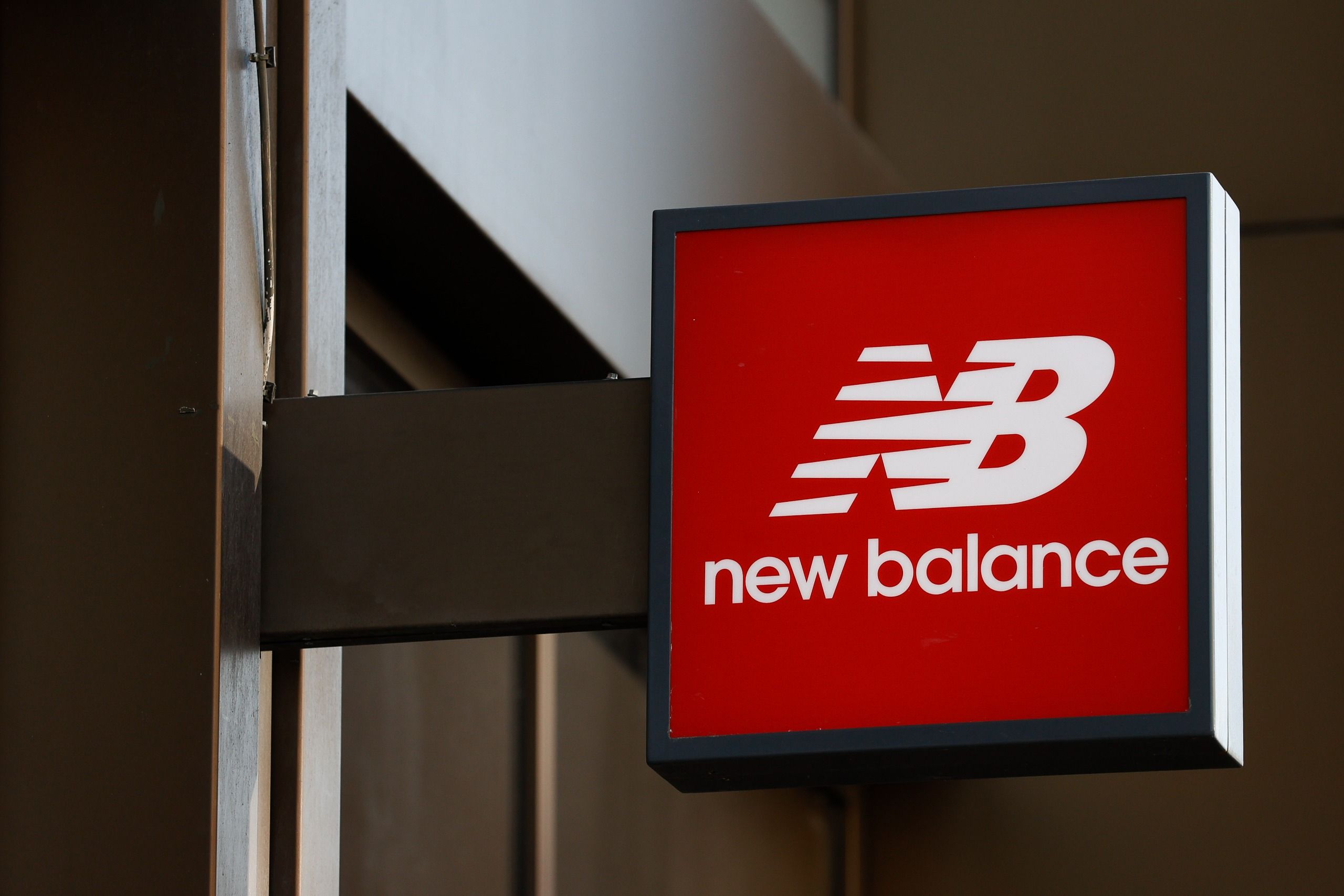
The lawsuit, filed in the Massachusetts federal court, marks a significant escalation in what began as a private attempt at resolution. At the heart of the dispute is a design choice that New Balance claims is not merely a coincidence, but a calculated infringement that threatens to dilute the equity of its signature “N” emblem—a symbol that has adorned the brand’s footwear since the 1970s.
The Core of the Conflict: A Case of Mistaken Identity?
The legal friction centers on a specific design element featured on the side of Decathlon’s Kiprun running sneaker. While Decathlon maintains that the graphic is a stylized letter "K," representing the product line, New Balance’s legal team argues that the resemblance to their own trademarked "N" is striking and potentially deceptive.
In its official filing, New Balance posits that the Kiprun logo is "unmistakably an N," alleging that the aesthetic similarities are sufficient to cause "consumer confusion." In a marketplace where brand loyalty is often driven by visual recognition, such confusion can have tangible financial consequences. New Balance asserts that consumers shopping for athletic footwear might mistakenly associate the Decathlon product with the premium quality and legacy associated with the New Balance brand, thereby diverting sales and undermining the distinctiveness of the “N” mark.
A Chronology of the Dispute
The escalation from a design grievance to a federal lawsuit did not happen overnight. The path to the courtroom has been paved with failed negotiations and a hardening of stances.
- 1970s to Present: New Balance establishes and cements the "N" logo as a cornerstone of its brand identity, investing millions into global marketing campaigns and product development to ensure the mark is synonymous with its footwear.
- Early 2024: New Balance identifies the Kiprun line and determines that the branding bears an unacceptable level of similarity to its own. The company initiates contact with Decathlon in a bid to resolve the issue out of court, likely seeking a redesign or a discontinuation of the specific logo iteration.
- Mid-2024: Efforts to reach a private settlement stall. New Balance determines that Decathlon is unwilling to sufficiently address their concerns, leaving the American brand with few options but to seek legal intervention.
- Late 2024: New Balance officially files its complaint in the Massachusetts federal court, moving from private dialogue to public litigation. The brand is now seeking a comprehensive injunction to stop the sale of products featuring the contested logo, alongside the destruction of existing inventory and significant monetary damages.
Trademark Law and the "Likelihood of Confusion"
To understand the weight of this lawsuit, one must look at the legal standards governing trademark infringement. Under the Lanham Act in the United States, the primary test for infringement is the "likelihood of confusion."
Courts typically evaluate this by looking at several factors: the strength of the original mark, the similarity between the two marks, the proximity of the goods, and evidence of actual confusion. In this case, both companies are direct competitors in the athletic footwear space. When two brands sell similar products—performance running shoes—the threshold for what constitutes "confusingly similar" is often lower.
Legal experts suggest that because the "N" is such a central component of New Balance’s identity, any deviation or imitation is viewed as an existential threat. For a brand that has spent decades cultivating a specific visual language, protecting that language is not just a matter of ego; it is a fiduciary duty to shareholders to protect the company’s intellectual property assets.
The Competitive Landscape: Athletic Brands at War
The global athletic shoe market is a saturated, multibillion-dollar industry. With giants like Nike, Adidas, and Under Armour dominating the conversation, mid-to-high-tier players like New Balance and Decathlon rely heavily on brand differentiation to carve out market share.
Decathlon, a massive European retailer known for its "all-under-one-roof" sporting goods model, has been aggressively expanding its private-label offerings. By moving toward specialized high-performance gear like the Kiprun series, they have entered into direct competition with established premium athletic brands.
This lawsuit highlights the growing pains of a market where design trends often converge. Minimalist, bold lettering and sharp geometric logos are currently in vogue, which creates a narrow "design window" for brands. However, New Balance is signaling to the industry that it will not tolerate being crowded out or mimicked, regardless of whether the imitation is intentional or a byproduct of contemporary design trends.
Implications: What is at Stake?
The outcomes of this case could have ripple effects throughout the design and retail sectors.
For New Balance
A victory would reaffirm the strength of their trademark and provide a clear warning to other retailers who might be tempted to "borrow" design elements. It would also solidify the legal protection of their "N" logo against future iterations by other brands. However, a loss could create a dangerous precedent, making it harder for the brand to defend its intellectual property in the future.
For Decathlon
The cost of this litigation extends beyond legal fees. Should the court rule in favor of New Balance, Decathlon could face the total recall and destruction of the Kiprun line. This would result in significant inventory write-offs, a potential blow to their reputation, and the necessity of a costly rebrand for one of their key performance products.
For the Design Industry
This case serves as a masterclass in the risks of "homage" and "inspiration" in commercial design. In an era of fast fashion and rapid product cycles, companies often lean into current aesthetic trends. This lawsuit acts as a reminder that intellectual property law does not always account for the nuances of "design inspiration" and that the risk of a trademark infringement claim is a constant shadow hanging over product development teams.
A Wider Pattern: The Litigious World of Branding
This is not an isolated incident. The design world has been rocked by several high-profile disputes in recent years. The Patagonia vs. "Pattie Gonia" controversy and the legal battles surrounding the Washington Commanders’ branding illustrate how volatile trademark disputes can be.
Brands are increasingly protective of their visual assets. In the digital age, where a brand’s presence is defined by icons, apps, and social media avatars, the distinctiveness of a logo is more crucial than ever. When a logo is blurred, the brand’s digital footprint is compromised, making it difficult for consumers to find or trust the genuine product.
Conclusion: The Path Forward
As the case proceeds in the Massachusetts federal court, the legal community will be watching closely to see how the court interprets the stylistic nuances of the Kiprun "K." Is it a derivative work? Is it a separate, distinct design? Or is it a clear infringement?
For now, the standoff continues. New Balance remains firm in its stance, asserting that its identity is not for sale or for copying. Decathlon, by virtue of its silence or potential defense, remains committed to its product line.
Ultimately, the resolution of this conflict will likely hinge on the visual evidence. If the court finds that the average consumer—the person picking up a pair of shoes in a retail aisle—cannot distinguish between the two, New Balance may very well win its bid to clear the market of what it deems to be a counterfeit identity. In the world of high-stakes branding, the "N" remains a symbol of authority, and New Balance is clearly prepared to fight to keep it that way.

 Sagoh
Sagoh
 Muslim