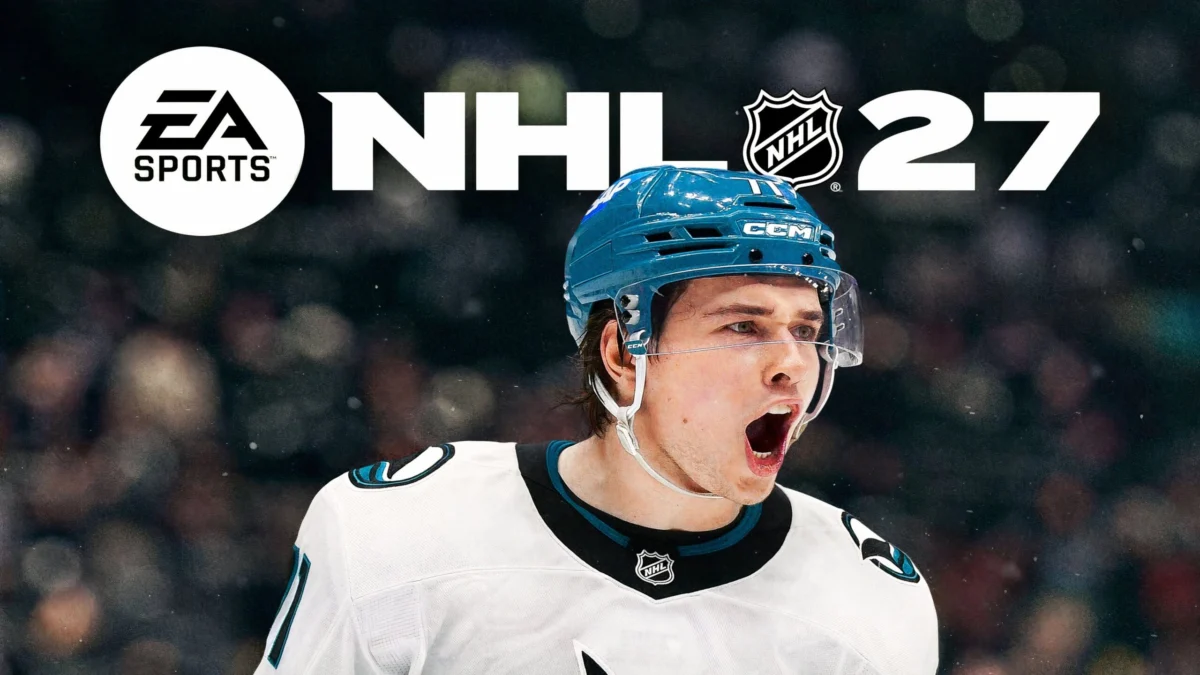
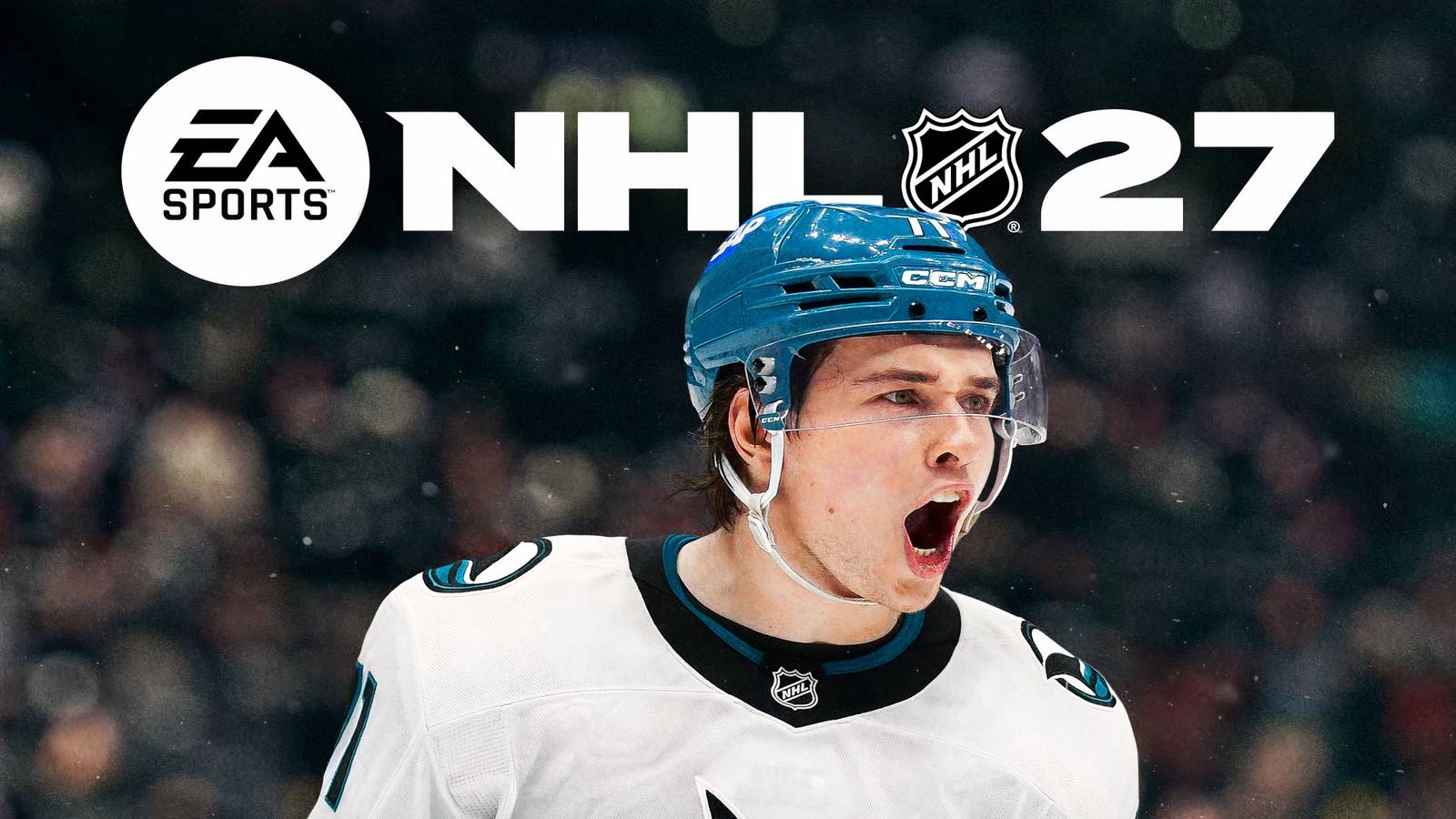
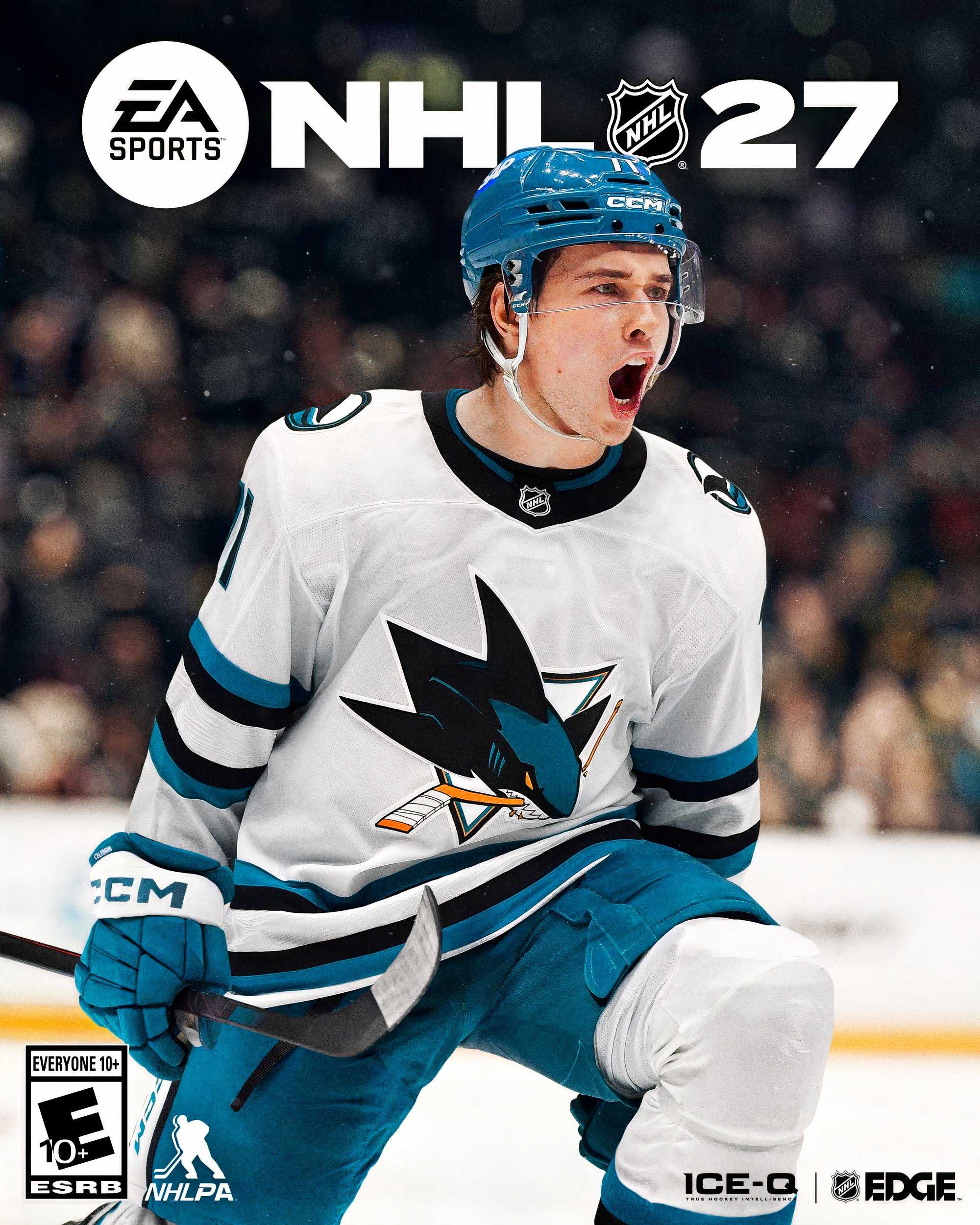
The annual ritual of hockey gaming enthusiasts has arrived with a fervor not seen in years. EA Sports has officially unveiled NHL 27, and the title promises to be the most significant pivot point for the franchise in over a decade. Featuring San Jose Sharks phenom Macklin Celebrini on the cover, the game is scheduled for a worldwide release on September 11, with early access beginning September 4 for those who secure the Deluxe Edition.
Beyond the roster updates and standard graphical polish, NHL 27 marks a deliberate departure from the arcade-adjacent aesthetic that has defined recent iterations. By overhauling the presentation engine, integrating sophisticated NHL Edge data, and finally answering the community’s most persistent prayer—the return of Connected Franchise—EA is positioning NHL 27 as the definitive simulation experience for the modern hockey fan.
The Core Transformation: A Shift in Presentation
For years, the NHL series struggled to find a broadcast identity that felt both fresh and authentic. Recent entries were often criticized for an "eSports-heavy" aesthetic—bright, neon-infused overlays that felt disconnected from the grit of an NHL broadcast.
In a move aimed at reclaiming the prestige of the sport, NHL 27 is abandoning these flashy overlays in favor of a "throwback" aesthetic. The development team has confirmed that the new broadcast package is heavily inspired by the slick, dark, and dramatic sensibilities of the TNT NHL broadcast. This isn’t merely a color change; it is a fundamental shift in how the game delivers information to the player.
A New Voice for the Ice
Central to this presentation overhaul is the introduction of a new commentary team: John Buccigross and Darren Pang. By bringing in voices synonymous with the modern television experience of hockey, the studio intends to ground the digital experience in reality. Buccigross and Pang have worked directly with the developers to record lines and map out the rhythm of a broadcast, ensuring that the commentary reacts to the ebb and flow of the game rather than simply reciting pre-scripted phrases.
The goal is to eliminate the repetitiveness that plagued the series during its transition away from the NBC-licensed era. Through dynamic cut scenes, specialized goalie introductions, and high-fidelity player highlights, the game aims to make every match feel like a unique primetime broadcast rather than a recycled simulation loop.
Chronology of the Franchise: From NBC to the "Identity Era"
The history of NHL presentation is a complex timeline. During the previous console generation, the series relied heavily on the NBC broadcast license, utilizing authentic music and full-motion video (FMV) introductions. While this provided high production value initially, it eventually became stagnant as the game’s engine evolved faster than the broadcast package could adapt.
When the NHL shifted its broadcast rights and EA’s contract concluded, the series entered a "wilderness period" where it attempted to establish a house brand of presentation. This culminated in NHL 26, which, while mechanically sound, was often critiqued for its lack of atmosphere. NHL 27 represents the "Identity Era"—a pivot toward capturing the unique culture of each of the 32 NHL rinks.
The 32-Team Philosophy: Individualizing the Rink
Borrowing a page from the successful EA Sports College Football playbook, the developers of NHL 27 have focused on ensuring that all 32 teams possess a distinct identity. This is not just a cosmetic change; it is a structural one.
Atmospheric Authenticity
The studio has implemented a new Dynamic Lighting Model and a Cinematic Orchestrator System to ensure that every arena feels distinct. The development team has meticulously modeled official arena landmarks, such as the lighthouse at the UBS Arena on Long Island, the iconic cannon in Columbus, and the unmistakable shark-head entrance in San Jose.

Perhaps most exciting for long-time fans is the inclusion of licensed goal and hype songs. By replacing generic, synthesized stadium music with the actual tracks that play during live NHL games, the atmosphere shifts from a generic sports game to a true-to-life hockey spectacle.
Data-Driven Gameplay: The Role of NHL Edge
NHL 27 doubles down on the use of real-world NHL Edge data. While previous iterations used this data to track player skating speed and shot velocity, the 2027 engine applies this information to team-wide tactical behaviors.
Every team in the game now features a unique playbook that mimics their real-world coaching systems. If a team is known for a heavy forecheck or a structured trap, the AI in NHL 27 will reflect those tendencies. This creates a "hockey-like" flow where the CPU doesn’t just play against the user, but plays the game the way the actual franchise does on the ice. This layer of depth adds a significant challenge for high-level players who will now need to scout their opponents’ tactical playbooks as much as their player ratings.
The Return of Connected Franchise
The most anticipated announcement for the community is the return of Connected Franchise. The mode, which allows players to run an entire league with up to 31 other human users, has been the most requested feature for nearly a decade.
The developers have emphasized that the return of this mode is built on three pillars: accessibility, speed, and long-term evolution. The menus have been streamlined to allow users to build and launch a league in minutes, and the game is designed to be flexible enough for different levels of time commitment. The studio has signaled that this is merely the foundation; they are actively seeking community feedback to ensure that future patches and future iterations continue to evolve the online dynasty experience. A "Deep Dive" session is scheduled for August to detail the specific trading, scouting, and contract mechanics that will be available at launch.
Implications for the Future of the Franchise
The shift to NHL 27 suggests that EA is moving away from annual, incremental updates and toward a more cohesive, simulation-first philosophy. By integrating television-grade production values and deeper tactical systems, the studio is attempting to bridge the gap between the casual fan who wants to enjoy a highlight-reel goal and the hardcore enthusiast who wants to manage the salary cap or run a complex online league.
The reliance on real-world arena data and licensed music shows a studio that is finally listening to the "immersion" complaints that have persisted for years. If the game delivers on the promise of the "Shark Tank" experience—where the lighting, the entrance, and the crowd reaction feel authentic to the San Jose arena—it could set a new benchmark for sports simulation titles.
Official Response and Community Outlook
Macklin Celebrini, the face of the franchise for this year, expressed his approval of the attention to detail. "Seeing the Shark Tank brought to life like that is honestly unreal," Celebrini noted during a recent virtual preview. "The detail the studio team put into it—from our pre-game entrance skating out through the shark head and the iconic lighting on each seat throughout the stadium to hearing our goal song every time we score—it feels exactly like being out there for a real game."
As we approach the September launch, the community remains cautiously optimistic. The return of Connected Franchise is a major victory, but the burden of proof now rests on the game’s stability and the depth of the gameplay mechanics. If the transition to this new presentation and tactical engine is smooth, NHL 27 could be remembered as the year the series finally found its identity in the modern gaming landscape.
With deep dives into gameplay and presentation modes coming in the next few weeks, players will soon have a clearer picture of whether the on-ice action can match the high production values being promised. For now, the hockey world is watching, and the expectations have never been higher.