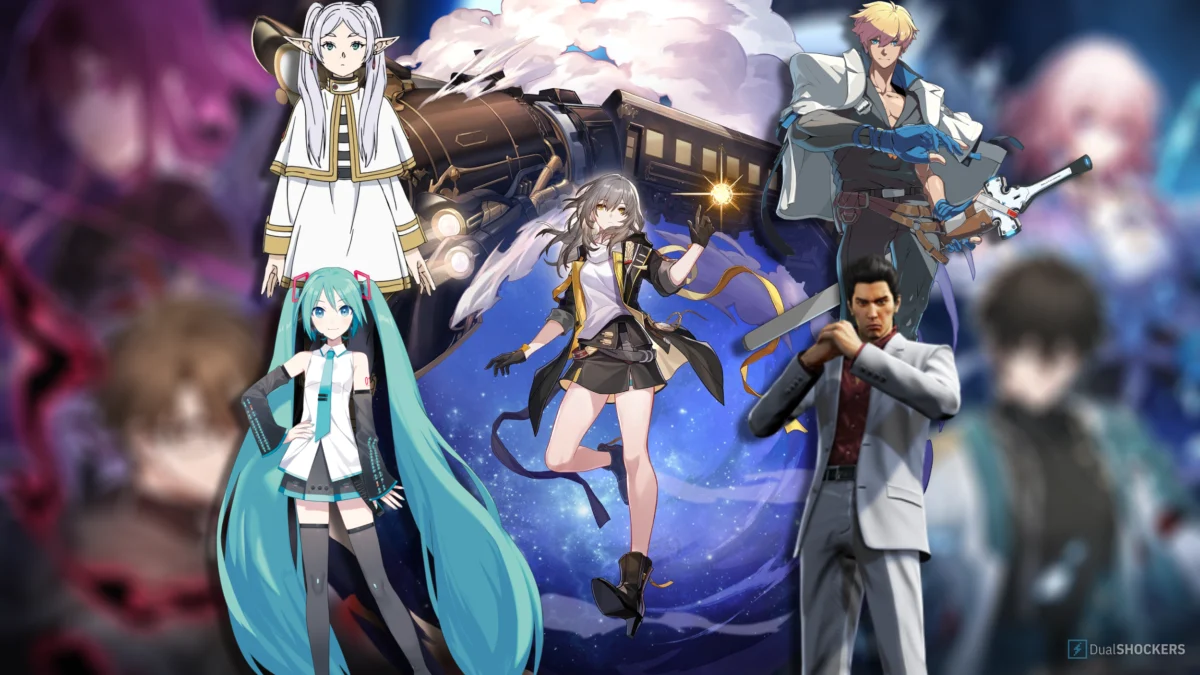
Since its global launch, Honkai: Star Rail has redefined the expectations of the modern gacha experience. By blending deep, turn-based tactical combat with an expansive, ever-evolving space opera narrative, HoYoverse has crafted a universe that feels both lived-in and infinitely scalable. While the title is currently defined by its original cast of Pathstriders, the recent, highly successful collaboration with the Fate/Stay Night franchise has opened a new frontier. By introducing fully voiced, high-tier playable units and cinematic, permanent narrative content, Honkai: Star Rail has demonstrated that it isn’t afraid to invite other legendary IPs into its galaxy.
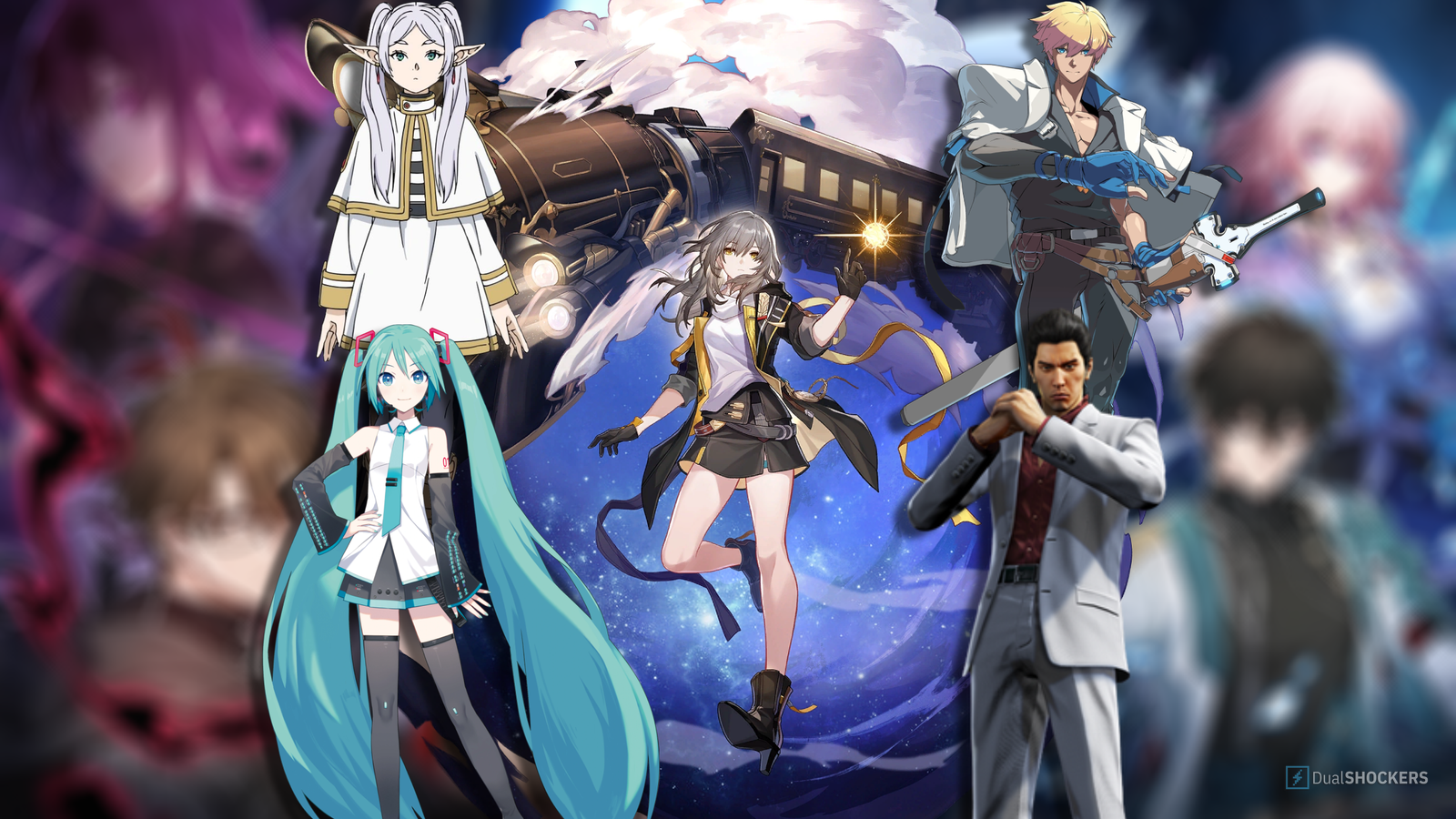
As players continue to traverse the cosmos aboard the Astral Express, the question of "who’s next?" has become a central point of community speculation. Below, we examine 10 iconic franchises that could seamlessly integrate into the Star Rail universe, maintaining the game’s high-fidelity aesthetic while pushing the boundaries of its narrative scope.
The Crossover Phenomenon: A New Strategic Pillar
The decision to pursue large-scale collaborations is not merely a marketing tactic; it is a strategic maneuver designed to bridge disparate fandoms. The success of the Fate collaboration proved that HoYoverse could integrate external mechanics and lore without breaking the immersion of the Star Rail setting.
A Chronology of Collaboration
While HoYoverse has historically been reserved regarding crossovers, the industry at large has seen a shift:
- 2023–2024: The "Trial Phase," where mobile titles utilized minor cosmetic additions (skins, stickers) to test engagement.
- 2025: The "Narrative Shift," where major titles began integrating characters into core gameplay loops.
- 2026 (Present): The "Full Integration" era, spearheaded by Honkai: Star Rail, which treats guest characters as fully realized, canonical entities within its multiverse.
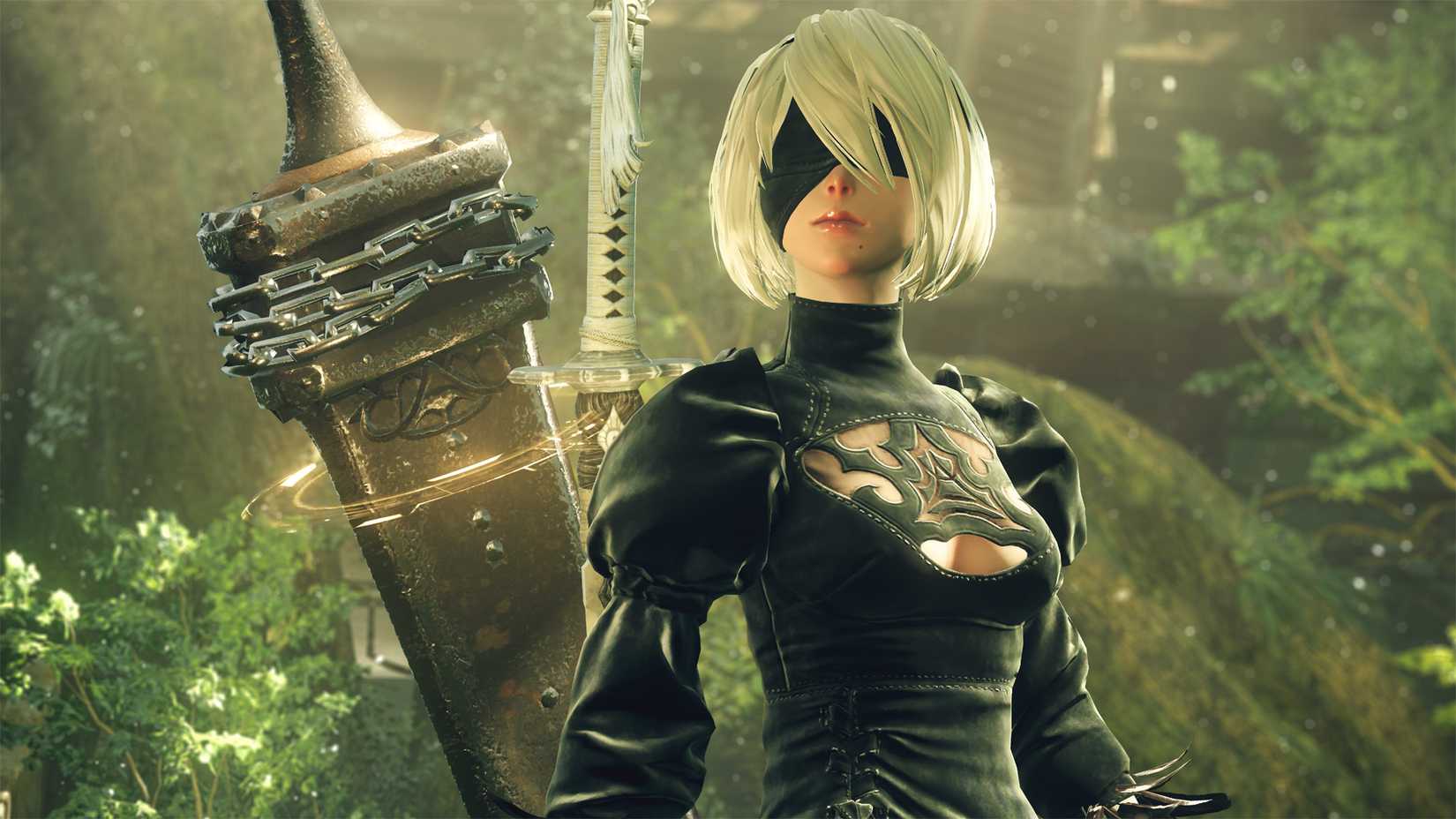
1. NieR: Automata: An Inverse Mechanical Perspective
Few franchises are as globally recognized for their aesthetic and philosophical depth as NieR: Automata. With 2B having already appeared in titles ranging from Stellar Blade to Soulcalibur VI, she is a natural fit for a high-concept sci-fi game.
The Narrative Implication:
Star Rail features a variety of mechanical lifeforms and intelligent androids, many of whom have moved past the scars of their own wars. For 2B and 9S, who operate within the grim, unending cycle of the YoRHa project, the relatively peaceful coexistence of robots and humans in the Star Rail universe would create profound existential tension. Mechanically, 2B’s vast arsenal makes her an ideal candidate for a high-damage Hunt unit.

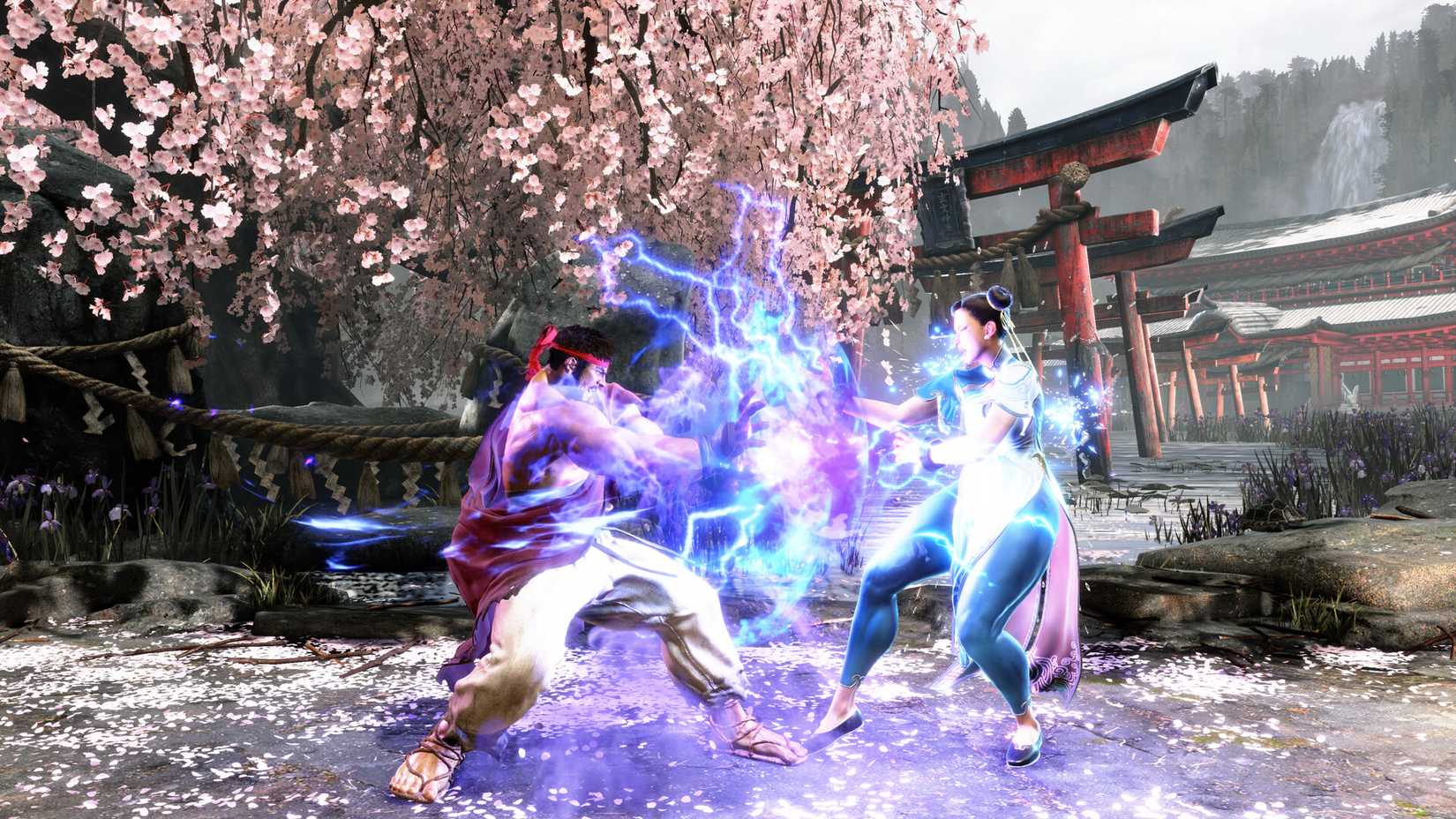
2. Street Fighter: A Global Tournament in the Stars
The planets of Honkai: Star Rail are often mirrors of human civilization, from the European-inspired architecture of Belobog to the Xianzhou Luofu’s blend of Chinese cultural motifs. Street Fighter is the ultimate international ambassador.
Supporting Data:
With the franchise’s enduring popularity and its history of successful crossovers, characters like Chun-Li or Marisa could bring a unique "Pankration" flavor to the game. By utilizing the existing environmental storytelling, Capcom’s fighters could be introduced as interdimensional travelers drawn to the Luofu’s martial arts traditions or the competitive atmosphere of Penacony.
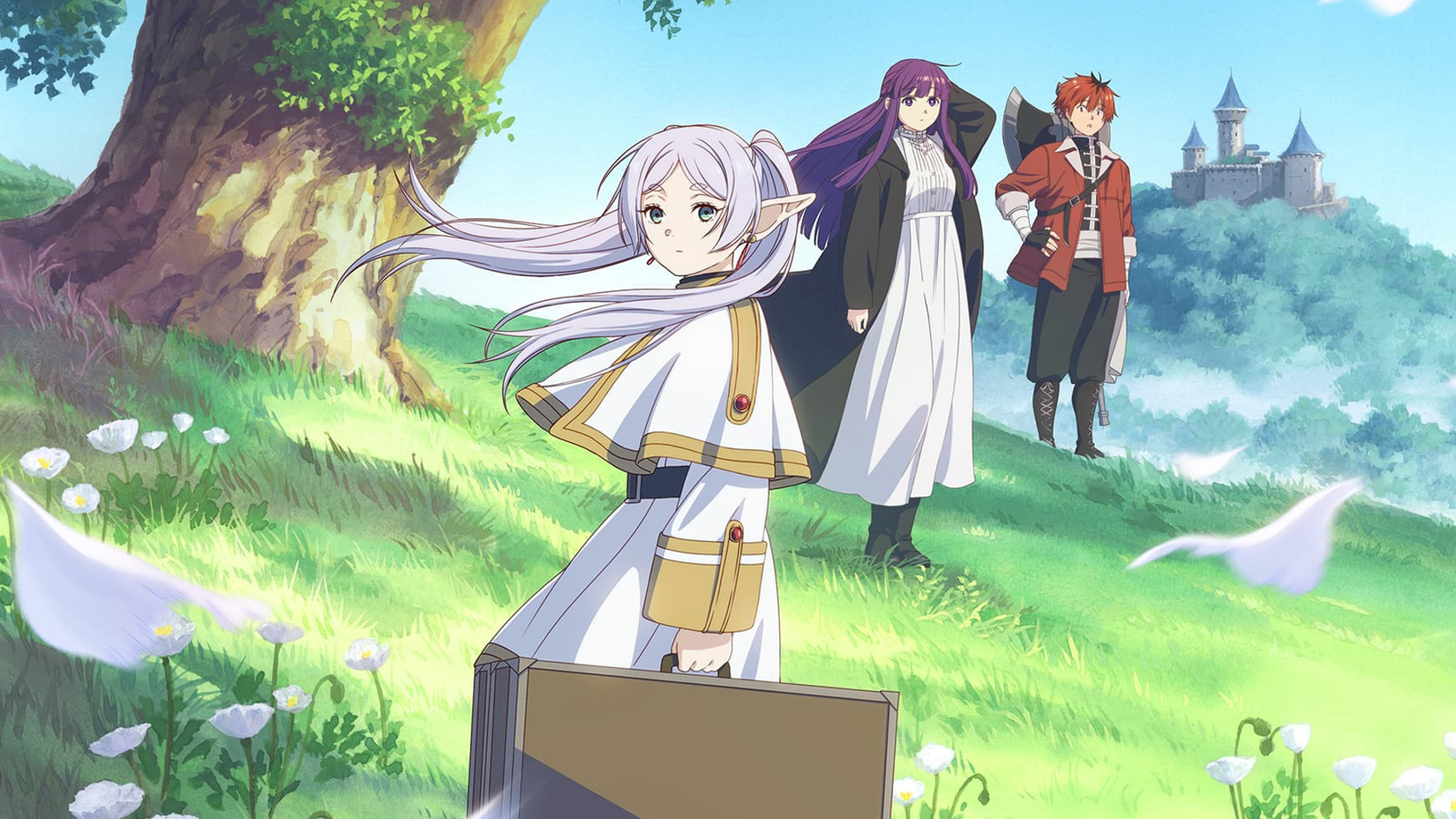
3. Frieren: Beyond Journey’s End
Frieren offers a unique brand of melancholy and high-fantasy elegance that contrasts sharply with the high-octane science fiction of Star Rail. However, as the Fate collaboration showed, the game thrives when it juxtaposes "magic" against its established science.
Implications:
Frieren, as an ancient elf with a penchant for gathering obscure knowledge, would fit perfectly into the Genius Society or as an independent Pathstrider of Erudition. Her interaction with Herta—two individuals who view time and history through very different, yet equally long-lived lenses—would provide some of the most compelling dialogue in the game’s history.
4. Guilty Gear: The Rule of Cool
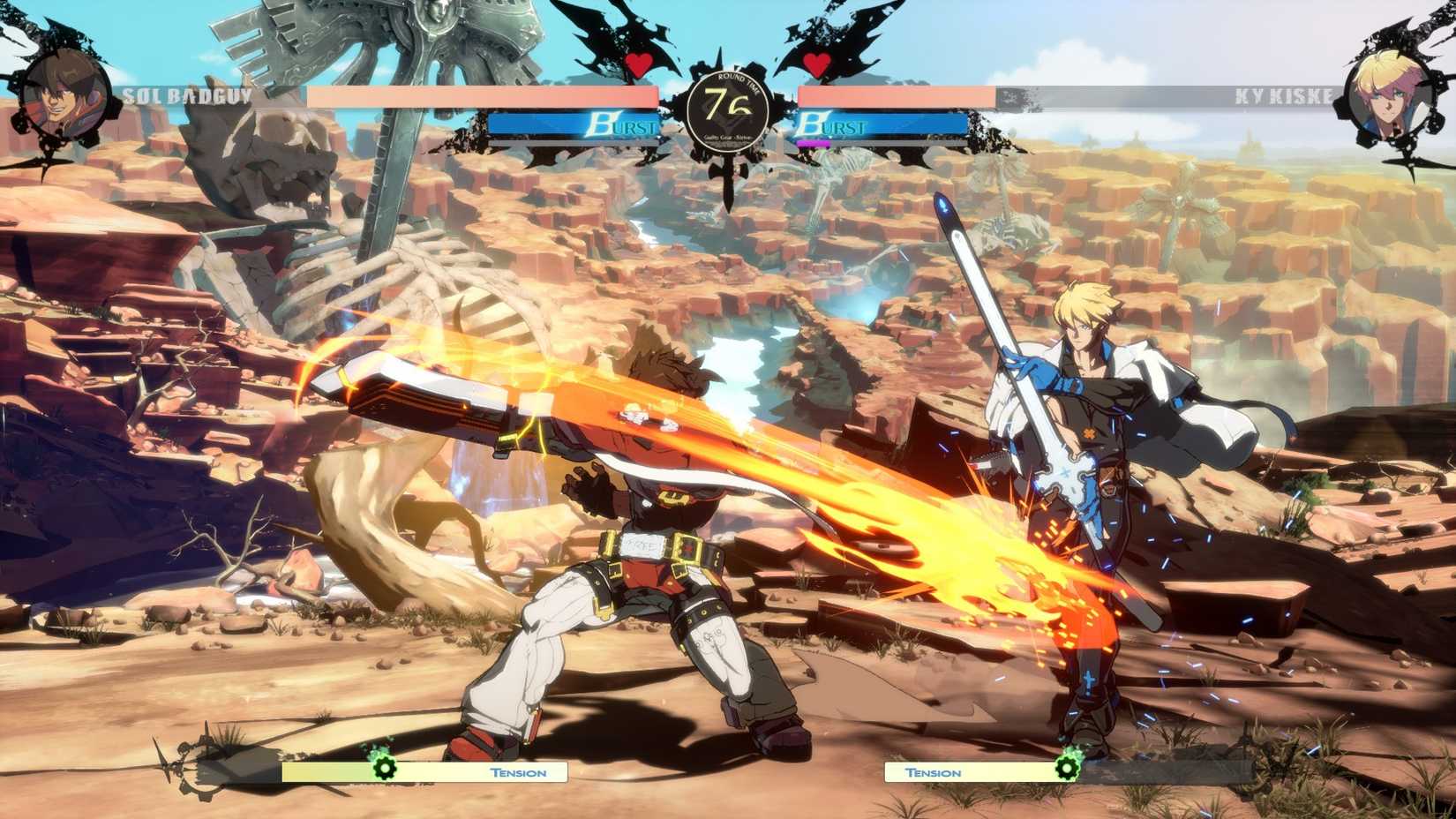
The Guilty Gear aesthetic—a chaotic blend of heavy metal, magic, and impossible physics—is essentially the "Path energy" of the fighting game world. The combat animations in Guilty Gear Strive are already some of the most fluid in the industry, making a transition to the Star Rail engine feel like a natural evolution.
Official Stance:
While no official talks have been confirmed, the fan base for both games overlaps significantly. Integrating characters like Sol Badguy or Ky Kiske would require minimal lore justification; given the chaotic nature of the Imaginary Tree and the influence of Aeons like Aha, a "spatial rift" narrative device is always on the table.
5. Hatsune Miku: The Ultimate Harmony
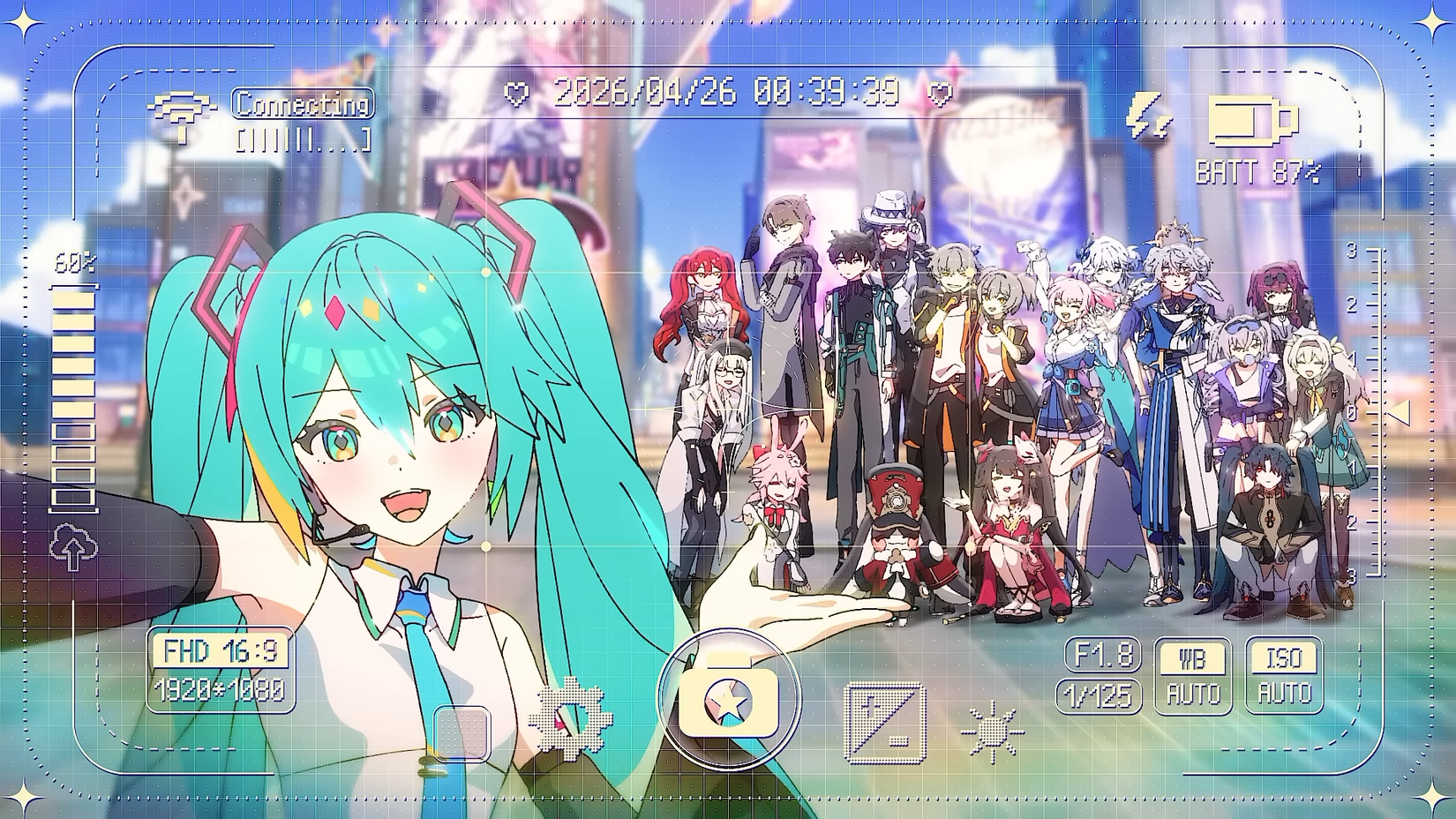
Hatsune Miku has already made cameos in promotional material for Honkai: Star Rail, yet the community remains eager for a full-fledged playable unit.
Narrative Integration:
Miku’s identity as an infinite, digital diva is thematically consistent with the Path of Harmony. If she were added as a unit, her synergy with characters like Robin could be revolutionary, potentially introducing "compounding buffs" where multiple songs playing simultaneously shift the battle tempo. She represents the purest expression of the game’s celebration of music and culture.
6. The Eminence in Shadow: I AM ATOMIC
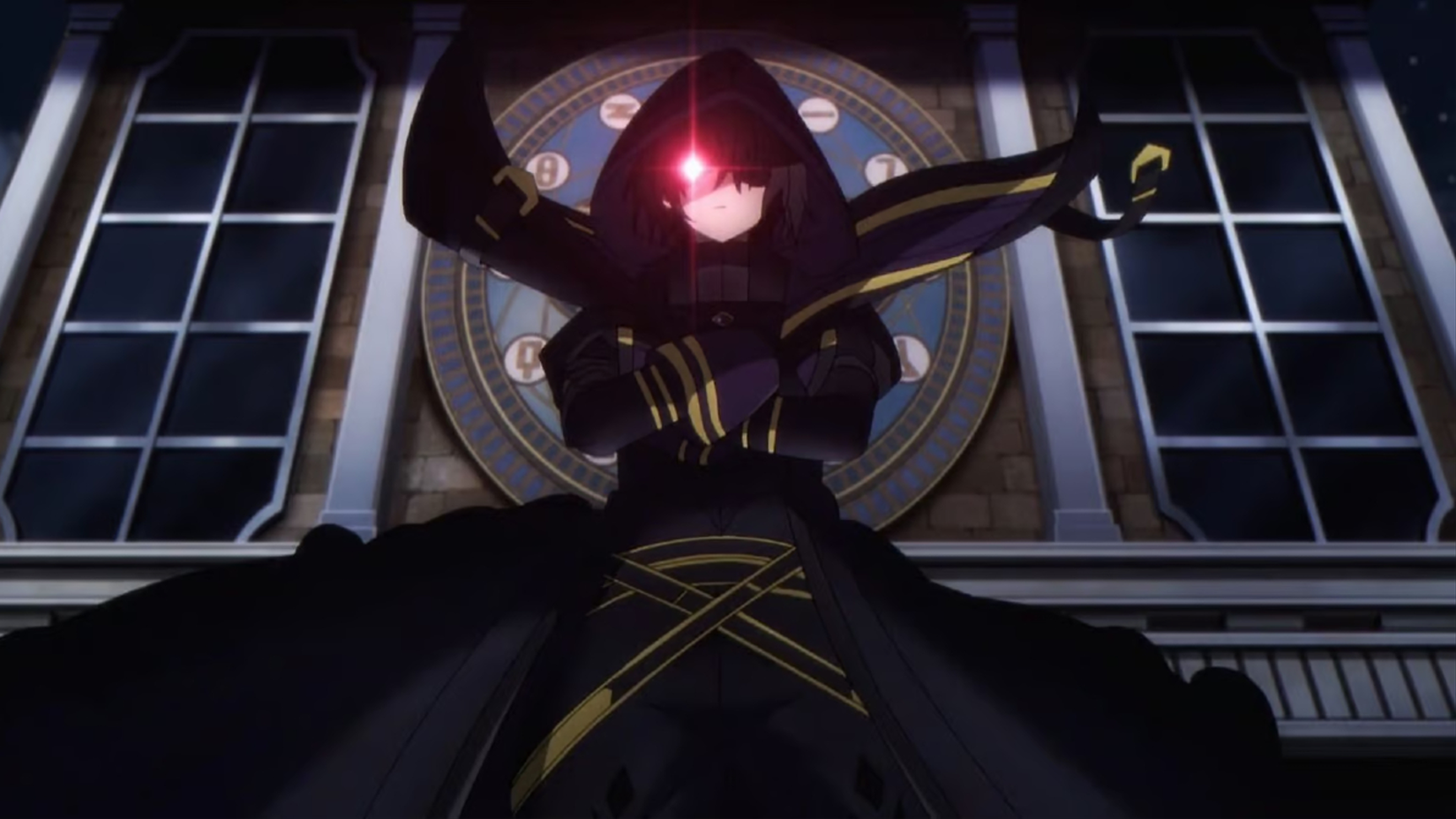
Cid Kagenou is the quintessential "Isekai" protagonist who doesn’t quite understand the weight of the reality he occupies. This personality type is perfect for the often absurd, meta-humorous tone of Star Rail’s side quests.
Implications:
Cid would make for a hilarious, overpowered Destruction unit. The ability to trigger an "I AM ATOMIC" ultimate would be a massive draw for players, and his tendency to accidentally solve massive conspiracies while trying to act like a background character would fit right in with the antics of the Nameless.
7. Mobile Suit Gundam: Mecha for the Soul
Welt Yang is the series’ resident mecha enthusiast, and the game has already flirted with mecha-centric locations like the Engine of Creation. A Gundam crossover would be the ultimate tribute to the genre that inspired the game’s creators.
Strategic Potential:
Whether it’s the classic RX-78-2 or the more agile Domon Kasshu from G Gundam, the integration of pilot-based combat—where the Gundam acts as part of the character’s Ultimate animation—would be a visual spectacle. It would allow HoYoverse to lean into the "space opera" identity that makes Star Rail unique.
8. Like a Dragon: Grizzled Brawlers in Space
The Yakuza/Like a Dragon series is renowned for its heart, its humor, and its "grizzled" protagonists. Kazama Kiryu is a character who has been everywhere, and placing him in the neon-drenched, dream-like streets of Penacony would be a stroke of genius.
Supporting Data:
The series has seen a massive surge in popularity, and characters like Ichiban Kasuga—a self-proclaimed RPG protagonist—would be right at home in a game where "fantasy adventures" are a core theme. His reactions to the cosmic horrors of the Star Rail universe would be a highlight for long-time fans of the franchise.
9. Onimusha: The Samurai Renaissance
As Capcom looks to revitalize the Onimusha franchise, a Star Rail crossover could serve as a massive marketing bridge.
Implications:
The demonic, sword-based combat of Onimusha is a perfect fit for the game’s existing sword-wielders like Blade or Jingliu. By introducing a character like Musashi, HoYoverse could finally explore a Japan-inspired region, using the crossover to test the waters for future permanent content in the game’s expanding map.
10. Kamen Rider: The Tokusatsu Dream
The Kamen Rider franchise is a cornerstone of Japanese pop culture, and its themes of transformation, justice, and cyclical struggle mirror the journey of the Trailblazers.
Official Responses and Outlook:
With Kamen Rider Zeztz focusing on a "dream world" narrative, the synergy with Penacony is undeniable. The "super spy" aesthetic combined with the high-energy transformation sequences would integrate seamlessly into the current aesthetic of Honkai: Star Rail. Utilizing the existing assets and production values of Toei Company, a Kamen Rider crossover could be the most visually impressive event in the game’s history.
Conclusion: The Future of the Astral Express
The potential for Honkai: Star Rail to evolve through these collaborations is immense. By carefully selecting IPs that resonate with the game’s core themes of exploration, identity, and existential struggle, HoYoverse can ensure that each crossover is not just a temporary event, but a meaningful expansion of the game’s universe. As the community continues to grow, these collaborations will remain a vital way to keep the experience fresh, challenging, and undeniably exciting for the next generation of Trailblazers.