

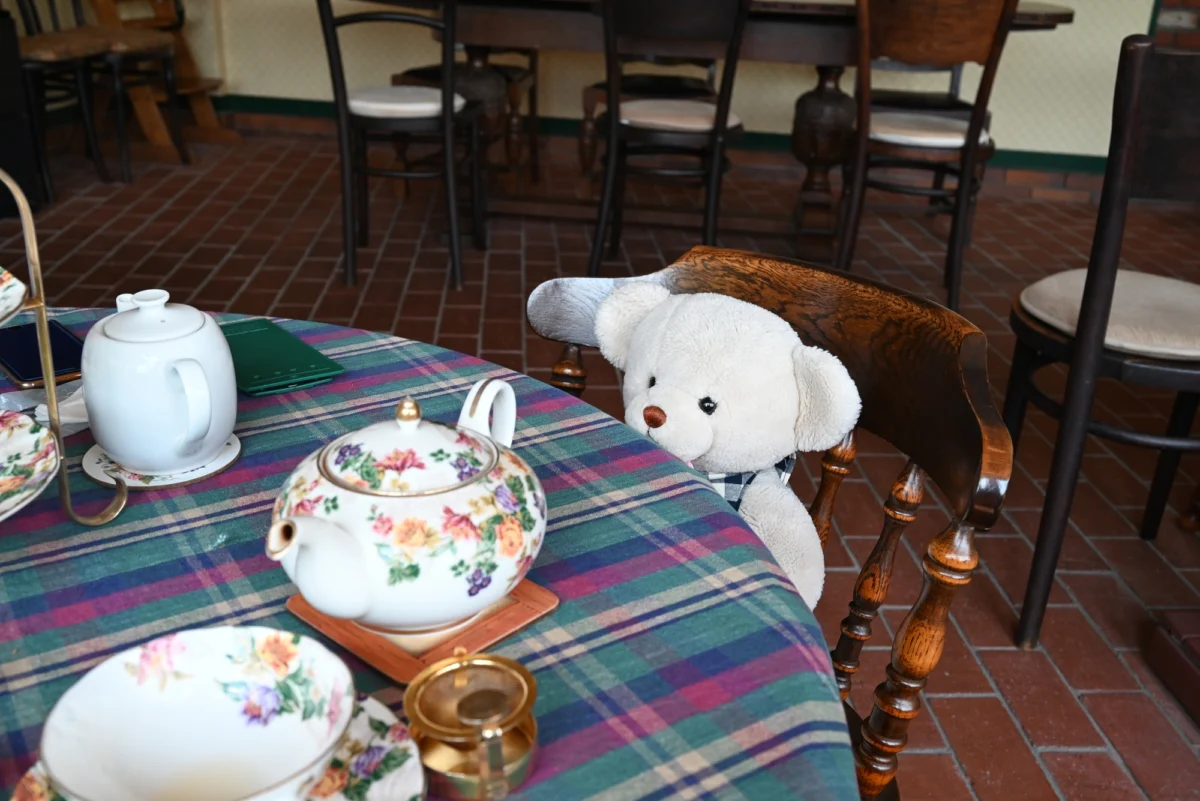
In the vibrant, ever-evolving landscape of Japanese pop culture, few trends have experienced a transition as rapid—or as contentious—as nuikatsu. Derived from the Japanese words nui (plush toy) and katsu (activity), the practice of dressing up, carrying, and photographing plush toys in public settings has ballooned from a niche hobby for die-hard anime fans into a massive, multi-billion-yen cultural phenomenon.
By 2026, nuikatsu has become far more than a pastime; it is a sophisticated social media aesthetic, a burgeoning retail sector, and, unexpectedly, the epicenter of a heated national debate regarding public decorum and the boundaries of personal expression in shared spaces.
The Roots of a Cultural Phenomenon
To understand the friction surrounding nuikatsu, one must first understand its place in the broader ecosystem of oshikatsu—the culture of dedicating one’s time, money, and emotional energy to a specific idol, character, or franchise. In a society where public displays of intense emotion can be frowned upon, nuikatsu provides a socially acceptable bridge between the private self and the public sphere.
For many, these plushies are not merely toys; they are bunshin, or "alter egos." By carrying a character-themed plush to a cafe, a scenic travel destination, or a concert, fans participate in nui-dori (plush-photography). This allows individuals to document their experiences through the lens of their favorite character, creating a stylized digital footprint that remains deeply personal while maintaining a layer of privacy.
Originally the domain of Gen Z, the demographic has expanded significantly. Today, fans ranging from their twenties to their sixties use plushies as emotional anchors, fashion accessories, or "lucky charms" that provide comfort in an increasingly digital and disconnected world.
Economic Scale and Market Growth
The rise of nuikatsu is inextricably linked to the commercial ingenuity of Japanese retailers. The market for plush toys and their associated accessories—tiny outfits, miniature furniture, and specialized travel carriers—is currently estimated at approximately ¥45 billion (USD $282 million).
This is not a fad that relies on spontaneous spending; it is a calculated, sustainable consumer behavior. Major toy manufacturers and boutique designers have pivoted their strategies to cater to the "nuikatsu lifestyle," releasing seasonal outfits for popular characters and collaborating with lifestyle brands. As long as the emotional attachment to these "alter egos" remains, the market shows little sign of contraction.
A Chronology of Conflict: When Aesthetics Clash with Service
The transition from a harmless hobby to a source of public friction began to manifest in early 2026. While fans viewed their photography as a creative outlet, business owners began to view it as an operational bottleneck.
The "Old Arrow" Incident
On May 2, 2026, a British-style pub in Tokyo known as "Old Arrow" ignited a firestorm on X (formerly Twitter). The establishment issued a request for customers to refrain from placing plushies or other merchandise on dining tables. The reasoning was rooted in fundamental hospitality logistics: the presence of multiple plushies occupied valuable table space, increased the risk of accidental damage, and slowed down service during peak hours.
The backlash from the nuikatsu community was immediate and vitriolic, forcing the owner to eventually delete the post. However, the damage was done. The owner’s subsequent explanation highlighted that the goal was not to ban the hobby, but to address a growing trend where the "photography experience" was being prioritized over the dining experience itself.
The Ramen Shop Precedent
Shortly after the Old Arrow controversy, a ramen shop in Mito, Ibaraki, escalated the situation by explicitly banning the presence of Chiikawa plushies—a wildly popular series of cute, chibi-style animal characters. The catalyst for this ban was a customer who remained at the table for an extended period, moving their plushies around for elaborate photos long after finishing their meal, despite a queue of hungry customers waiting outside.
This incident served as a breaking point, drawing a sharp line between "hobbyist photography" and "table-hogging."
The Core Concerns: Hygiene, Space, and Privacy
As the debate has matured, three primary arguments against the unchecked practice of nui-dori have emerged from both the hospitality industry and the general public.
1. The Hygiene Factor
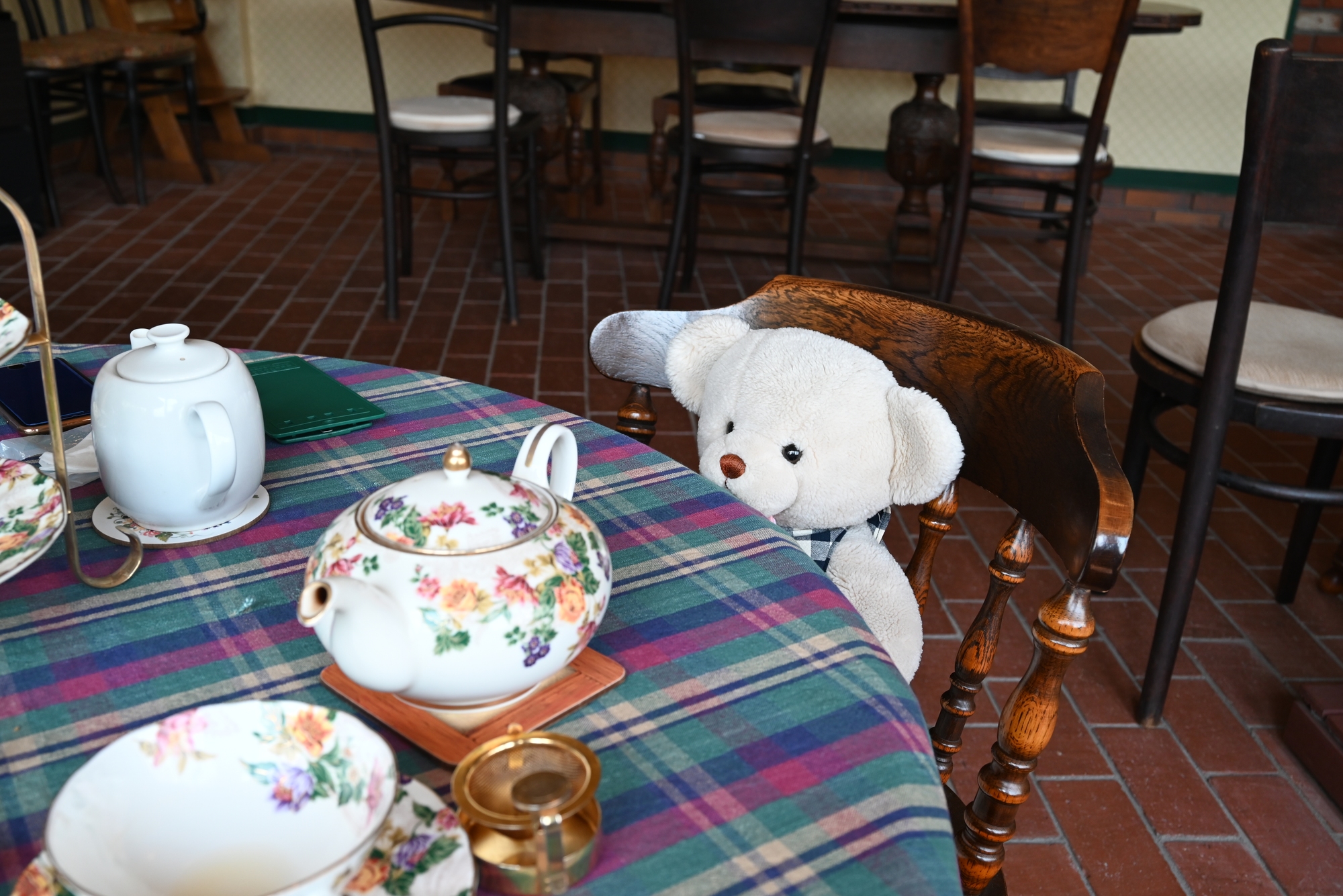
The most visceral objection concerns sanitation. Plushies are frequently carried in bags, handled in transit, and occasionally set on public benches or floors. When these items are placed on tables designated for the consumption of food, it creates a hygiene concern for other diners and staff, who may feel that the sanctity of the dining space is being compromised.
2. The Economics of Table Turnover
In the context of the Japanese restaurant industry—particularly in high-density urban areas like Tokyo—small businesses operate on thin profit margins. Efficiency is not merely a preference; it is a necessity for survival. When a customer occupies a seat for an extra 20 or 30 minutes to capture the "perfect shot" of a plushie with a coffee, they are effectively preventing the restaurant from serving a paying customer. This creates a direct conflict between the customer’s personal creative hobby and the business’s economic survival.
3. The Right to Privacy
Nui-dori photography is rarely a solitary act. Enthusiasts often set up their scenes in public, and the background of these photos frequently includes other patrons or staff members. In an era of heightened awareness regarding digital privacy, the involuntary inclusion of others in social media posts has become a legitimate point of contention.
Defensive Perspectives: A Cultural Defense
Despite the criticism, the nuikatsu community has mounted a robust defense. Many proponents argue that the issue is not the plushie, but the behavior of a minority of "bad actors."
"Nuikatsu isn’t the issue," noted one user on X. "The issue is people who keep playing after they’ve finished eating. Hogging a table to play with a plushie isn’t nuikatsu; it’s just being inconsiderate."
Others point to a double standard, noting that customers frequently place phones, cameras, and laptops on tables without being subjected to the same scrutiny regarding hygiene or space. There is a sense among fans that nuikatsu is being singled out simply because it is a "cutesy" or "childish" hobby that makes traditionalists uncomfortable.
One anecdotal account from a former resort worker in Nagano recalled: "Thirty years ago, we had a party of three at a table, and one of them was a teddy bear. We poured it water and portioned out its food. It was a lovely memory." This highlights that the desire to anthropomorphize objects is not a new human impulse; the conflict lies in the modern, digital requirement to broadcast that interaction to a global audience.
Implications for the Future of Social Norms
The nuikatsu debate serves as a microcosm of how subcultures navigate shared public spaces in a hyper-connected world. Japan has seen this cycle before: from the "bag-charm" crazes to the reseller-driven frenzies that have plagued retail stores. In each instance, a hobby that begins as an expression of personal joy eventually collides with the rigid, utilitarian norms of Japanese society.
The long-term implication for nuikatsu is likely a move toward self-regulation. We are already seeing the emergence of "nuikatsu-friendly" cafes that provide designated photo spots, effectively separating the creative process from the dining experience.
The hobby is clearly not going anywhere. The industry’s growth suggests that the plushie will remain a staple of the Japanese cultural landscape. The real question moving forward is not whether people should have the right to carry their plushies, but how the community can reconcile its need for personal expression with the fundamental rules of public etiquette.
As Japan continues to balance its reputation for impeccable social order with its status as a global leader in pop culture, the "plushie wars" serve as a reminder that even the most innocent forms of joy must adapt when they move from the private living room to the public square.












No comments yet. Be the first to join the conversation!