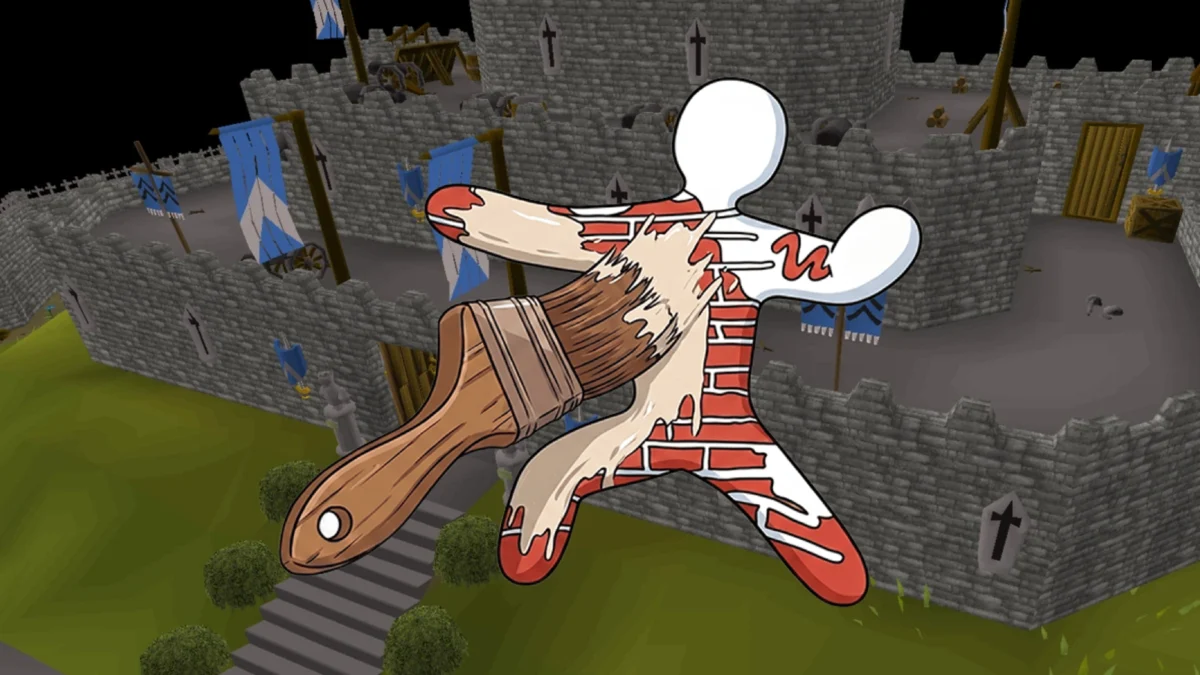
In a surprise crossover that bridges the gap between a two-decade-old MMORPG titan and the breakout indie sensation of 2026, Jagex has officially brought the world of Old School RuneScape (OSRS) into the chaotic, vibrant arena of Meccha Chameleon. The collaboration, which launched via the Steam Workshop on July 10, transforms Gielinor’s most humble starting town—Lumbridge—into a high-stakes playground for the multiplayer hide-and-seek phenomenon.
The move marks a rare, community-driven intersection of legacy gaming culture and modern indie innovation, proving that even the most venerable pixelated landscapes can find new life in contemporary game design.
The Convergence of Two Worlds: Main Facts
Meccha Chameleon has rapidly climbed the charts as one of 2026’s most successful indie titles. Its core gameplay loop—a high-tension game of "prop hunt" style hide-and-seek—requires players to camouflage themselves as objects within a given environment. The premise is simple: players act as chameleons, painting their blank, white avatars to blend into the textures of the map, while the opposing team attempts to sniff out the "fake" objects before time expires.
By integrating the iconic architecture of Lumbridge, creators 8sat and Soup have provided a masterclass in environmental design. The map features the sprawling grounds of Lumbridge Castle, the bustling courtyard, the iconic riverside, and the weathered wooden fences that every RuneScape player has navigated since the early 2000s.
Crucially, the map is not merely a visual shell. It is fully interactive, featuring authentic RuneScape item props. Players can hide behind—or as—legendary gear, including the coveted purple partyhat, the imposing dragonfire shield, and rare sets of Third Age armor. This level of detail has transformed the map from a simple aesthetic tribute into a deeply immersive, nostalgia-fueled experience that honors the source material while serving the specific mechanical needs of a stealth game.
A Chronological Breakdown of the Lumbridge Project
The development and subsequent promotion of the Lumbridge map followed a calculated trajectory, moving from community passion project to officially endorsed content.
- July 10, 2026: The map is officially published to the Meccha Chameleon Steam Workshop. Initial reception is immediate, with the OSRS community quickly identifying the project via social media channels.
- July 15, 2026: Following a brief period of testing and optimization, the creators push a major public release update. This version stabilizes the performance of the high-poly textures and introduces the expanded list of iconic character and item props.
- July 19, 2026: Jagex officially acknowledges the collaboration. The official Old School RuneScape X (formerly Twitter) account posts the announcement, asking the community: "Ever wanted to play Meccha Chameleon in RuneScape?"
- Post-Announcement: Within 96 hours of Jagex’s official promotion, the map sees a massive influx of traffic, cementing its status as one of the most popular custom maps in the game’s history.
Supporting Data: The Power of Community Engagement
The speed at which this map gained traction is a testament to the enduring loyalty of the RuneScape fanbase. By the time Jagex officially tweeted the collaboration on July 19, the map had already crossed the 50,000-subscriber threshold on Steam.
For an indie game like Meccha Chameleon, which relies heavily on a rotating library of community-generated maps to maintain player retention, this integration is a goldmine. The crossover functions as a dual-marketing strategy: it draws RuneScape players who may have never touched Meccha Chameleon into the game, while simultaneously providing Meccha Chameleon players with a high-fidelity, polished map that stands out among a sea of amateur submissions.
The technical implementation, spearheaded by creators 8sat and Soup with additional support from Mod Frogs, Sofa, Synq, and ConnorDY, demonstrates a high level of technical competency. The map utilizes the distinct low-poly aesthetic of OSRS, which—paradoxically—makes it easier to implement into a game that values clean lines and geometric simplicity.
Official Responses and Collaborative Spirit
The tone surrounding the collaboration has been overwhelmingly positive. Unlike many corporate-led crossovers that feel sterile or forced, this project feels organic. The participation of Jagex staff members—specifically those recognized as "Mods"—suggests that the company is leaning further into community-led initiatives rather than strictly top-down IP management.
In their thank-you notes attached to the Workshop listing, the creators explicitly credited the Jagex team for their support. This level of transparency is vital in the gaming industry, as it sets a precedent for how IP holders (Jagex) and creators (8sat, Soup) can coexist. It effectively legitimizes the modding community as a professional extension of the development team, rather than a separate, unregulated entity.
Implications: The Future of Cross-IP Modding
The success of the Lumbridge map in Meccha Chameleon raises significant questions about the future of indie game development and IP licensing.
1. The "Sandbox" Era of Marketing
Jagex’s decision to endorse this map highlights a shift in how legacy IPs are maintained. By allowing their assets to exist in a "foreign" game engine, Jagex is keeping the RuneScape brand relevant in 2026 without needing to dedicate internal resources to the development of a standalone spin-off title. It is a cost-effective, high-engagement method of brand preservation.
2. Standardization of Custom Content
With nearly 50,000 subscribers, the Lumbridge map serves as a case study for "quality control" in community content. As games become more reliant on Workshop-style systems, the barrier for entry for creators is rising. Future creators will look to the Lumbridge project as the gold standard for how to adapt a complex, beloved world into a new mechanical framework.
3. Cross-Genre Appeal
This collaboration bridges the gap between the grind-heavy, long-form nature of an MMORPG and the quick, session-based intensity of a social stealth game. It suggests that player bases are increasingly fluid; a player is no longer just an "MMO gamer" or a "stealth gamer." This fluidity allows for more experimental crossovers that can revitalize interest in older titles.
How to Access the Lumbridge Map
For those looking to experience the crossover firsthand, the process is streamlined through the Steam platform. While the map itself is entirely free, players must own a copy of Meccha Chameleon on Steam to access the content.
Step-by-Step Installation:
- Verify Ownership: Ensure that Meccha Chameleon is installed and updated to the latest version on your Steam client.
- Visit the Workshop: Navigate to the Meccha Chameleon hub in your Steam Library and click the "Workshop" tab.
- Search for "Lumbridge": The map is titled "Old School Lumbridge." It is currently listed as one of the top-rated items in the Workshop.
- Subscribe: Click the green "Subscribe" button. Steam will automatically download the map files.
- In-Game Selection: Launch Meccha Chameleon. The map should appear in your custom map rotation or lobby selection menu.
Pro-tip for Lobby Hosts: If you are playing with friends, ensure that every member of your party subscribes to the map before joining the lobby. While the game does feature an auto-download prompt for missing files, pre-installing the map significantly reduces load times and prevents potential "asset mismatch" crashes that can plague large community-made files.
Conclusion: A Legacy Reimagined
The integration of Lumbridge into Meccha Chameleon is more than a novelty; it is a celebration of the lasting power of digital architecture. By allowing players to revisit a location they have spent thousands of hours in—but through an entirely new lens—the creators have successfully tapped into a vein of nostalgia that is both powerful and rewarding.
As we look toward the future of the industry, it is likely that we will see more of these collaborative efforts. When developers trust their communities to shepherd their intellectual property, the results can be transformative. For now, the town of Lumbridge stands as a beacon—not just for level-three adventurers, but for hiders and seekers alike, proving that even in the world of Meccha Chameleon, the most iconic places in gaming history never truly stay hidden for long.