

At Computex 2026, Nvidia CEO Jensen Huang unveiled a vision for the future of personal computing that goes far beyond traditional silicon. By introducing the RTX Spark platform, Nvidia is not merely releasing a new chip; it is establishing a foundational ecosystem designed to usher in the era of "agentic AI" on desktop and laptop PCs. This announcement marks a definitive shift in Nvidia’s business model, signaling a long-term commitment to Windows on Arm and a direct challenge to the x86 hegemony that has defined the computing landscape for decades.
The Core Revelation: A Multi-Generational Commitment
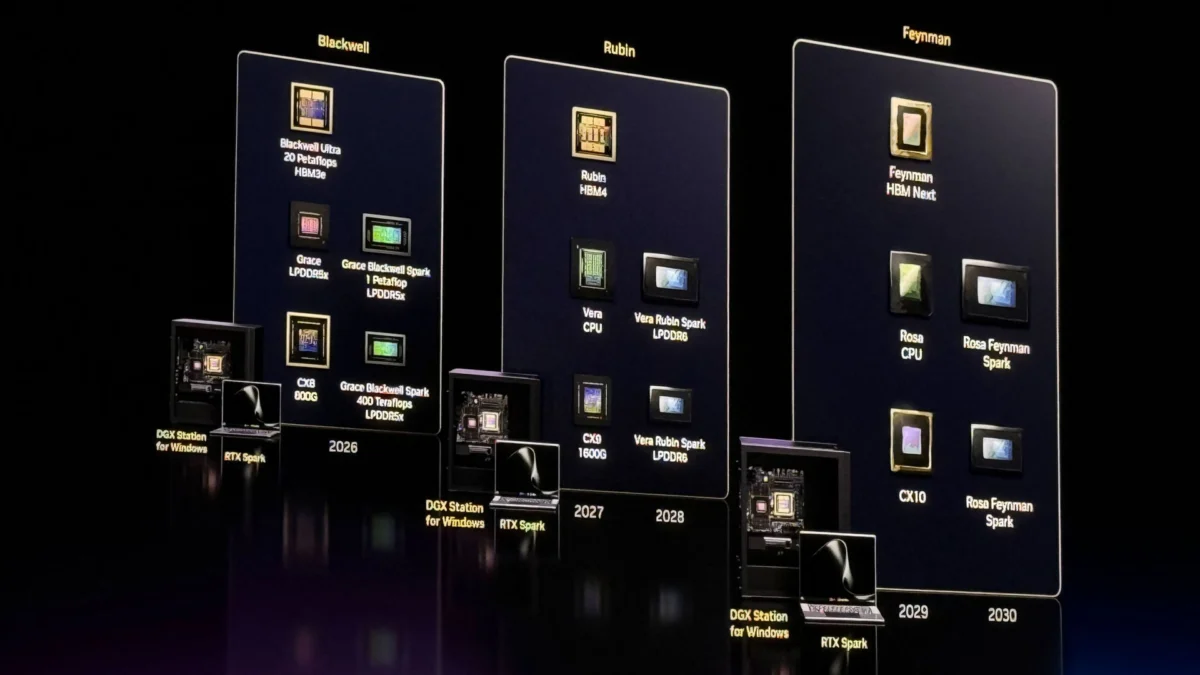
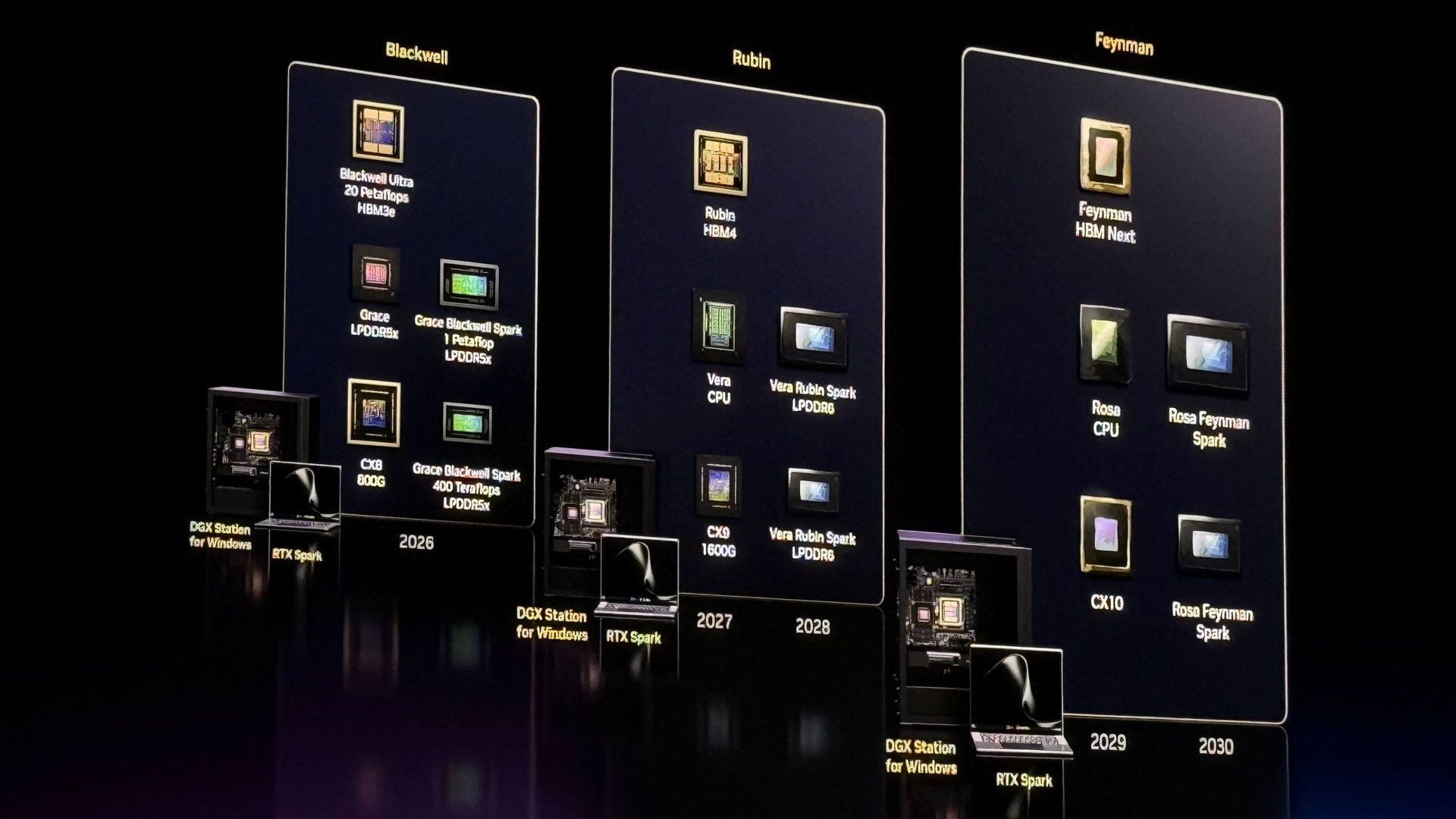
The centerpiece of Nvidia’s announcement is the RTX Spark platform, a hardware architecture specifically engineered to handle the heavy computational demands of autonomous, agent-based AI. However, the most significant aspect of Huang’s presentation was the roadmap itself. Nvidia has publicly committed to at least two additional generations of the Spark platform beyond the initial Grace Blackwell-based launch.
This long-term roadmap is an essential signal to the industry. In the world of OEM manufacturing, partner ecosystems are fragile; companies like Dell, HP, and Lenovo require assurance that the hardware platforms they adopt today will remain relevant and supported for years to come. By confirming that the "Vera Rubin" and "Rosa Feynman" generations of Spark chips are already in the pipeline—with planned upgrades to memory standards like LPDDR6 and beyond—Nvidia is providing the stability necessary for partners to invest their "time and treasure" into the platform.
A Chronology of the RTX Spark Rollout
The evolution of Nvidia’s client-side strategy can be mapped through its hardware milestones:
- Phase 1: The Grace Blackwell Foundation (Current): The debut of the RTX Spark platform, utilizing the high-performance Grace Blackwell architecture. This initial phase targets high-end mobile and desktop users, setting the stage for local LLM inference and agentic workflows.
- Phase 2: The Vera Rubin Era (Future): Nvidia has confirmed that the next iteration, code-named "Vera Rubin," will move to LPDDR6 memory. This transition is expected to significantly increase bandwidth, a critical bottleneck for modern generative AI models.
- Phase 3: The Rosa Feynman Horizon (Future): Looking further ahead, the "Rosa Feynman" generation will introduce even faster, yet-to-be-disclosed memory architectures. This demonstrates a clear intent to maintain a cadence of rapid performance improvements, mirroring the company’s success in the data center market.
- Concurrent Scaling: The DGX Station Expansion: Alongside consumer-grade Spark chips, Nvidia is expanding its professional workstation reach with Windows on Arm-compatible versions of the DGX Station, powered by the GB300 Superchip.
Supporting Data and Technical Specifications
The technical prowess of the RTX Spark platform is intended to bridge the gap between enterprise-grade AI and personal computing. The high-end implementation, the GB300 Superchip, provides a glimpse into the raw power Nvidia intends to bring to the workstation market:
- CPU Architecture: 72-core Grace CPU.
- Memory Capacity: 496 GB of LPDDR5X memory, offering massive headroom for large AI models.
- GPU Capabilities: Blackwell Ultra GPU, equipped with 252GB of HBM3e (High Bandwidth Memory).
- Raw Performance: Up to 15 PFLOPS (Peta-Floating Point Operations per Second) of FP4 performance without sparsity.
- Expandability: The platform allows for further performance scaling by pairing the system with an additional RTX Pro GPU over PCI Express, ensuring that developers and researchers have the necessary tools to iterate on local AI models.
These specifications are not merely impressive; they represent a fundamental departure from the "integrated graphics" paradigm. By moving high-speed memory and high-core-count CPUs into a unified, high-performance package, Nvidia is attempting to create a "datacenter-in-a-box" experience for power users.
Official Responses and Strategic Positioning
During pre-briefings at Computex 2026, Nvidia addressed the elephant in the room: why the company believes it can succeed in the Windows on Arm market where others have struggled. The x86 ecosystem, dominated by Intel and AMD, has been the bedrock of Windows for forty years. Nvidia’s entry is a high-stakes gamble.
"We are investing a massive amount of resources to ensure the Windows on Arm experience is not just functional, but superior," a company spokesperson noted. "The reason RTX Spark will succeed is that our entire organizational weight is behind this platform. We are not just selling a chip; we are curating the entire software stack, the developer tools, and the partner ecosystem."
This "full-stack" approach is Nvidia’s primary competitive advantage. While companies like Apple have achieved vertical integration, and firms like AMD are creating powerful SoCs, they lack the ubiquitous software foundation that Nvidia has established through its CUDA and AI software stacks. By bringing this same level of support to Windows, Nvidia aims to make the transition to Arm-based Windows PCs seamless for developers and, eventually, the end-user.
Implications for the Industry
The introduction of the RTX Spark roadmap carries profound implications for the hardware and software sectors.
1. The Death of the "General Purpose" PC?
For decades, the PC was a general-purpose machine. With the advent of the Spark platform, Nvidia is shifting the definition of the PC toward an "AI-first" machine. If successful, this will change how software is developed. Applications will no longer just run on the OS; they will interact with the OS through AI agents that require the consistent, high-performance hardware that the Spark platform provides.
2. A Challenge to the x86 Duopoly
Intel and AMD have long relied on the inertia of the x86 instruction set. Nvidia’s commitment to Windows on Arm represents a significant threat to this status quo. If Nvidia can demonstrate that its Arm-based chips offer better performance-per-watt and superior AI capabilities, the software industry may follow, leading to a migration away from traditional x86 architecture.
3. Strengthening the Partner Ecosystem
The commitment to a multi-generational roadmap is a message to OEMs like Dell, HP, and ASUS. It tells them that the RTX Spark is not a temporary experiment but a long-term strategic pillar. This encourages OEMs to optimize their chassis, cooling, and power delivery specifically for Nvidia’s architecture, which in turn creates a more polished and reliable end-product for the consumer.
4. The Rise of "Agentic" Computing
The term "agentic AI" refers to systems that can autonomously perform complex tasks—such as managing a calendar, drafting and executing code, or orchestrating multi-app workflows—without constant human intervention. The RTX Spark is built specifically for this, with massive memory pools and high-bandwidth GPUs designed to keep these agents responsive and local. This keeps user data on-device, offering a privacy-centric alternative to cloud-based AI solutions.
Conclusion: A Long-Term Bet
As Computex 2026 continues, the industry is closely watching the adoption rates of these initial Grace Blackwell RTX Spark systems. While the technical specs are impressive, the true test will be the availability of software that fully leverages the hardware.
Nvidia’s strategy is clear: by controlling the hardware, the software stack, and the roadmap, they are positioning themselves to be the primary architect of the next generation of computing. Whether this leads to a fundamental transformation of the Windows PC or remains a niche, high-performance workstation solution, remains to be seen. However, one thing is certain: Nvidia has stopped being a mere component supplier and has begun to define the platform itself. The "Spark" may be small, but the fire it is igniting has the potential to reshape the entire landscape of personal technology.










No comments yet. Be the first to join the conversation!