The 2026 FIFA World Cup has done more than just dominate the global sporting conversation; it has fundamentally altered the cultural landscape, bleeding into the realms of pop culture, gaming, and animation in ways previously unimagined. As the tournament captures the world’s attention, the intersection of high-stakes professional athletics and global entertainment franchises has reached a fever pitch.
Perhaps no collaboration encapsulates this crossover appeal more effectively than the newly minted partnership between the J. League—Japan’s premier professional football association—and the Pokémon Company. In a move that blends the competitive spirit of the pitch with the nostalgic, creature-collecting phenomenon, every team in the J. League has been paired with an official Pokémon partner, creating a branding synergy that is set to define the upcoming domestic season.
The Convergence of Two Titans: Main Facts
The 2026 World Cup has acted as a catalyst for unprecedented mainstream visibility for soccer. Recognizing this momentum, the J. League has launched a massive promotional campaign under the banner, "Evolution! The J. League is Evolving." This slogan serves as a dual-purpose nod: it highlights the league’s ambition to grow its domestic footprint, while simultaneously riffing on the iconic "evolution" mechanic central to the Pokémon franchise.
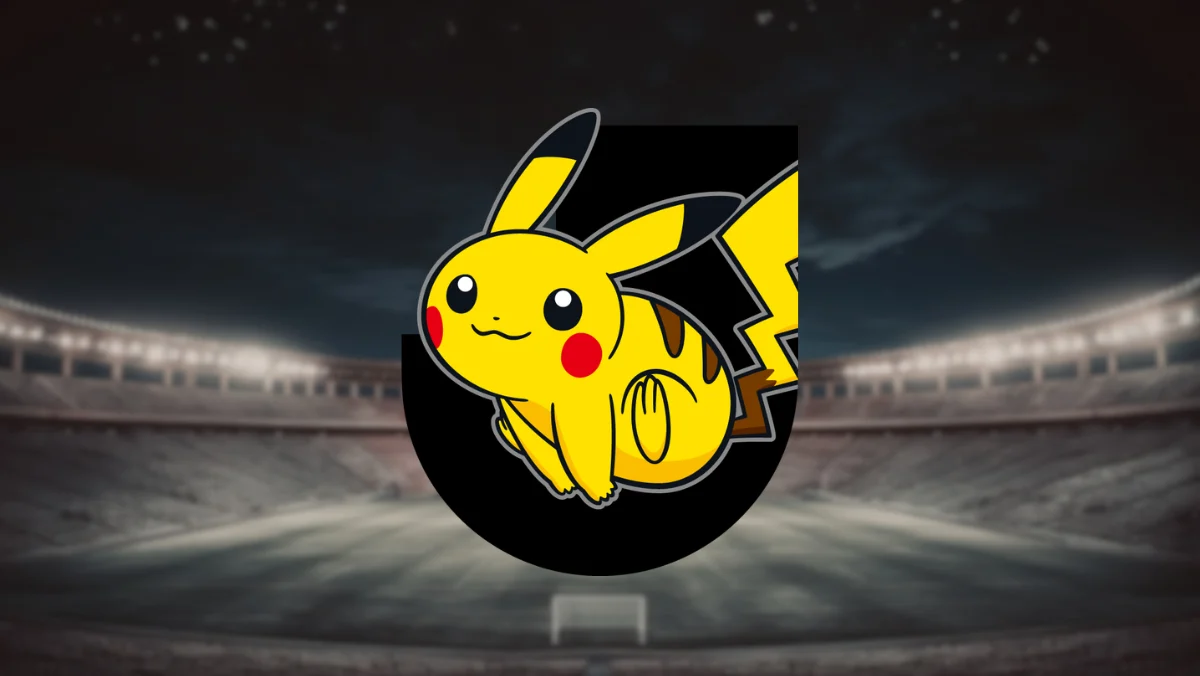
The centerpiece of this collaboration is the integration of Pokémon into the identity of every professional club in the J. League. These associations are not arbitrary; they are meticulously curated based on team colors, geographic locations, and existing animal mascots. For instance, teams with bird-themed branding have been paired with Flying-type Pokémon, while clubs known for their aggressive, defensive styles have been matched with Ground or Steel-type counterparts. The branding overhaul is so comprehensive that the J. League has even updated its official logo to feature Pikachu, the franchise’s global mascot, signaling a permanent, albeit playful, shift in the league’s public-facing identity.
A Chronology of the Collab
The path to this collaboration began in the shadow of the 2026 World Cup preparation. As Japan’s national team geared up for their campaign, executives at the J. League sought a way to sustain the momentum created by the World Cup among younger demographics and casual fans.
- Early 2026: Initial discussions between the Pokémon Company and the J. League commence, exploring ways to leverage the upcoming tournament hype.
- June 2026: The World Cup begins, featuring a massive expansion to 48 teams. The global spectacle draws record-breaking interest in Japan.
- Late June 2026: The official partnership is announced, featuring a digital showcase of all 60 club-Pokémon pairings.
- July 2026: Promotional distribution of merchandise begins, starting with a campaign for one million limited-edition, team-specific tote bags.
- August 2026: The J. League season is scheduled to kick off, with the Pokémon-themed branding expected to be a permanent fixture throughout the stadiums and digital broadcasts.
The World Cup Context: Supporting Data
The 2026 World Cup is statistically the largest in history. By expanding to 48 teams, FIFA has increased the tournament’s scale by 16 teams compared to the 2022 iteration. This massive influx of matches has led to a seismic shift in global viewership metrics.
The data confirms that this is not just another tournament; it is a cultural phenomenon. In the United States alone, the group stage match between the U.S. and Paraguay drew a staggering 18 million viewers, a record-breaking figure that highlights the surging popularity of the sport. While Japan’s national team ultimately exited the tournament following a hard-fought loss to Brazil, the interest in football remains at an all-time high.
The Pokémon collaboration is designed to capitalize on this "post-tournament drift." By maintaining the excitement of the World Cup season, the J. League hopes to convert the temporary interest of casual viewers into long-term domestic fandom. The distribution of one million tote bags—each featuring the team’s designated Pokémon and signature club colors—serves as a tangible bridge between the global spectacle of the World Cup and the local, weekly engagement of the J. League.
Official Responses and Strategic Intent
Representatives from both the J. League and the Pokémon Company have characterized the collaboration as a "strategic evolution of brand engagement."
"Football is about building a community, and Pokémon is about the journey of growth," stated a spokesperson for the J. League. "By pairing our clubs with these iconic creatures, we are allowing fans to see their team through a new, imaginative lens. The ‘Evolution’ campaign is not just about aesthetics; it is about bringing the spirit of the World Cup into our stadiums for the long haul."
From the Pokémon side, the partnership serves as a high-visibility platform to showcase the longevity of the franchise. By integrating into a professional sports league, the Pokémon brand transcends its origins as a video game/card game and cements itself as a pillar of Japanese cultural infrastructure. The "Goods Event" teaser currently hosted on the official J. League/Pokémon website suggests that this is merely the first phase of a multi-year strategy, with future plans rumored to include physical exhibitions, pop-up shops, and in-stadium interactive augmented reality experiences.
The Implications of the Partnership
The ramifications of this collaboration extend far beyond mere merchandise. It represents a shift in how sports organizations view "fan engagement" in the digital age.
1. Generational Bridge-Building
By utilizing Pokémon, the J. League is effectively targeting a multi-generational audience. Parents who grew up in the 90s playing Pokémon Red and Blue are now the demographic most likely to take their children to J. League matches. The collaborative branding provides a common language for these families, turning a Saturday afternoon match into a shared, interactive experience.
2. Branding and Intellectual Property
The J. League is proving that sports leagues can no longer afford to exist in a vacuum. In a competitive entertainment market, a football league must compete with Netflix, TikTok, and video games for the attention of the youth. By partnering with a global powerhouse like Pokémon, the J. League has effectively "gamified" its own season, making each team’s identity more distinct and marketable to an international audience that might otherwise ignore domestic Japanese football.
3. Economic Impact
The logistics of the merchandise rollout are significant. Distributing one million free, high-quality items is a massive capital investment that signals the league’s confidence in long-term revenue returns. This initiative isn’t just a cost center; it is a marketing masterstroke that turns every ticket-holder into a walking billboard for the league. As the season progresses, the secondary market value of these limited-edition bags is expected to climb, further driving interest and digital engagement on social media platforms.
4. The Future of Sports Marketing
If the J. League’s experiment succeeds, we can expect to see similar "crossover" events across other sports leagues. We are already seeing the early stages of this with the Spider-Man: Brand New Day teaser featuring Lionel Messi. The lines between professional sports and fictional universes are blurring. We may soon see a future where team mascots are joined by virtual avatars, or where stadium atmospheres are augmented by live, app-based interactions tied to popular media franchises.
Conclusion: The "Evolution" of the Pitch
As the world settles into the rhythm of the 2026 World Cup, the J. League is ensuring that the hype doesn’t dissipate once the final whistle blows on the international stage. By leaning into the "Evolution" of their league, they are demonstrating that sport is not just about the scoreline—it is about narrative, character, and connection.
Whether you are a die-hard football supporter or a long-time Pokémon trainer, the message from the J. League is clear: the game is changing. With the season set to kick off in August, all eyes will be on the stadiums to see how these 60 unique pairings manifest on the pitch. The Pokémon may not be able to score a goal, but they are undoubtedly helping the J. League win the hearts and minds of a new generation of fans. In the world of 2026, it seems that football and Pokémon are no longer just separate pastimes—they are two sides of the same, incredibly popular coin.