


TOKYO, Japan – May 28, 2026 – Capcom, a titan in the video game industry, is riding an unprecedented wave of success in 2026, spearheaded by a trio of critically acclaimed titles. Among them, the enigmatic new intellectual property, Pragmata, has emerged as a breakout hit, prompting immediate speculation about its future. While the game’s director has expressed a clear desire for a sequel, the path forward remains firmly in the hands of Capcom’s corporate decision-makers, a sentiment underscored by a notably cautious response from the company’s public relations team during a recent interview.
Pragmata‘s rapid commercial triumph, selling over two million copies within weeks of its early 2026 launch, has not only cemented its place as a formidable new franchise but also ignited a broader conversation within the industry about the viability of innovative, single-player experiences. This unexpected success story positions Pragmata as a potential bellwether for Capcom’s strategic direction and the wider gaming landscape.
Main Facts: A New Star Rises, A Sequel Beckons
Capcom’s year has been nothing short of spectacular. Following the acclaimed releases of Resident Evil Requiem and Monster Hunter Stories 3, the company introduced Pragmata, a brand-new IP that has captivated players and critics alike. This impressive lineup, with Onimusha: Way of the Sword still slated for later in the year, underscores Capcom’s robust creative output and market dominance.
Pragmata, distinct from its established brethren, represents a significant gamble that has paid off handsomely. Its success has naturally led to fervent discussions about a potential follow-up. In a recent interview with GamesRadar, Pragmata Director Yonghee Cho was unequivocal when asked about a sequel, stating, "Of course" he would want to see one. However, this enthusiasm was immediately tempered by a dose of corporate reality. Producer Naoto Oyama quickly added a caveat: "Please don’t take that line out of context." The interaction reportedly caused a stir among Capcom’s Japanese PR representatives, with GamesRadar’s Austin Wood noting that the reaction was akin to Cho having "dropped a live hand grenade in the room," highlighting the sensitive nature of such premature announcements.
The desire for a sequel is certainly well-founded from a commercial perspective. Capcom officially reported that Pragmata sold a remarkable one million copies in just two days post-launch, a figure that soared to over two million within a couple of weeks. These impressive sales figures for a completely new franchise speak volumes about the game’s appeal and market penetration, laying a strong foundation for future installments.
Chronology: From Enigma to Enduring Appeal
Pragmata‘s journey to critical and commercial acclaim has been a winding one, marked by intriguing mysteries and a prolonged development cycle that only heightened anticipation.
A Mysterious Reveal
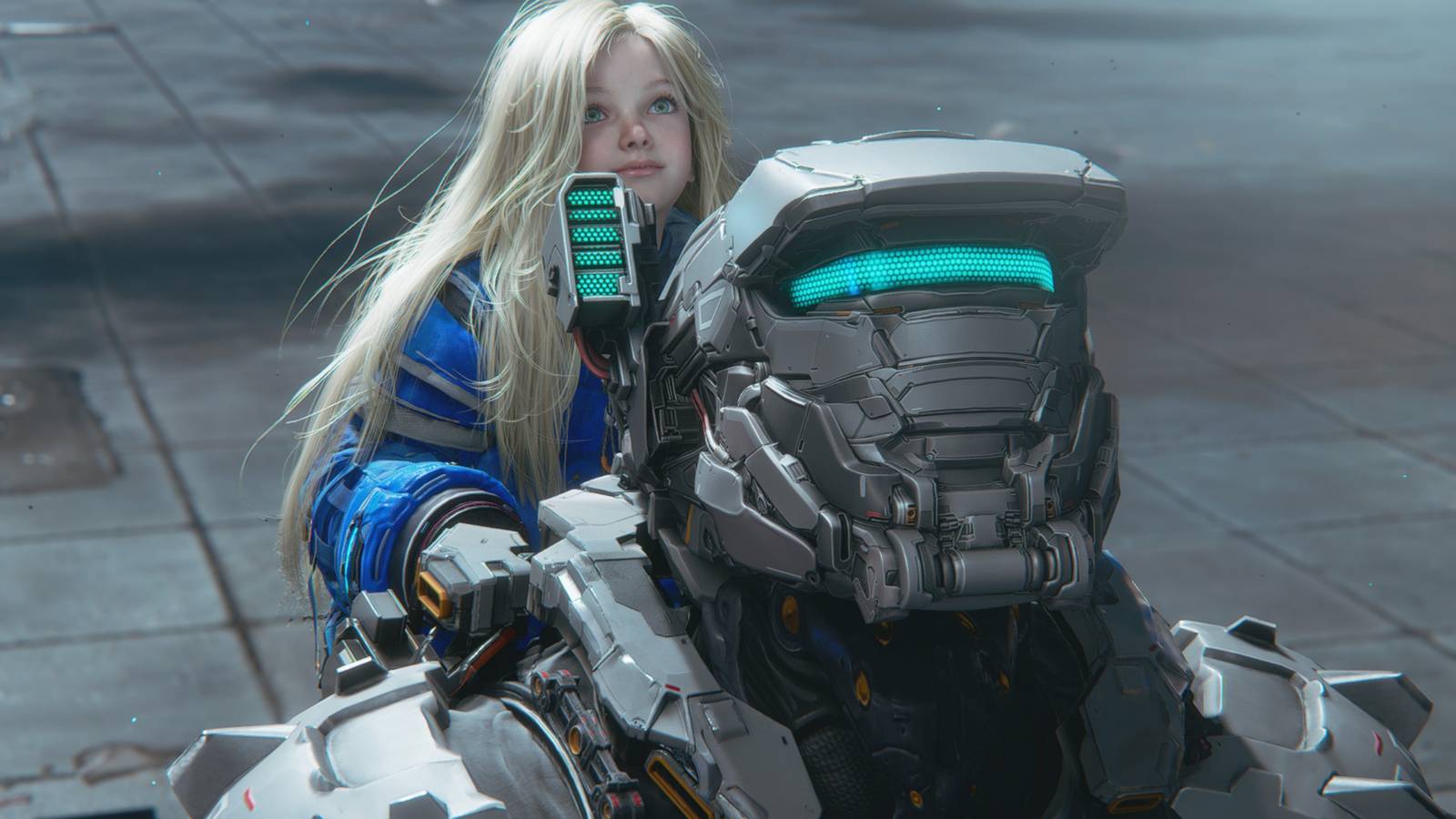
The world first caught a glimpse of Pragmata during the digital-only E3 2020, a reveal that immediately set it apart. With its haunting visuals, astronaut protagonist Hugh, and the enigmatic young girl Diana navigating a desolate, lunar-esque landscape, the game presented a stark, sci-fi vision unlike anything else in Capcom’s portfolio. Initial trailers showcased a blend of atmospheric exploration, puzzling environmental interactions, and combat against surreal entities, all wrapped in a narrative shroud that begged more questions than it answered. Originally slated for a 2022 release, the game underwent multiple delays, pushing its launch into early 2026. These delays, while frustrating for eager fans, were consistently framed by Capcom as necessary to ensure the game met its ambitious creative vision, allowing the development team, described as largely composed of younger talent, to fully realize their experimental project.
Launch and Critical Reception
When Pragmata finally arrived in early 2026, it did so to significant fanfare and critical praise. Reviews lauded its innovative gameplay mechanics, which reportedly fused third-person shooting with unique environmental manipulation abilities granted by Diana’s mysterious powers. Critics highlighted its deeply engaging narrative, exploring themes of humanity, identity, and survival in a post-apocalyptic, off-world setting. The game’s distinct art direction and a captivating score were frequently cited as major strengths, contributing to an immersive and unforgettable experience. Polygon’s own review, like many others, praised Pragmata for its bold artistic vision and willingness to deviate from established genre tropes, securing its place as a standout title in Capcom’s impressive 2026 roster. The game’s success wasn’t just about technical prowess; it was about its ability to tell a compelling, emotionally resonant story within an entirely fresh universe.
The Post-Launch Interview
The GamesRadar interview, conducted shortly after Pragmata‘s release, provided the first public peek into the minds behind the game’s creation and their aspirations. Director Yonghee Cho’s candid admission of wanting a sequel, while unsurprising for a creator deeply invested in his work, quickly became the headline. His statement, "Of course I’d want to see a sequel, but it’s not really a unilateral decision to make," perfectly encapsulated the tension between artistic ambition and corporate strategy. Producer Naoto Oyama’s immediate follow-up, "Please don’t take that line out of context," and the subsequent visible discomfort from the Capcom PR team, underscored the delicate balance that publishers maintain when discussing future projects, especially for new IPs that require significant investment and strategic planning. This moment, though brief, offered a rare glimpse into the internal dynamics of game development and publishing.
Supporting Data: Sales, Strategy, and Industry Context
Pragmata‘s commercial performance and the buzz around its future are not isolated incidents but rather reflective of broader trends and Capcom’s shrewd business strategy.
A Commercial Triumph
The speed at which Pragmata achieved its sales milestones is truly remarkable for a new intellectual property. One million units sold in two days and two million within weeks places it among Capcom’s fastest-selling new franchises. To put this into perspective, even established Capcom series often take longer to reach such numbers, showcasing Pragmata‘s immediate and widespread appeal. This rapid uptake suggests strong word-of-mouth, effective marketing, and a hunger among players for fresh, high-quality experiences. These figures are not just numbers; they represent millions of players immersing themselves in a new universe, building a loyal fanbase crucial for any burgeoning franchise. The financial success validates Capcom’s investment in an experimental project and provides compelling evidence for greenlighting further development.
Capcom’s Recent Resurgence
Capcom has been on an upward trajectory for several years, largely thanks to its strategy of revitalizing beloved franchises like Resident Evil and Monster Hunter while also cautiously investing in new ideas. The consistent delivery of high-quality titles has rebuilt immense goodwill with players and investors alike. Resident Evil Requiem and Monster Hunter Stories 3 exemplify the continued strength of its core IPs, but Pragmata‘s success signals a new dimension to this strategy. It demonstrates that Capcom is not content to rest on its laurels but is actively cultivating new talent and fostering an environment where innovative concepts can flourish. This balance between leveraging established brand power and nurturing new ventures is a hallmark of a healthy, forward-thinking publisher. Pragmata serves as a powerful testament to the effectiveness of this dual approach.
The "Smaller Scale" Debate
Pragmata‘s success has also fueled a significant industry discussion, as highlighted by Polygon’s Ari Notis in April 2026. Notis argued that the game’s performance, alongside "the biggest game of 2025," a "single-player turn-based RPG about French 30-somethings killing god," suggests a burgeoning trend: major studios embracing "smaller-scale games." These are titles that, while still high-quality, might not demand the six-year development cycles and astronomical budgets exceeding $200 million often associated with AAA blockbusters.
The economic realities of modern game development are increasingly challenging. Production costs are spiraling, and the risks associated with massive, open-world, live-service titles are immense. A single flop can have devastating consequences for a studio. In this context, games like Pragmata, developed by a "team of younger Capcom developers" as an "experimental project," represent a more agile and potentially sustainable model. They allow for creative freedom and innovation without the crushing financial pressure of a "mega-game." The market appears to be responding positively to these more focused, often single-player, experiences that prioritize narrative and unique mechanics over sheer scale. The critical and commercial success of Pragmata could indeed mark the beginning of a larger industry pivot, demonstrating that compelling gameplay and innovative storytelling can triumph without necessarily breaking the bank. It offers a counter-narrative to the prevailing wisdom that only ever-larger, ever-more-expensive games can capture mainstream attention.
Official Responses: Navigating Corporate Waters
The enthusiastic yet cautious responses from Pragmata‘s creative leads, coupled with the immediate intervention from Capcom’s PR team, offer a fascinating glimpse into the corporate decision-making process surrounding successful new IPs.
Director’s Ambition vs. Corporate Reality
Yonghee Cho’s desire for a sequel is a natural extension of his creative investment in Pragmata. For a director, seeing a new world and its characters resonate with millions of players often ignites a passion to expand that universe. However, as Cho himself acknowledged, the decision is far from "unilateral." While the creative vision is paramount, the reality of game development in a major corporation involves intricate financial planning, resource allocation, and strategic market positioning. A sequel to Pragmata would require a dedicated development team, significant budget, and a clear roadmap for its narrative and gameplay evolution. These are decisions made at the highest echelons of Capcom, weighing numerous factors beyond just the director’s passion.
Producer’s Caution
Naoto Oyama’s immediate request to "Please don’t take that line out of context" was a crucial intervention. Producers often act as a bridge between the creative team and the business side, understanding the need to manage expectations and avoid premature commitments. Publicly discussing a sequel too early can create undue pressure, set unrealistic timelines, and potentially lead to disappointment if plans change. The visible reaction from Capcom’s PR team further amplified this sentiment. PR departments are tasked with carefully crafting public messaging, protecting brand image, and ensuring that any announcements are made through official channels at strategically chosen times. A director’s off-the-cuff remark, however heartfelt, can inadvertently disrupt these meticulously planned communications. This incident underscores the careful tightrope walk that developers and publishers must perform when discussing future projects.
Capcom’s Silence (and its Meaning)
As of late May 2026, "top brass at the company have yet to comment on the prospect of a Pragmata sequel." This silence, while frustrating for eager fans, is entirely customary. Major publishers rarely greenlight or announce sequels immediately after a game’s launch, even for wildly successful titles. A comprehensive evaluation period is necessary. This includes:

- Detailed Sales Analysis: Beyond initial figures, Capcom will scrutinize long-term sales trends, digital vs. physical distribution, regional performance, and demographic data.
- Player Engagement Metrics: Understanding how long players engage with the game, their satisfaction levels, and community feedback is vital for shaping a potential sequel.
- Resource Assessment: Identifying available development teams, technologies, and budget allocations for a project of Pragmata‘s scale.
- Market Timing: Assessing the competitive landscape and optimal release window to maximize a sequel’s impact.
- Creative Vision Expansion: Ensuring there’s a compelling and sustainable creative direction for a follow-up that builds upon the original’s strengths without becoming repetitive.
Capcom’s strategic silence, therefore, is not an indication of disinterest but rather a period of careful deliberation, ensuring that any future announcements are backed by sound business logic and a clear path to continued success.
Implications: The Future of Pragmata and the Industry
Pragmata‘s unexpected triumph carries significant implications, not only for its own future but for Capcom’s broader strategy and the trajectory of the video game industry itself.
Future of New IPs at Capcom
The overwhelming success of Pragmata provides a powerful incentive for Capcom to continue investing in new intellectual properties. It demonstrates that with the right creative vision, a talented development team (even a younger, more experimental one), and effective execution, a fresh concept can capture the market’s imagination and generate substantial revenue. This could encourage Capcom to greenlight more experimental projects, empowering its diverse development studios to explore novel ideas beyond its established franchises. Such a strategy would not only diversify Capcom’s portfolio but also foster innovation within the company, potentially leading to the creation of future classic IPs.
The Single-Player Renaissance
Pragmata‘s strong performance, alongside other notable single-player hits, reinforces the growing sentiment of a "single-player renaissance." In an era often dominated by live-service games, battle passes, and endless multiplayer modes, there is a clear and persistent demand for rich, self-contained, narrative-driven experiences. Players are increasingly valuing carefully crafted stories, immersive worlds, and innovative gameplay mechanics that don’t require perpetual engagement or additional microtransactions. Pragmata serves as a compelling case study that major studios can indeed thrive by focusing on the artistic and experiential qualities of single-player games, offering a refreshing alternative to the service-oriented model.
Investor Confidence and Brand Value
The commercial success and critical acclaim of Pragmata undoubtedly boost investor confidence in Capcom. It signals the company’s ability to innovate and expand its market reach beyond its core franchises, demonstrating creative vitality and strategic foresight. This strengthens Capcom’s brand value, portraying it as a dynamic and adaptive publisher capable of delivering diverse, high-quality entertainment. Such a reputation is invaluable in attracting top talent, securing favorable partnerships, and maintaining a strong market position.
The Road Ahead for Pragmata
While an official announcement remains pending, the groundwork for a Pragmata sequel is undoubtedly being laid. Internally, concept discussions are likely underway, exploring potential narrative arcs, gameplay enhancements, and technological advancements. Given the original game’s experimental nature and its development by a younger team, a sequel might continue to push boundaries, evolving its unique mechanics and expanding its captivating lore. Fans will eagerly await any official word, but the precedent set by Pragmata‘s initial success makes a follow-up seem not just probable, but almost inevitable. The question is not if but when Capcom will officially confirm the continuation of Hugh and Diana’s otherworldly journey.
In conclusion, Pragmata stands as a monumental achievement for Capcom, not merely as another hit game, but as a testament to the power of innovation and the enduring appeal of compelling single-player experiences. While the corporate machinery grinds slowly, the resounding success and the creative team’s evident passion strongly suggest that the universe of Pragmata is far from finished. The industry watches with keen interest, eager to see how this new star will continue to shape Capcom’s future and perhaps, the future of gaming itself.











No comments yet. Be the first to join the conversation!