Siti Muinah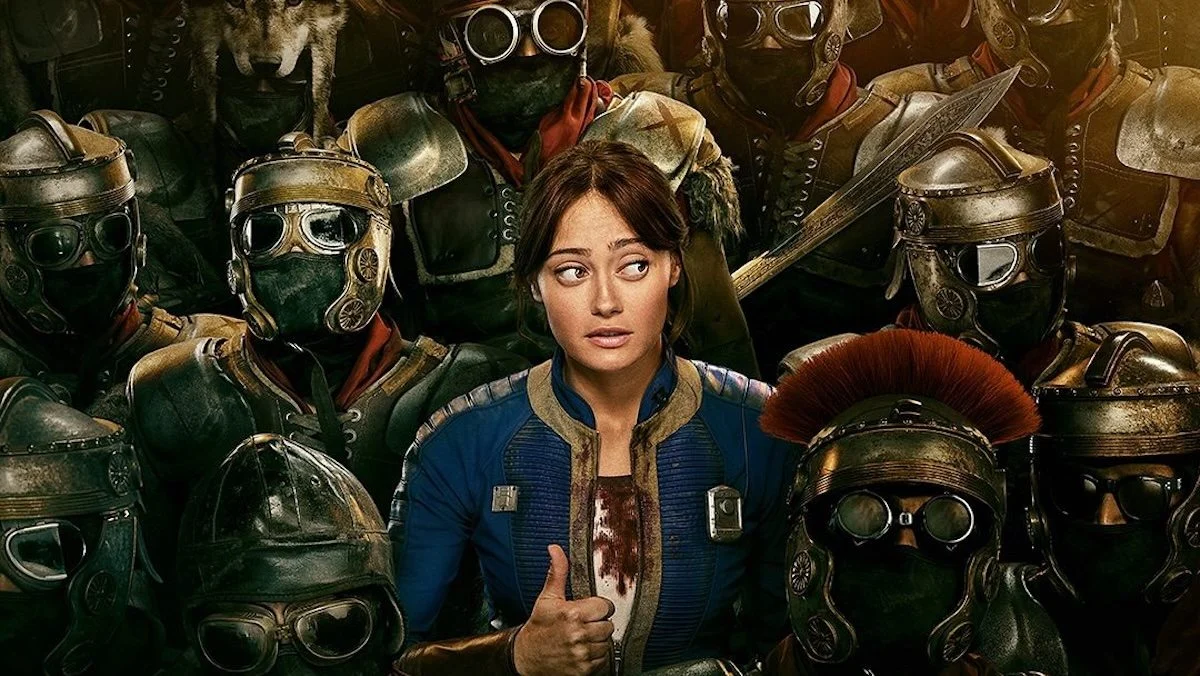
As we cross the threshold into the second half of 2026, the television landscape has proven itself to be more dynamic, experimental, and robust than many industry analysts initially projected. From the resurgence of high-concept genre fiction to the evolution of long-running animated juggernauts, the current slate of programming reflects a medium in the midst of a creative renaissance. At Nerdist, we have closely monitored the output of the major streaming platforms, and after careful deliberation, we have curated a list of the most essential viewing experiences of the year thus far.
The State of the Industry: Mid-Year Overview
The first six months of 2026 have been defined by a "quality-over-quantity" shift among major streamers. Following the saturated market conditions of the early 2020s, platforms like Apple TV+, Prime Video, and HBO Max have pivoted toward strategic franchise building and high-polish original IPs. This period has seen a notable increase in the hybridization of genres—most prominently in the successful marriage of horror and comedy—as well as a continued reliance on expansive literary and gaming source material to anchor subscriber retention.

Chronology of Excellence: The Standout Series of 2026
Widow’s Bay (Apple TV+)
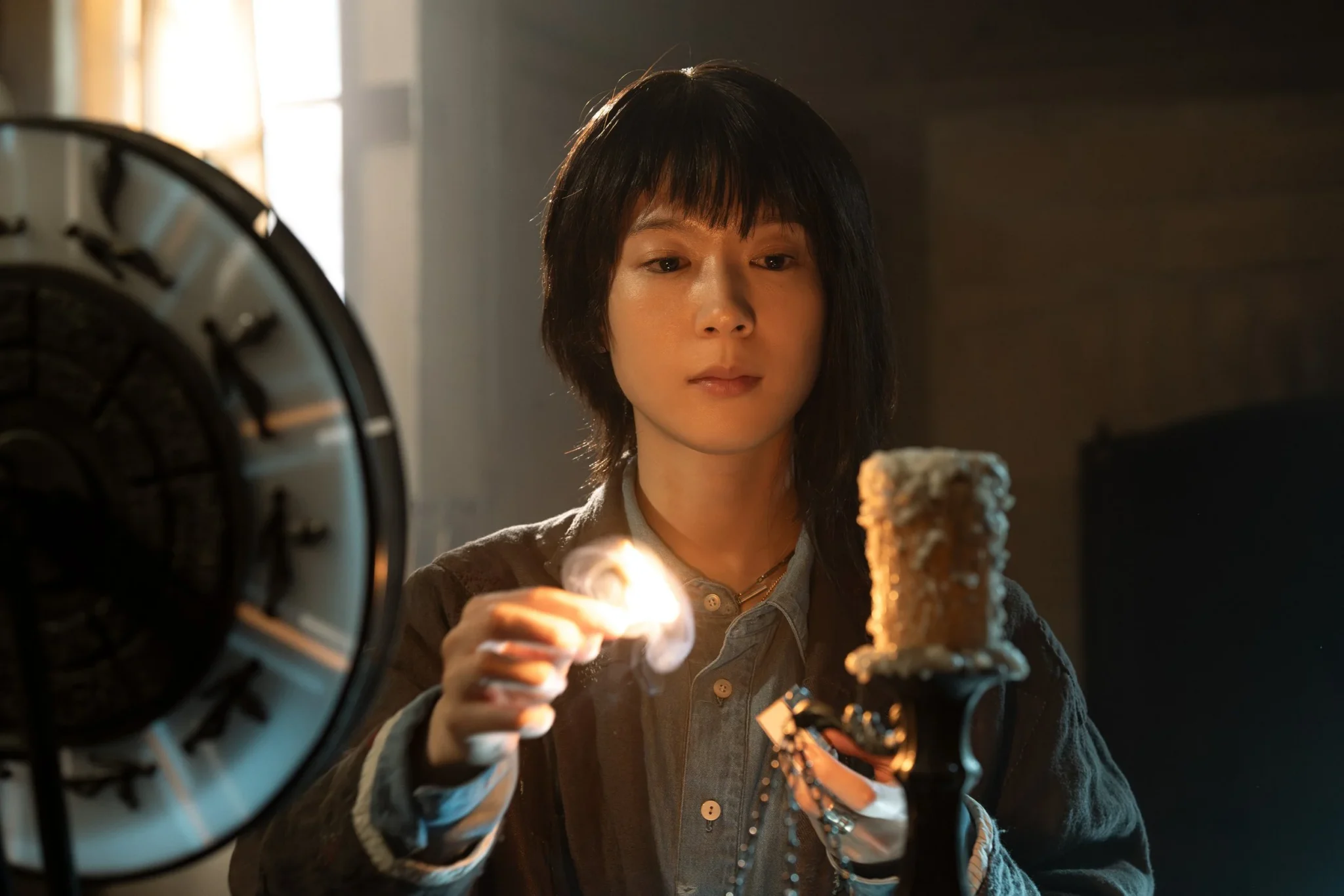
Debuting in April, Widow’s Bay emerged as the year’s most unexpected triumph. Set on a remote island off the East Coast, the series masterfully blends the mundane frustrations of local politics with the chilling atmosphere of folk horror. Matthew Rhys delivers a career-defining performance as the town mayor, a man desperate to boost tourism who finds himself forced to confront the dark, supernatural history of his constituency. By juxtaposing laugh-out-loud comedy with genuinely grotesque creature design, the show has defied the typical constraints of its genre, earning widespread critical acclaim and a swift renewal for a second season.
Invincible (Season 4 – Prime Video)
Returning to the screen with renewed intensity, Invincible solidified its status as the "geeky crown jewel" of adult animation. The fourth season continued the narrative trajectory of Mark Grayson, exploring the crushing weight of morality and the fractured relationship between father and son. Beyond the visceral, blood-soaked combat sequences that have become the show’s signature, Season 4 excelled in its quiet, character-driven moments. Following a renewal announcement on June 24, it is clear that Prime Video is committed to the long game, with seasons five and six already in active development.

A Knight of the Seven Kingdoms (HBO)
George R. R. Martin’s presence in the television space remains as dominant as ever. This adaptation of The Hedge Knight novella provided a breath of fresh air for Game of Thrones fans, shifting the lens from the macro-politics of the Iron Throne to the intimate, wandering journey of Dunk and Egg. Director Owen Harris brought a distinct, whimsical aesthetic to the series, which stood in stark contrast to the grim tension of House of the Dragon. With a tight, six-episode structure and a "road movie" approach teased for the upcoming second season, the show has successfully proven that the Westeros universe has plenty of room for smaller, character-focused stories.
The Boys (Season 5 – Prime Video)
The conclusion of The Boys marked a significant cultural moment in 2026. As a biting satire of contemporary political and social structures disguised as a superhero spectacle, the series reached its zenith this year. By bringing the long-standing conflict between the ragtag revolutionaries and the Vought-backed "supes" to a definitive close, the final season managed to provide satisfying resolutions to years of narrative threads. It stands as a testament to the power of serialized television when it maintains a consistent, unwavering vision.

One Piece (Season 22 – Toei Animation)
The sheer endurance of One Piece remains a marvel of modern media. Season 22, which adapted the sprawling "Elbaph" story arc, proved that even after over 1,100 episodes, the series can still find new ways to innovate. The shift to a more deliberate release schedule—capping production at 26 episodes annually—has allowed for higher production values and a tighter focus on the source material. As fans look forward to the live-action The One Piece project from Netflix in 2027, the original anime continues to be the gold standard for long-form storytelling.
Wonder Man (Marvel Studios)
Marvel’s Wonder Man offered a refreshing subversion of the typical MCU formula. By focusing on Simon Williams—a D-list hero turned Hollywood star—the series leaned into the absurdity of the Marvel universe rather than its cosmic stakes. The inclusion of niche characters and the exploration of the "behind-the-scenes" life of a hero provided a much-needed tonal shift for the studio. Its renewal for a second season confirms that audiences are hungry for smaller, character-centric stories within the broader Marvel framework.

Star Wars: Maul – Shadow Lord (Lucasfilm)
Darth Maul, perhaps the most resilient antagonist in the Star Wars canon, took center stage in this mature animated series. Set in the immediate aftermath of the Clone Wars, Maul – Shadow Lord offers a deep, psychological look at a character defined by his inability to let go of hate. Creator Dave Filoni’s focus on the character’s "relatability" through his failures and his desperate, flawed pursuit of power has struck a chord with the fanbase. The early renewal for a second season suggests that Lucasfilm has found a successful formula for mid-era Star Wars storytelling.
The Vampire Lestat (AMC)
Building on the success of Interview With the Vampire, this new series has further cemented the Anne Rice franchise as a cornerstone of prestige television. The decision to lean into the musical elements of the source material was a bold, inspired choice that has captivated audiences. Furthermore, the show’s commitment to exploring the queer subtext of the original novels as an overt, essential part of the narrative has been met with universal praise, proving that legacy adaptations can thrive by being honest about their origins.

The Pitt (Season 2 – HBO Max)
In the crowded field of medical dramas, The Pitt has distinguished itself through its unflinching realism. By tackling contemporary issues—from the complexities of ICE detainment to the systemic failures of the healthcare system—the series has garnered a reputation as a "darker, more urgent" version of the genre. Noah Wyle’s portrayal of Dr. Robinavitch anchors the series, providing a human heart to the often-harrowing depictions of emergency medicine. A third season is already on the horizon for 2027.
Fallout (Season 2 – Prime Video)
Following its massive 2024 debut, Fallout returned this year to expand its apocalyptic scope. Season 2 successfully bridged the gap between the surface-level survival stories and the deeper, corporate-controlled mysteries of the Vault-Tec experiments. The series has become a pillar of Prime Video’s sci-fi offerings, and with a reality-competition spin-off, Fallout Shelter, currently in the works, the franchise is clearly being positioned for long-term expansion across multiple formats.

Supporting Data: Consumption Trends
The success of these shows can be attributed to several emerging trends in viewer behavior. According to industry metrics, viewers are increasingly gravitating toward:
- The "Event" Model: Series that drop with high production values and clear, finite narrative arcs.
- Literary Fidelity: Adaptations that remain respectful to the core themes of their source material (e.g., The Vampire Lestat and A Knight of the Seven Kingdoms).
- The "Dark" Pivot: A distinct preference for grittier, more realistic takes on established genres, as seen in the popularity of The Pitt and The Boys.
Official Responses and Industry Implications
The rapid renewal of nearly every show on this list highlights a critical shift in how streamers approach "success." Platforms are no longer waiting for entire seasons to conclude before greenlighting follow-ups. Instead, they are utilizing real-time data to secure talent and production schedules early.

"We are seeing a move toward sustainable growth," says one industry analyst. "By renewing shows like Invincible for two seasons at once or The Pitt for a third season before the current one ends, platforms are creating a sense of stability that encourages long-term subscriber loyalty."
Looking Ahead: The Future of 2026
As we look toward the remainder of the year, the anticipation for upcoming projects is palpable. The Legally Blonde prequel Elle and the highly awaited Lanterns series represent a continued focus on expanding existing intellectual properties with fresh, visionary creative teams.

The television industry of 2026 is one that rewards bold risks and careful, character-focused storytelling. Whether through the lens of a whimsical knight in Westeros or the eyes of a struggling doctor in Pittsburgh, the stories being told this year are complex, challenging, and, above all, essential viewing. As the year continues to unfold, one thing remains certain: the golden age of television is far from over—it is simply evolving.

 Azzam Bilal Chamdy