Asep Darmawan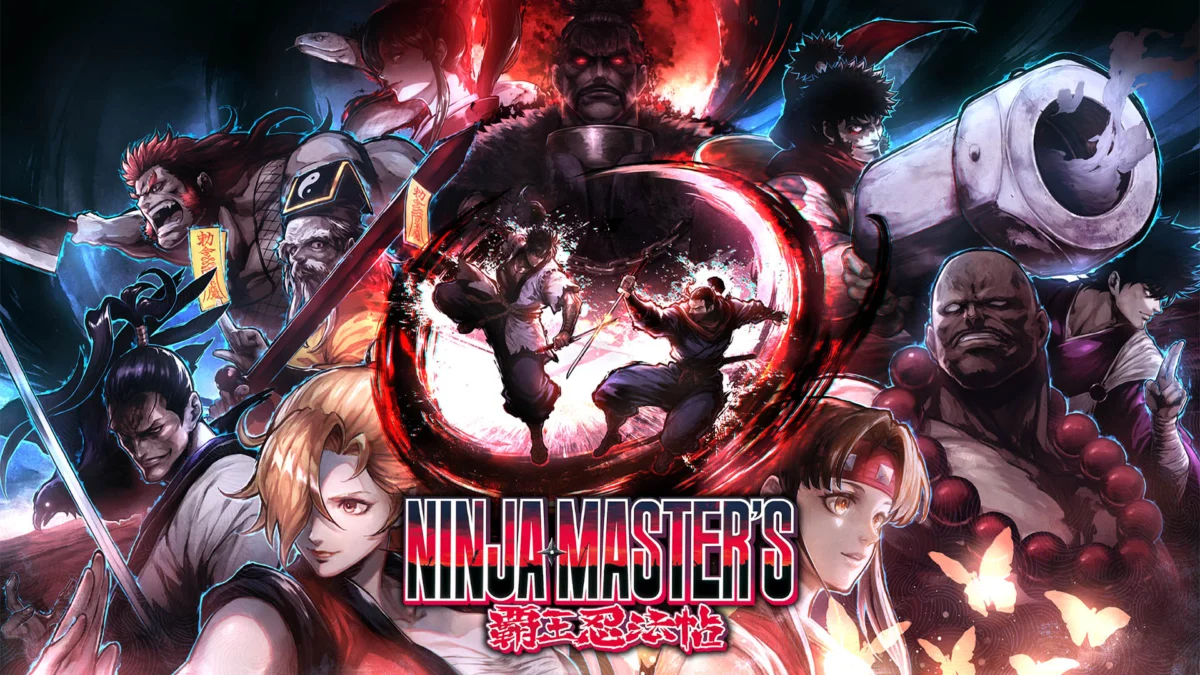
In a move that has sent waves of excitement through the retro fighting game community, SNK Corporation has officially announced a high-fidelity, feature-rich re-release of the 1996 arcade cult classic, Ninja Masters: The Scroll of the Ninja Emperor. Originally developed by ADK for the legendary Neo Geo platform, this feudal fantasy fighter is slated to make its way to Windows PC via Steam, bringing with it a suite of modern quality-of-life enhancements that promise to revitalize the title for a new generation of competitive players.
While previous iterations of the game—most notably those handled by Hamster Corporation under the "ACA NEOGEO" banner—focused on providing a direct, pixel-perfect emulation of the arcade experience, this new standalone Steam release represents a significant departure. By integrating modern networking standards and robust training tools, SNK is positioning Ninja Masters as more than just a nostalgic curiosity; it is being treated as a legitimate contender in the modern competitive landscape.
Main Facts: A Modern Facelift for a 90s Icon
Ninja Masters: The Scroll of the Ninja Emperor first debuted in 1996, standing out in an era dominated by Street Fighter and The King of Fighters due to its unique weapon-based combat system. Players could swap between armed and unarmed combat states on the fly, creating a high-speed, tactical flow that remains distinct even by today’s standards.
The upcoming Steam version aims to bridge the gap between 90s arcade sensibilities and contemporary expectations. The most pivotal addition is the implementation of rollback netcode. In the modern fighting game community (FGC), rollback is considered the gold standard for online play, as it masks latency by predicting player inputs, ensuring that matches feel responsive regardless of geographic distance.
Beyond the netcode, the package includes:
- 9-Player Lobbies: Allowing for tournament-style setups and community hangouts.
- Robust Practice Mode: Complete with speed adjustments, combo training tools, and dummy recording functions.
- Gallery Mode: A treasure trove of rare concept art, character designs, and historical documentation.
- Competitive Tournament Support: Dedicated modes for single-elimination, double-elimination, and round-robin brackets.
- Steam Integration: Including achievements with unique icons and cloud-based features.
Chronology: From Zipangu to the Digital Era
The history of Ninja Masters is inextricably linked to the rise and fall of ADK, a studio that was a vital partner to SNK during the Neo Geo’s golden age.
The Arcades (1996)
Released during the twilight years of the 2D fighting game boom, Ninja Masters was a visually stunning title. Set in "Zipangu," a fictionalized version of feudal Japan trapped in a 300-year cycle of civil war, the game offered a darker, more serious tone compared to the colorful, over-the-top antics of other fighters of the time. It featured a roster of 12 distinct warriors, each struggling against the backdrop of the tyrant Nobunaga’s reign.
The ACA NEOGEO Era
For years, the only legal way to access the game on modern hardware was through Hamster’s ACA NEOGEO series. These releases were beloved for their authenticity but remained confined to the original arcade ROMs. They lacked modern online play and training suites, relegating the game to a "play-as-is" experience that was difficult for competitive players to practice or stream effectively.
The Modern Announcement (2026)
Following months of speculation, SNK confirmed the standalone Steam port. This shift marks a change in strategy for SNK, which has increasingly focused on reviving its deep back catalog with "community-first" features rather than simple emulation. By prioritizing rollback netcode and tournament infrastructure, the company is signaling that it views Ninja Masters as a living title, not just a historical artifact.
Supporting Data: The Mechanics of Combat
At the heart of Ninja Masters lies a complex system that rewards technical mastery. The game’s defining feature—the ability to switch between armed and unarmed states—was revolutionary for its time.
When a character is armed, their reach and damage output increase, but they become more susceptible to being disarmed or countered. Unarmed combat, while shorter in range, offers different combo potential and mobility options. This "dual-stance" mechanic forces players to adapt constantly, making the game a high-stakes chess match of spacing and conditioning.

The roster of 12 characters—including iconic figures like the destiny-burdened Sasuke, his rival Kamui, the elegant kunoichi Kasumi, and the martial artist Natsume—each possess unique styles that cater to various playstyles. Whether a player prefers the defensive zoning of a weapon-wielding swordsman or the aggressive, high-pressure combos of an unarmed brawler, the game offers a level of mechanical depth that is arguably deeper than many of its contemporaries.
The inclusion of a fully realized Practice Mode is a critical addition. In the 90s, players learned the game through trial and error in arcades. Now, with frame-data awareness and speed-toggle tools, the barrier to entry for high-level play has been significantly lowered, allowing the community to lab out complex sequences and discover new tech that went unnoticed for decades.
Official Responses and Developer Intent
SNK’s public messaging regarding this release has been laser-focused on the concept of "preservation meets progression." In their official statement, the development team emphasized that while the game’s core identity—its sprites, its music, and its "arcade feel"—must remain untouched, the surrounding environment must evolve to meet the needs of a global, online-connected player base.
"We wanted to ensure that players could experience Ninja Masters exactly as it was intended in 1996, but with the competitive stability that modern players demand," an SNK spokesperson noted. "By adding rollback netcode, we aren’t just letting people play the game; we are letting them compete on a global stage."
The inclusion of the Gallery Mode is another point of pride for the developers. Recognizing the passionate fanbase that has kept the title alive via unofficial emulators and community forums, the team curated materials that offer insight into the artistic process of the original ADK staff. This move is seen as an olive branch to the most dedicated fans who have been requesting a modern, definitive edition of the title for years.
Implications: What This Means for the FGC
The re-release of Ninja Masters has several implications for the broader fighting game industry.
1. The "Retro-Revival" Strategy
SNK has successfully demonstrated that there is a viable business model in taking "forgotten" titles and giving them the "Rollback treatment." As the cost of developing new, high-fidelity 3D fighting games skyrockets, utilizing existing, high-quality 2D assets from the Neo Geo era allows for lower-risk projects that still satisfy a significant segment of the market.
2. Community Longevity
By providing 9-player lobbies and tournament-grade networking, SNK is essentially handing the keys of the game over to the community. This encourages the formation of discord servers, local leagues, and online tournaments. Unlike static releases that lose their luster after a few weeks, these features ensure that Ninja Masters could remain a staple at tournaments like EVO or smaller, niche community events for years to come.
3. Historical Preservation
The video game industry has historically struggled with preservation. Many titles from the 90s are effectively lost to time, trapped on proprietary arcade hardware. By releasing these games on Steam with modern infrastructure, SNK is acting as a curator of its own history. This sets a precedent for other legacy publishers to follow, suggesting that the "modern re-release" could be the most effective method for ensuring that classic gameplay remains accessible to future generations.
Conclusion: A Legend Reborn
Ninja Masters: The Scroll of the Ninja Emperor is poised to make a massive splash upon its eventual release on Steam. By respecting the legacy of ADK’s original vision while equipping it with the necessary tools for modern competition, SNK has crafted a release that appeals to both the aging arcade veteran and the younger generation of FGC competitors.
As players prepare to return to the war-torn realm of Zipangu, one thing is clear: the sword-swinging action of the 90s has never felt more current. Whether you are looking to master the intricacies of stance-switching or simply want to appreciate the masterclass in sprite art that the title offers, Ninja Masters stands as a testament to the idea that true quality is timeless. Stay tuned for further updates regarding the official release date, as the world prepares to carve its legend once more.


 Asro
Asro
 Muslim