

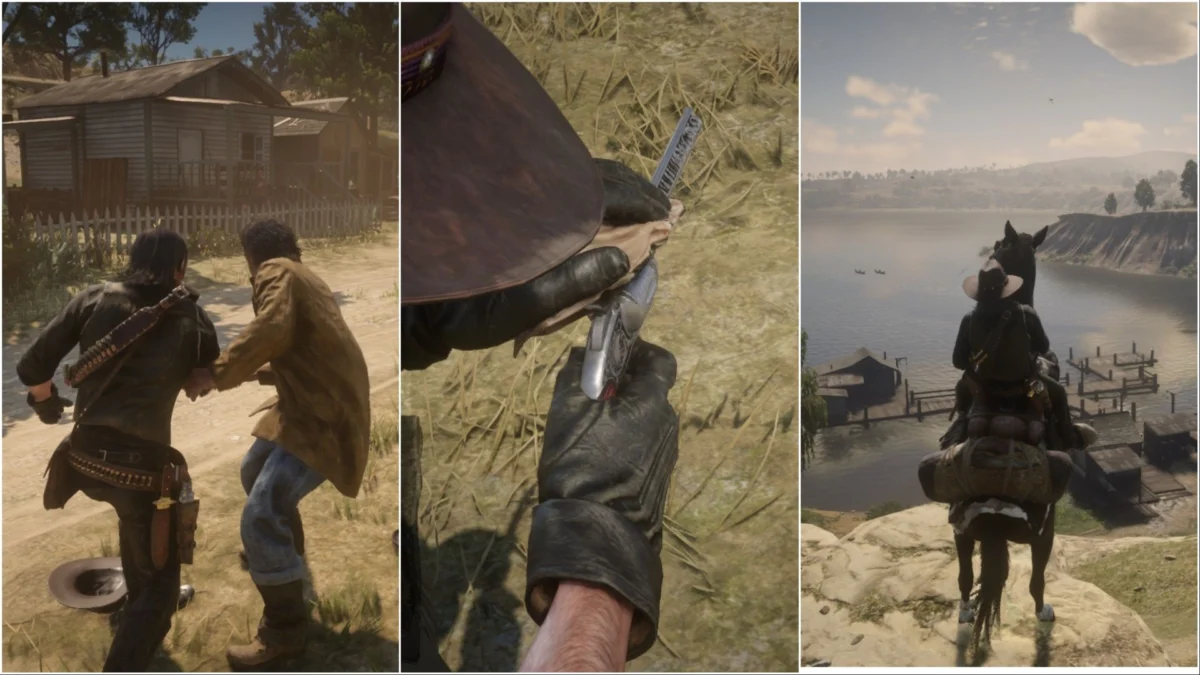
Rockstar Games’ Western epic, Red Dead Redemption 2, continues to be lauded by players as one of the most compelling and immersive gaming experiences available. With its sprawling open world, deeply engaging narrative, and meticulously crafted details, the game offers well over 100 hours of content for those eager to uncover its every secret. However, in the rapidly evolving landscape of contemporary gaming, certain design choices that were once groundbreaking or simply accepted now present potential hurdles for newer generations of players accustomed to different gameplay loops and expectations.
Released in October 2018, Red Dead Redemption 2 was a titan of its time, a testament to Rockstar’s unparalleled ability to craft living, breathing worlds. Its focus on a rich, single-player narrative, however, has led to a game that, while artistically brilliant, might inadvertently alienate players who have grown accustomed to the instant gratification and streamlined mechanics prevalent in today’s blockbuster titles. This isn’t to say the game is unplayable for a younger audience, but rather that it possesses elements that may feel antiquated or even tiresome compared to the gaming conventions they’ve come to expect.
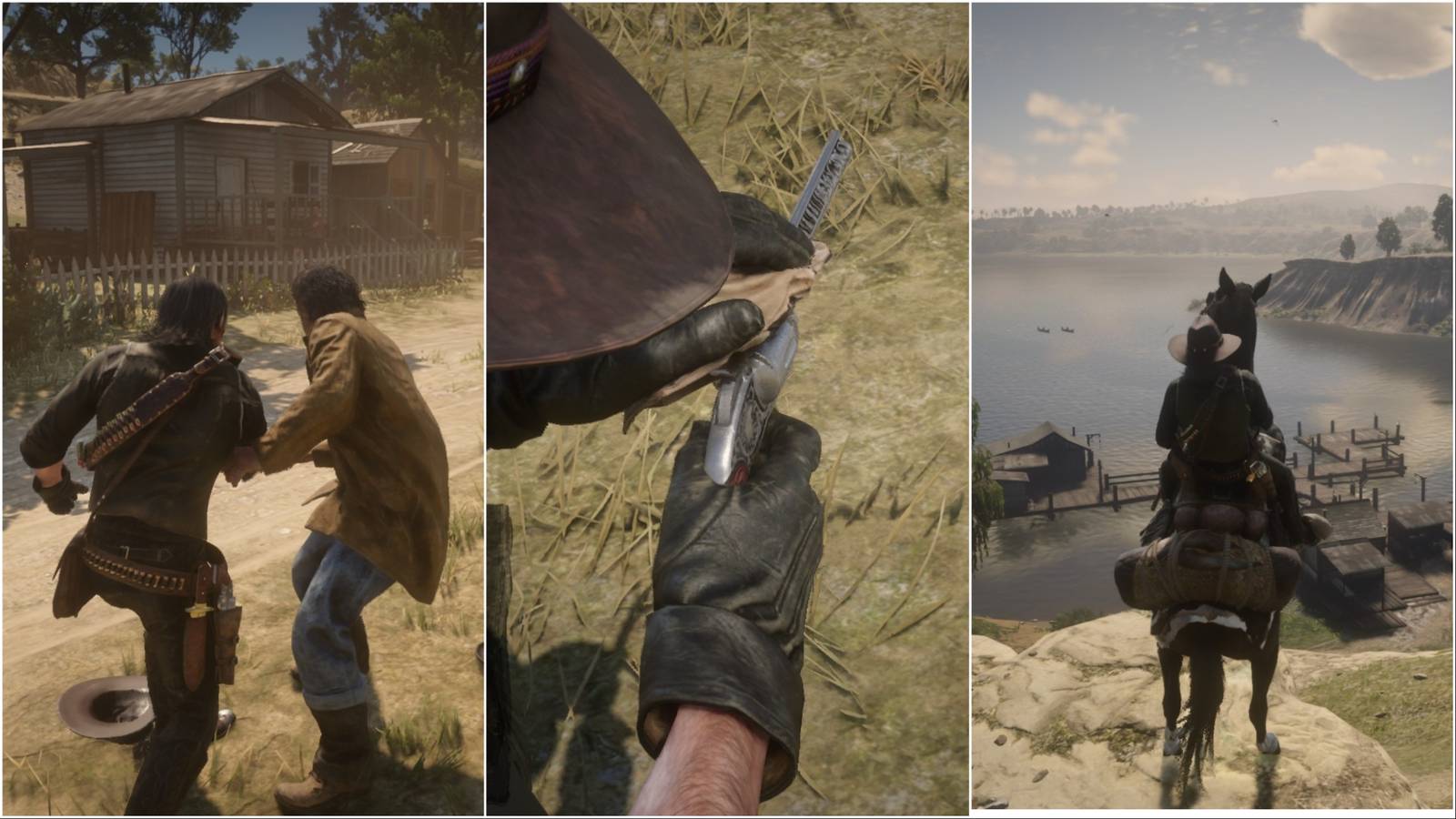
The Demanding Realism of Arthur Morgan’s World
Red Dead Redemption 2’s commitment to realism, a cornerstone of its critical acclaim, is also where it diverges most significantly from modern gaming trends. This dedication to authenticity manifests in several key areas that, while enriching the experience for some, can be perceived as tedious by others.
Horses: More Than Just a Mount, a Companion Requiring Care
In Red Dead Redemption 2, your trusty steed is far more than a mere mode of transportation; it’s a vital ally that demands consistent attention. Players are tasked with the upkeep of their horses, including regular cleaning and feeding. Neglecting these duties can have tangible consequences, and the ultimate penalty is permanent death. Furthermore, placing your horse in perilous situations, such as near aggressive wildlife or during intense shootouts, can lead to it bolting, leaving you vulnerable.
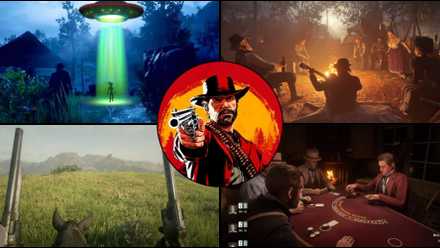
A particularly striking example of the game’s realism is the horse’s natural aversion to suicidal leaps. Unlike the often-forgiving physics of vehicles in Grand Theft Auto, horses in RDR2 will refuse to ride off a cliff, even under duress. This means players cannot simply chart the most direct, albeit dangerous, course. This mechanic, while reinforcing the grounded nature of the game, necessitates adherence to roads and established paths, potentially slowing down travel and frustrating players accustomed to the freedom of near-instantaneous travel or the ability to exploit physics for rapid traversal. The expectation in modern gaming often leans towards disposable resources where vehicles and companions require minimal input, a stark contrast to the demanding companionship RDR2 offers.
Manual Weapon Maintenance: A Chore or a Testament to Authenticity?
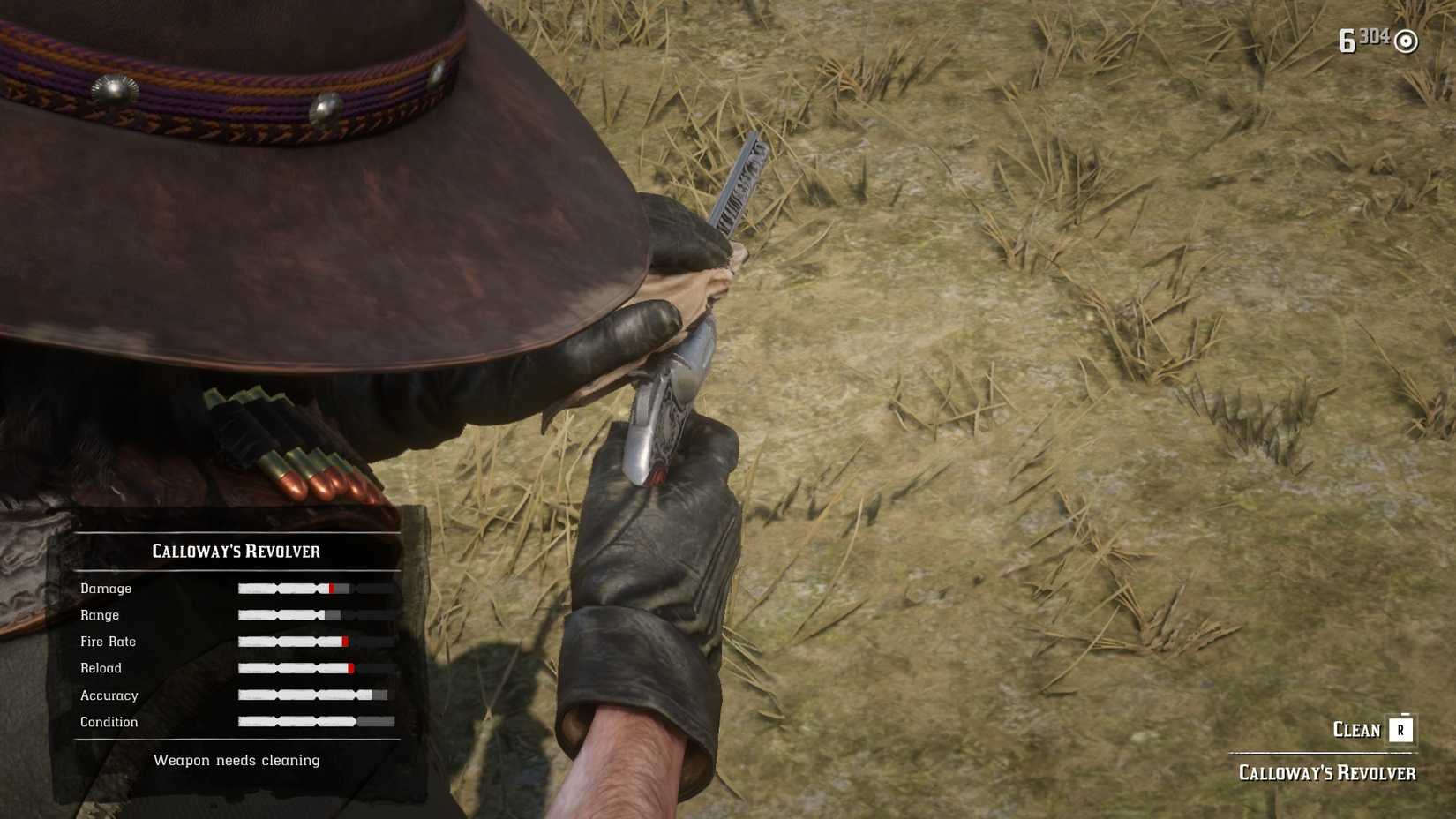
The meticulous attention to detail extends to Arthur Morgan’s arsenal. Firearms in Red Dead Redemption 2 degrade with use, becoming dirty and less effective if not maintained. This requires players to periodically clean their weapons using gun oil or by visiting a gunsmith. A neglected firearm will exhibit reduced reload speed, firing rate, and damage, accompanied by visual cues like darker smoke and altered firing sounds.
This level of weapon management is a rarity in contemporary shooters, where the focus is typically on immediate combat effectiveness. The idea of a mid-battle realization that your weapon is underperforming due to lack of maintenance, leading to a significantly reduced kill count, would likely be met with frustration rather than appreciation for realism. Most modern shooters concern themselves with ammo scarcity as the primary combat limitation, making RDR2’s manual upkeep a potential point of friction.
The "Slow Walk" and Animation Commitment: A Deliberate Pacing Choice
Red Dead Redemption 2 is renowned for its deliberate pacing, a design philosophy that extends to its animation system. Actions such as standing up, crouching, running, and even changing direction are rendered with a level of detail that prioritizes realism over immediate responsiveness. This results in characters and horses that feel grounded but can also appear sluggish to players accustomed to the snappy, immediate controls of games like Marvel’s Spider-Man or God of War.
The developers intentionally crafted this "sluggishness" to bridge the gap between absolute realism and arcade-like responsiveness. While this approach is appreciated by many long-time fans who value its immersive qualities, it can be a significant departure for newer players who expect instant feedback and fluid, almost telepathic control over their characters. The commitment to detailed animations, while artistically commendable, can translate into a perception of slowness that clashes with the fast-paced expectations of the modern gaming audience.
Story Development: A Slow Burn Versus Instant Gratification
The narrative of Red Dead Redemption 2 is a masterclass in character development and slow-burn storytelling, a deliberate choice that contrasts sharply with the "hook ’em fast" mentality prevalent in many current games. The game’s initial hours, particularly Chapter 1, involve extensive exposition and tutorialization before the player is truly unleashed into the open world. Even after this introduction, the main story and side quests often feature lengthy dialogues and character interactions that, while crucial for narrative depth, can feel protracted to players accustomed to more immediate progression and frequent rewards.
This patient storytelling approach, where the world and its characters unfold gradually, stands in contrast to modern design that often prioritizes constant engagement through frequent payoffs and rapid plot advancement. While RDR2 compensates for its slower pace with an unparalleled depth of detail and emergent storytelling moments that continue to be discovered years later, the initial investment required to reach the game’s most engaging points might be a deterrent for a generation conditioned to instant action and immediate dopamine hits.
Realistic Weapon Management: A Strategic Constraint
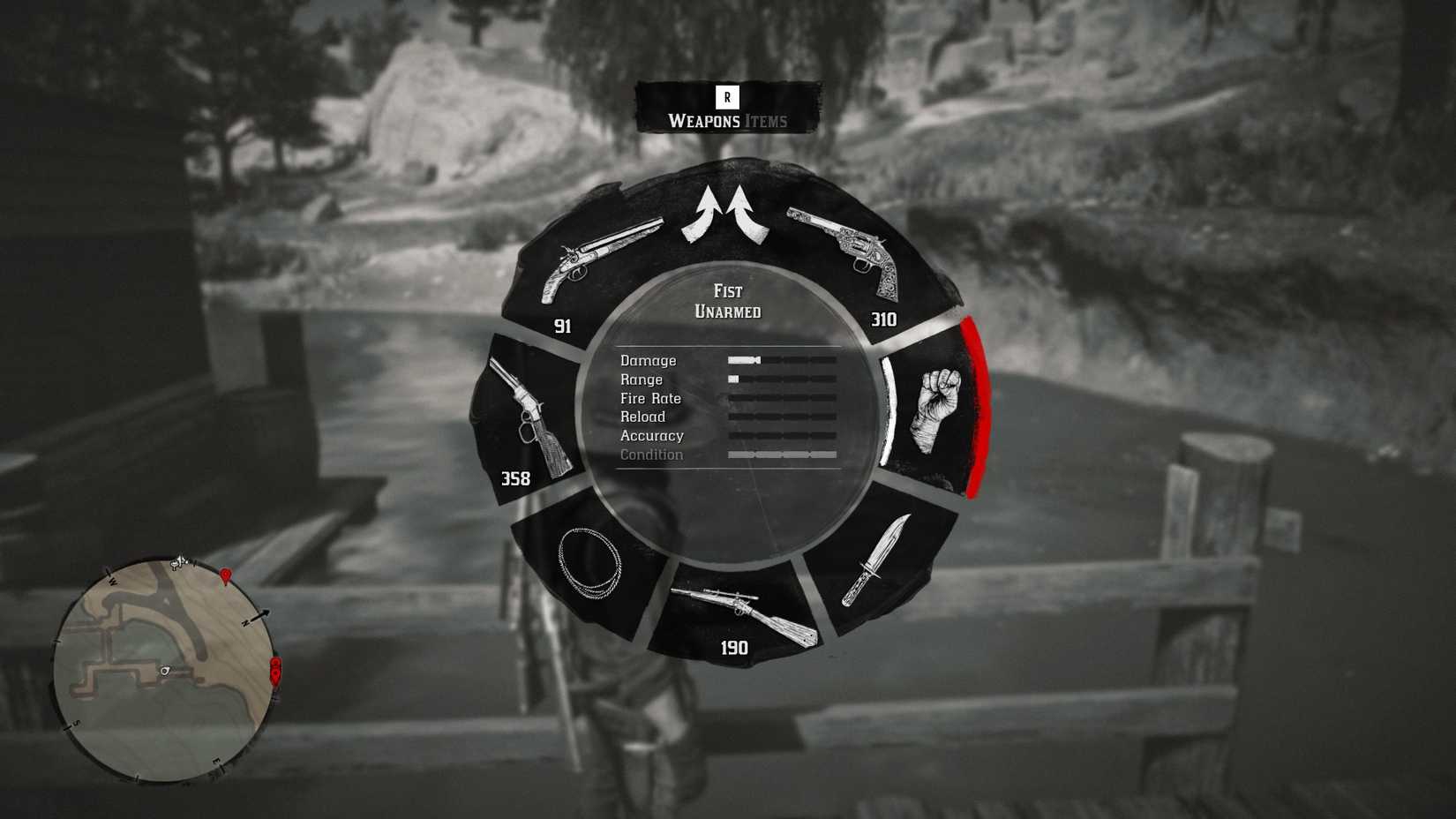
Red Dead Redemption 2’s approach to weapon management is another facet of its commitment to realism that diverges from modern conventions. Unlike many action titles that allow players to stockpile an arsenal of heavy weaponry, RDR2 imposes a strict limit on carried firearms. Upon dismounting, players can only carry two sidearms and two long guns. To switch to other weapons, players must return to their horse and retrieve them from its saddlebags.
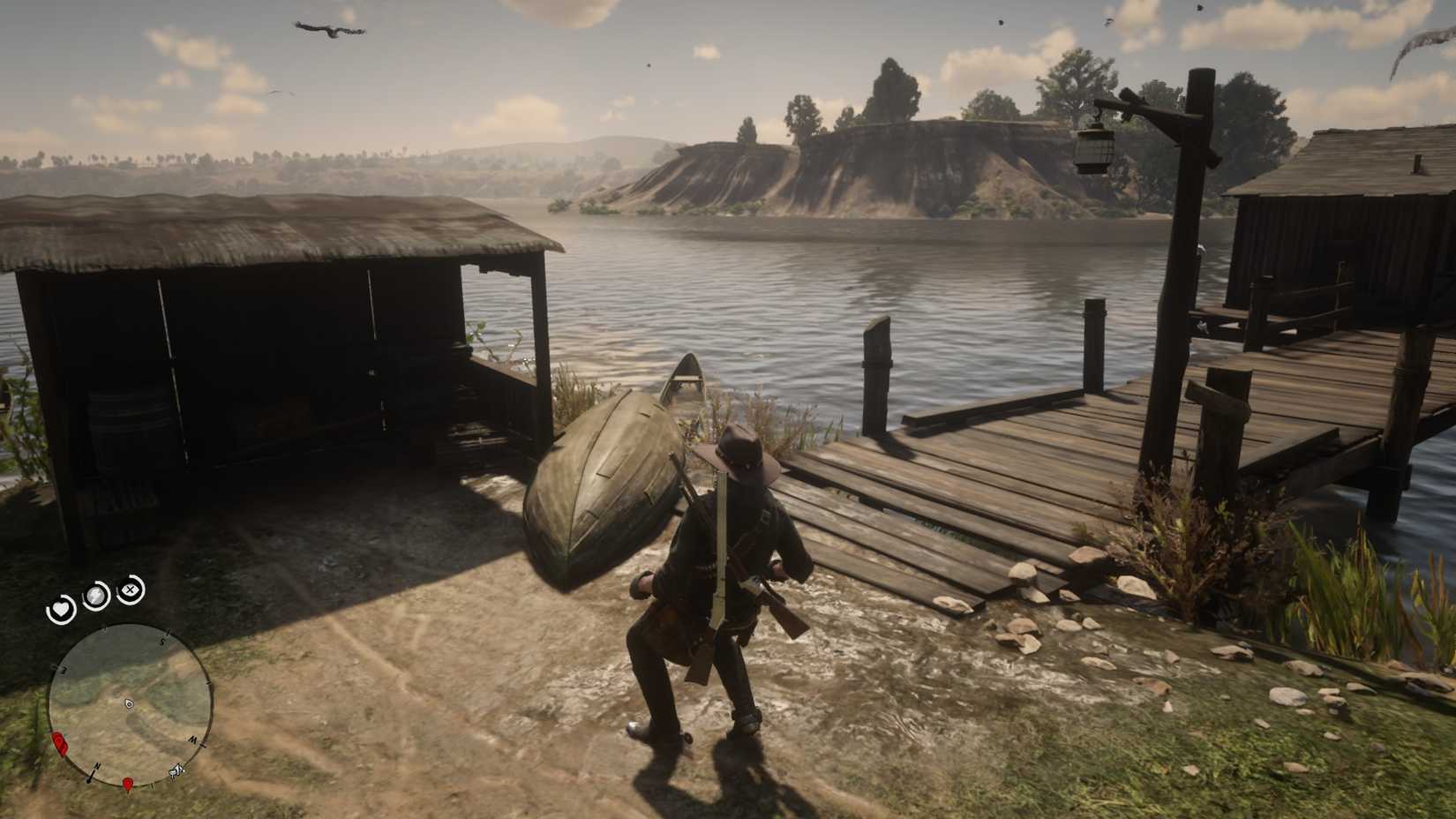
This limitation, while encouraging strategic planning for engagements and reinforcing the Wild West setting, can be perceived as an inconvenience by modern players who expect greater freedom and immediate access to their entire arsenal. The ability to carry a sniper rifle, a shotgun, dual revolvers, and dynamite arrows simultaneously is a common expectation in many action games, making RDR2’s more restrictive system a potential point of frustration. The developers’ intent to create a grounded role-playing experience is admirable, but it may not align with the desires of players who prioritize combat fluidity and immediate access to a wide array of tools.
The Witness and Crime System: Unpredictability as a Double-Edged Sword
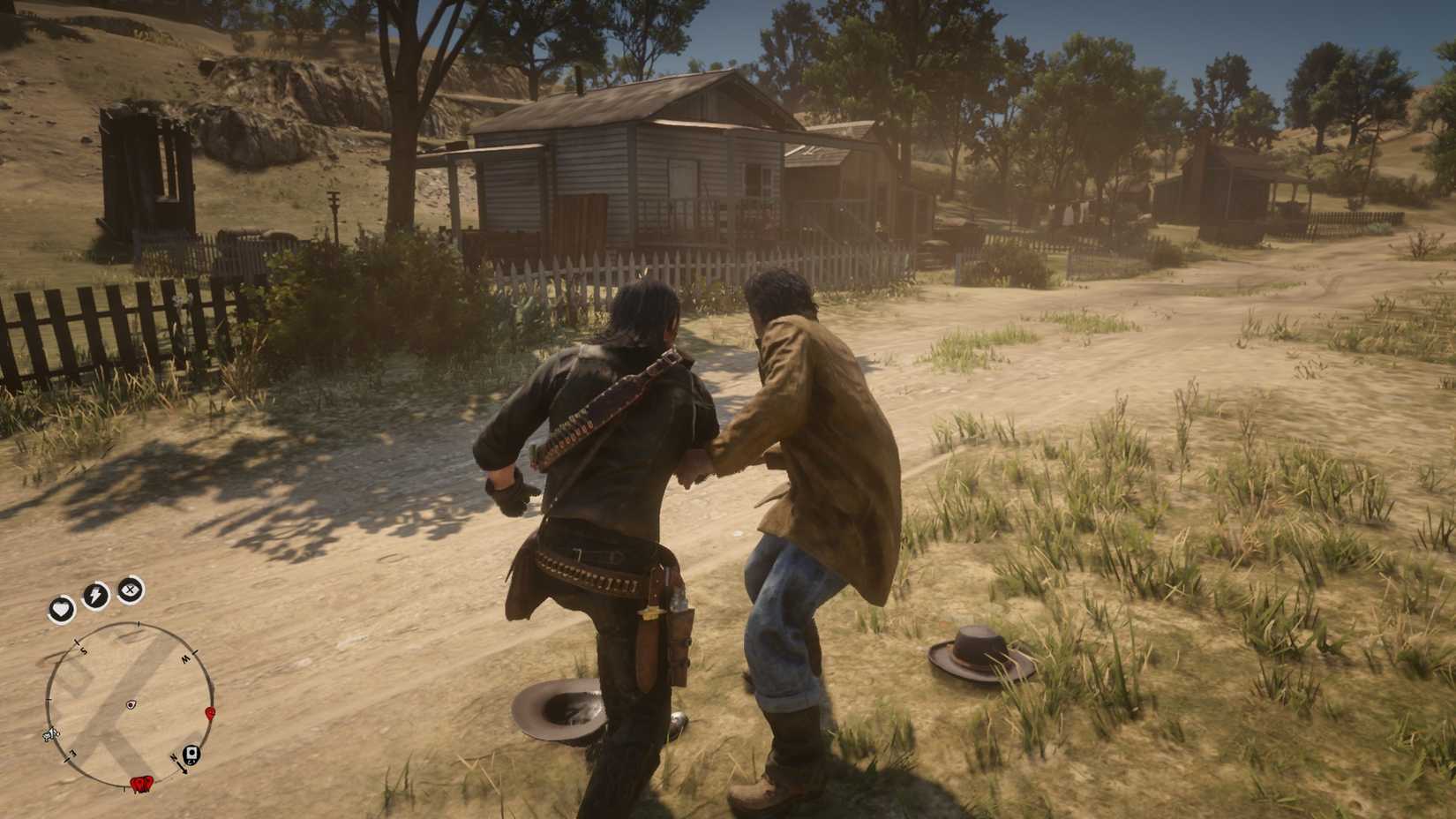
The game’s intricate witness and crime system, designed to simulate a living, breathing world, can also be a source of player frustration. The system is notoriously sensitive, meaning seemingly minor infractions – bumping into an NPC, engaging bandits who attacked you first, or even interacting with a hanged body – can trigger law enforcement pursuit. This unpredictability, while contributing to the world’s authenticity, can disrupt player plans and lead to unplanned combat encounters or forced evacuations of areas they intended to explore.
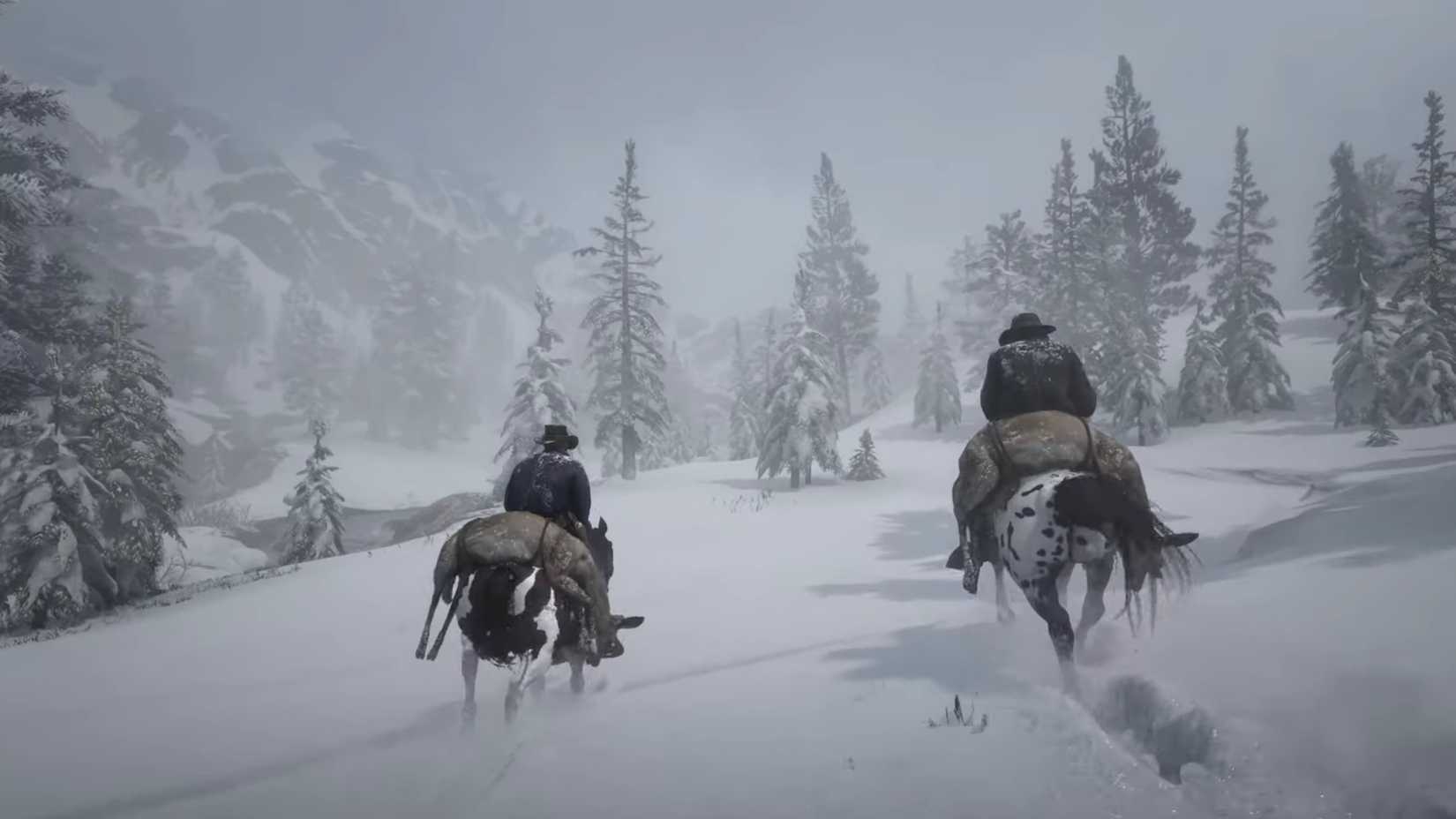
One particularly jarring experience cited is being pursued by lawmen after completing a story mission that involved eliminating bandits, solely because a witness reported the altercation. This level of harshness and unpredictability, while contributing to a dynamic and alive game world, may be perceived as unfair or annoying by players accustomed to more forgiving or clearly defined consequences for their actions. Modern games often simplify crime systems to avoid disrupting player flow, focusing instead on the core gameplay loop. RDR2’s system, however, creates an environment that feels genuinely alive, but not every player necessarily craves that level of reactive consequence.
Missable Content: A Peril for Completionists
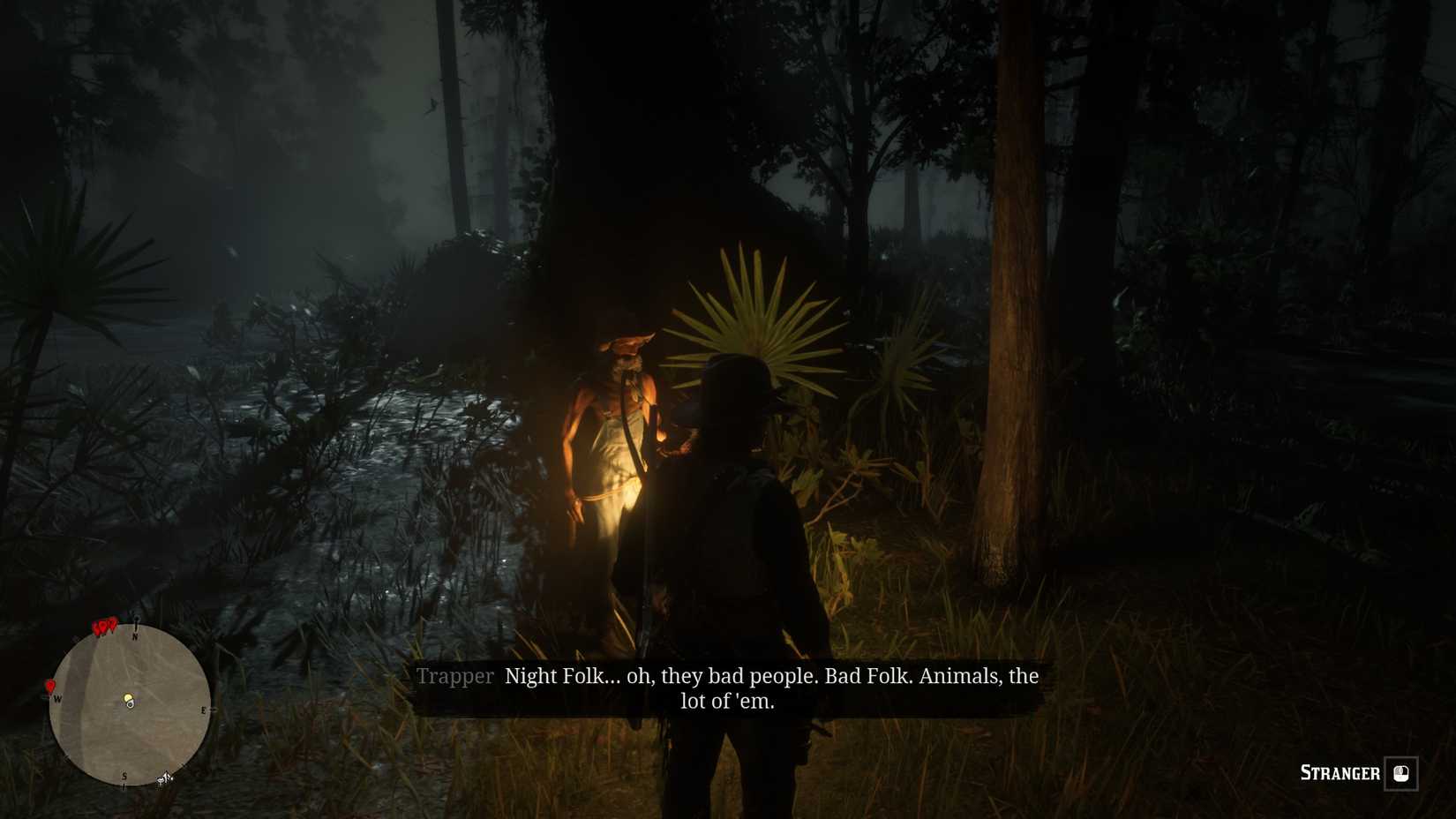
Red Dead Redemption 2 features a vast array of side quests and random encounters, many of which are time-sensitive or context-dependent. These can range from engaging narrative threads with familiar characters to brief, emergent interactions with strangers that can lead to unique plotlines. The catch is that many of these events are only available during specific chapters of the game or under particular conditions, such as occurring at night.
This design choice poses a significant challenge for players who aim for 100% completion. A missed random encounter, like the instance of refusing to guard a stranger’s horse due to being in the middle of a mission, can mean that NPC is never seen again, and the associated content is lost forever. This contrasts with modern games that often employ more robust systems to guide players towards completing all available content, utilizing markers, reminders, and more forgiving quest activation windows. The fear of missing out on crucial content can be a significant source of anxiety for completionist players in RDR2, a pressure less prevalent in many contemporary titles.
A Generous Single-Player Experience in a Monetized World
In an era where many AAA games heavily integrate microtransactions, battle passes, and other forms of monetization, Red Dead Redemption 2 stands out for its largely untethered single-player experience. The game offers a colossal open world with a rich narrative that does not pressure players into purchasing in-game currency or content to progress. While Red Dead Online does feature its own economy and cosmetic purchases, the core single-player campaign remains remarkably free of such intrusions.
This is a stark contrast to many modern titles designed to foster long-term engagement through systems that reward consistent player activity with cosmetic unlocks, gameplay boosts, and regular content drops. RDR2’s story mode, while vast, is a more self-contained experience, offering a complete narrative without the constant nudge to spend real money. This approach, while a boon for players seeking a pure, unadulterated gaming experience, is increasingly rare in the current market, which often prioritizes sustained player retention through monetization strategies.
The Unhurried Narrative: A Novelistic Approach
The narrative structure of Red Dead Redemption 2 is more akin to a slow-paced, character-driven novel than a high-octane action film. Entire sections of chapters can be dedicated to extended dialogues and character interactions with minimal combat or overt action. This deliberate focus on character development and relationship building is one of the game’s greatest strengths, but it can also be a hurdle for players accustomed to games that prioritize constant stimulation.
Skipping cutscenes or rushing through dialogue can lead to a fragmented understanding of the story and its nuanced themes, a crucial element that underscores the game’s brilliance. This approach stands in stark contrast to games like Diablo, which can be "rushed" in a matter of hours by players seeking immediate challenges and progression. RDR2, conversely, rewards patience and immersion. The absence of a traditional "leveling up" system, where even new weapons don’t necessarily offer a power advantage but rather a different playstyle, emphasizes this focus on experience over raw progression. This makes RDR2 a prime example of an open-world game that truly rewards a slow, deliberate playstyle.
A Realistically Austere Economy
The in-game economy of Red Dead Redemption 2 is designed to reflect the financial realities of its setting, meaning it is not particularly generous. While players can engage in activities like robbing and looting to acquire wealth, the game does not inundate them with money. Even with dedicated grinding, achieving a tycoon status where one can effortlessly purchase anything is a distant prospect.
This deliberate scarcity of wealth stands in contrast to many modern AAA games that aim to provide a more constant stream of rewards and upgrades to keep players engaged. RDR2 is comfortable with players feeling financially constrained, underprepared, or limited in their resources, particularly in the early chapters. This economic realism is intrinsically tied to the game’s narrative, which centers on the gang’s perpetual struggle for "one last big score." This focus on financial struggle, while authentic, might not appeal to players who expect a more immediately rewarding economic experience in their games.
Conclusion: A Masterpiece of Its Time, Challenging Modern Expectations
Red Dead Redemption 2 remains an unparalleled achievement in interactive storytelling and world-building. Its dedication to realism, immersive detail, and profound narrative depth offers an experience that few games can rival. However, the very elements that make it so special—its slow pacing, demanding mechanics, and commitment to authentic consequences—are also the aspects that may present the greatest challenges for a gaming landscape increasingly shaped by trends favoring instant gratification, streamlined gameplay, and constant engagement loops.
For players willing to embrace its deliberate pace and intricate systems, Red Dead Redemption 2 offers a journey unlike any other, a testament to the art of game design. For those accustomed to the rapid-fire action and immediate rewards of modern titles, it may require a significant adjustment in perspective. Yet, it is precisely this willingness to eschew convention and deliver a truly unique, immersive, and thematically rich experience that solidifies Red Dead Redemption 2’s place as a timeless masterpiece, even as it navigates the evolving currents of the gaming world.











No comments yet. Be the first to join the conversation!