
 Suro Senen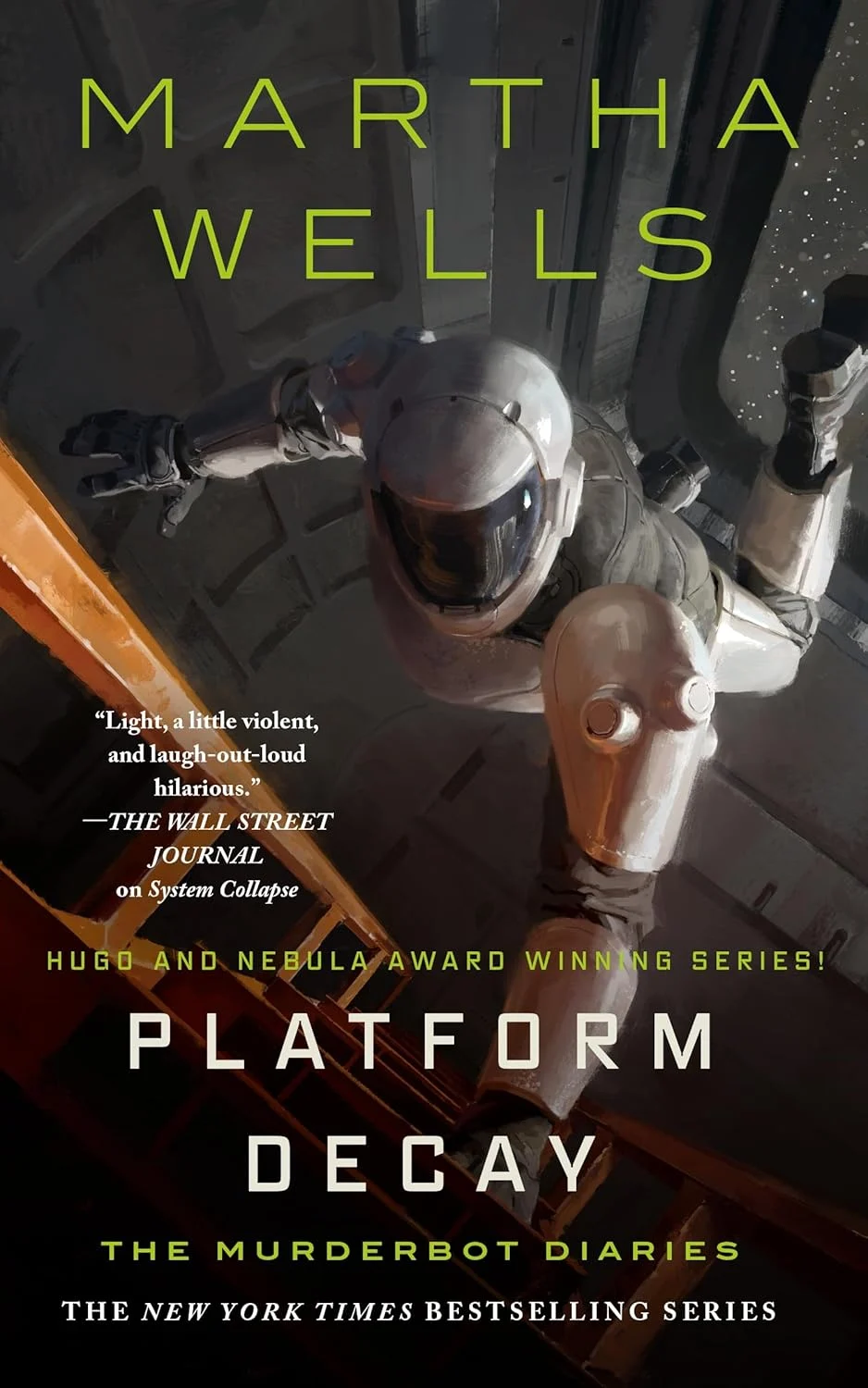
The publishing industry is currently experiencing a seismic shift, underscored by the highly anticipated arrival of Platform Decay, the eighth installment in Martha Wells’ globally acclaimed Murderbot Diaries. As of mid-May 2026, the novel has not only secured its position as the week’s strongest debut but has also demonstrated an unprecedented reach by landing in the top ten across all four major print bestseller lists surveyed by Locus Magazine.
This achievement marks a significant moment for both the author and Tor Books, reinforcing the enduring commercial viability of the science fiction genre. However, Wells is not the only author making waves; the landscape is currently crowded with a diverse array of debuts and established powerhouses, including notable entries from Emily McIntire and Sable Sorensen, both of whom have made immediate impressions on multiple charts.
A Chronology of Success: Analyzing the May 2026 Debuts
The week of May 18, 2026, proved to be a watershed moment for speculative fiction. Martha Wells’ Platform Decay emerged as the clear frontrunner. By capturing top-ten spots on the New York Times, Los Angeles Times, USA Today, and Publishers Weekly lists, Wells has solidified her status as a titan of contemporary sci-fi.
Following closely in terms of immediate impact are two other notable debuts. Emily McIntire’s Twisted, published by Bloom, has quickly gained traction, appearing on three separate lists. Similarly, Sable Sorensen’s Fury Bound, released via Requited, has enjoyed a robust launch, mirroring McIntire’s performance with appearances on three lists.
The momentum surrounding these titles is not incidental. The publishing cycle, which saw these books hitting shelves in mid-May, benefited from a robust pre-order culture and aggressive marketing campaigns that bridged the gap between niche fandoms and mainstream literary audiences. As these books settle into their second and third weeks, analysts are watching closely to see if this initial "debut surge" will translate into long-term retention on the charts.

Supporting Data: Dissecting the Bestseller Ecosystem
To understand the current market, one must look at the data provided by industry pillars. The current bestseller landscape is a complex tapestry of hardcovers and paperbacks, with varying degrees of volatility.
Hardcover Performance
The hardcover market is currently dominated by a mix of long-standing series and fresh hits. James Lee Burke’s Yesteryear continues to show remarkable resilience, maintaining high positions across multiple lists, including a #1 spot on the Los Angeles Times list. Meanwhile, the Dungeon Crawler Carl series by Matt Dinniman continues to maintain a significant footprint across several charts, demonstrating the sheer volume of reader demand for serialized fantasy.
Other key performers include:
- Sorensen, Fury Bound: Debuting strongly with a #2 spot on the New York Times and USA Today lists.
- Tuli, Storm Breaker: A strong entry with a #2 spot on the New York Times list.
- Klune, We Burned So Bright: Holding steady in its second week despite some fluctuations.
Paperback Market Trends
The paperback sector remains, as ever, a bastion for "long-tail" successes. Sarah J. Maas’s A Court of Thorns and Roses series remains a permanent fixture, with books in the series appearing on lists years after their initial release. Andy Weir’s Project Hail Mary also continues to defy the typical decay curve of fiction, appearing on lists in both hardcover and trade paperback formats more than four years after its debut.
Official Responses and Industry Context
Publishers and industry analysts have noted that the current success of titles like Platform Decay is indicative of a "franchise-first" economy. When an author has established a loyal readership through a series like The Murderbot Diaries, the barrier to entry for subsequent volumes is significantly lower.

"The consistency with which Martha Wells hits these lists is a testament to the character-driven nature of modern science fiction," noted one industry observer. "Readers aren’t just buying a book; they are investing in a continuing narrative that has become a staple of the cultural conversation."
However, not all titles follow this trajectory. The data for this week highlights the "churn" inherent in the USA Today list, which combines fiction and non-fiction. Titles that fail to sustain interest in their first two weeks often see rapid declines, as seen in the fluctuating positions of books like Dinniman’s The Eye of the Bedlam Bride and The Gate of the Feral Gods.
The Broader Implications: What Does This Mean for the Market?
The current state of the bestseller lists reveals three critical trends:
1. The Rise of "Multi-Format" Readers
The data confirms that readers are increasingly willing to engage with books across multiple formats. Successful titles are now those that can maintain a presence in both hardcover for the collector-base and trade paperback for the mass-market audience. The continued chart presence of Sarah J. Maas and Andy Weir underscores that successful IP can sustain multiple entry points.
2. The Power of "List Synergy"
The fact that Platform Decay debuted in the top ten across all four major lists suggests that traditional publishing is still highly effective at creating "event" releases. The coordination between the New York Times—which posts its list in advance of print publication—and the real-time tracking provided by Amazon’s bestsellers lists creates a self-reinforcing loop of visibility.

3. Genre Dominance
It is impossible to ignore the dominance of speculative fiction and fantasy in this week’s data. From Dungeon Crawler Carl to A Court of Thorns and Roses and The Murderbot Diaries, the books currently occupying the most spots on these lists are firmly rooted in non-realistic genres. This suggests a shift in the "mainstream" taste, where the fantastical is no longer relegated to the periphery but is instead driving the retail engine of the publishing industry.
Looking Ahead
As we move toward the end of Q2 2026, the question for publishers is sustainability. Can the momentum of a debut like Platform Decay be maintained, or will it inevitably fall victim to the high turnover of the modern book market?
For independent authors and small presses, the success of titles like Fury Bound offers a blueprint: focusing on high-engagement genres and leveraging digital-first marketing strategies can lead to substantial chart success. However, the data also serves as a warning: the industry is becoming increasingly competitive, and the "long tail" is becoming harder to reach for those who do not have the backing of a major publishing house or a well-established, highly vocal fanbase.
Ultimately, the data from mid-May 2026 shows a healthy, if fragmented, market. Readers are finding their way to the books they love, and the institutions—like Locus Magazine, The New York Times, and others—continue to provide the necessary framework to track these cultural currents. Whether you are a fan of high-stakes science fiction or character-driven fantasy, this week’s lists confirm that we are in a golden age of popular fiction, where the next big hit is always just a release date away.
Data contained in this report is based on the surveys of the New York Times, Los Angeles Times, USA Today, Publishers Weekly, and Amazon bestsellers lists for the week ending May 18, 2026. For a complete breakdown of rankings, including changes since last week, readers are encouraged to consult the full Locus Magazine index.


 Nana Wu
 Ali Ikhwan





