


The landscape of Japanese Role-Playing Games (JRPGs) is a rich tapestry woven with innovative mechanics and unforgettable narratives. For decades, developers have experimented with combat systems, evolving from the foundational turn-based encounters of early titles to the dynamic Active Time Battle (ATB) systems that defined an era. Yet, as the genre has matured, many of these once-celebrated combat frameworks have faded into obscurity, overshadowed by a shift towards real-time action or a reliance on more rudimentary turn-based approaches. This article delves into ten such JRPG combat systems that, despite their unique contributions and engaging gameplay, have been largely absent from modern titles. We explore why these systems were so compelling and argue for their rightful place in the future of JRPG design, whether through new iterations, remakes, or remasters.
The Evolving Art of JRPG Combat
JRPG combat is more than just a means to an end; it’s a core pillar of the player’s experience. The thrill of strategic decision-making, the satisfaction of executing a perfectly timed command, and the visual spectacle of a powerful attack are all elements that contribute to a game’s lasting appeal. Over the years, designers have introduced a plethora of mechanics to keep these encounters fresh and challenging. From intricate timing-based challenges to hybrid real-time and turn-based approaches, the genre has proven its capacity for innovation. However, a recent trend has seen a polarization in combat design. Many modern JRPGs lean heavily into real-time action, aiming for a more immediate and visceral feel. Conversely, others adhere to traditional turn-based structures, sometimes without the inventive flair that characterized earlier iterations. This has left a void for players who appreciate the strategic depth and unique engagement offered by more complex and interactive combat systems. This list aims to reignite the discussion around these underappreciated mechanics and advocate for their resurgence.
Lost Odyssey: The Art of Timing and Depth
Hail to the Circle: A Testament to Strategic Engagement
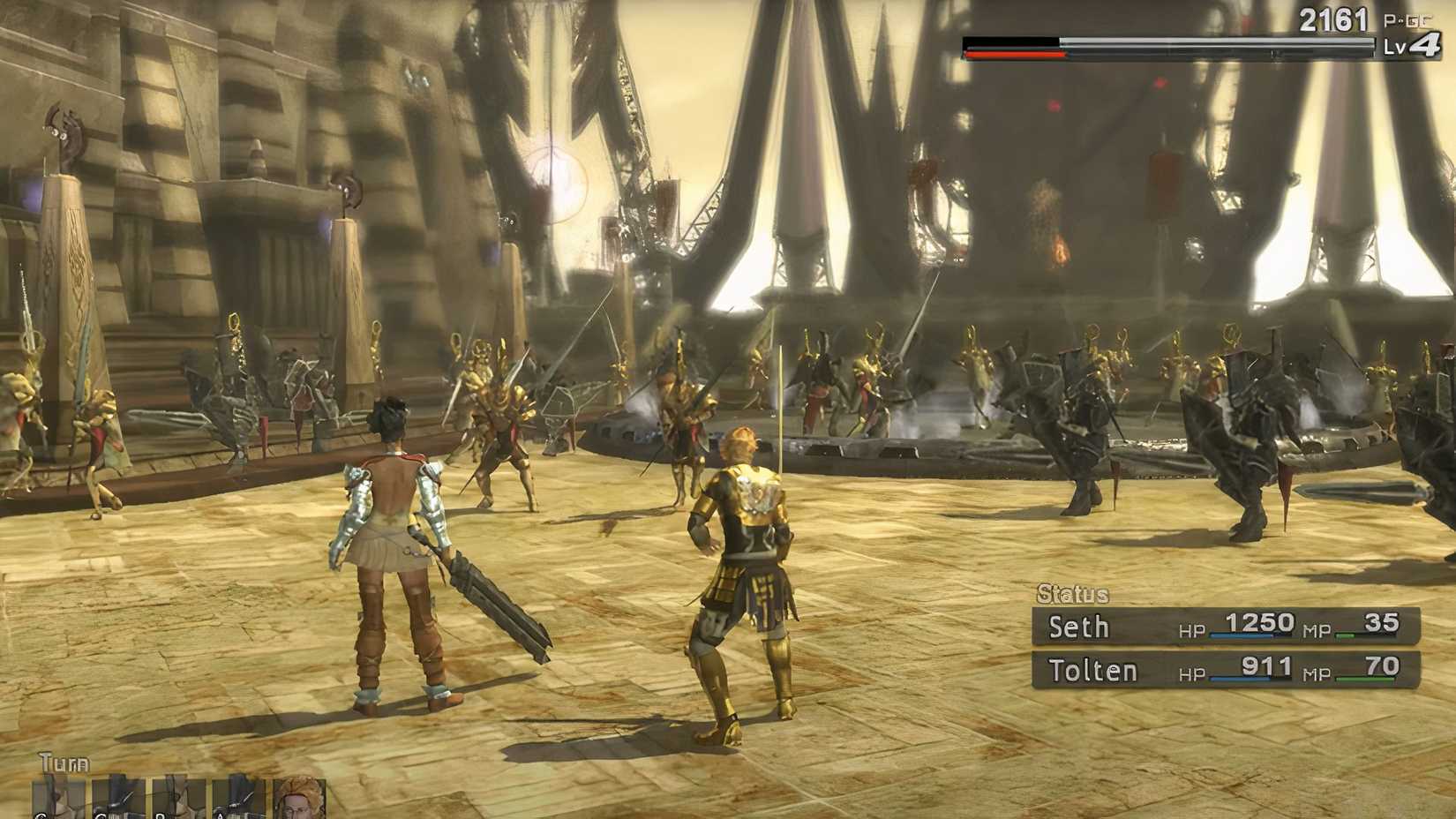
Lost Odyssey, a title that many consider a spiritual successor to the classic Final Fantasy era, boasts a combat system that is both familiar and refreshingly unique. Released in 2008 for the Xbox 360, it dared to offer a party size of five, a rarity in a genre that typically caps at three, immediately providing a greater sense of strategic depth. However, its most defining feature lies in the "Grand Bahamut" or "Ring of Death" mechanic, a precise timing-based challenge that governs the damage dealt during combat.
The core of this mechanic involves a circular reticle that closes in on a target area. Players must press the corresponding button at the exact moment the two circles align to execute a "perfect" hit, maximizing damage and critical hit chances. This system forces players to remain actively engaged in every single battle, from the most mundane encounters to the most formidable boss fights. A mistimed input can mean the difference between a swift victory and a costly expenditure of precious resources. This emphasis on player execution elevates combat beyond simple menu selection, demanding focus and rewarding precision.
Furthermore, Lost Odyssey introduced an innovative ability learning system. Immortal characters within the party gain new skills by experiencing the lives and deaths of their mortal companions. This narrative integration with gameplay mechanics creates a profound sense of connection and progression. The magic system, reminiscent of classic Final Fantasy titles, combined with the weighty impact of physical attacks, contributed to the game’s enduring legacy. For many, Lost Odyssey‘s combat system was a defining reason why it is often hailed as the true spiritual successor to Final Fantasy XIII, offering a blend of strategic depth and engaging execution that deserves to be revisited.

The Legend of Dragoon: Mastering the Art of Additions
Addition by Addition: Interactive Combat Redefined
When The Legend of Dragoon launched in 2000 for the PlayStation, it was positioned as a potential rival to the dominant Final Fantasy series. While it may not have dethroned its competitor, it delivered a JRPG experience with a combat system that stood leagues ahead of many contemporaries. The cornerstone of this system was the "Additions" mechanic, an interactive approach that ensured player involvement in every combat sequence.
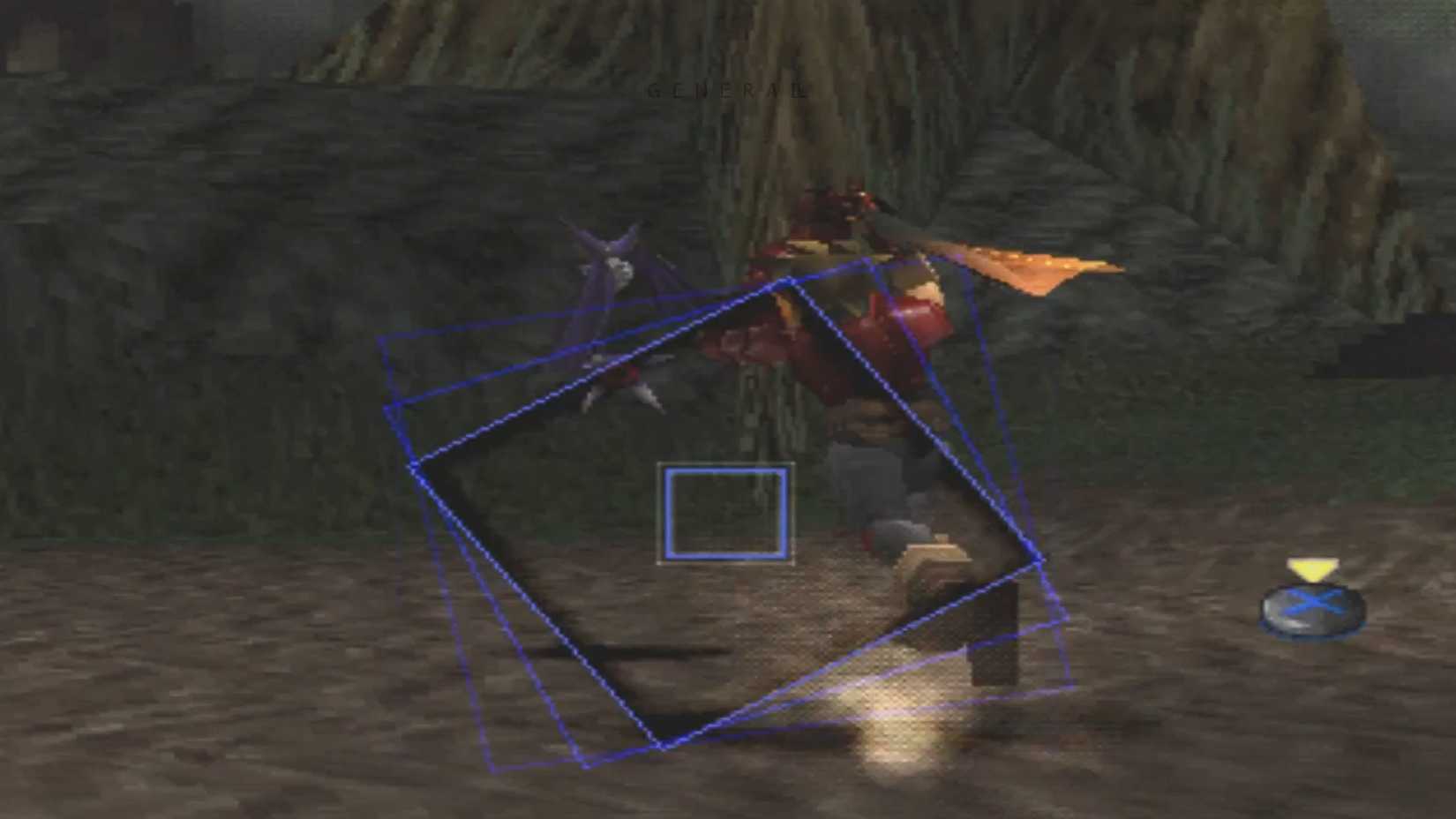
The "Additions" system challenged players to perform button-mashing and timed inputs to execute character-specific combo attacks. During an attack, a small square would zoom towards a larger target square. Players had to press the attack button in rhythm with these movements, aiming for a perfect sequence to maximize the combo’s effectiveness. This mechanic transformed passive combat into an engaging rhythm game, requiring concentration and skill.
The challenge escalated as enemies could actively disrupt these combos. If a player failed to execute a sequence correctly, their attack would be interrupted, and they would suffer damage. As new, more complex Additions were unlocked, the timing windows became tighter, and rhythmic patterns grew more intricate, demanding sustained attention. The introduction of "Dragoon Transformations" further evolved the combat. These powerful forms featured a new type of Addition, utilizing a spinning dial where players had to time button presses precisely to unleash devastating attacks. The sheer depth and engaging nature of the Additions system made The Legend of Dragoon a standout title. Its influence is still felt today, with games like Clair Obscur: Expedition 33 drawing clear inspiration from its innovative combat design, underscoring the lasting appeal of this interactive approach.
Valkyria Chronicles: A Masterclass in Tactical Hybridity
The Complexities of War: Blending Strategy and Action
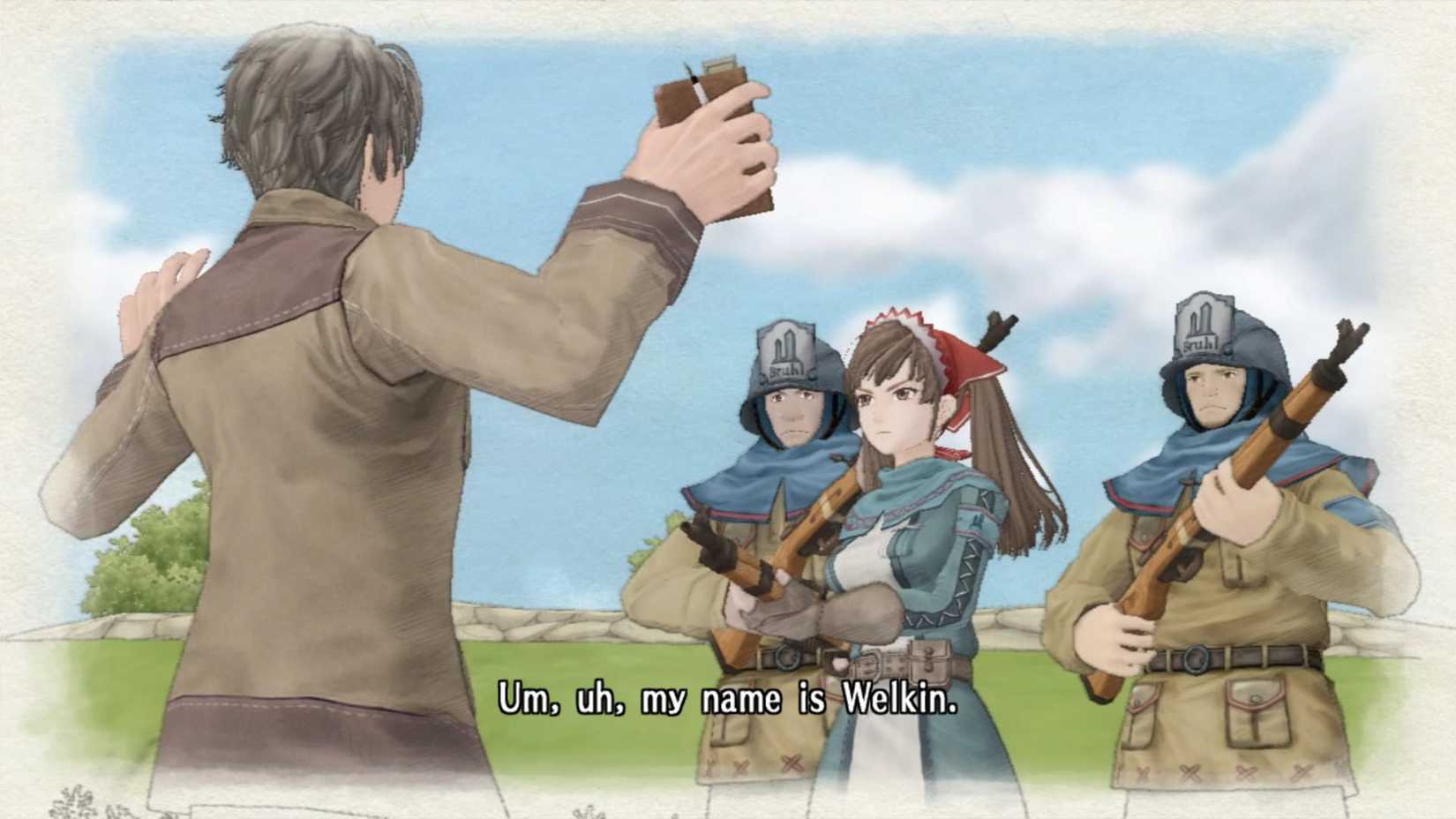
Valkyria Chronicles, first released in 2008, reimagined World War II through a distinct anime lens, offering a compelling narrative alongside a truly remarkable combat system. This game masterfully blended turn-based strategy with real-time third-person shooter elements, creating a gameplay loop that was both unique and deeply engaging. Players command a squad of soldiers, each with specialized roles ranging from medics to artillery experts, navigating a battlefield that demanded constant strategic reassessment.
The core gameplay loop involved moving units in a turn-based fashion, with players controlling individual soldiers. Once a soldier was selected, the game shifted into a real-time third-person perspective, allowing players to aim, take cover, and shoot at enemies. This seamless transition between strategic planning and direct action was revolutionary. The stakes were incredibly high, as permadeath was a harsh reality in Valkyria Chronicles; fallen soldiers did not return, forcing players to employ careful planning and execute their moves with precision to ensure the survival of their squad.
The game offered a vast array of strategic possibilities, with numerous weapon types, unique character abilities, and challenging combat scenarios that consistently pushed players to adapt their tactics. The depth of strategy, combined with the satisfyingly tactile gunplay, made for an unforgettable experience. It remains a puzzling aspect of JRPG design that such an innovative and successful combat system has not been more widely emulated. The blend of strategic foresight and immediate action, coupled with the high stakes, created a gameplay experience that was both intellectually stimulating and viscerally satisfying. The unique implementation of this hybrid system in Valkyria Chronicles is a prime example of a mechanic that deserves a grand return.
Valkyrie Profile: A Symphony of Real-Time Chaos
A System Fit For the Gods: Orchestrating Simultaneous Attacks
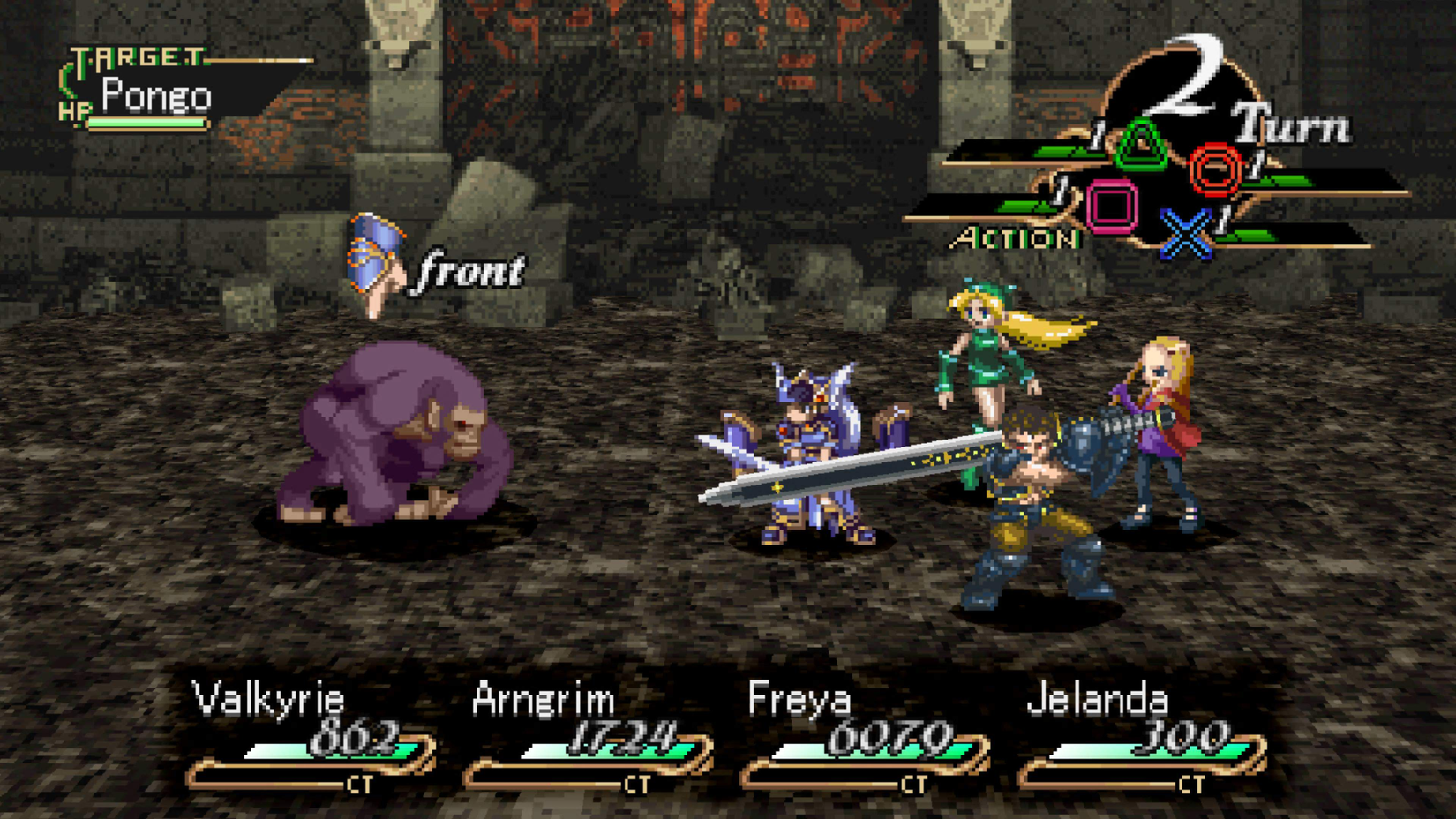
Valkyrie Profile, a critically acclaimed title that first graced the PlayStation in 2000, features a combat system that is as intricate and beautiful as its mythological setting. It masterfully blends real-time action with a strategic turn-based framework, creating an experience that feels both chaotic and meticulously controlled. In combat, your party attacks simultaneously, with each character assigned to a specific button. Pressing that button initiates an attack, and by chaining these button presses, players can launch multi-hit combos, launching enemies into the air and setting them up for devastating follow-up assaults.
This simultaneous attack system is key to the game’s strategic depth. When an enemy’s guard is broken, or they are left vulnerable, it presents an opportunity for a coordinated assault. Discovering and exploiting these weak points becomes a core element of the combat, rewarding observation and quick reflexes. Successfully executing these prolonged combos culminates in spectacular "Greatest Blow" attacks, powerful super moves that are as visually impressive as they are effective.
What further elevates Valkyrie Profile‘s combat is its deep customization. Players can alter the number of hits their characters can perform, the style of their attacks, and even integrate a magic system fueled by items collected on the battlefield. The satisfying controller rumble further enhances the impact of each strike, making every battle feel weighty and significant. This intricate dance of simultaneous attacks, strategic targeting, and deep customization is a testament to creative combat design. It’s a system that, despite its age, offers a level of player engagement and tactical nuance that remains unparalleled, and its absence in modern JRPGs is a true loss.
Xenoblade Chronicles 3: Mastering Positional Warfare
Directional Warfare: Strategic Depth in Real-Time
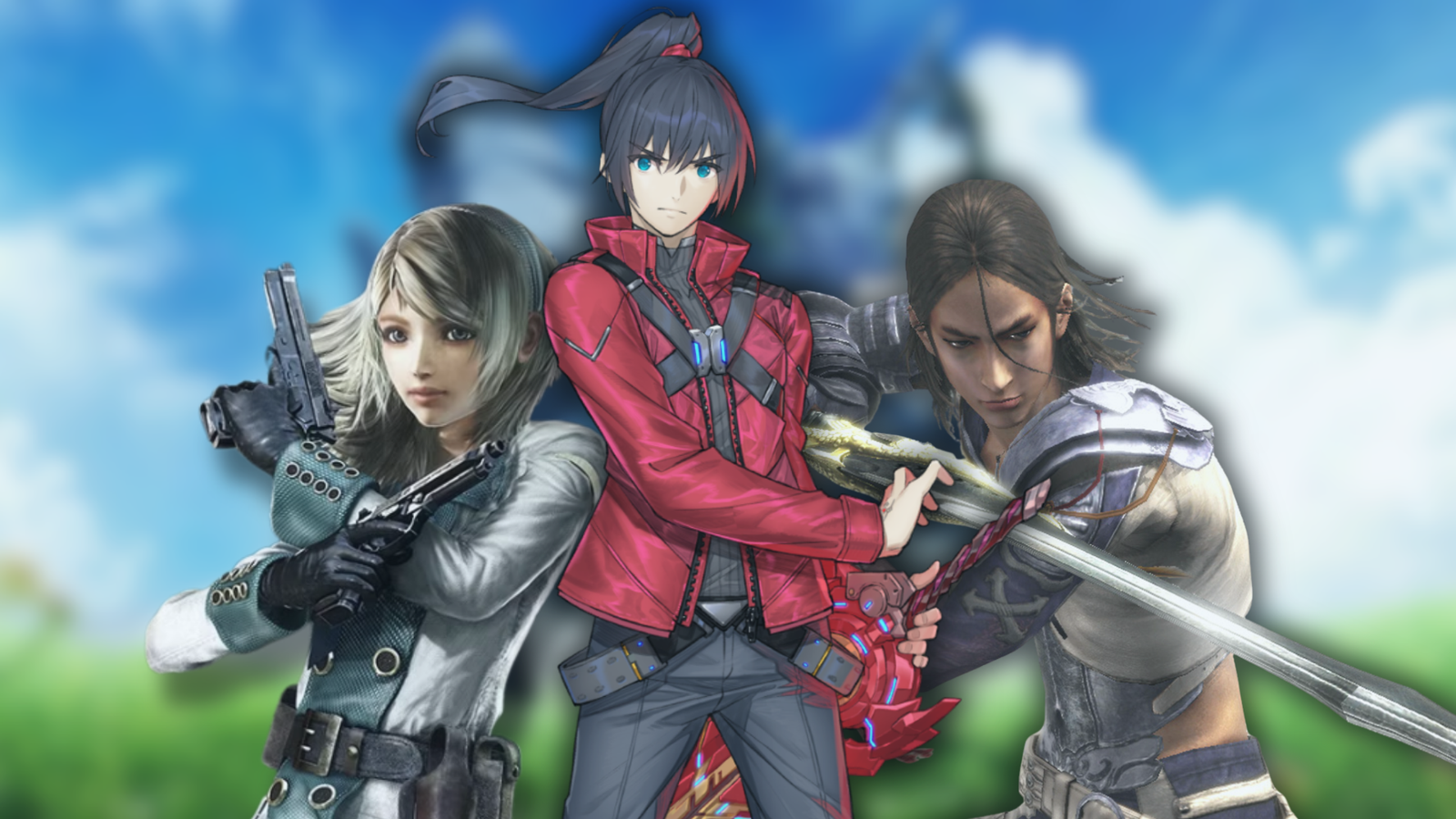
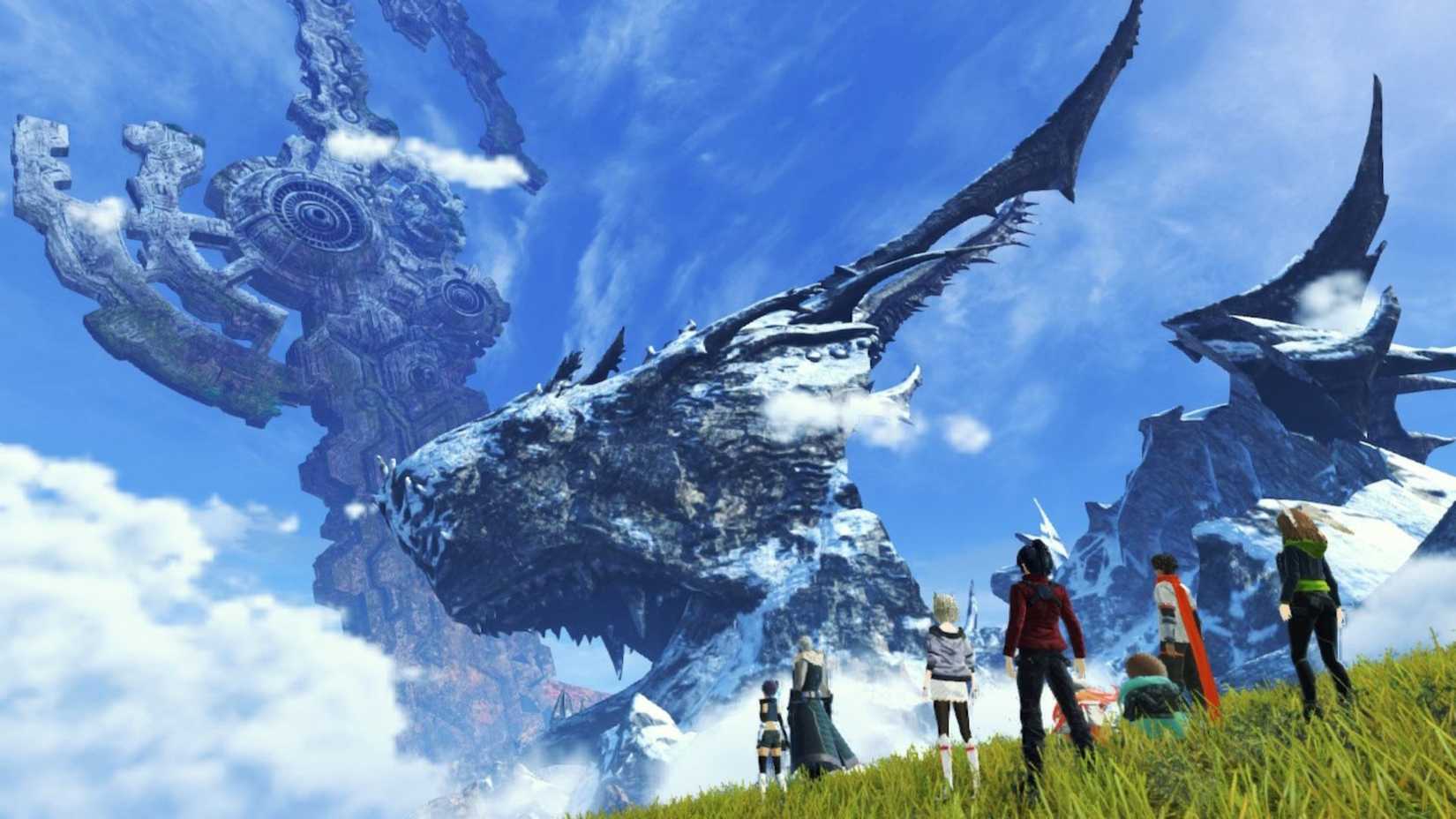
Xenoblade Chronicles 3, released in 2022, stands as a modern testament to the enduring appeal of complex JRPG combat systems. While the series itself has a decade-long history, the specific combat mechanics refined in this installment have yet to be widely adopted by other titles. The combat in Xenoblade Chronicles 3 is a frenetic real-time system that, despite its auto-attacking nature, remains remarkably interactive and strategic.
The key to success lies in understanding and utilizing positional advantage. Players must carefully manage their positioning on the battlefield, switching between characters to maximize damage output and execute devastating combos. Furthermore, the game incorporates a gauge management system, requiring players to time their abilities and special attacks effectively. A significant strategic layer is added through the "Ouroboros" transformation system, where party members can fuse into powerful beings, unleashing devastating attacks at critical moments.
The combat encounters in Xenoblade Chronicles 3, particularly boss battles, are often grueling tests of endurance and strategic execution. Success hinges on the player’s ability to orchestrate their party’s actions, time their most powerful abilities, and adapt to the ever-changing dynamics of the battlefield. This complex interplay of positioning, resource management, and synergistic character abilities creates a deeply rewarding experience. While initially overwhelming, the system’s depth offers a high skill ceiling that veterans can master, while still being accessible enough for newcomers to grasp the fundamentals. The strategic richness and engaging nature of Xenoblade Chronicles 3‘s combat are precisely why it deserves broader recognition and emulation within the JRPG genre.
Shadow Hearts: The Judgement Ring’s Test of Skill
Obey the Judgement: A Timed Challenge of Precision
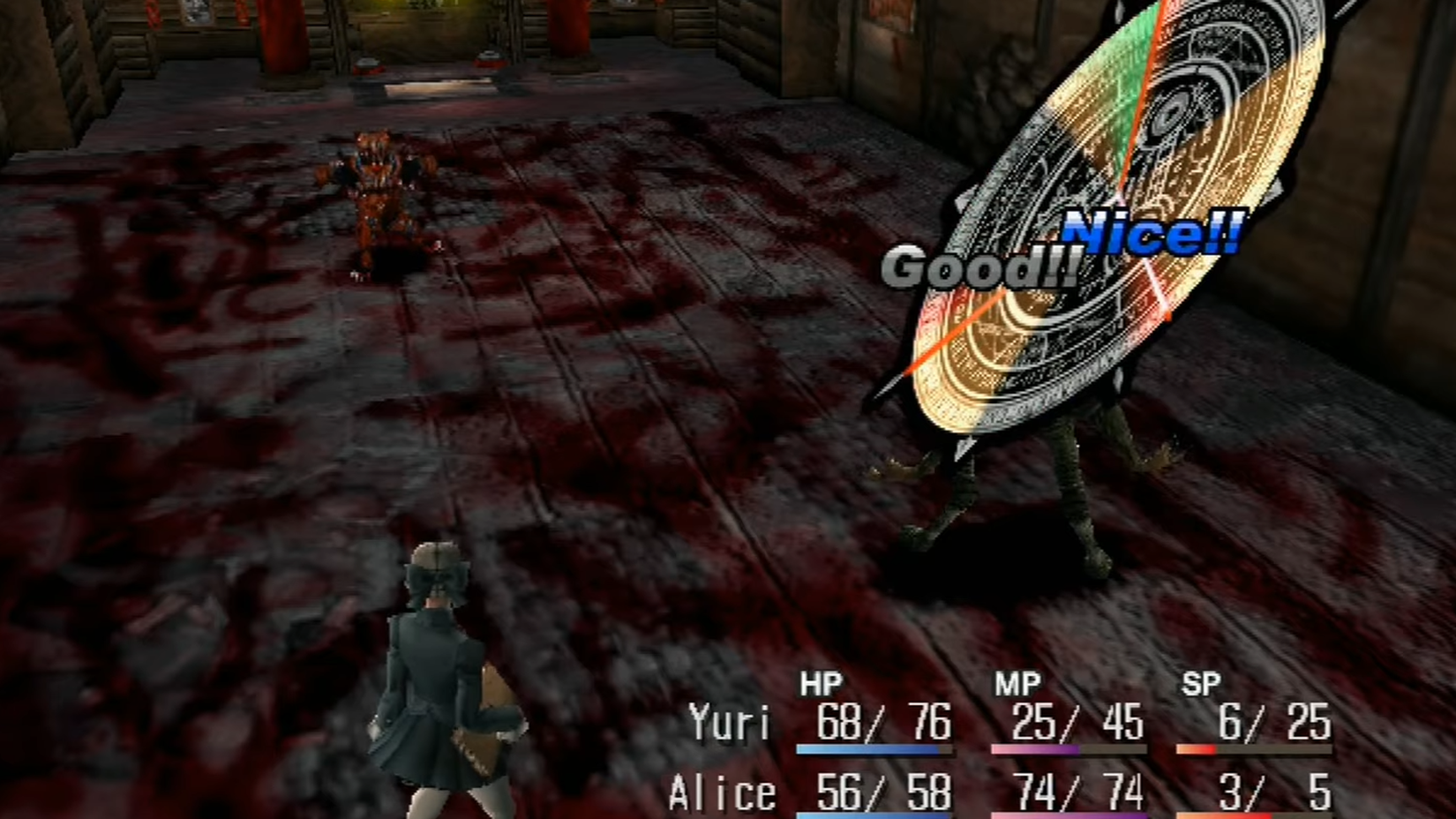
The Shadow Hearts series, known for its dark and mature take on the JRPG genre, offered a unique combat system centered around the "Judgment Ring." This mechanic, introduced in the first game, Shadow Hearts, released in 2001, transformed combat into a test of player timing and precision. Instead of merely selecting an attack from a menu, players were presented with a circular gauge where they had to stop a cursor within a specific target zone to execute actions successfully.
The Judgment Ring operated on a risk-reward principle. Successfully hitting the target zones during an attack not only maximized damage but could also trigger critical hits or special effects. Conversely, mistiming the input could result in a weaker attack, a missed turn, or even taking damage. This system ensured that every action, from a basic attack to a powerful spell, required active player participation, fostering a level of engagement rarely seen in traditional turn-based combat.
Beyond the core timing mechanic, the series introduced Yuri, the protagonist, who could transform into various monstrous forms, each with unique abilities and magical attacks. Unlocking and strategically utilizing these transformations added another layer of depth to combat. The Shadow Hearts combat system demanded constant attention and rewarded players for their dexterity and focus. Its unique blend of strategic decision-making and active skill-based execution made it a standout feature of the series. The fact that such an innovative and engaging system has not been more widely adopted is a significant missed opportunity for the JRPG genre.
Kingdom Hearts: The Dawn of Command-Based Action
The Perfect Fusion: Bridging Turn-Based Strategy and Real-Time Action
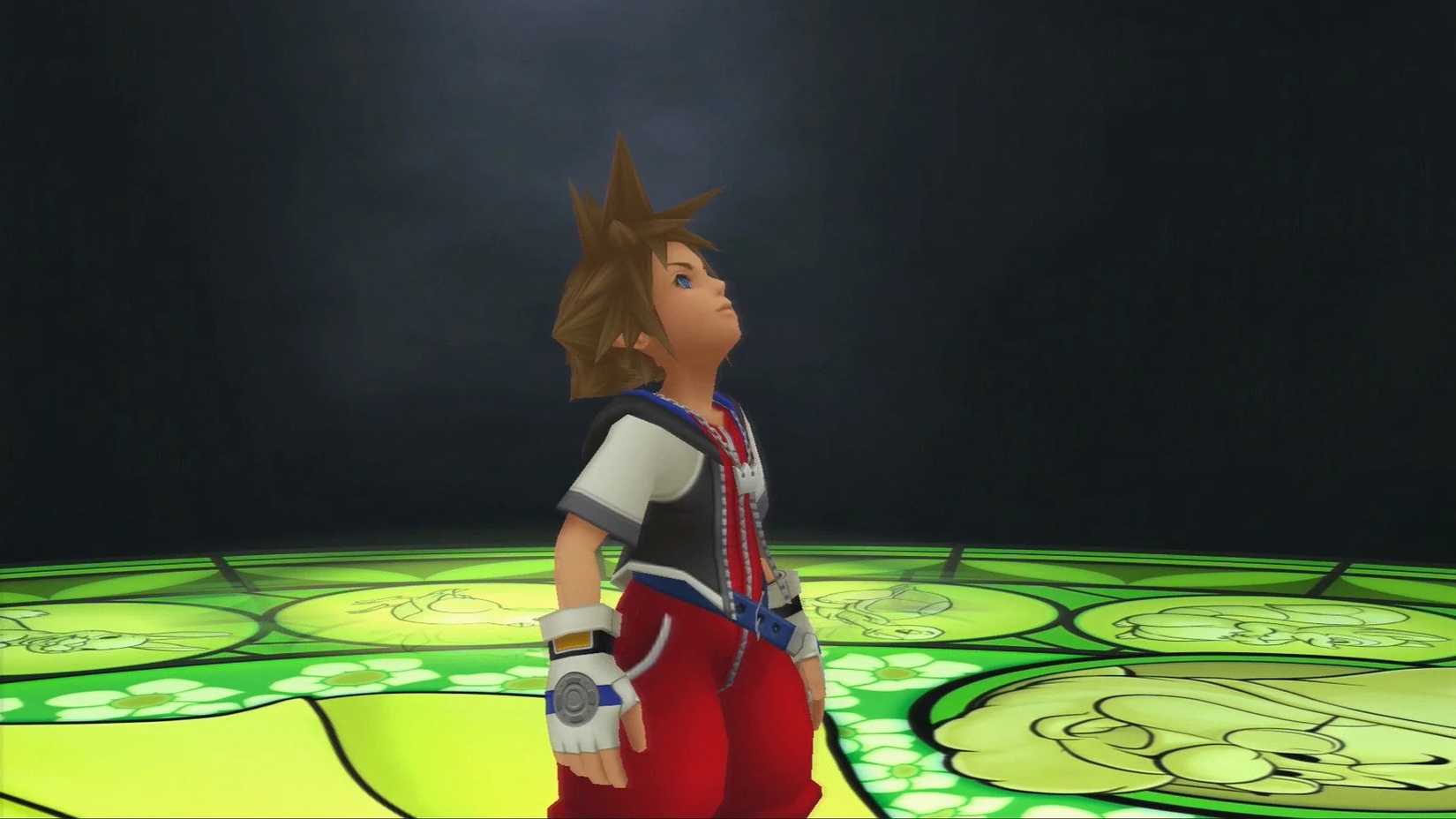
The Kingdom Hearts series, a beloved collaboration between Square Enix and Disney, revolutionized JRPG combat upon its debut in 2002. It masterfully fused the strategic command-based elements of classic Final Fantasy titles with the fluid, real-time action of character action games. At its core, the combat system allows players to select commands from a menu, similar to traditional JRPGs, but executes these actions in real-time. This hybrid approach allowed for a dynamic flow of combat, where players could seamlessly switch between physical attacks, magic, and item usage.
A key innovation was the implementation of hotkeying for magic and items. This allowed players to quickly access their most-used abilities without needing to navigate through multiple menus, a feature that greatly enhanced the pacing and responsiveness of combat. The system also demanded skillful execution of parries and blocks, adding a layer of real-time reflex-based gameplay.
While some might find the system initially complex, its design allows for both surface-level accessibility and deep strategic mastery. Players can engage with the core mechanics effectively without delving into the intricacies, while those who wish to optimize their builds and strategies can find immense depth. The Kingdom Hearts combat system’s ability to offer a compelling blend of strategic choice and real-time execution is a testament to its design ingenuity. Its influence on subsequent action RPGs is undeniable, and its unique approach to merging distinct gameplay styles makes it a combat system that continues to resonate and deserves wider emulation.
Resonance of Fate: A Dance of Complex Mechanics
I Don’t Know What’s Happening, but I Love It: Embracing Intricate Design
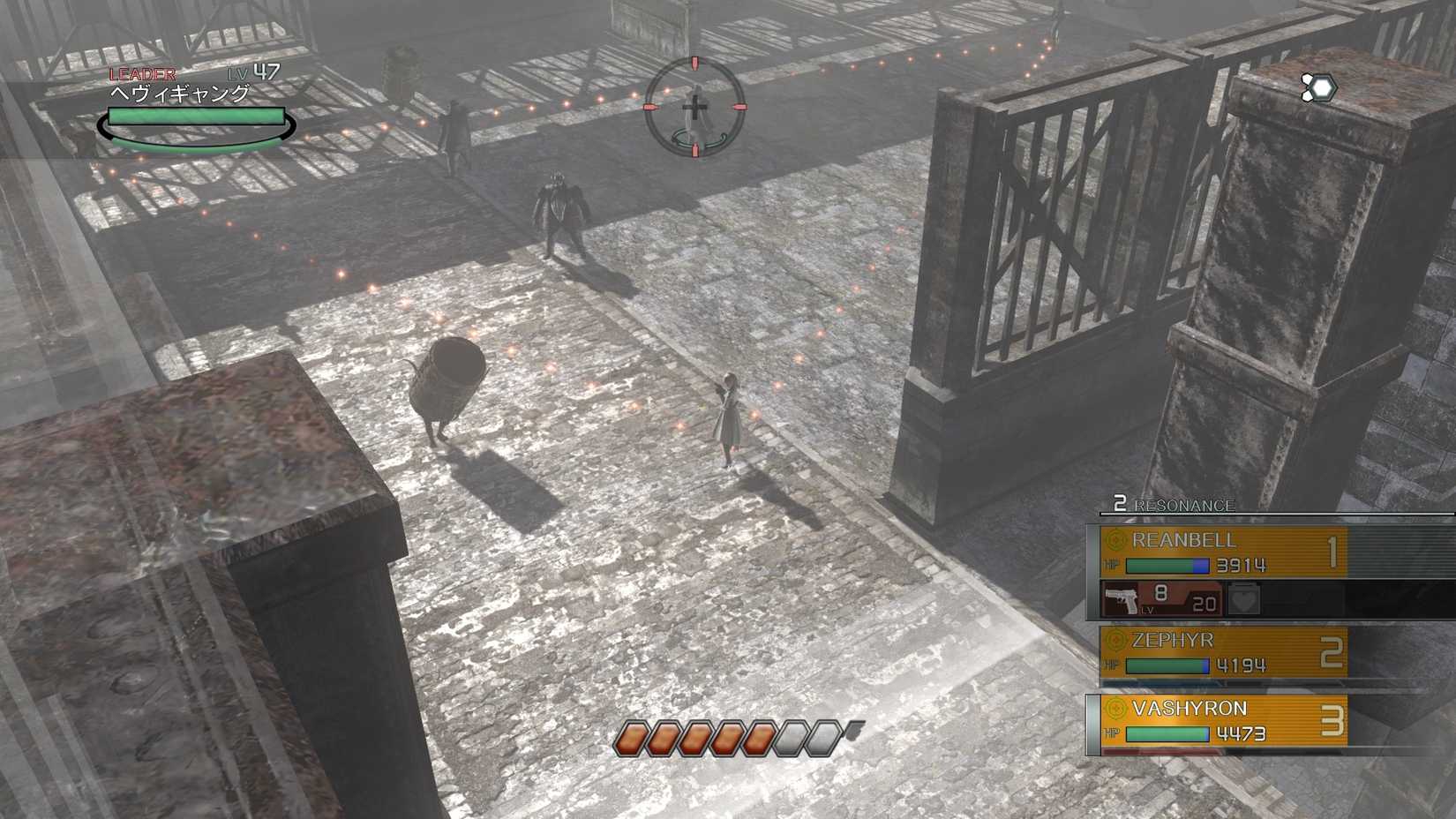
Resonance of Fate, released in 2010, is a JRPG that boldly eschews conventional combat design in favor of a uniquely complex and visually stunning system. Describing its mechanics can be akin to trying to grasp smoke, but its sheer ambition and rewarding execution make it a standout. The combat revolves around two primary damage types: "Scratch Damage" and "Direct Damage." Scratch Damage accrues rapidly, weakening enemy defenses, but cannot defeat them. Direct Damage, while slower to apply, is what ultimately finishes off opponents.
Adding another layer of complexity are "Bezels," items that enable powerful "Hero Actions." These Bezels are earned by defeating enemies or by targeting and destroying specific parts of larger foes during combat. Bezels are the lifeblood of the party’s offensive capabilities, and their strategic management is paramount to survival.
The sheer intricacy of Resonance of Fate‘s combat can be daunting, even for seasoned players. The interplay of Scratch and Direct Damage, the resource management of Bezels, and the tactical targeting of enemy weak points create a steep learning curve. However, once these elements click, the combat becomes an incredibly fun and visually spectacular experience. The game’s animations are breathtaking, and the gunplay feels weighty and impactful, making each encounter a cinematic event. The bold and experimental nature of Resonance of Fate‘s combat system, while challenging, is precisely what makes it so compelling. It’s a testament to the idea that complexity, when executed well, can lead to immensely rewarding gameplay.
Final Fantasy VIII: The Power of Interactive Limit Breaks
Gunblade Trigger: Elevating Turn-Based Combat with Player Input
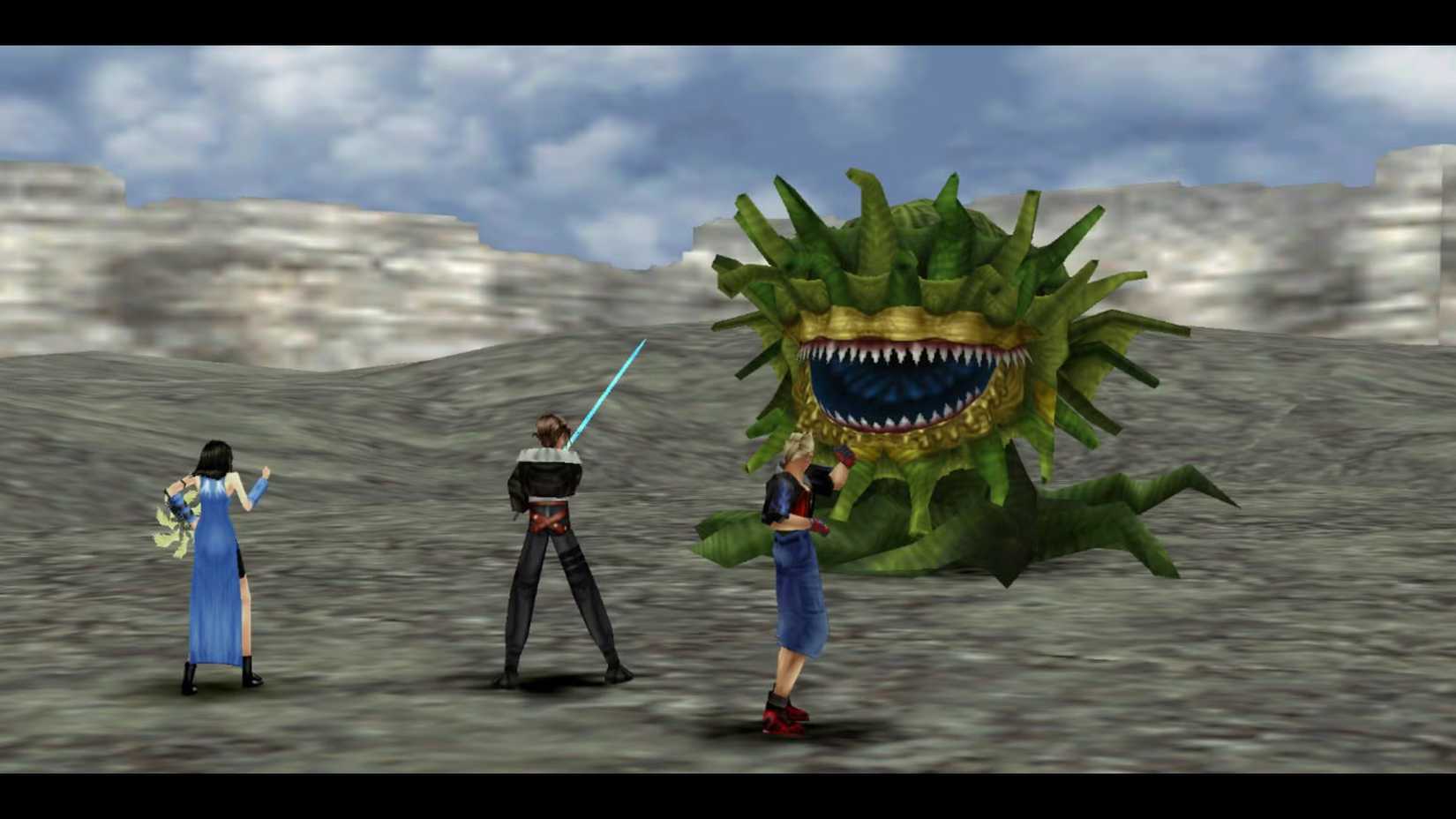
Final Fantasy VIII, released in 1999, offered one of the most interactive combat systems in the storied history of the Final Fantasy series. While still fundamentally turn-based, it introduced a level of player engagement that was both innovative and deeply satisfying. The signature weapon of protagonist Squall Leonhart, the Gunblade, exemplified this. Executing basic attacks with the Gunblade involved a timed button press to trigger an explosive finisher, adding a visceral thrill to every strike.
This interactivity was amplified with the game’s Limit Breaks. These powerful special attacks demanded significant player input, transforming them from passive cinematic events into active challenges. Squall’s "Renzokuken" involved a series of timed button presses, while Zell Dincht’s "Duplex Kick" and other Limit Breaks required players to execute fighting-game-style command inputs. This integration of real-time reflex and precision gameplay into a turn-based framework was a bold step for the series.
Beyond character-specific Limit Breaks, the game further enhanced player agency through the manual powering-up of Summons. This allowed players to actively invest in their powerful magical allies, making them feel more like extensions of their strategic choices. Final Fantasy VIII‘s combat system successfully bridged the gap between traditional turn-based gameplay and the growing trend of real-time action. Its emphasis on player input and interactive special attacks created a uniquely engaging experience that, unfortunately, has not been widely replicated in subsequent JRPGs. The system’s ability to satisfy both fans of strategic turn-based combat and those seeking more active gameplay makes it a prime candidate for a modern revival.
Chrono Cross: The Art of Battle Math and Elemental Strategy
Battle Math: Strategic Risk and Reward
Chrono Cross, released in 2000 for the PlayStation, is celebrated for its stunning visuals and intricate narrative, but its combat system is equally deserving of recognition. It employed a unique risk-reward mechanic that added significant strategic depth to its turn-based encounters. At its core, the system presented players with a percentage chance for each attack’s success, with stronger attacks inherently carrying a greater risk of failure but offering the potential for higher damage.
This percentage-based system encouraged a delicate balance. Players had to carefully consider the strength of their attacks, weighing the potential rewards against the risks of missing. Building up a sequence of attacks was crucial for unlocking more powerful magic, special abilities, and summons, transforming combat into a strategic puzzle. The visual flair of character animations during these combos further enhanced the appeal of mastering the system.
Chrono Cross also featured a deep customization system, allowing players to tailor characters with various magical elements. Each character possessed a distinct elemental affinity, enabling players to strategize differently based on the elemental weaknesses of their enemies. This layered approach to combat, combining risk assessment, combo building, and elemental synergy, created a consistently compelling and engaging experience. The game’s vast roster of characters, each with their own unique strengths and elemental alignments, further amplified the strategic possibilities. The sophisticated "Battle Math" of Chrono Cross‘s combat system, with its emphasis on calculated risks and deep customization, stands as a prime example of a truly innovative JRPG mechanic that deserves to be brought back into the spotlight.











No comments yet. Be the first to join the conversation!