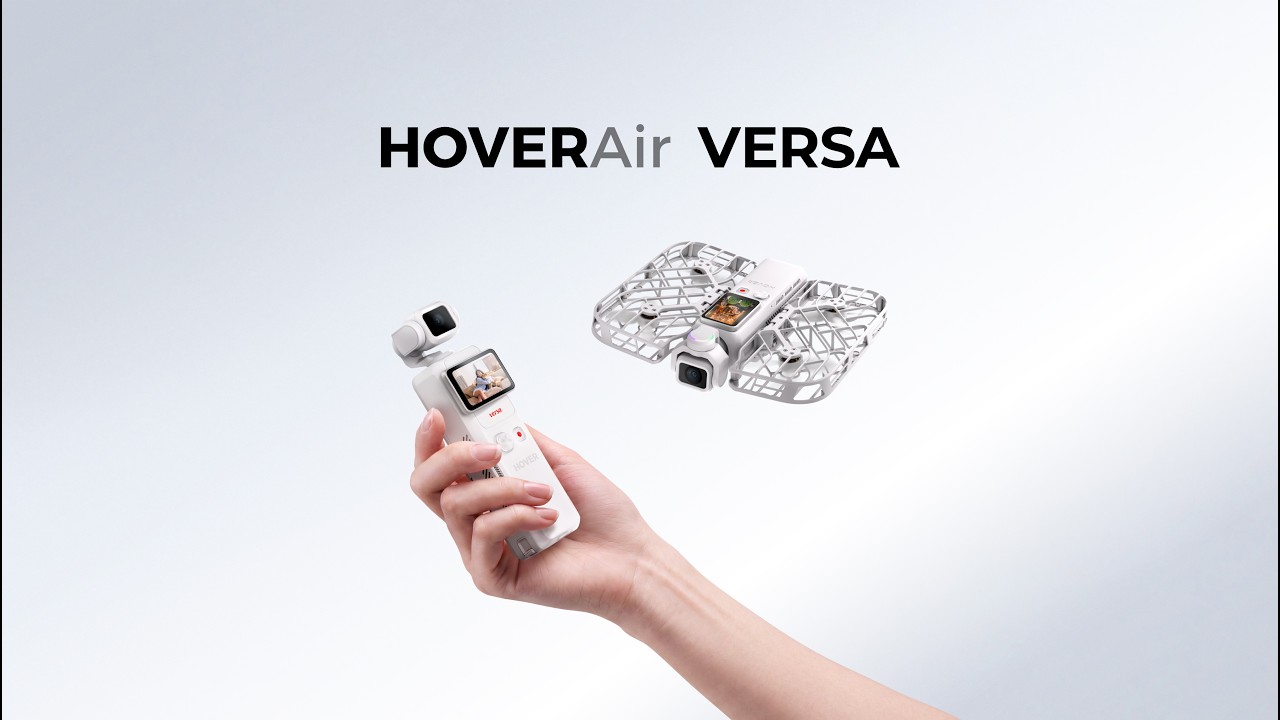
In a high-stakes clash between consumer tech innovation and national security regulation, the latest crowdfunding campaign from HoverAir has spiraled into a controversy that highlights the precarious state of the U.S. drone market. Just three days after launching an ambitious Indiegogo campaign for the "Versa"—a modular, pocket-sized gimbal camera capable of flight—the company was forced to pull its "Flight Kit" offering for U.S. consumers.
The abrupt withdrawal, occurring just 72 hours after the August 19 launch, has left backers and industry observers questioning the viability of foreign-made aerial technology in an increasingly restrictive regulatory environment. While HoverAir initially cited "logistics updates" as the reason for the sudden pivot, the reality appears far more systemic: the Federal Communications Commission (FCC) has declared the device’s original authorization "erroneous," branding the product a prohibited piece of Unmanned Aircraft System (UAS) hardware.
The Chronology of a Failed Launch
The trajectory of the Versa launch began with optimism and technical maneuvering. On August 18, HoverAir announced that its parent entity, Shenzhen Zero Zero Infinity Technology, had secured FCC ID 2AIDW-ZZ-H-1-006. Crucially, the certification categorized the Versa as a "camera" rather than a "drone."
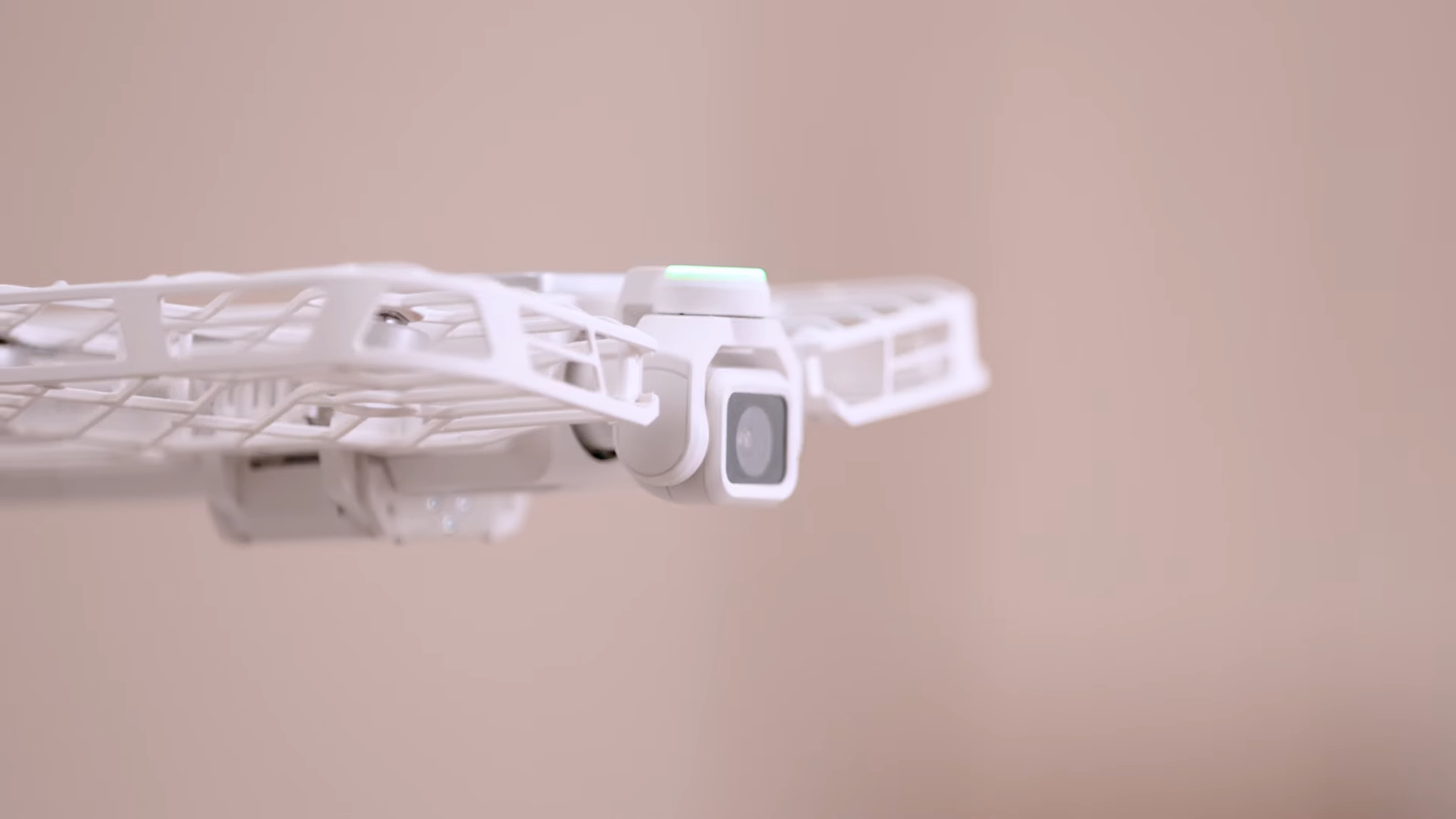
By separating the hardware into two distinct components—a 230g pocket camera and a separate propeller chassis (the Flight Kit)—the company hoped to circumvent the stringent bans that have effectively sidelined competitors like DJI from the U.S. market. The strategy relied on a loophole: because the Flight Kit lacks a radio and derives power and telemetry from the camera via pogo pins, the manufacturer argued it did not require its own dedicated FCC certification.
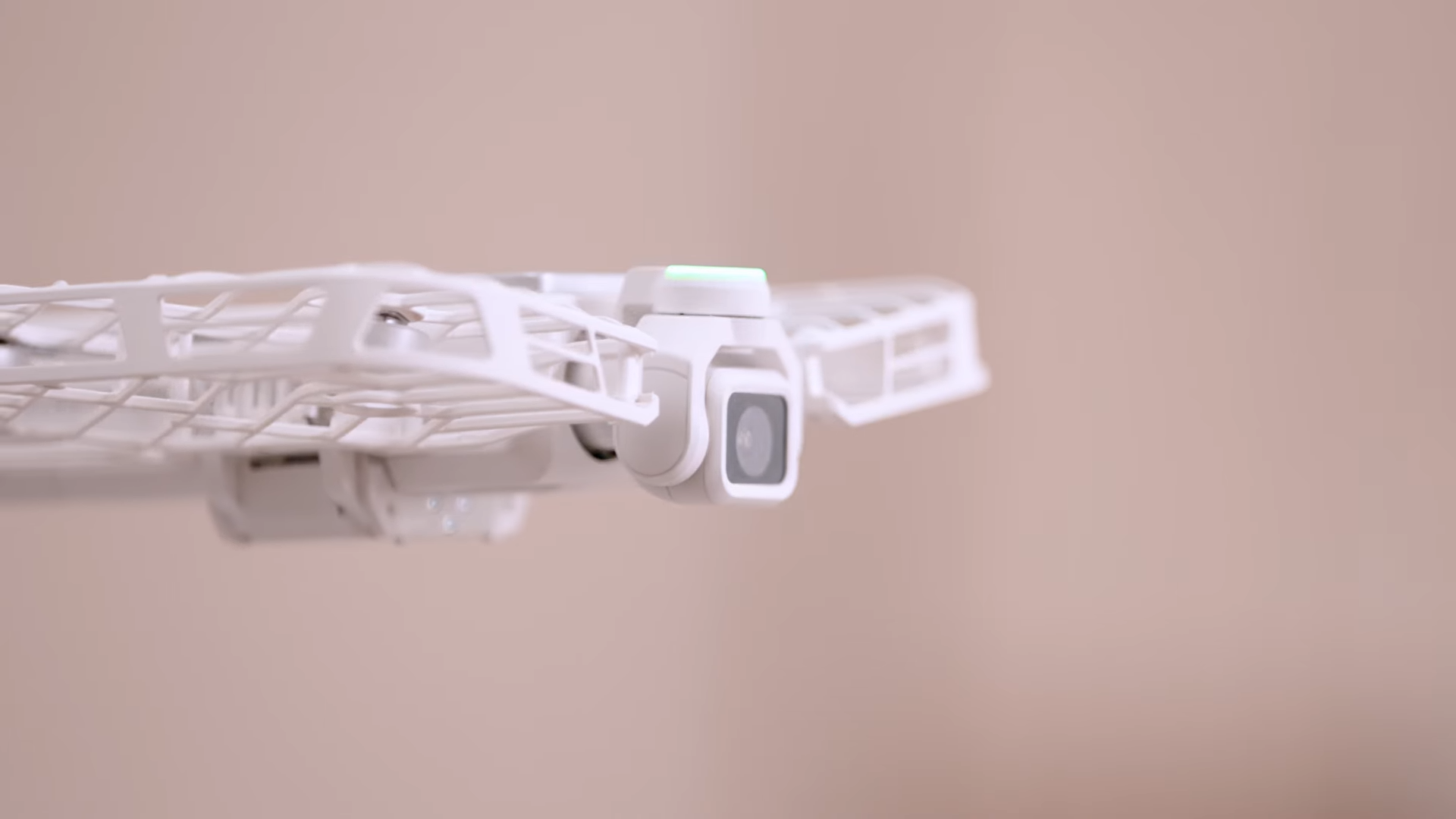
The initial response was overwhelmingly positive, with the campaign raising over $230,000 in its first few days. However, the facade began to crack on August 21. U.S.-based users visiting the Indiegogo page discovered that the Flight Kit tiers had vanished, while international users—such as those in Canada—retained access to the full bundle. Shortly thereafter, the device’s FCC ID was scrubbed from the commission’s public equipment database, signaling a decisive regulatory intervention.
The Regulatory Landscape: Defining "UAS Critical Components"
At the heart of this dispute is the December 2025 "Covered List" order, a landmark piece of federal policy that bars new authorizations for foreign-made drones. The order extends beyond the aircraft themselves, encompassing what the FCC defines as "UAS critical components."
According to the FCC’s public notice (DA 25-1086), this designation is intentionally broad, covering flight controllers, navigation systems, batteries, motors, and, significantly, "sensors and cameras." The commission’s stance is clear: if a device is designed to facilitate flight, it falls under the scope of the restriction, regardless of the marketing terminology used to classify it.
The FCC’s statement to DroneXL was scathing. The commission alleged that the authorization for the Versa was granted in error and accused the company of "apparently willfully violating" the law. This incident has prompted the FCC to issue new, urgent guidance to all Telecommunications Certification Bodies (TCBs)—the private entities responsible for testing and certifying equipment on behalf of the government—ordering them to increase due diligence to prevent similar "oversights."
Implications for the Crowdfunding Model
The HoverAir Versa debacle serves as a cautionary tale for both hardware startups and the crowdfunding platforms that host them. Relying on regulatory ambiguity or technical loopholes to bypass established security protocols is a high-risk strategy that rarely survives the scrutiny of federal regulators.
For HoverAir, this is not the first time bureaucratic hurdles have undermined their roadmap. Their previous product, the waterproof "Aqua" drone, raised over $2 million from 1,800 backers in 2023. That project missed its delivery deadline after a U.S. government shutdown stalled FCC processing. Ultimately, the company was forced to launch the product in 50 countries while excluding the U.S. market, forcing them to issue refunds to American backers.
The Versa case suggests that the "camera-only" workaround may also be on thin ice. While the company currently maintains that U.S. backers can still purchase the "PocketOnly" version of the device, the FCC’s broad definition of prohibited components creates a legal gray area that could render even the camera-only tier subject to seizure or import bans.
The Broader Conflict: DJI and the Future of the Drone Market
The situation with HoverAir is unfolding against the backdrop of a larger, systemic battle between the U.S. government and major Chinese drone manufacturers. DJI, the industry leader, is currently suing the FCC, challenging the regulator’s decision to place it on the "Covered List." DJI argues that the ban is an arbitrary exercise of power that harms American consumers and small businesses, while the government maintains that the restrictions are vital to national security and the protection of sensitive data.
The exemptions currently in place are remarkably narrow. They only cover aircraft that are on the "Blue UAS" list—a designation reserved for systems approved for use by the U.S. Department of Defense—and products that qualify as domestic end-products. As it stands, there is no path for standard, foreign-made consumer drones to bypass these rules, no matter how "modular" or "camera-focused" their marketing may claim.
What Lies Ahead?
As of early September, the fate of the Versa in the U.S. remains dire. HoverAir is scheduled to showcase the device at the IFA trade show in Berlin, where they will likely attempt to pivot their marketing efforts toward European and Asian markets where such regulatory roadblocks do not exist.
For the U.S. market, however, the outlook is grim. The FCC’s aggressive stance, combined with the tightened oversight of TCBs, suggests that the days of "workaround" drone hardware are effectively over.
Key Takeaways for Stakeholders:
- Regulatory Supremacy: Technical definitions, such as "camera vs. drone," are secondary to the FCC’s functional definitions regarding "UAS critical components."
- Certification Fragility: TCB approvals are not permanent or infallible. If an authorization is found to be based on an incorrect premise, the FCC will not hesitate to retroactively revoke it.
- Market Segmentation: Companies should expect an increasing bifurcation of the global drone market, where high-end consumer technology is increasingly restricted from the U.S. unless it meets rigid domestic-sourcing and security standards.
- Crowdfunding Risk: Backers should view any hardware project that relies on "gray market" regulatory compliance as a high-risk investment. The threat of an import ban is no longer a theoretical risk—it is a reality that can emerge in days, as seen in the Versa incident.
The HoverAir Versa serves as a modern parable for the tech industry: in an era of heightened geopolitical tension and national security sensitivity, regulatory compliance is no longer a box-ticking exercise—it is the foundation upon which any viable consumer hardware business must be built. For the foreseeable future, the "pocket drone" dream for U.S. enthusiasts remains grounded, held back by the immovable weight of federal policy.