Azzam Bilal Chamdy
In the landscape of modern animation, few names command the reverence of Rintaro. As the visionary director behind seminal works such as Metropolis and Galaxy Express 999, he has long been a pillar of the anime industry. After a decade-long hiatus from the director’s chair, Rintaro has returned with a project that is as much a historical excavation as it is a work of fiction. His latest short film, Nezumikozō Jirokichi, is now available for free streaming, inviting global audiences to participate in a unique experiment: the resurrection of a lost masterpiece.
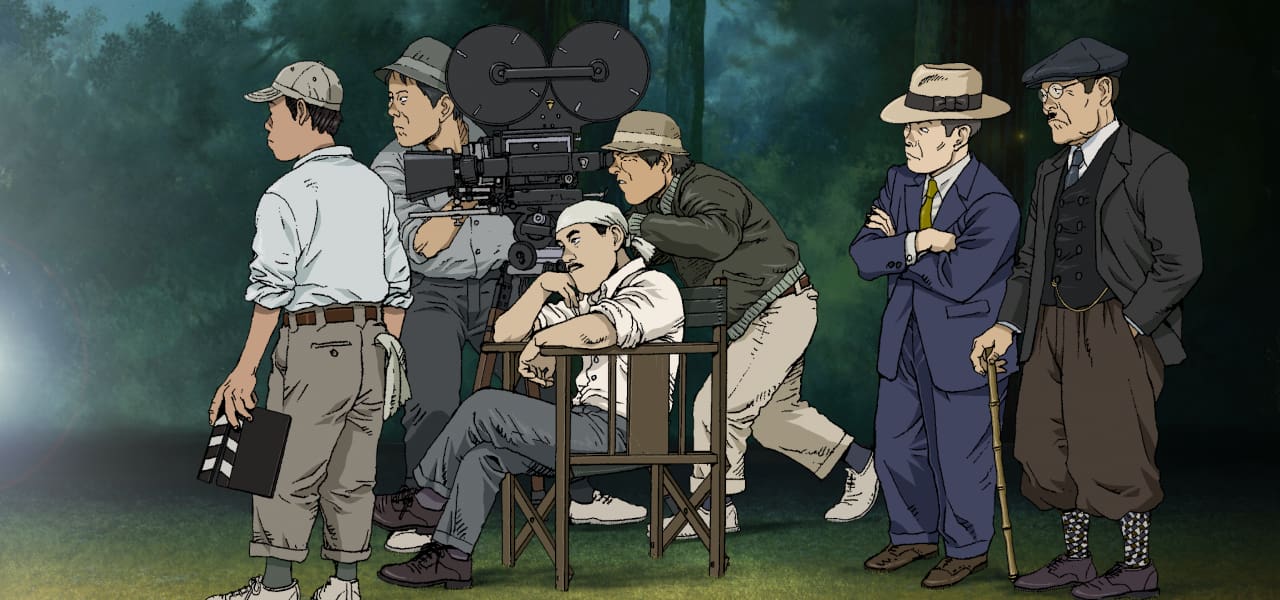
The film serves as an animated reimagining of a vanished 1933 project by the legendary Japanese filmmaker Sadao Yamanaka. Yamanaka, a titan of the period-drama (jidaigeki) genre, saw his promising career cut short when he was conscripted into the Imperial Japanese Army during World War II, eventually dying in a Manchurian field hospital at the age of 28. Most of his filmography has been lost to time, and Rintaro’s new work aims to bridge the gap between historical memory and contemporary creative expression.
The Core Narrative: A Folk Hero Reborn
At its heart, Nezumikozō Jirokichi is a classic tale of the Edo-era Robin Hood. Jirokichi, a legendary thief who stole from the wealthy to provide for the impoverished, serves as the vehicle through which Rintaro explores the themes of justice and social disparity. However, the film is far more than a simple period adventure. It is a stylistic homage to the aesthetics of early 20th-century cinema.
By utilizing silent-film intertitles, benshi-style narration (a nod to the traditional Japanese practice of live voice-over accompaniment for silent films), and a jaunty, period-appropriate score by Toshiyuki Honda, the film transports viewers back to a bygone era of storytelling. The visual language is bolstered by the distinctive character designs of industry icons Katsuhiro Otomo and Yoshinori Kanemori, who imbue the animation with a fluid, expressive energy that feels both nostalgic and refreshingly modern.
Chronology of a Creative Endeavor
The gestation of this project marks a significant moment in the history of international co-productions. The journey from the conceptualization of a "lost film" to the final 24-minute short involved several distinct stages of development:
- The Historical Inquiry (Early 2020s): Rintaro began researching the legacy of Sadao Yamanaka, specifically focusing on the lost 1933 screenplay and storyboards. The goal was never to create a literal remake, but to translate the feeling of Yamanaka’s lost work into the medium of animation.
- The Collaborative Partnership: The project was solidified through a cross-continental collaboration between Japanese production house Genco and the French-based Miyu Productions. This partnership allowed for a synthesis of Japanese aesthetic traditions and international production standards.
- Design and Animation Phase (2024–2025): The inclusion of Katsuhiro Otomo (the creator of Akira) as a character designer provided the film with a unique visual gravity. The animation team spent months refining the "look" of the Edo period, balancing historical accuracy with the kinetic requirements of modern anime.
- Global Release (June 2026): The film debuted online, breaking down traditional distribution barriers to ensure that the work was accessible to both cinephiles and general audiences, effectively democratizing access to a piece of "reconstructed" history.
Supporting Data: The Anatomy of the Production
Nezumikozō Jirokichi is a masterclass in concise storytelling. While it runs for a mere 24 minutes, the density of its production values is immense.
- Runtime: 24 minutes.
- Production Entities: A strategic alliance between Genco (Tokyo) and Miyu Productions (France).
- Key Personnel:
- Director: Rintaro.
- Original Source: Sadao Yamanaka (1933).
- Producers: Taro Maki, Emmanuel-Alain Raynal, and Pierre Baussaron.
- Soundtrack: Toshiyuki Honda.
- Key Voice Cast: Mami Koyama, Michitake Kikuchi, Takahiro Sumi, and Yuuki Hoshi.
The brevity of the film is intentional. By operating within a short-form framework, Rintaro avoids the pitfalls of trying to "expand" a ghost story beyond its natural lifespan. Instead, he treats the 24-minute duration as a "theatrical short," mimicking the pacing and episodic nature of the films that Yamanaka himself might have produced had he lived.
Official Perspectives: The Philosophy of the "Lost Film"
In various press statements surrounding the release, Rintaro has emphasized that his primary motivation was not historical revisionism, but rather a profound sense of "cinematic duty."
"We are not trying to replace what was lost," a representative for the production team noted. "We are acknowledging the void left by Yamanaka and filling it with a tribute. When a film is lost, a piece of the collective consciousness disappears. By animating the essence of this story, we are essentially performing a form of digital archaeology."
The decision to release the film for free online is also a deliberate choice. By bypassing traditional theatrical windows, the producers have ensured that the work functions as a public educational tool. It is an invitation to the audience to investigate the origins of Japanese cinema, encouraging viewers to look into the life of Yamanaka—a filmmaker whose contribution to the "period drama" genre was effectively erased by the chaos of global conflict.
The Broader Implications for Animation
The success and existence of Nezumikozō Jirokichi suggest a potential shift in how the animation industry views "lost media." For years, the industry has been focused on intellectual property (IP) acquisition and the creation of sequels or remakes of existing, well-known properties. Rintaro’s approach offers a third way: the "Creative Reconstruction."
1. Preservation through Re-interpretation
This film proves that animation can serve as a medium for archival restoration. By taking the skeleton of a lost screenplay and fleshing it out with modern animation techniques, studios can ensure that the themes and narrative structures of historical works remain relevant to modern audiences.
.png)
2. The Power of Cross-Border Collaboration
The success of the Genco/Miyu partnership demonstrates that the future of niche, high-concept animation lies in international cooperation. By combining the strengths of Japanese animation houses with the resources and distribution networks of European production companies, directors can pursue "passion projects" that might otherwise be deemed too risky for a domestic-only budget.
3. Redefining the "Short"
In the era of streaming, short films are often relegated to the "filler" category. Nezumikozō Jirokichi elevates the format, proving that 24 minutes is sufficient to convey complex historical themes and artistic depth. It challenges the industry to rethink the value of short-form content as a prestige vehicle rather than a promotional tool.
Conclusion: A Living Legacy
Nezumikozō Jirokichi is more than a return to form for Rintaro; it is a profound meditation on the fragility of art. In an age where digital content is often treated as disposable, this film stands as a testament to the idea that stories, even those silenced by the tragedies of war, can find a way to speak again.
As viewers engage with the film—watching the fluid movements of the thief Jirokichi across the rooftops of a meticulously rendered Edo period—they are witnessing a dialogue across time. Rintaro has successfully channeled the spirit of Sadao Yamanaka, not through the literal restoration of celluloid, but through the vibrant, beating heart of animation. Whether one views it as a tribute, an experiment, or an act of cinematic resurrection, Nezumikozō Jirokichi is a vital addition to the canon of 2026, reminding us that while history may be lost, it is never truly gone so long as there are artists willing to reach into the dark and bring it back into the light.


 Muslim
 Dwi Wanna