

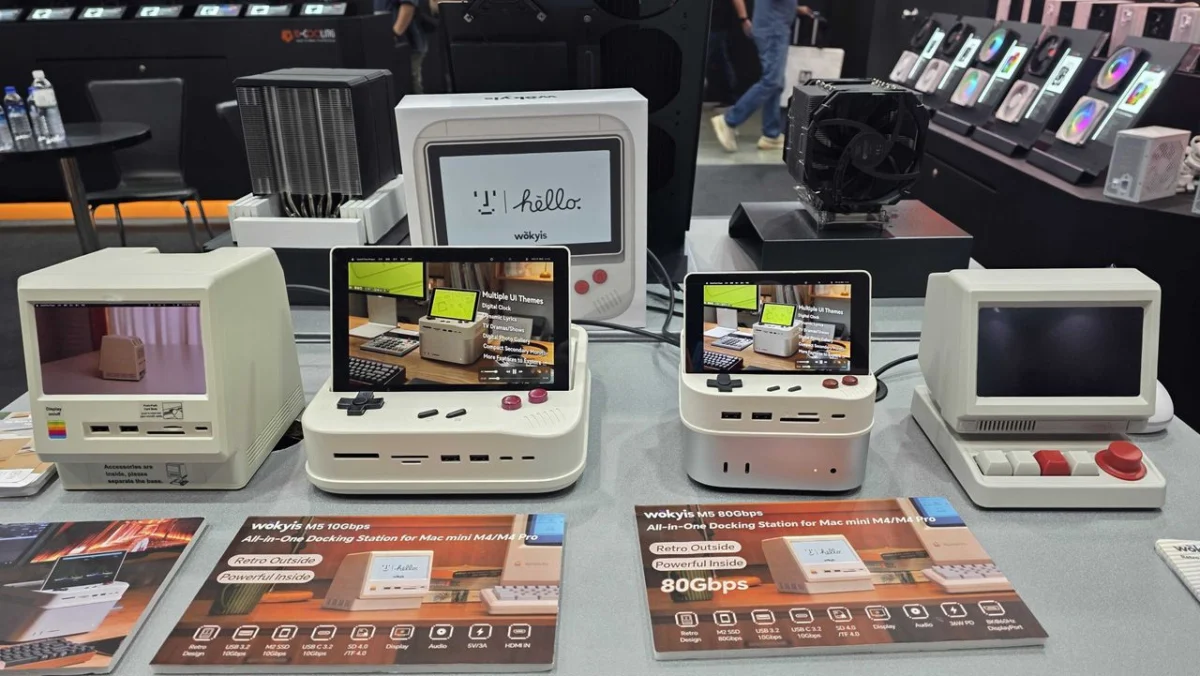
At Computex 2026, amidst the sea of high-performance cooling solutions and cutting-edge silicon, a surprising trend has emerged from the booth of ID-Cooling. A peripheral manufacturer, Wokyis, has captured the attention of attendees by blending the minimalist, high-octane aesthetic of modern Apple hardware with the warm, fuzzy nostalgia of 1980s gaming. By unveiling a line of NES-themed docking stations for the Mac Mini and Mac Studio, Wokyis is attempting to solve the perpetual problem of "dongle hell" while simultaneously tickling the retro-gaming sensibilities of a generation of professional users.
The Convergence of Modern Power and Retro Design
For the modern creative professional, the Apple ecosystem—specifically the M4-powered Mac Mini and the high-performance Mac Studio—represents the pinnacle of desktop computing. However, this power comes at the cost of accessibility. As Apple continues to strip away ports in favor of a sleek, singular design language, users are increasingly forced to rely on external hubs.
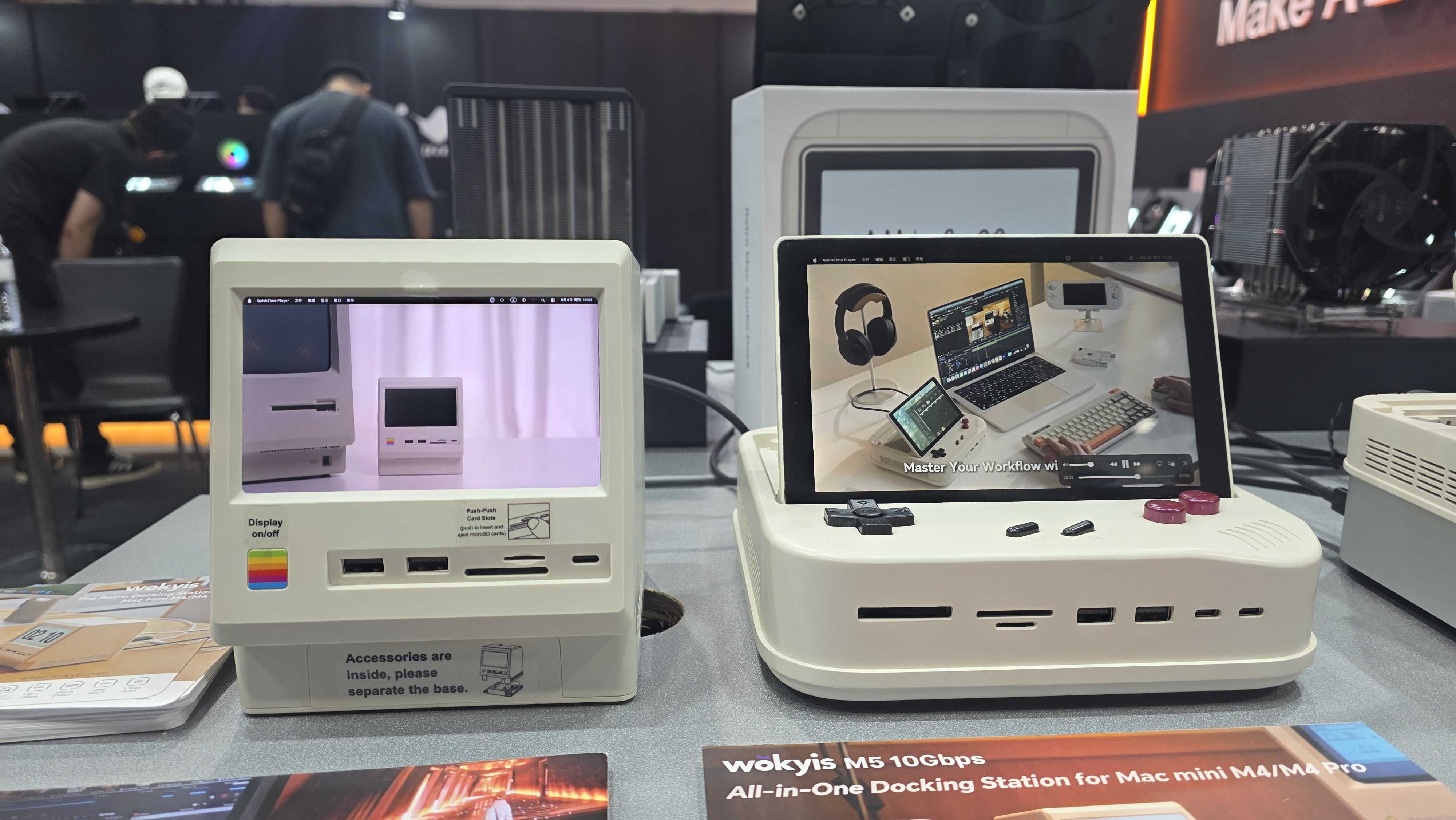
Wokyis has identified this pain point and responded with a unique hardware solution. The company’s M5 series, currently available on Amazon, offers a refined, compact dock that integrates directly with the Mac Mini. The device functions as a hub, providing high-speed data transfer and storage expansion, all while maintaining a footprint that complements Apple’s industrial design.
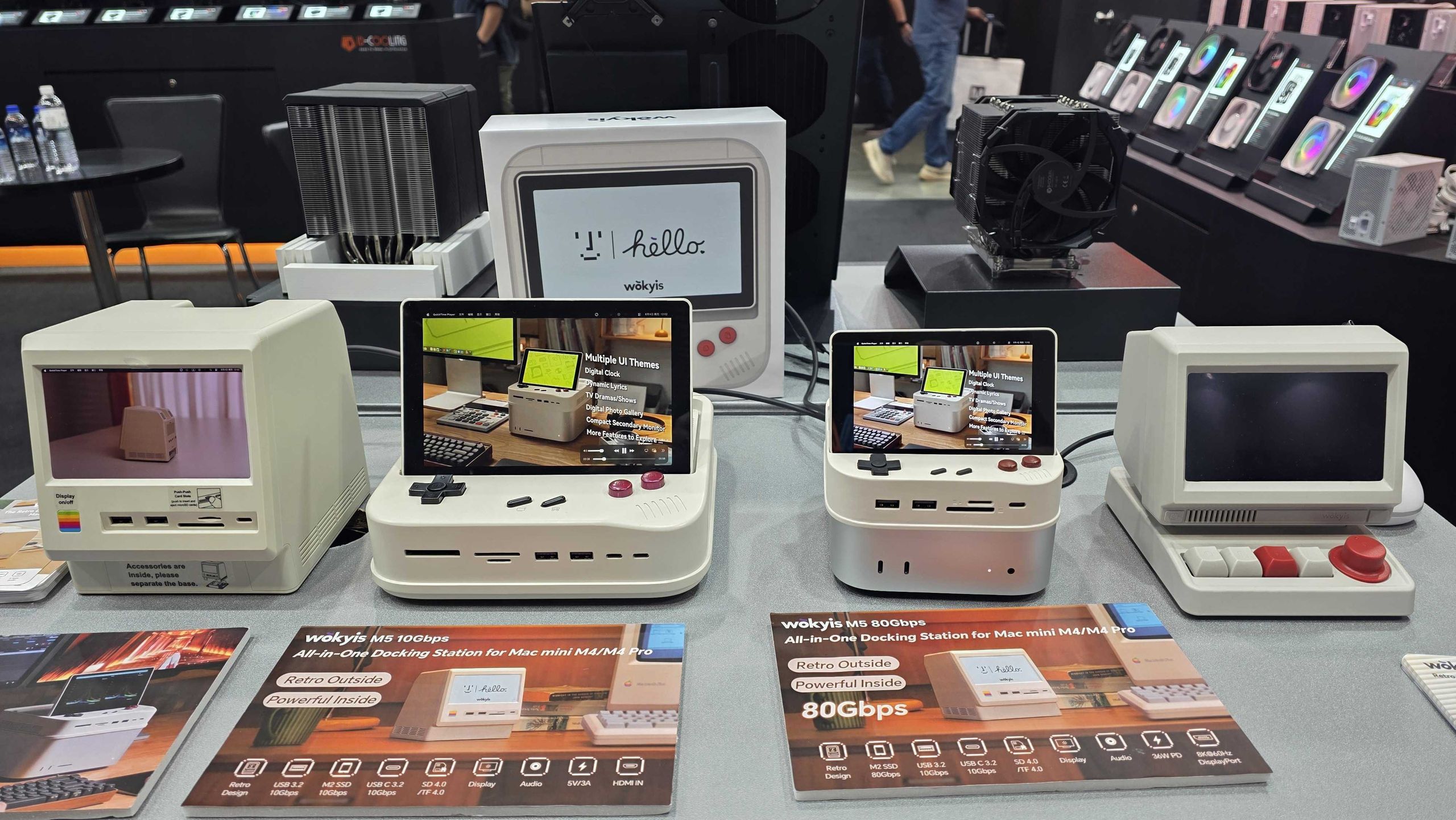
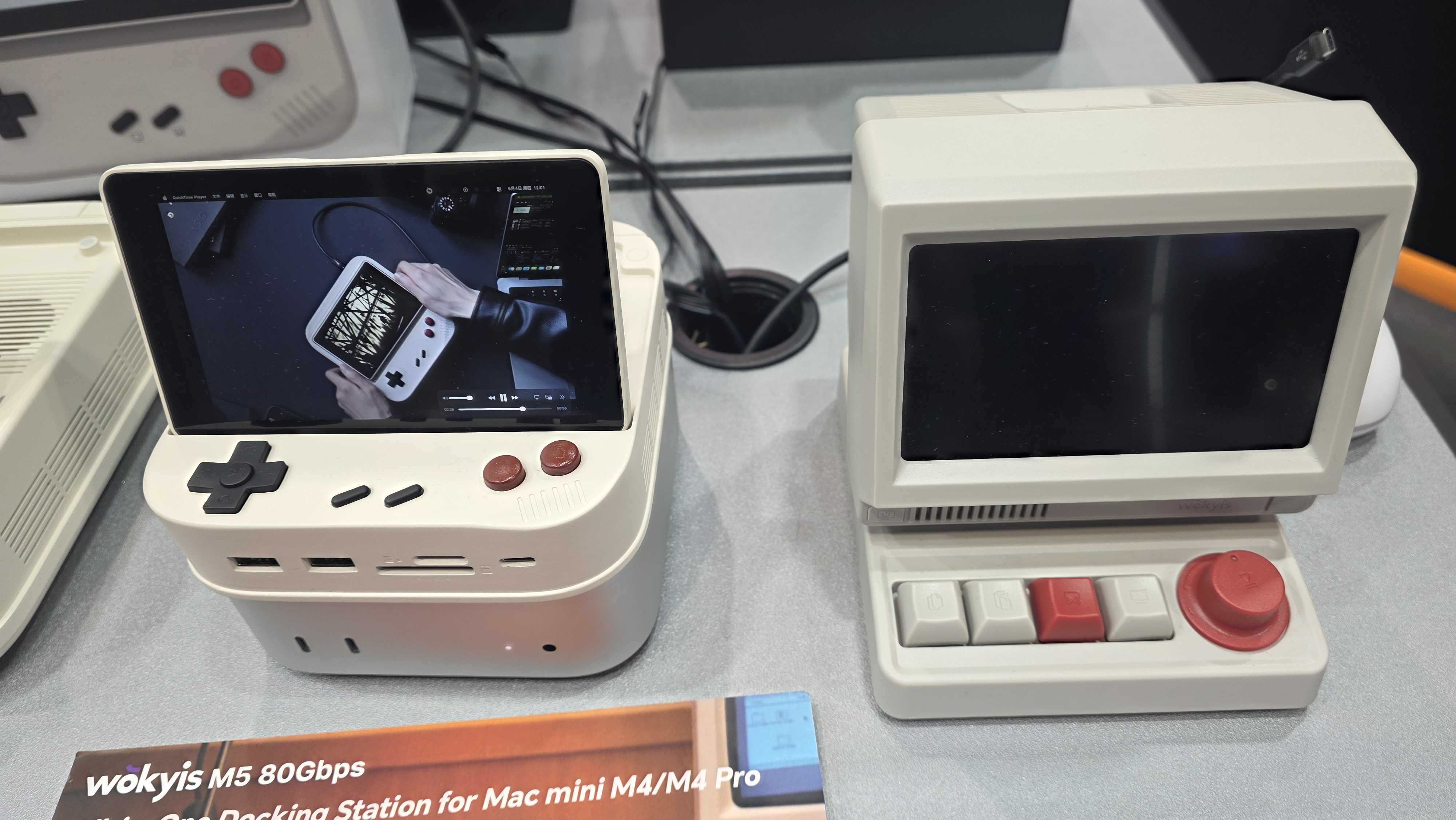
However, the real showstopper at Computex was the announcement of the G7 series. These docks are explicitly modeled after the Nintendo Entertainment System (NES), featuring iconic gray-and-black chassis designs that house a sophisticated internal array of connectivity options. By bridging the gap between an 8-bit aesthetic and 80 Gbps Thunderbolt 5 throughput, Wokyis is positioning itself at the center of a burgeoning niche market: the "professional retro" enthusiast.
A Chronology of the Wokyis Expansion
The journey from a simple accessory manufacturer to a viral sensation has been swift for Wokyis.
- Early 2026: Wokyis begins its foray into the Apple accessory market with the release of the M5 dock series. These units provided a functional, if standard, solution for users needing additional storage and peripheral support, available in both 10 Gbps and 80 Gbps iterations.
- May 2026: Rumors begin to circulate within tech enthusiast circles regarding a "retro" hardware project aimed at Mac users.
- June 2026 (Computex 2026): Wokyis officially unveils the G7 Retro Mac Studio dock. The device is showcased alongside the M5, highlighting a shift toward more thematic, personality-driven hardware design.
- July 2026 (Upcoming): The company has scheduled a Kickstarter campaign to bring the G7 series to mass production, with an aggressive early-bird pricing structure designed to build a base of "founding" customers.
Technical Specifications and Supporting Data
While the aesthetic is undeniably nostalgic, the hardware under the hood is strictly contemporary. The G7 Retro Mac Studio dock is engineered to be a powerhouse of utility.
Connectivity and Throughput
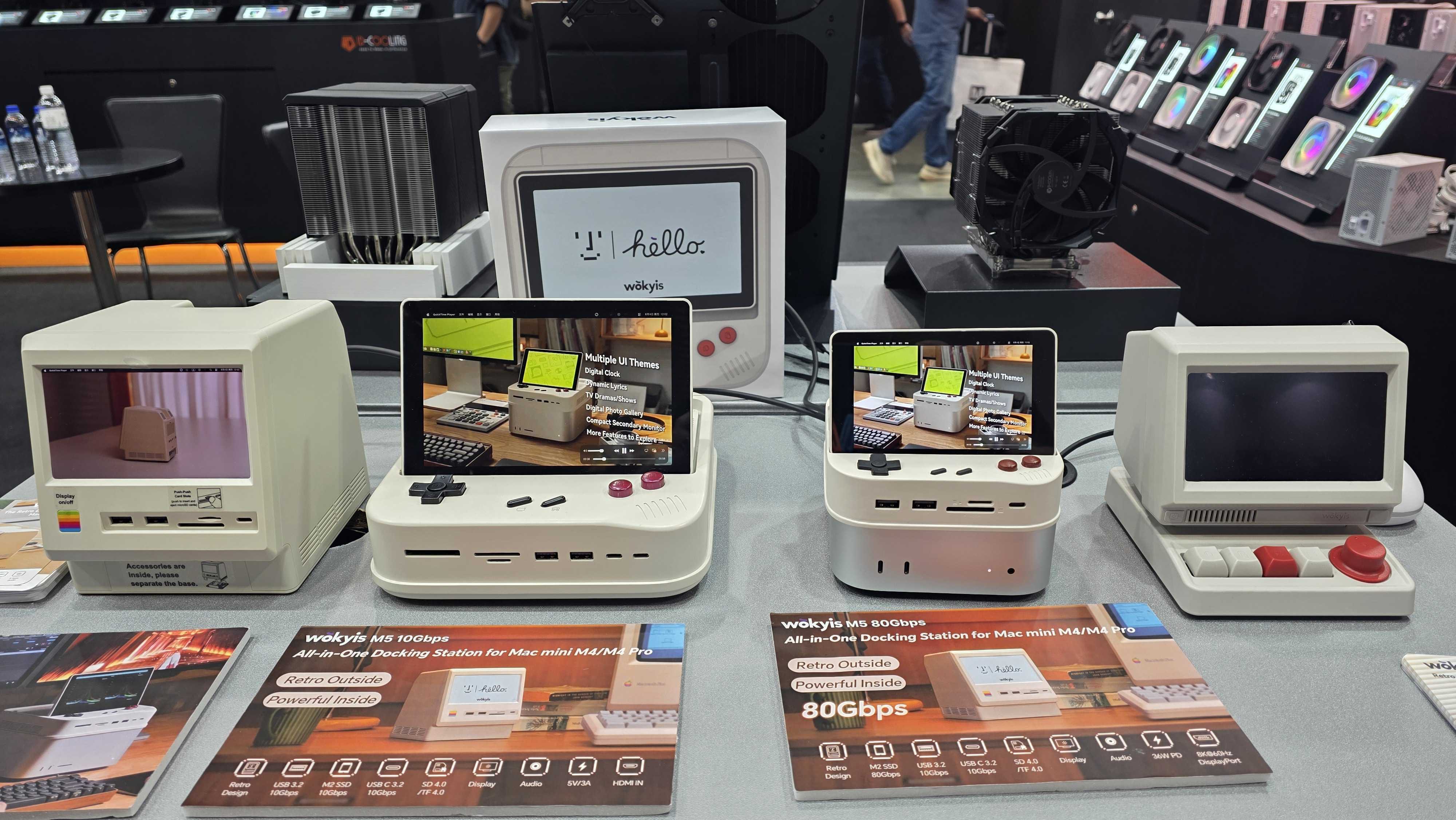
The G7 does not compromise on speed. The flagship Thunderbolt 5 variant is capable of handling an 80 Gbps data transfer rate, ensuring that creative professionals working with 8K video or massive RAW photo files do not encounter bottlenecks. The device supports 8K video output at 60 Hz via dedicated DisplayPort and HDMI ports.
Storage and Power
The base of the G7 includes an M.2 SSD slot supporting drives up to 2280 form factors, hidden beneath a flip-up 7-inch display. This allows users to expand their local storage by several terabytes without cluttering their desk with external hard drive enclosures. Furthermore, the unit supports up to 36W of Power Delivery (PD), providing enough juice to charge peripherals or maintain auxiliary devices while the Mac is active.
The "Controller" Interface
The most distinct feature of the G7 is the implementation of physical controls that mimic an NES gamepad:
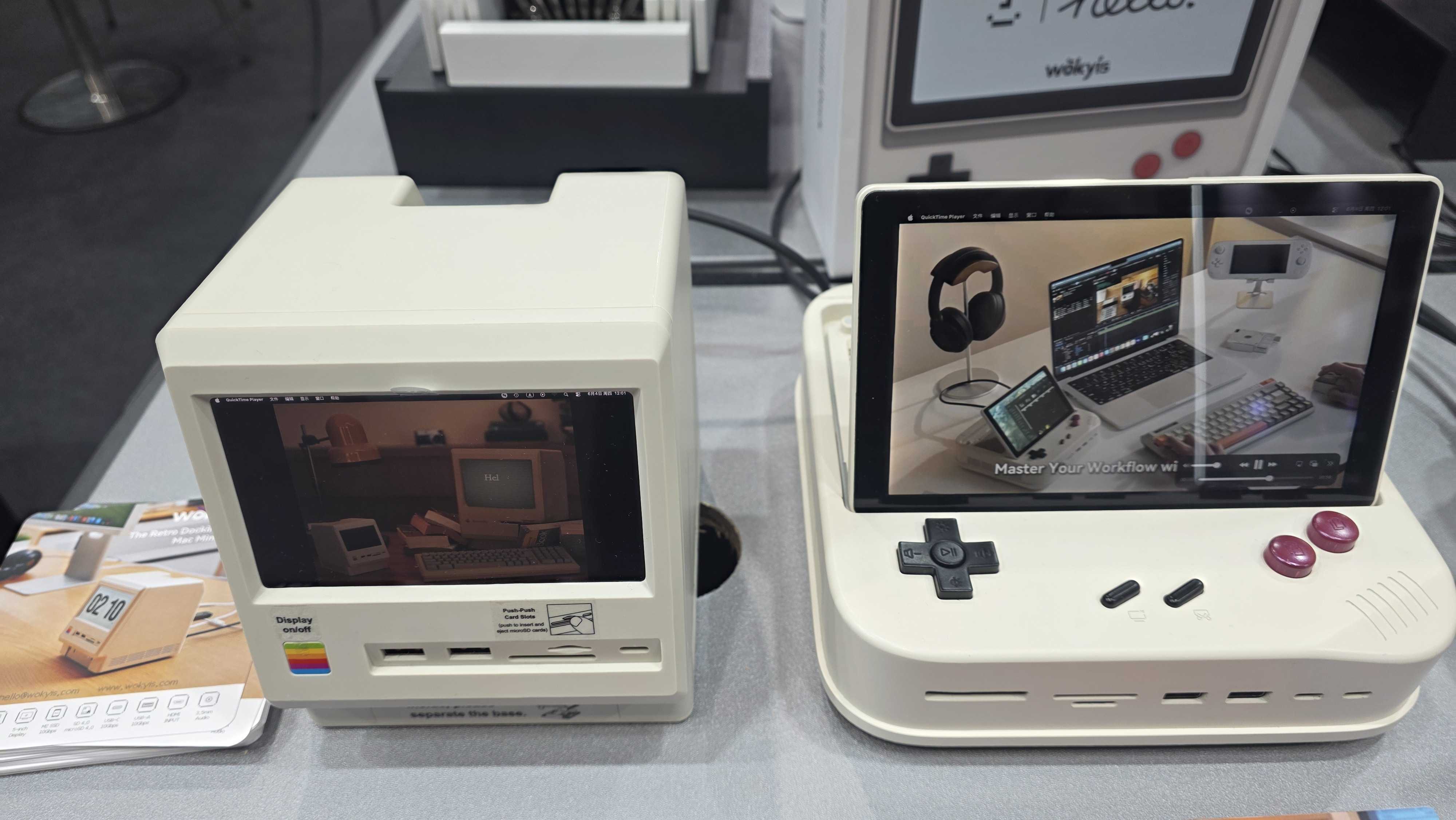
- D-Pad: Tactile controls for volume, screen brightness, and media playback.
- A/B Buttons: Mapped to standard macOS shortcuts for "Copy" and "Paste," a functional nod that saves time for power users.
- Start/Select: Dedicated buttons for toggling the integrated 7-inch display and capturing screenshots, respectively.
The Implications of Nostalgic Hardware
The move by Wokyis is not an isolated incident; it represents a broader cultural shift in the tech industry. As hardware becomes more standardized and "invisible," consumers are seeking ways to project their personal history onto their workspace.
Intellectual Property Concerns
The most significant question hanging over the G7 project is the legal feasibility of the design. The NES look is iconic, and Nintendo is notoriously protective of its intellectual property. However, recent precedents suggest that as long as the device does not claim to be an official Nintendo product or use copyrighted software/ROMs, the "look and feel" of a generic retro-inspired shell is often a gray area.
Companies like Acermagic have previously navigated these waters with their retro-themed mini PCs. If Wokyis can successfully navigate the legal requirements, the G7 could serve as a blueprint for other manufacturers looking to capitalize on nostalgia-driven hardware designs.
Market Positioning
Wokyis is pricing the G7 aggressively. The projected MSRP is $199 for the entry-level 10 Gbps model, with an "early bird" Kickstarter incentive that drops the price to $109. This pricing strategy is intended to lower the barrier to entry, allowing the company to build a community of users before moving to a wider retail launch.
The 80 Gbps Thunderbolt variant will undoubtedly command a premium—likely in the $349 range—to account for the high-bandwidth controller chips and licensing costs associated with Thunderbolt certification.
Future Outlook: Risks and Rewards
The promise of a $109 retail price for such a feature-rich dock is attractive, but it carries inherent risks for the consumer. The crowdfunding model, while excellent for gauging interest, offers no guarantees regarding shipping timelines or manufacturing quality.
For the prospective buyer, the decision to back the G7 hinges on a balance between the desire for a unique, high-utility aesthetic and the willingness to accept the risks associated with hardware startups. If the G7 performs as advertised, it could redefine the expectation for what a docking station should be: not just a functional utility, but a centerpiece of the creative workspace.
Ultimately, Wokyis has succeeded in transforming a mundane accessory category into something that evokes a smile. In an era of sterile, glass-and-aluminum tech, the addition of a clicky, tactile, and nostalgic dock provides a human touch to the cold reality of high-end computing. Whether or not it survives the inevitable scrutiny of legal teams and the logistical challenges of global shipping remains to be seen, but for now, the G7 stands as one of the most interesting peripherals to emerge from Computex 2026.










No comments yet. Be the first to join the conversation!