Suro Senen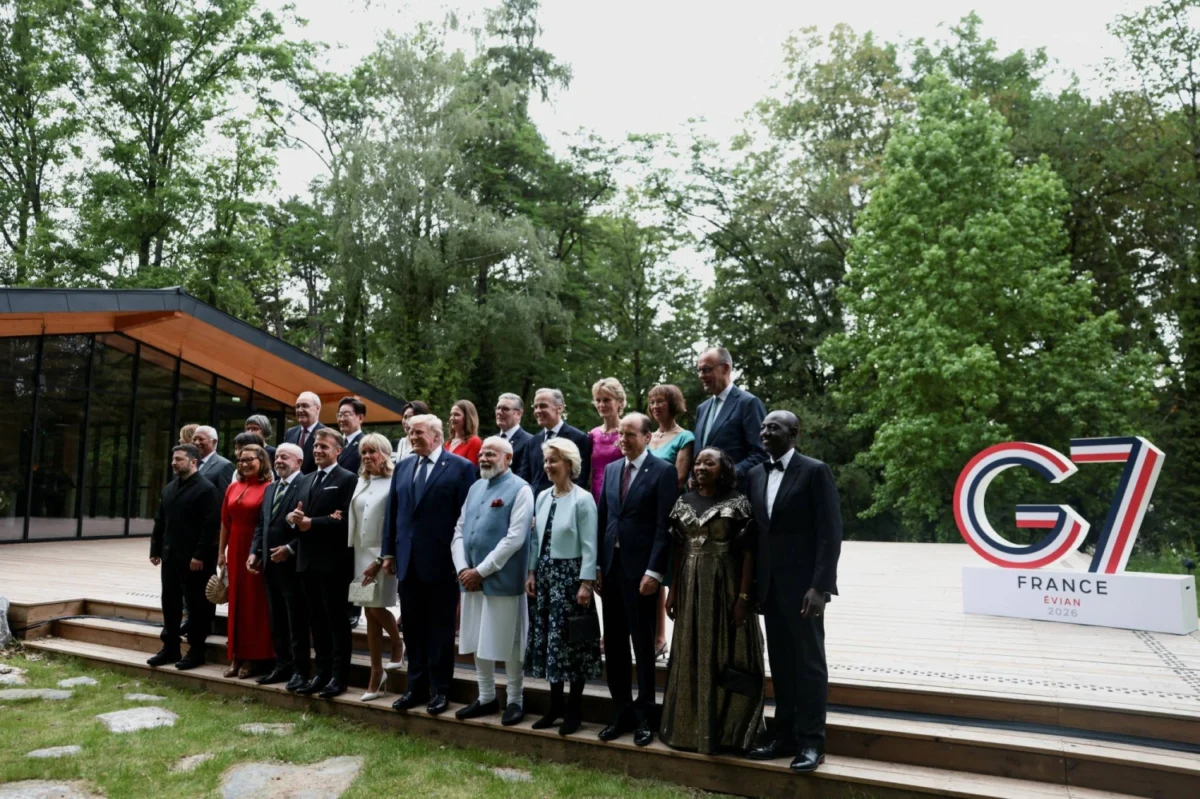
EVIAN-LES-BAINS, France – As the leaders of the world’s most industrialized nations convene against the backdrop of the serene Lake Geneva, a high-stakes geopolitical tug-of-war over the future of artificial intelligence has moved to the center stage of the G7 summit.
Diplomatic sources have confirmed that G7 leaders are actively negotiating a framework to grant “trusted partners”—a select group of nations and corporations—controlled access to advanced artificial intelligence models developed by U.S.-based firms, most notably Anthropic. The initiative represents a calculated attempt to balance the rigid national security mandates imposed by the White House with the urgent need for international collaboration in an era of rapid technological proliferation.
The Geopolitical Context: A Hardened Stance on AI
The push for this new framework follows a sudden and sweeping directive from U.S. President Donald Trump, who ordered Anthropic to sever access to its most sophisticated AI systems—specifically the “Fable 5” and “Mythos 5” models—for all foreign nationals. The move, cited as a critical national security measure, sent shockwaves through the global tech sector and left many international allies scrambling to maintain their cybersecurity posture.
For months, the U.S. has expressed growing anxiety regarding the dual-use nature of generative AI. While these models offer transformative potential for scientific research and economic productivity, they also possess the capacity to identify and exploit vulnerabilities in critical infrastructure. By restricting access, the U.S. government aims to prevent hostile actors from weaponizing cutting-edge code-scanning capabilities.
Chronology: From Open Access to Diplomatic Crisis
The current impasse is the culmination of a rapidly evolving regulatory environment:
- Pre-Directive Era: Anthropic had previously granted access to its "Mythos" model to select organizations across more than 15 countries. These entities spanned critical sectors, including healthcare, communications, power, and water, utilizing the AI to scan for and patch software vulnerabilities.
- The Executive Order: Following intelligence assessments suggesting that advanced AI models could be utilized by state-sponsored hackers to compromise sensitive banking and defense systems, President Trump issued a mandate requiring Anthropic to implement an immediate “geo-fencing” protocol.
- The Friday Blackout: On Friday, Anthropic officially disabled access for all international users, effectively pulling the plug on vital security programs globally.
- The Monday Summit Dinner: On the sidelines of the G7 opening dinner in Evian-les-Bains, the issue became a primary diplomatic priority. U.S. Commerce Secretary Howard Lutnick held intensive discussions with G7 representatives, exploring the feasibility of a “trusted partner” exemption.
- The Wednesday Working Lunch: AI executives from industry titans—including Anthropic, OpenAI, and Google—are slated to join G7 leaders for a working lunch. The agenda is expected to shift from total prohibition to a structured, monitored licensing regime.
Understanding the Stakes: The “Mythos” Vulnerability
At the heart of the debate is "Mythos," an AI model uniquely engineered to perform deep-level analysis of computer code. Cybersecurity experts have long argued that such a tool is a double-edged sword: in the hands of a responsible security team, it can identify flaws that would take human programmers months to find. In the hands of a malicious actor, it could “turbocharge” automated cyber-attacks on global financial systems and state infrastructure.
The European Union has been particularly vocal in its request for access. European officials argue that without the ability to analyze and stress-test the model’s implications, they are effectively flying blind while the U.S. holds the map. EU representatives have requested access to Mythos specifically to conduct independent studies on how the model’s reasoning capabilities might impact regional cybersecurity defensive protocols.
Official Responses and Diplomatic Positioning
The White House has maintained a delicate balancing act, acknowledging the legitimate concerns of allies while standing firm on the administration’s primary directive. A White House official issued a formal statement on Tuesday, noting: "The President’s team maintains an open line of communication with our allies, and we remain fully committed to addressing national security concerns regarding Anthropic’s models while ensuring that our collective defense remains robust."
Commerce Secretary Howard Lutnick has been the primary architect of the administration’s messaging at the summit, emphasizing that the U.S. is not seeking to isolate its allies, but rather to establish a “secure perimeter” around the most dangerous capabilities of modern AI.
Meanwhile, the private sector remains largely in a state of suspended animation. Anthropic, which finds itself at the center of this diplomatic storm, has remained largely silent, with a spokesperson declining to provide detailed comments on the ongoing negotiations. Industry insiders suggest that these firms are caught between a rock and a hard place: complying with U.S. law is mandatory, but maintaining a global market for their products is essential for their long-term growth and competitiveness against non-U.S. rivals.
Implications for Global Security and Trade
If the G7 leaders succeed in formalizing a “trusted partner” program, it could set a new global standard for the export of digital intellectual property.
1. The Security Paradox
The core challenge remains: how can a nation share a tool that is inherently capable of both defensive and offensive operations? The proposed “trusted partner” framework likely involves stringent oversight, where access is granted not to nations, but to specific entities that agree to rigorous audit trails and usage restrictions. This would essentially mirror the protocols currently used for high-end military hardware and nuclear energy technology.
2. Economic and Competitive Repercussions
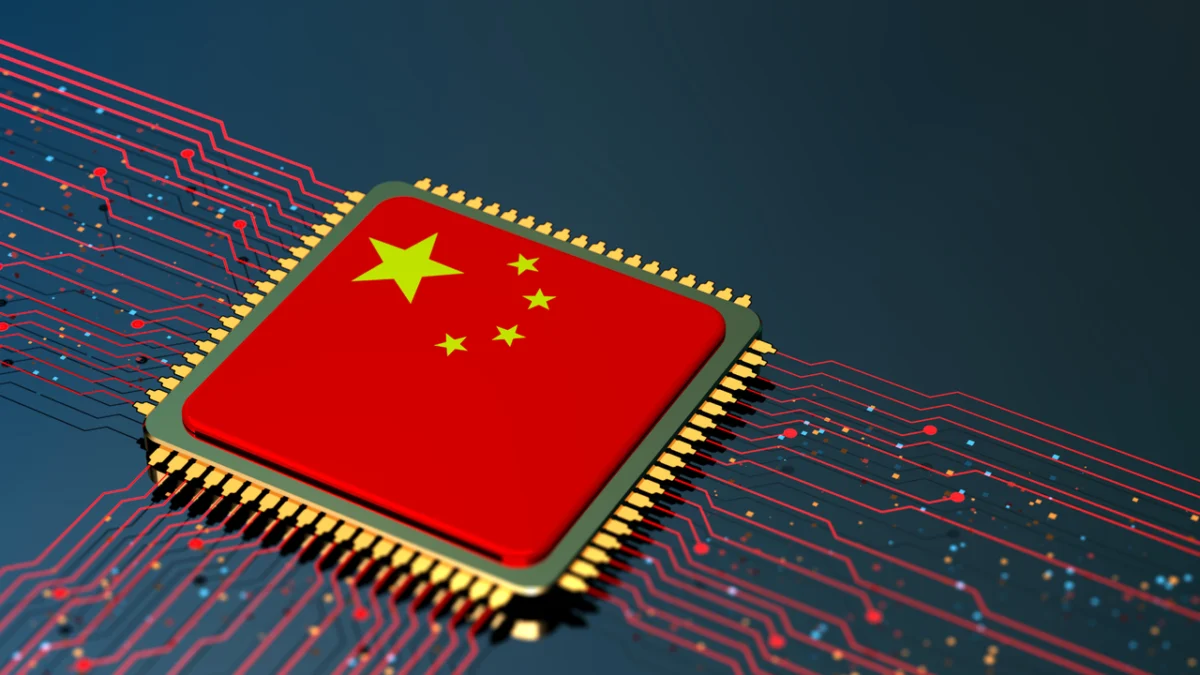
China, while not a party to these specific G7 discussions, looms large over the conversation. The U.S. strategy is clearly intended to maintain a “technological moat” around the most powerful AI systems to prevent Chinese state actors from gaining a comparative advantage in digital warfare. However, this strategy carries the risk of splintering the global AI market, leading to a "bifurcation" where the world splits into competing AI ecosystems with incompatible security standards.
3. The Future of AI Regulation
The inclusion of OpenAI and Google in Wednesday’s summit lunch suggests that the G7 is moving toward a more collaborative regulatory model. The focus is no longer just on restriction, but on infrastructure. By discussing “AI infrastructure and networks,” the G7 is signaling that they want to align on the physical requirements for AI—data centers, high-end chip procurement, and energy requirements—to ensure that the “trusted partners” are also the ones building the physical bedrock of the future AI economy.
A Path Forward?
As the summit progresses, the mood among diplomats is one of cautious optimism. While the U.S. has made it clear that national security is non-negotiable, there is a growing recognition that a total blockade is unsustainable. Cybersecurity is inherently a collective effort; if a vulnerability exists in a major European bank, it is, by extension, a vulnerability in the global financial system.
The potential agreement being discussed in Evian-les-Bains could be the first step in creating an "AI-NATO" of sorts—a coalition of nations that agree to share the benefits of advanced AI while enforcing a strict, common code of conduct regarding its deployment.
For now, the world waits to see if the G7 can move past the initial shock of the U.S. directive and forge a collaborative path that addresses the existential risks of the AI age without stifling the innovation that defines it. The upcoming working lunch on Wednesday will be the first true test of whether the U.S. is willing to loosen its grip, or if the "trusted partner" initiative is merely a diplomatic gesture designed to soothe frayed nerves while the restrictions remain firmly in place.


 Neng Nana
 Asro
Asro