Reynand Wu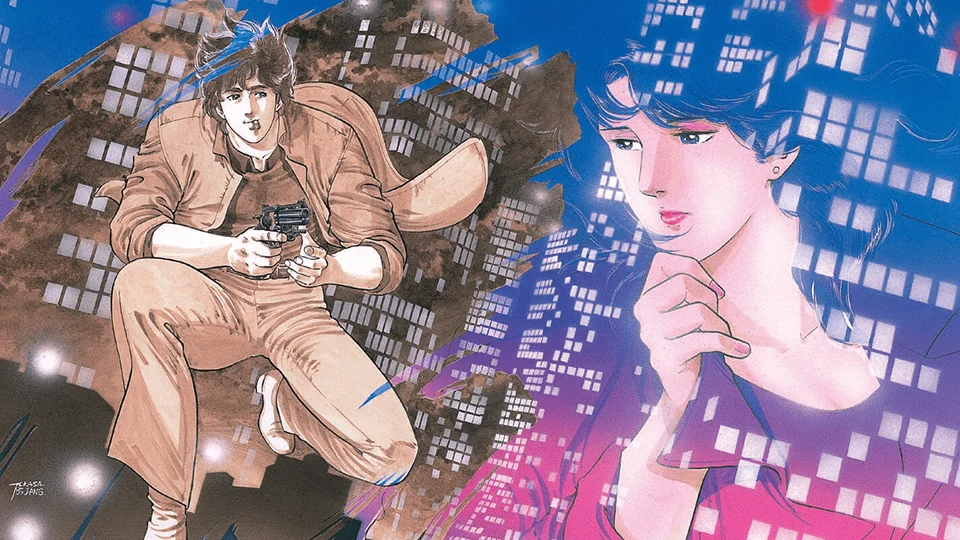
By [Author Name]
August 27, 2025
In the landscape of 20th-century manga, few names carry as much weight as Tsukasa Hojo. His work defined the aesthetic and narrative tempo of the 1980s and early 1990s, blending hard-boiled noir, high-stakes action, and character-driven comedy. As we reach the mid-2020s, a new generation of readers is discovering the kinetic energy of Hojo’s storytelling. With a high-profile Netflix film adaptation and a highly anticipated Disney+ anime project on the horizon, the cultural cachet of Hojo’s work is at an all-time high.
To meet this renewed demand, Abrams Books is launching a definitive collection of Hojo’s two most celebrated works: City Hunter and Cat’s Eye. Published through their prestigious Kana imprint, these new omnibus editions—collecting the first three volumes of each series into single, premium-bound tomes—serve as both an accessible entry point for newcomers and a collector’s dream for longtime enthusiasts. Having received an early look at these editions, it is clear that they set a new standard for Western manga localization.
The Cultural Significance of Tsukasa Hojo
To understand the importance of these reprints, one must first appreciate the historical footprint of the source material. Cat’s Eye (1981–1985) and City Hunter (1985–1991) did more than just sell millions of copies; they created a shared, interconnected universe that balanced the "sweeper" (mercenary) subculture with the world of international art theft.
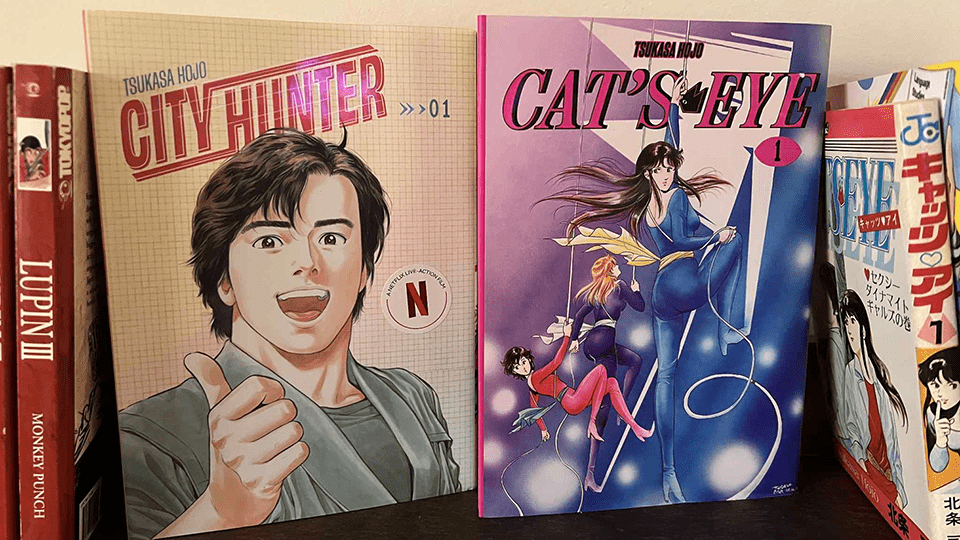
The success of these titles established a template for the action-comedy genre that persists in contemporary anime. The appeal lies in Hojo’s ability to weave together disparate tones: one moment, the reader is gripped by a high-tension shootout or a daring heist; the next, they are laughing at the absurd, slapstick romantic failures of the protagonists. This duality, anchored by iconic character designs and master-class linework, has allowed these stories to transcend their era.
A Chronology of Brilliance: From Pages to Screens
The journey of these franchises has been a long and winding road through global media.
- 1981: Cat’s Eye begins serialization in Weekly Shonen Jump, introducing the world to the Kisugi sisters.
- 1985: City Hunter launches in the same magazine, marking a transition toward the gritty, neon-soaked streets of Shinjuku.
- 1990s–2000s: Both series receive multiple television anime adaptations, OVAs, and live-action experiments across Asia and Europe.
- 2018: The French live-action film Nicky Larson et le parfum de Cupidon proves that City Hunter possesses universal appeal, earning praise for its surprising faithfulness to the source material’s spirit.
- 2024–2025: A live-action City Hunter film premieres on Netflix, focusing on the origin of the legendary Ryo Saeba.
- September 2025: A brand-new Cat’s Eye anime adaptation is set for a Disney+ exclusive release, promising a closer adherence to the original manga’s narrative trajectory.
The timing of these omnibus releases is no coincidence. The synergy between the new streaming adaptations and the availability of the original source material provides a "full-circle" experience for fans, allowing them to compare the nuance of the printed page with the spectacle of modern animation and film.
Anatomy of the Omnibus: A Premium Experience
The physical quality of these editions is the primary selling point for the discerning collector. Abrams Books has spared little effort in ensuring these books feel like "prestige" items.

The Cat’s Eye Omnibus Vol. 1
This massive volume packs in the first three original volumes—a total of 23 chapters. The story follows the three Kisugi sisters: Hitomi, Rui, and Ai. By day, they operate the sophisticated Cat’s Eye café; by night, they are master art thieves attempting to reclaim their missing father’s collection. The central tension—that Hitomi is dating the very detective, Toshio, tasked with hunting her—remains one of the most effective "cat-and-mouse" dynamics in manga history.
The production value is striking. The inclusion of full-color pages printed on high-gloss stock preserves the vibrancy of Hojo’s original color art, while the 48 pages of two-color inserts offer a visual depth rarely seen in standard tankobon editions. The dust jacket is thick and durable, designed to protect the binding of a book that is substantial enough to be a centerpiece on any bookshelf.
The City Hunter Omnibus Vol. 1
Following the same design philosophy, the City Hunter collection delivers 25 chapters of Ryo Saeba’s exploits. For those unfamiliar with the series, this is the definitive introduction to the world of Shinjuku’s premier "sweeper." The volume tracks the transition from the early days with Ryo’s original partner, Makimura, to the introduction of the legendary Kaori.
Beyond the core narrative, the editorial team has included significant value-additions. Tsukasa Hojo provides insightful commentary between chapters, offering a glimpse into the creative pressures of working in the 1980s Shonen Jump system. An exclusive interview at the end of the book sheds light on the initial conception of Ryo Saeba, while extensive translation notes—including a necessary explanation of the infamous "mokkori" catchphrase—ensure that the humor and cultural context are not lost on Western readers.

Official Perspectives and Behind-the-Scenes Insights
In conversations with representatives from Abrams and the Kana imprint, the focus remains on "preservation through presentation." The goal was not merely to reprint the manga but to treat it as a historical artifact. By including the author’s original commentary, the publishers have bridged the gap between the creator and the reader, effectively creating a "director’s cut" version of the manga.
The translation team has faced the daunting task of maintaining the 1980s slang and tone while ensuring readability for a 2025 audience. The result is a brisk, witty translation that respects the source material’s grit while smoothing out the rougher edges of localized dialogue from decades past.
Implications for the Manga Market
The release of these omnibuses signals a growing trend in the publishing industry: the "prestige re-issue." As the manga market matures, publishers are moving away from cheap, disposable paperbacks toward high-quality, long-lasting editions. This shift suggests that publishers view classic manga not just as pop-culture consumables, but as enduring literature.
Furthermore, the simultaneous release of these volumes alongside new streaming content highlights the "ecosystem" approach to anime and manga marketing. By ensuring that the original manga is available in a high-quality format, publishers can capitalize on the curiosity of viewers who discover these characters through Netflix or Disney+. If these volumes prove successful, it could pave the way for a broader revitalization of 1980s and 90s classics that have been out of print for far too long.

Conclusion: Why Now?
Whether you are a veteran fan who remembers the original Japanese serializations or a newcomer who just finished the Netflix City Hunter film, these omnibus editions are an essential acquisition. They provide the most complete, highest-quality way to experience the foundation of Tsukasa Hojo’s career.
With 23 chapters in Cat’s Eye and 25 in City Hunter, these books offer hours of entertainment. They are a testament to the fact that great storytelling never truly goes out of style—it just needs the right presentation to shine for a new generation.
Cat’s Eye Omnibus Vol. 1 and City Hunter Omnibus Vol. 1 are scheduled for wide release on September 23, 2025. Both titles are available for pre-order through major book retailers and the official Abrams Books website.


 Neng Nana
 Asro
Asro