Sagoh
Sagoh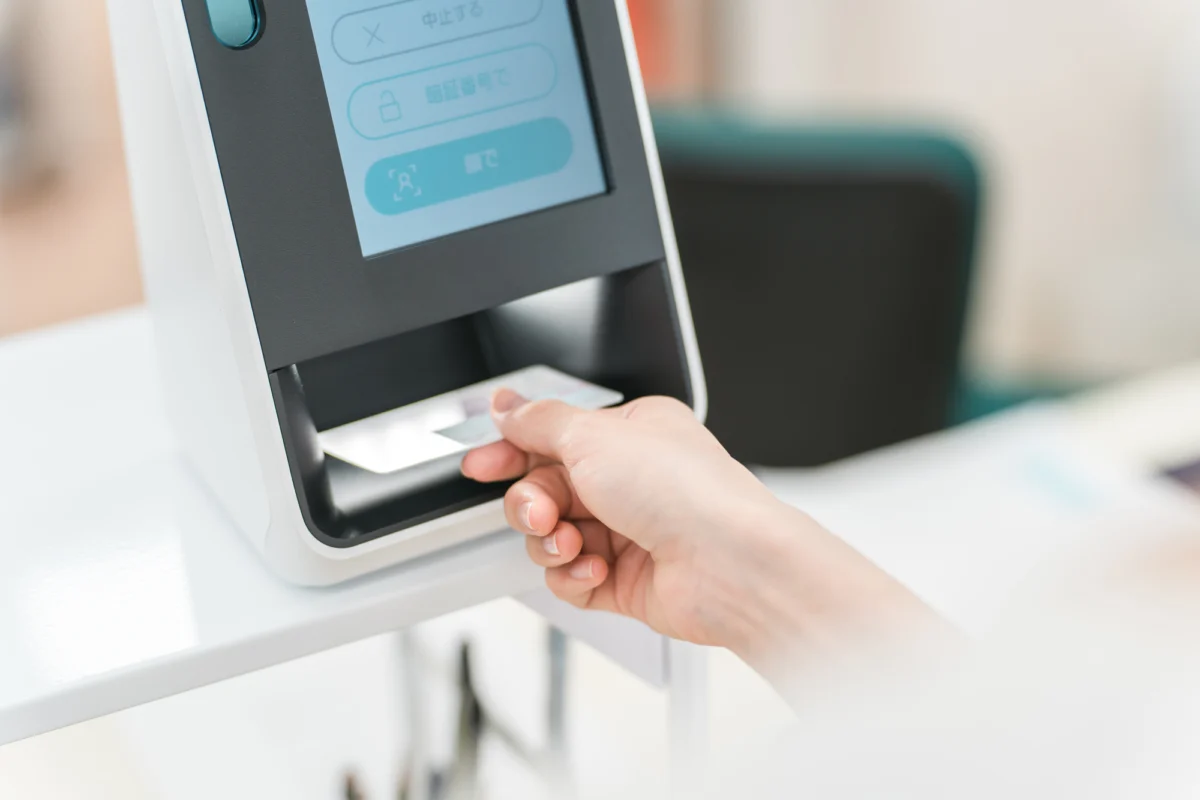
In a move that highlights both the desperation of the collectible trading card market and the creeping expansion of Japan’s digital infrastructure, The Pokémon Company has introduced a controversial new verification protocol. Ahead of the highly anticipated 30th-anniversary celebration of the Pokémon Card Game, the company has announced that buyers participating in lotteries for special-edition products may now choose to verify their identities using the Japanese government’s "My Number" card.
While framed as a logical, consumer-friendly measure to curb the aggressive practices of scalpers, the policy has inadvertently reopened old wounds regarding the government’s digital ID system. What began as a business decision to protect fans from market manipulation has morphed into a broader debate about data privacy, government overreach, and the shifting social fabric of contemporary Japan.
The Scalping Crisis: Why Drastic Measures Were Taken
The global phenomenon of trading card speculation has hit Japan particularly hard. Over the past few years, the Pokémon Card Game has transitioned from a hobbyist pastime into a high-stakes asset class. Rare cards now command prices in the tens of thousands of dollars, a trend that has attracted professional scalpers who utilize sophisticated bots and bulk-purchasing tactics to strip retail shelves bare.
These resellers frequently employ "mule" accounts—hundreds of fake identities created to flood lottery systems—ensuring that the majority of limited-edition inventory is diverted to secondary markets. This systematic hoarding has left genuine collectors, especially children and long-time enthusiasts, with little chance of purchasing products at their suggested retail price.
In response, The Pokémon Company has sought to restore "fair opportunity." By introducing a verification layer that tethers an account to a verifiable, government-backed identity, they aim to ensure that one individual equals one entry. However, the choice of the "My Number" system as the vehicle for this verification is what has sparked significant public discourse.
Chronology of the Policy Rollout
The implementation of this system was not a sudden, knee-jerk reaction, but a calculated pivot in response to ongoing market volatility.
- May 21, 2026: The Pokémon Company issues its first formal announcement regarding the 30th-anniversary product lineup. The notice includes a subtle, albeit significant, mention that the company is exploring digital identity verification to ensure equitable access to products.
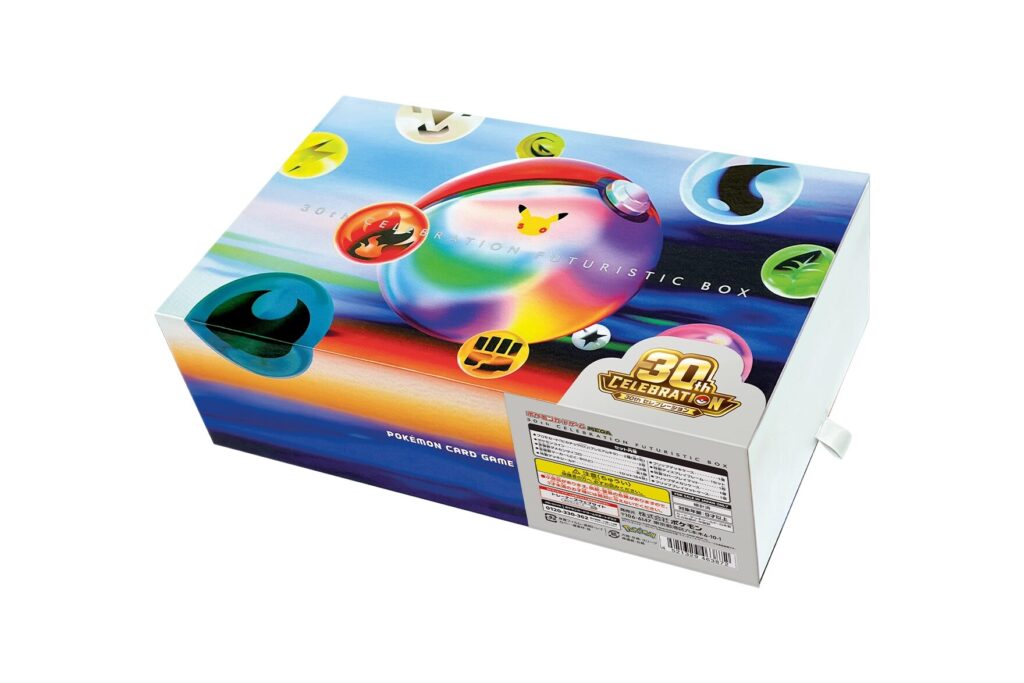
- June 8, 2026: A follow-up statement provides technical details. The company confirms that users who wish to participate in the lottery for the upcoming "30th CELEBRATION" box (priced at ¥7,200) and the "FUTURISTIC BOX" (priced at ¥27,500) will have the option to link their My Number card to their Players Club account.
- Post-Announcement Period: Public discourse on social media platforms like X (formerly Twitter) explodes, as fans weigh the benefits of reduced scalping against the discomfort of providing government-linked data to a private toy company.
The mechanism is elegant in its simplicity: users scan their physical My Number card using an NFC-enabled smartphone. The device reads the card’s integrated circuit (IC) chip, confirming the user’s identity through a third-party cloud service. Crucially, The Pokémon Company has stated that they will not store the My Number itself—only a confirmation token that the identity is unique and valid.
Supporting Data: The My Number System’s Rocky History
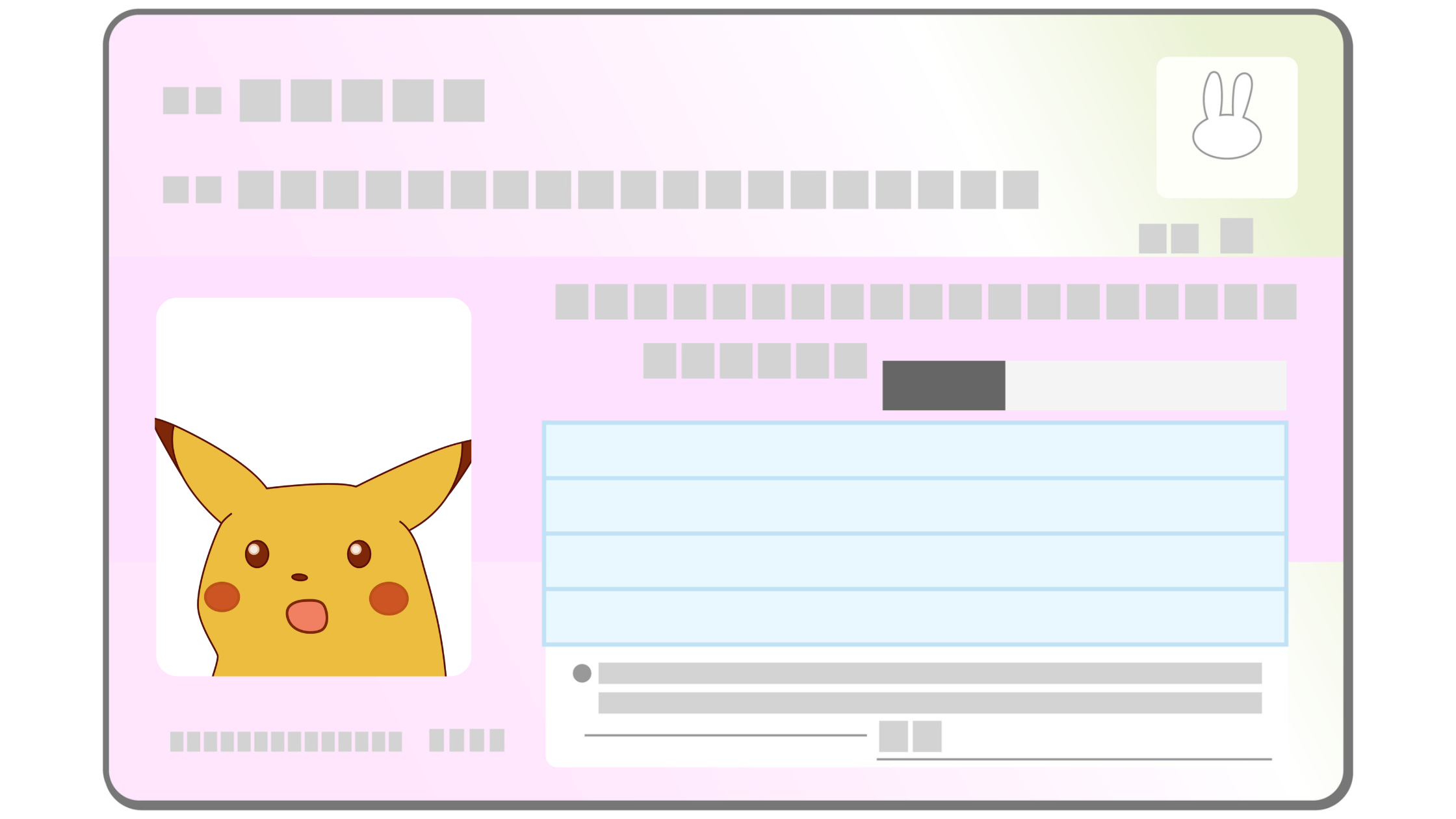
To understand the sensitivity surrounding this initiative, one must look at the checkered history of the My Number card. Introduced in 2016, the system was originally pitched as a voluntary, streamlined method for handling tax and social security administration. Despite government efforts—including monetary incentives for enrollment—adoption remained sluggish, hovering around 40% for years.
The skepticism intensified in 2023 following a series of humiliating administrative failures. Reports surfaced of medical records being linked to the wrong individuals and the issuance of erroneous documentation. These systemic lapses eroded public trust, transforming the card from a symbol of digital efficiency into one of bureaucratic incompetence.
When the government later announced plans to phase out the traditional health insurance card in favor of the My Number card—effectively making enrollment mandatory for anyone wanting seamless access to healthcare—the backlash was immediate. For many, the government had reneged on its promise of "optionality." By asking citizens to integrate this same system into the mundane act of buying trading cards, The Pokémon Company is stepping into a political minefield that the government itself has struggled to navigate.
Official Responses and Strategic Rationale
From a corporate perspective, the strategy is defensive. The Pokémon Company has maintained that the goal is to create a "fair environment for all." By making the verification optional—though heavily incentivized by reserving the majority of winning slots for verified users—they argue they are providing a choice rather than a mandate.
Industry analysts suggest that this is a "best-of-both-worlds" approach. By partnering with the government’s existing digital infrastructure, the company avoids the massive technical and financial burden of building its own secure ID verification platform. Furthermore, the company has gone so far as to include links to the official My Number application process, essentially acting as an auxiliary marketing arm for the government’s digital transformation initiative.
Critics, however, argue that this normalization of "ID-for-shopping" is a slippery slope. "If we must provide a national ID to buy toys, what will we be required to show to buy groceries or attend a concert next?" asked one prominent commentator on social media. The company has yet to provide specific guidance on how this will function for minors, who are the primary demographic for the card game, leaving a significant segment of their customer base in a state of uncertainty.
Implications: The Social Fault Lines
The most unsettling aspect of this policy has been the emergence of xenophobic sentiment in the public response. While the vast majority of users support the initiative as a deterrent against scalpers, a vocal minority has attempted to frame the scalping issue as a "foreign problem."
On various social media threads, users have called for the restriction of sales to "purely Japanese" customers, often targeting Chinese and Vietnamese residents with vitriol. This rhetoric persists despite empirical data showing a decline in immigrant-related crime in Japan. It is a stark reminder of how quickly technical policy changes can be co-opted to serve nationalistic narratives.
Foreign residents in Japan are, in fact, eligible for and often possess My Number cards. The Pokémon Company’s system is a technical filter, not a demographic one; it does not distinguish between nationality. Yet, the rapid shift from "let’s stop the bots" to "let’s stop the foreigners" underscores the underlying social tensions that continue to simmer in Japan’s increasingly globalized society.
The Future of Digital Consumerism
As the September/October 2026 launch date approaches, the debate serves as a microcosm for the future of digital governance. Japan is at a crossroads where the state’s desire to digitize the citizenry meets the public’s inherent distrust of data centralization.
The Pokémon Company has effectively become an unlikely arbiter of this transition. By bringing the My Number card into the realm of popular culture, they are doing more to integrate the system into daily life than years of government PSAs ever could. If successful, the Pokémon lottery model could become the gold standard for high-demand consumer goods, from concert tickets to limited-edition electronics.
However, the cost of this efficiency may be a permanent alteration of the consumer experience. When a game of chance becomes tied to a state-issued identity, the boundary between the private individual and the digital citizen blurs. Whether this leads to a more equitable market or a more surveilled society remains to be seen.
Ultimately, the Pokémon card case is not just about the rarity of a holographic print or the greed of a reseller. It is a signal that in the 21st century, every interaction—even those intended for leisure—is becoming a digital transaction, recorded, verified, and linked to the state. As the cards hit the shelves this fall, the real prize being contested isn’t the card itself, but the nature of digital privacy in a society being forced to adapt to the mandates of the future.


 Neng Nana
 Asro
Asro