Ali Ikhwan
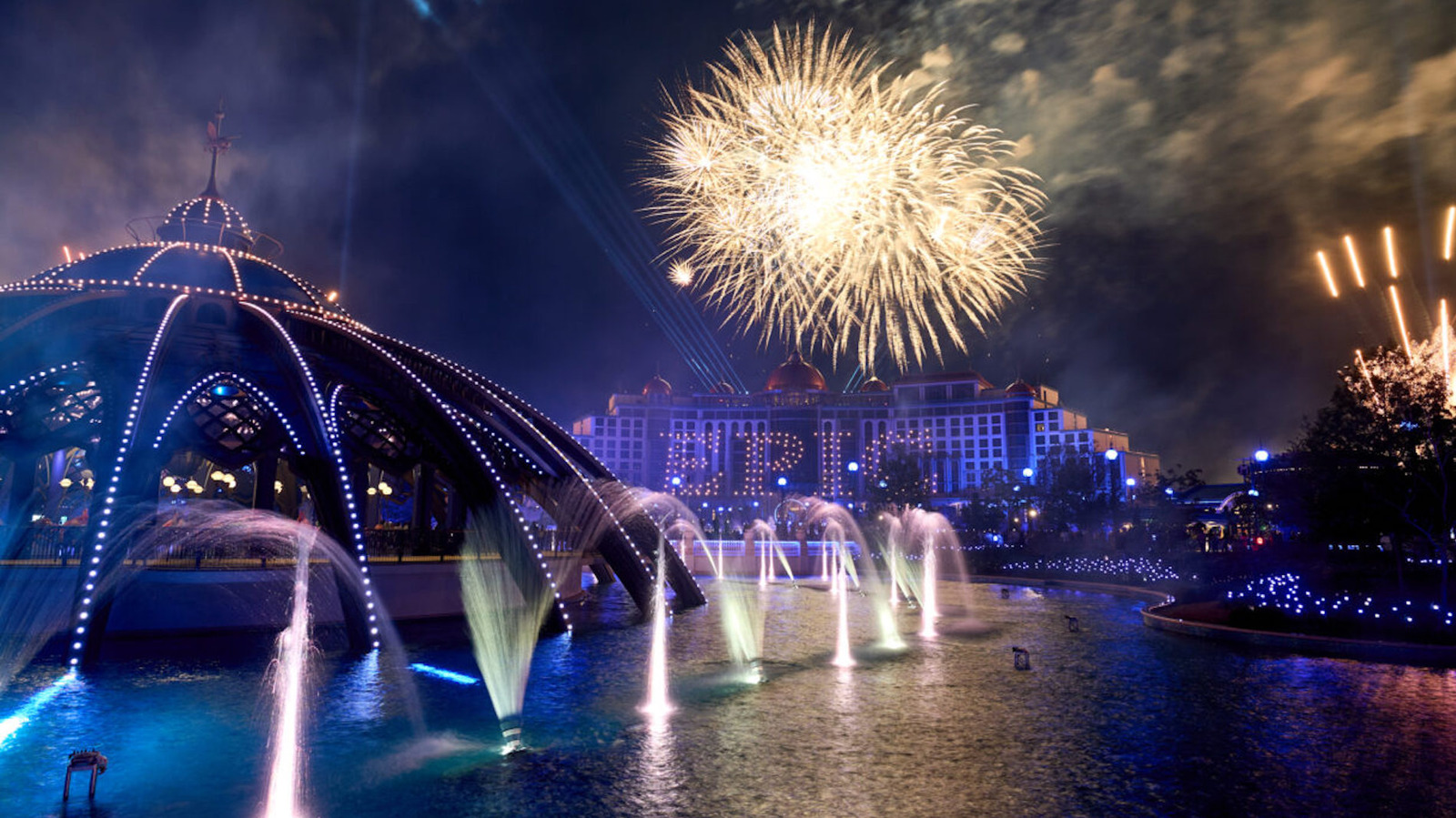
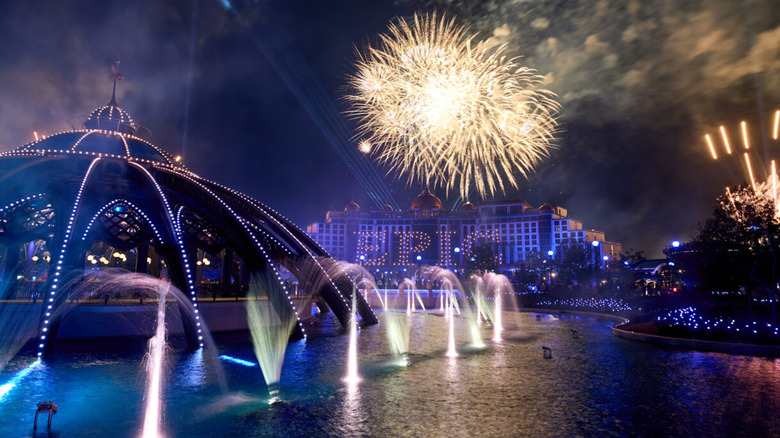
It has been exactly one year since Universal Orlando Resort opened the gates to Epic Universe, a project that promised to fundamentally alter the landscape of the Florida theme park wars. Having spent the better part of twelve months analyzing the park’s engineering, culinary offerings, and narrative depth, the verdict remains unchanged: Epic Universe is a masterclass in modern theme park design.
For the lifelong enthusiast, the park represents a pinnacle of technical ambition. It is a harmonious blend of environmental storytelling, high-stakes urban planning, and immersive illusion that feels less like a corporate product and more like a carefully fabricated reality. As Universal celebrated its one-year anniversary this week, the industry is left to grapple with a new reality: the "weeklong destination" narrative is no longer just a marketing slogan—it is a functional, undeniable fact.
Main Facts: A New Benchmark for Immersion
The sheer scale of Epic Universe is difficult to overstate. By integrating four distinct lands anchored by the expansive Celestial Park, Universal has moved beyond the "ride-focused" model that defined its previous offerings.
The park’s success is rooted in its attention to the "guest experience" as an ecosystem rather than a checklist. From the intricate architectural details of the themed lands to the sophisticated operations powering the high-tech attractions, every square foot of the property has been optimized to maintain the "illusion of bliss." Where competitors often rely heavily on established intellectual property (IP) as a crutch, Epic Universe utilizes IP as a foundation for world-building, while simultaneously demonstrating a surprising willingness to foster original concepts.
Chronology of the Epic Year
The journey to the one-year milestone has been marked by a rapid maturation process:
- Launch Phase (Q1 2025): The park opened to massive anticipation, with initial press previews setting the stage. Critics and guests alike were struck by the technical complexity of the ride systems and the visual cohesion of the lands.
- Stabilization Phase (Q2-Q3 2025): Universal focused on operational flow. The integration of the park with the existing Universal Orlando Resort ecosystem began to show its true potential, as guests began utilizing the 11-hotel network to extend their stays.
- Expansion & Critique Phase (Q4 2025): Universal began experimenting with character-led engagement, introducing original characters like Captain Cacao. This period also highlighted the park’s vulnerability to Florida’s volatile weather, prompting discussions about future indoor infrastructure.
- The One-Year Milestone (Present): Universal held a victory lap, bringing in industry stakeholders to reaffirm the "weeklong destination" status. The event served as a quiet assertion of dominance in the Florida market.
Supporting Data: Why the "Weeklong" Model Works
The transition of Universal Orlando into a seven-day destination is supported by three primary pillars:
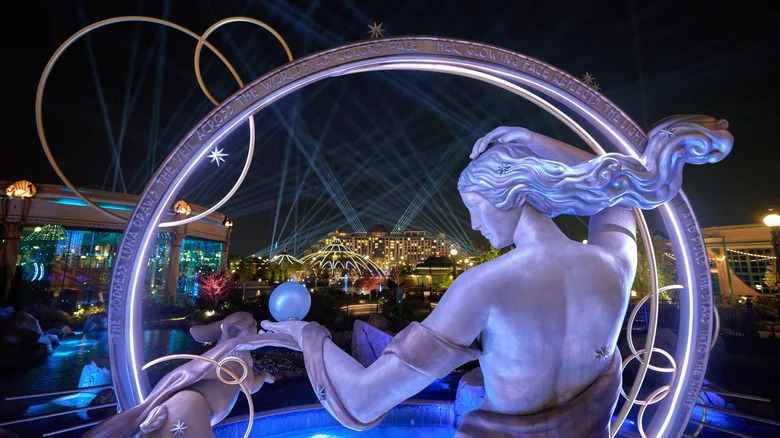
- Accommodation Synergy: The growth of on-property lodging—including the addition of the Terra Luna and Stella Nova hotels—has provided tiered pricing options that make a week-long stay viable for a wider demographic.
- Culinary Evolution: Universal has successfully shed its reputation for mediocre theme park food. The current culinary landscape across the resort, and specifically within Epic Universe, now rivals top-tier international dining experiences, keeping guests on-property for every meal.
- Attraction Density: The sheer volume of high-capacity, high-tech attractions ensures that even after a full week, visitors often feel they have only scratched the surface. The ability to shift from high-octane thrills to atmospheric, original storytelling environments prevents the "theme park fatigue" that often plagues shorter-stay destinations.
Official Responses and Corporate Swagger
During the anniversary festivities, Universal executives were noticeably understated. Rather than engaging in the traditional "sniping" tactics against competitors—most notably the Disney parks—the company chose to let the metrics speak for themselves.
In a panel discussion with leads from Universal Creative, Culinary, and Operations, the tone was one of quiet confidence. While a specific teaser for future expansion was playfully cut short by staff, the message was clear: the company is currently in a "victory lap" phase. The official stance is that the foundation is set, and the focus is now on refining the existing ecosystem. The absence of direct references to competitors underscored a company that no longer feels the need to compare itself to the "mouse" down the street; it is currently setting its own pace.
Implications: The Future of the Theme Park Industry
The existence of Epic Universe has forced a shift in the strategic calculus for every major player in the industry.
The "Disney" Factor
The current state of the market creates a fascinating dynamic. While Universal is enjoying its triumph, it has effectively "raised the bar" for the entire region. The industry now anticipates that Disney’s future construction projects will be an attempt to reclaim the crown. For the consumer, this is an unequivocal win. The competition is fueling a renaissance of massive, high-budget, immersive projects that would not have been possible without this rivalry.
Infrastructure and Urban Planning
The one-year review has highlighted areas for growth. As noted by frequent visitors, the lack of pedestrian-friendly infrastructure—specifically safe, shaded walking paths between the satellite hotels and the main gate—remains a notable oversight in an otherwise meticulously planned urban environment. Improving connectivity will likely be the next phase of capital investment.
Weather-Proofing as the New Priority
Perhaps the most significant implication is the necessity of "weather-proof" design. Epic Universe, like many of its peers, remains heavily reliant on outdoor attractions. Florida’s unpredictable weather patterns, specifically frequent lightning storms, have exposed a vulnerability: when the skies open, the park’s throughput drops significantly. Future expansions will almost certainly prioritize massive, enclosed dark rides and interactive indoor experiences to ensure that "Epic" does not become "Inaccessible" during the summer months.
The Value of Originality
The success of characters like Captain Cacao—who exists outside of established cinematic IP—suggests that Universal has rediscovered the value of internal mythology. By building out the lore of Celestial Park, Universal is creating a sense of "place" that is entirely unique to the resort. This shift toward original, park-specific storytelling is a trend that will likely influence design choices for years to come.
Conclusion: A Masterpiece in Progress
One year later, Epic Universe stands as a testament to what is possible when engineering, art, and hospitality are perfectly aligned. It has transformed the Universal Orlando Resort from a secondary destination into a formidable, week-long powerhouse that challenges the status quo of the theme park industry.
While there are valid critiques—specifically regarding pedestrian connectivity and the need for greater indoor capacity—these are "good" problems to have. They are the complaints of a visitor who is so thoroughly enchanted by the environment that they want to spend more time in it, regardless of the weather or the walk.
As we look toward the next year of the park’s life, the expectation is not for a total overhaul, but for a thoughtful refinement. Universal has proven that it can build a world of wonder; the next challenge is to ensure that this world remains a resilient, accessible, and ever-evolving sanctuary for its guests. For now, the victory lap is well-earned. But for the fans, the analysts, and the competitors watching from afar, the message is clear: the bar has been raised, and the race is only just beginning.

 Reynand Wu